


Site Admin
26. Eric Davis
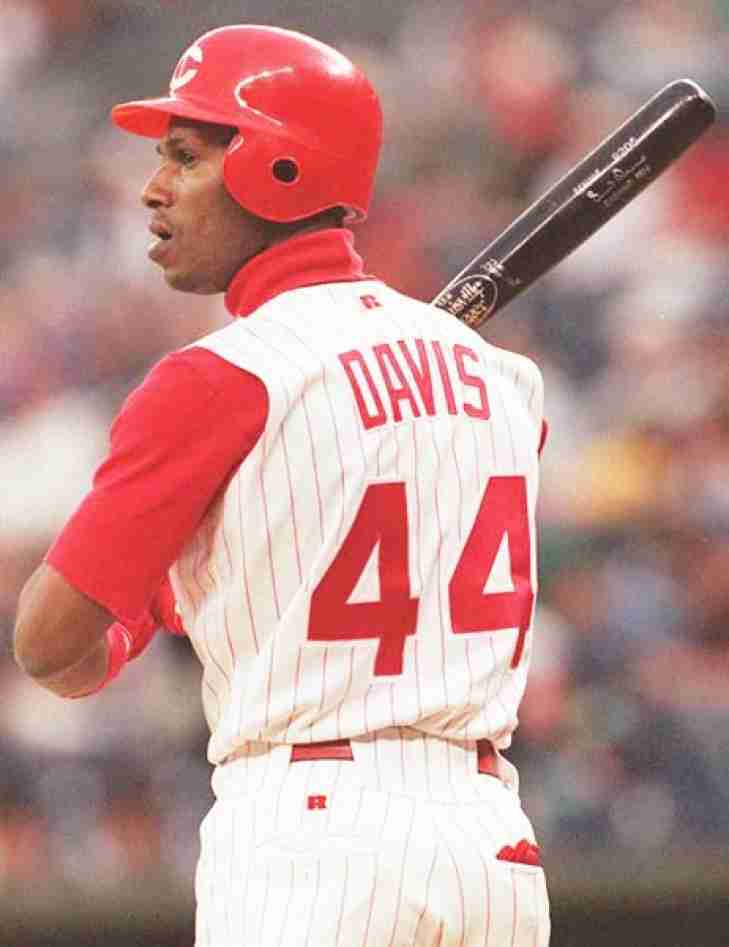
In 1984, Eric Davis arrived in the Cincinnati lineup and rapidly matured into a premier force in the National League. He emerged with a specialized, upright batting stance and hands that moved with terrifying quickness, embarking on a four-year stretch where he hammered at least 25 home runs annually. He was a model of explosive efficiency, most notably in 1987 when he authored a season for the ages, clubbing 37 home runs and swiping 50 bases. He wasn't just a power threat; he was a tactical nightmare for opposing batteries, proving that he could dismantle a team with his bat, his legs, or a towering leap at the wall.
The most impressive aspect of his tenure was the rare, high-stakes hardware he collected during his athletic prime. Davis was a master of the all-around game, securing two Silver Slugger Awards and three consecutive Gold Gloves between 1987 and 1989. While his defensive metrics fluctuated over the course of his stay, his ability to track down fly balls and take away home runs became a signature of the era. His craftsmanship was officially recognized with two All-Star selections, and he served as the primary engine for the 1990 "Wire-to-Wire" World Series champions, providing the veteran poise and power that anchored the middle of the order.
Davis remained a cornerstone of the franchise through the early 90s, navigating a series of injuries with a resilient spirit that made him a local immortal. Whether he was hitting a home run in his first World Series at-bat or diving to make a catch, he competed with a grace that few in the history of the game have ever matched.
After the 1991 season, Davis was traded to the Los Angeles Dodgers, though he would eventually return for a final emotional stint in 1996. He left the organization as a statistical titan, standing in the elite company of players who have recorded both 200 home runs and 250 stolen bases in a single uniform.
32. Johnny Vander Meer
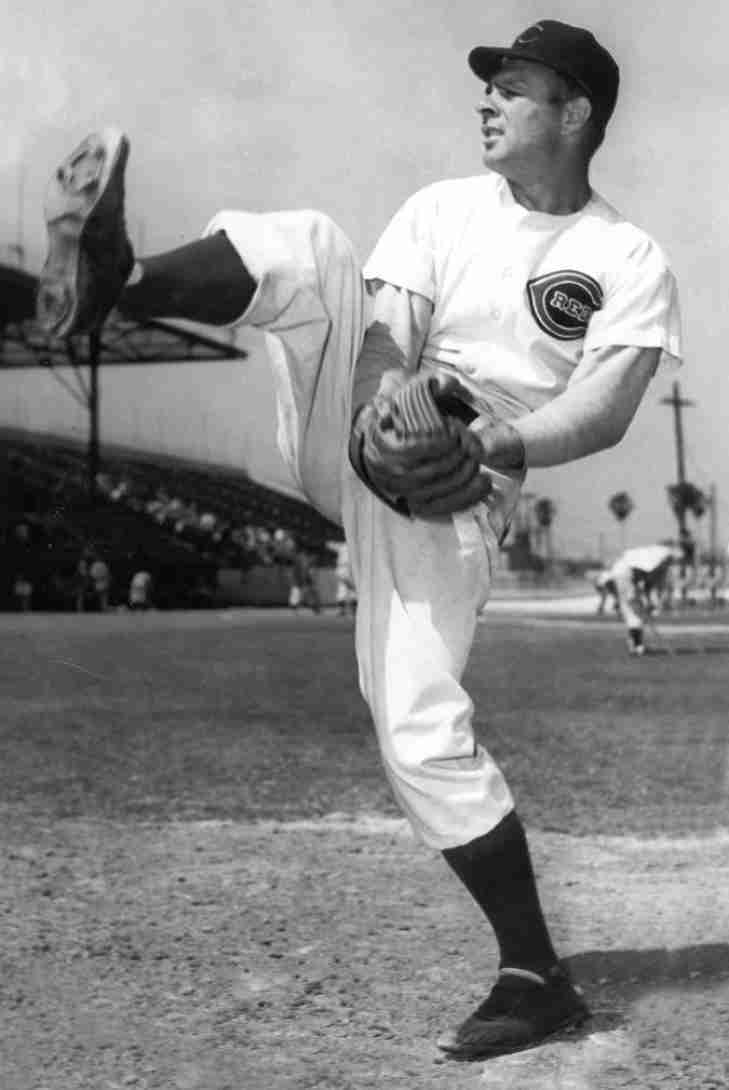
In 1938, Johnny Vander Meer accomplished a feat that may never be duplicated. He threw two consecutive no-hitters. Imagine that happening today? Neither can we.
25. Tony Mullane

Mullane arrived in Cincinnati as a seasoned veteran of the professional game and immediately matured into the centerpiece of the rotation. He was a pioneer in every sense, most famously for his ability to throw with either hand, a switch-pitching prowess that allowed him to alternate arms based on a hitter’s weakness or to combat the immense fatigue of the era. He emerged as a statistical titan from the moment he joined the club, using this tactical outlier to navigate a grueling schedule that would break most arms.
The absolute pinnacle of his effectiveness was reached in the late 1880s, a period when he served as an iron man for the franchise. Mullane was a master of endurance, spanning three seasons in which he surpassed 400 innings pitched, a workload that stands as a monument to his physical resilience. He wasn't just piling up innings; he was an efficiency machine who secured five separate 20-win campaigns and a pair of extraordinary 30-win seasons for the Reds. He possessed a rare blend of speed and deception that made him a perennial threat on the leaderboard and served as the high-stakes anchor for the Cincinnati staff during its formative years.
His identity was synonymous with a refined, "gentlemanly" persona that made him a massive draw at the gate, though he played with a fierce, competitive resolve that often put him at odds with management. Mullane was the tactical heartbeat of the team for nearly a decade, using his unique arm flexibility to remain a high-leverage producer even as the rules of the game evolved around him. Whether he was baffling a hitter with a left-handed curve or overpowering them with a right-handed heater, he competed with a professional poise that made him a local immortal.
The chapter concluded in 1893, when the veteran workhorse finally parted ways with the organization. He left the city as a statistical pillar and one of the most prolific winners in the history of the sport, having secured 163 of his 284 career victories in a Cincinnati uniform.
While his lack of a plaque in Cooperstown remains one of the great debates of the 19th-century game, his impact on the franchise was finally etched in stone a century later. In 2010, the organization provided the long-overdue punctuation on his legacy by inducting Tony Mullane into the Cincinnati Reds Hall of Fame.
24. Jim Maloney
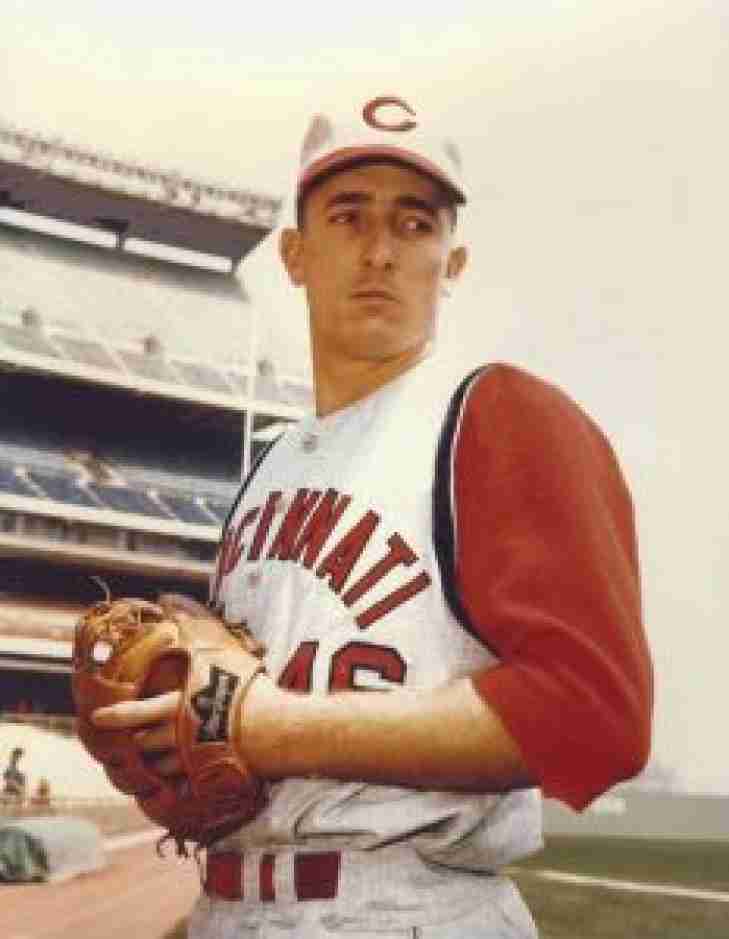
Maloney surfaced in the Queen City at the dawn of the 1960s and rapidly established himself as a premier power pitcher in the National League. He arrived with a blistering fastball that appeared to rise as it reached the plate, a gift he used to overwhelm hitters during a period when the league was transitioning toward a new level of athleticism. Between 1963 and 1966, he authored a sustained stretch of excellence, capturing back-to-back 20-win seasons and cementing his status as the tactical leader of the Cincinnati staff.
The absolute height of his dominance was on full display in 1965, a season that saw him reach the peak of his craft. That year, Maloney was a master of the high-stakes moment, famously throwing two no-hitters—including a legendary ten-inning masterpiece that, while technically unofficial by modern scoring rules, remains one of the most gritty performances ever seen on a mound. He earned his first All-Star selection that summer, but his value was far deeper than a single mid-season nod; he finished his stay in Cincinnati with 134 wins and a staggering 1,592 strikeouts.
In 1973, he became the lone inductee into the Cincinnati Reds Hall of Fame,