

46. Eddie Foster
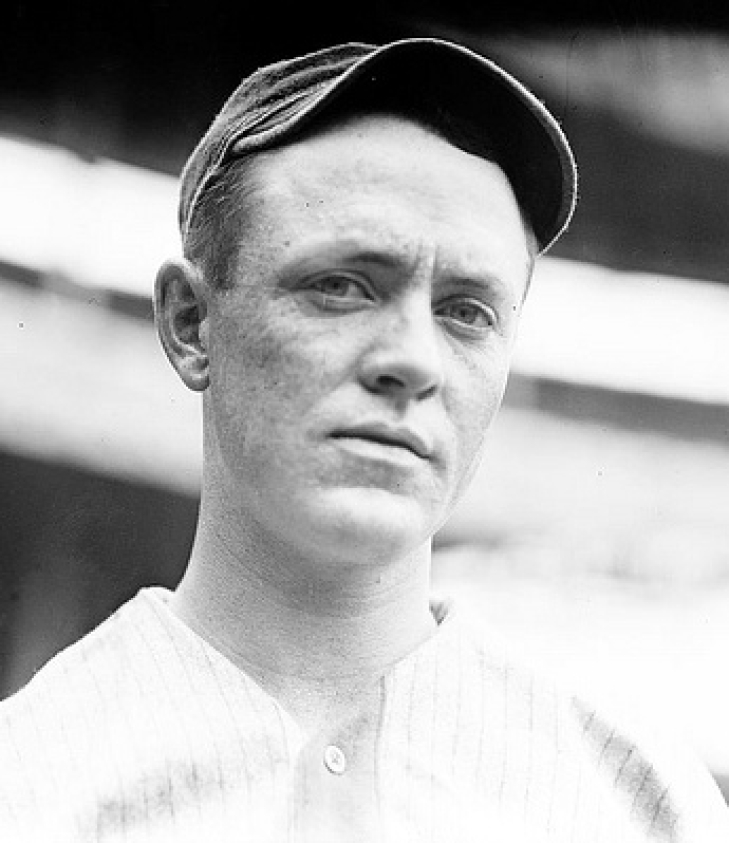
Eddie Foster arrived in Washington in 1912, after debuting briefly with the Yankees in 1910 and playing in the minors in 1911. The Senators acquired him before the 1912 season, boosting their offense.
Foster was a high-volume hitter, leading the American League in at-bats four times (1912, 1914, 1915, and 1918) as the team’s main table-setter. He lacked power but had great bat control and speed, stealing at least 20 bases in each of his first four seasons, totaling 1,177 hits with the Senators. Rival managers called him the top hit-and-run artist in the league.
Foster was lauded for his speed and defensive skills at third base. After arriving in Washington, he became a key infielder, especially for charging and fielding bunts, earning peer recognition with two top-15 AL MVP finishes (14th in 1912 and 7th in 1914).
Foster departed the Senators via a post-1919 season trade to the Red Sox.
239. Joe Judge
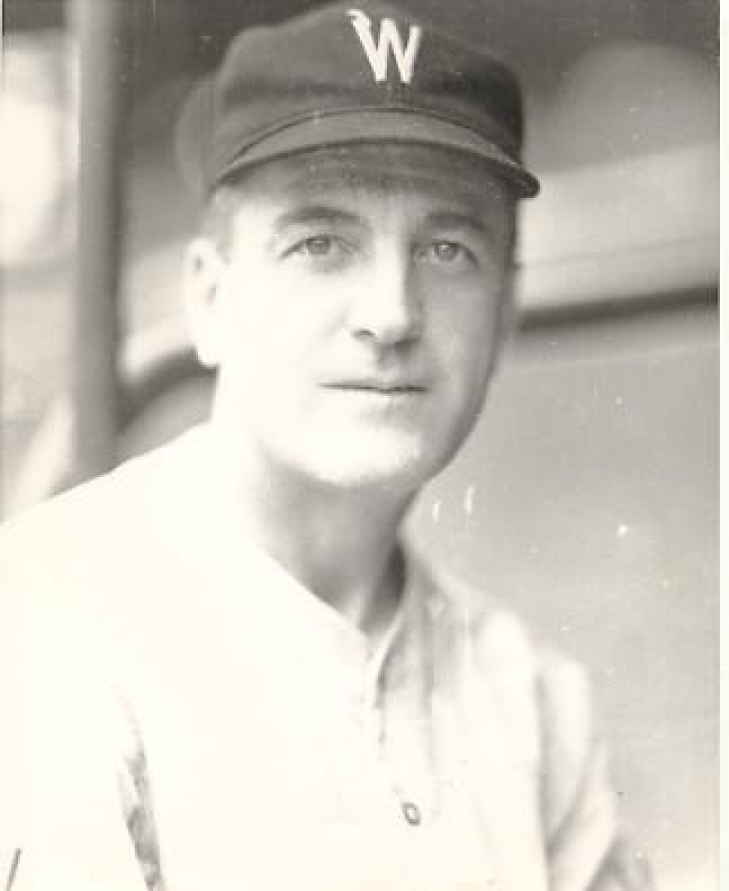
Joe Judge played the vast majority of his career with the Washington Senators, where he was one of the best First Baseman of the American League during his era.
Judge debuted for the Washington Senators in 1915, and two years later, he was cemented as the starter at First for the Sens. Judge would regularly collect Hits, and as a Senator, he had nine .300-plus seasons. The First Baseman helped lead Washington to their first World Series win in franchise history, and he would amass 2,352 Hits and a .298 Batting Average over his career.
190. Buddy Myer
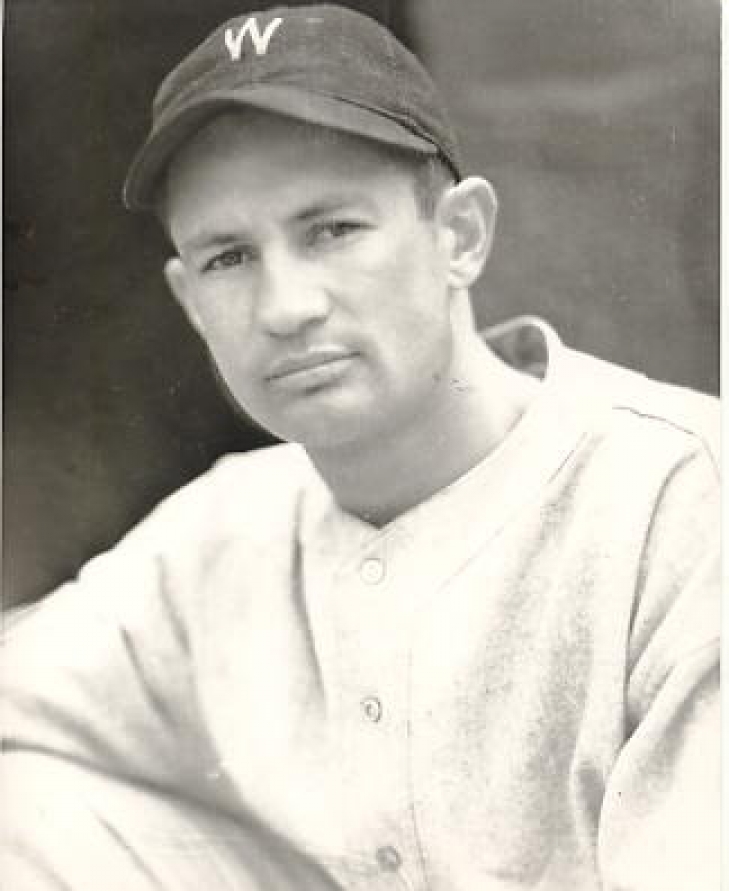
Buddy Myer was referred to as the "cocky little Second Baseman," though that was not meant as a compliment, and was usually used by opponents or opponents' fans after Myer did well.
According to his peers, Myer was one of those super-nice guys, but once on the field, he was one of the most tenacious players in diamond history. He first cracked the Majors with Washington in 1925, where, as a rookie, he was part of their American League pennant win. He would take over as their starting Shortstop the year after, batting .304, which would be the Infielder's first of eight .300 years. The Senators inexplicably traded Myer to Boston during the 1927 season, and in 1928, he led the AL in Stolen Bases. Washington reacquired Myer in the offseason, and they never let him go again.
Myer later helped the Senators win the Pennant in 1933, though they would lose to the New York Giants. It was a tumultuous year for Myer, who got involved in a bloody brawl with Ben Chapman, who made anti-Semitic remarks toward Myer. This was par for the course for Chapman, who later tormented Jackie Robinson with racial slurs when he was the Phillies Manager.
Myer would later go to two All-Star Games and win the Batting Title in 1935. That year, he finished fourth in MVP voting. Myer played until 1941 and left the game with 2,131 Hits and a lifetime Batting Average of .303.
147. Camilo Pascual
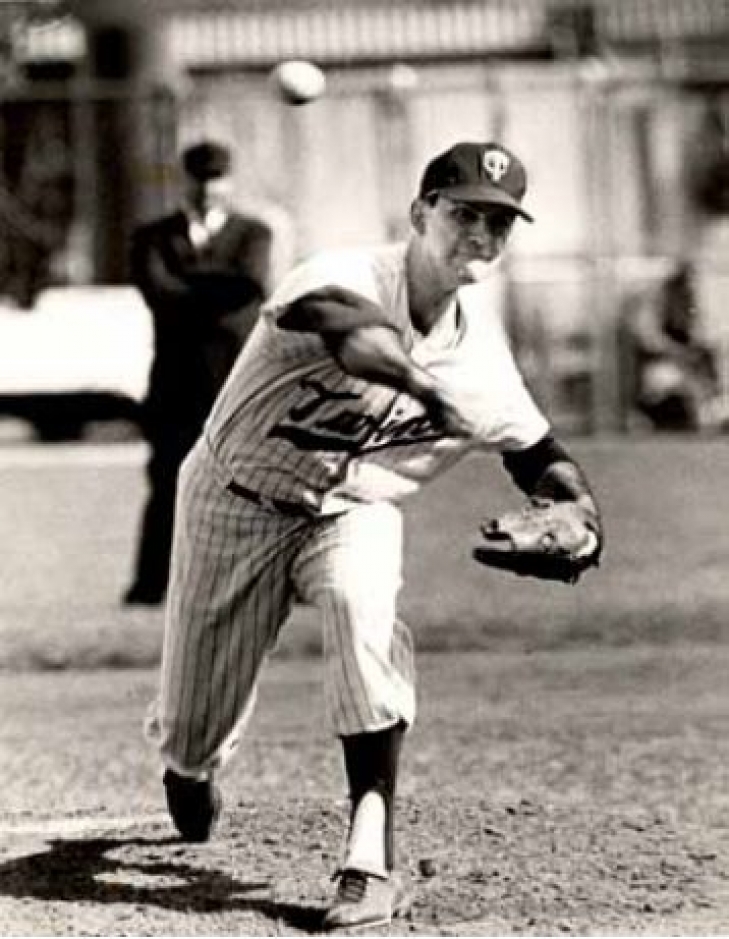
Camilo Pascual left Cuba in 1951 at the age of 17, and a year later, he was part of the Washington Senators’ farm system. Pasucal was impressive and made the Washington main roster in 1954.
Pascual was largely unimpressive in his first few years, but he came of age in 1959, when he went 17-10 and led the American League in Complete Games (17) and FIP (2.44). The Cuban was an All-Star for the first time and would be in four of the next five seasons.
The Senators relocated to Minnesota, becoming the Twins in 1961, and in the first three years of the franchise's relocation, he was the league-leader in Strikeouts. The Twins won the American League Pennant in 1965, of which Pascual was a part, but he was no longer the same Pitcher by this time.
He was traded back to the city of Washington and the new version of the Senators at the end of the 1966 season, and he had a pair of 12 Win years. He finished his career with Cincinnati, Los Angeles, and Cleveland, retiring in 1971 with a 174-170 record with 2,167 Strikeouts.
128. Firpo Marberry
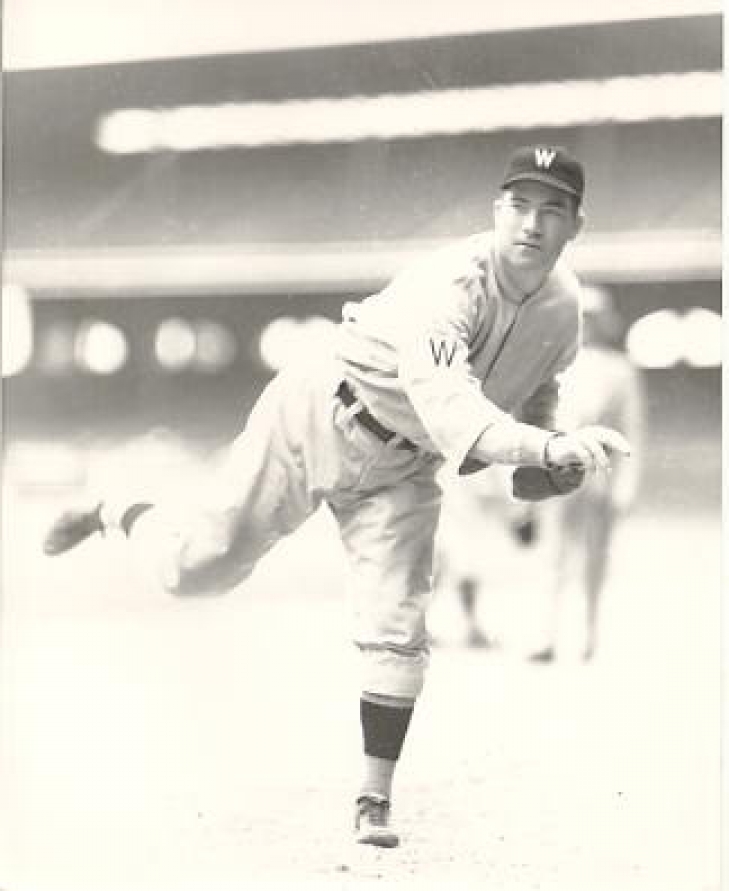
The quick synopsis of Fred “Firpo” Marberry is a Pitcher who was used in a way that was ahead of its time.
Marberry was one of the best hurlers of the 1920s, and the Washington Senators used him mostly as a reliever, making him one of the first players in baseball to be used in that capacity. Debuting in 1923, the following season, Marberry led the American League in Games Pitched (50), Games Finished (31), and Saves (15), and in the '24 World Series, he appeared in four games with a 0-1 record with a 1.13 ERA en route to the championship win over the New York Giants.
Over the rest of his run with Washington, Marberry repeated similar seasons, and he led the AL in Games Pitched five more times, Games Finished three more times, and Saves five more times. Marberry’s value to Washington was incalculable, and he set the template in which other relievers would follow.
Marberry would later have stints with the Detroit Tigers and New York Giants before finishing his career in a return to Washington. While his 99 career saves seem pedestrian today, he accomplished those over multi-inning appearances and was a closer before anyone knew what that meant.
183. Dutch Leonard
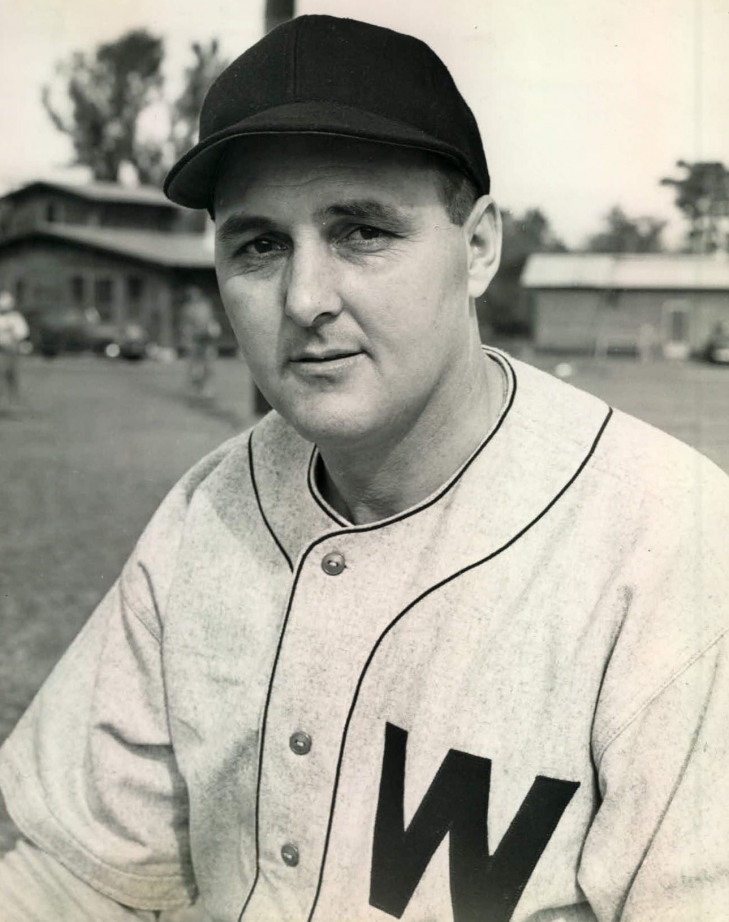
There were two Pitchers in baseball who were named Dutch Leonard. The first was Hubert “Dutch” Leonard, who was a lefthander who had a 139-113 record with two World Series Championships with the Boston Red Sox. The second was Emil John “Dutch” Leonard, a righthander who may not have had a World Series Ring, but had a much longer tenure and was one of the better knuckleballers in baseball history.
Leonard debuted in 1933 with the Brooklyn Dodgers, and while he had a decent 1934 (14-11, 3.28 ERA), he faltered and was back in the minors by 1936. The minors allowed him to perfect his knuckleball, and he was back in the Majors, this time with the Washington Senators, with whom he returned in 1938.
With the Senators, Leonard secured a 20 Win season (1939) and would go to three All-Star Games. He was in the top ten in bWAR for Pitchers and ERA four times with Washington. The knuckleballer was also first in WHIP (1938), and twice in BB/9 (1938 & 1943) as a Senator.
As is typical with many who mastered the knuckleball, Leonard played into his 40s. He was with Philadelphia for two years, and at the age of 40, he joined the Chicago Cubs, where he played five more seasons, including an All-Star season in 1951.
Leonard had 191 Wins against 181 Losses over his career.
171. Mickey Vernon
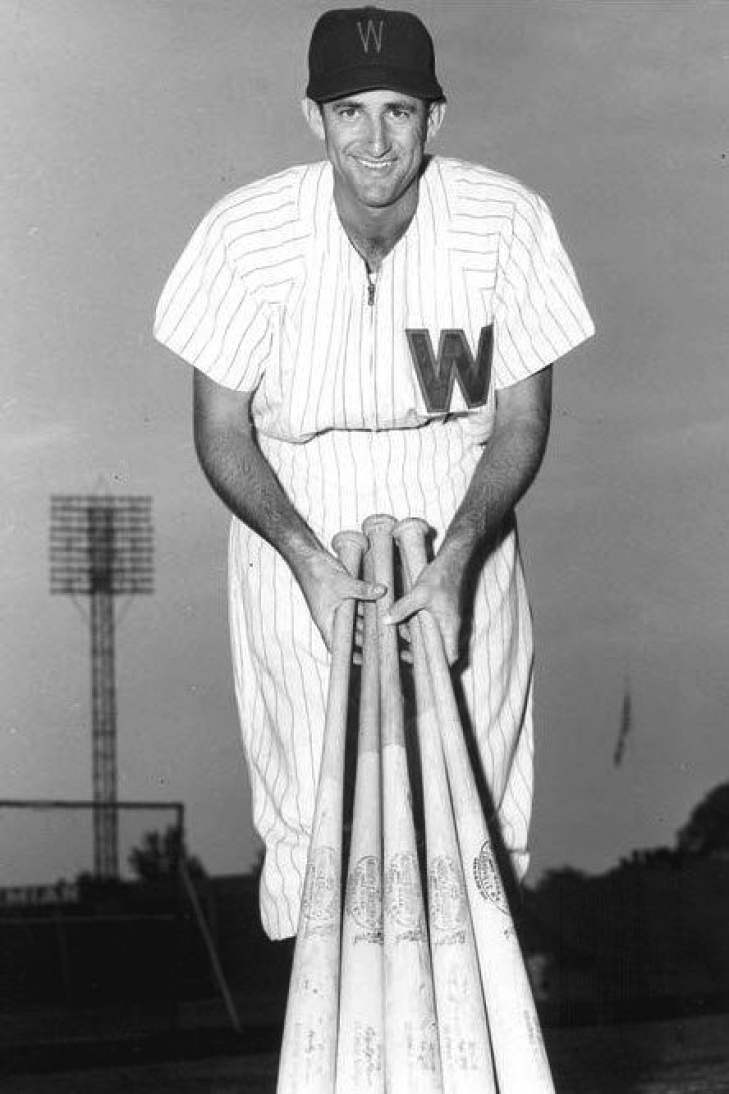
Mickey Vernon arrived in the Majors in 1939 with the Washington Senators, and he was entrenched as their starting First Baseman in 1941. Vernon would do well in the early 40s, with three straight 145-plus Hit seasons before World War II, and he would miss 1944 and 1945. When he returned, he would take his place in the upper tier of First Basemen.
The popular player would be named an All-Star in 1946, leading the American League in Doubles (51) and Batting Average (.353), and he would place fifth in MVP voting. Vernon was an All-Star again in 1948 and would join the Cleveland Indians for a year and a half before returning to Washington. The 1950s saw Vernon go to four consecutive All-Star Games (1953-056), and he won his second Batting Title in 1953. He also would top the leaderboard in Doubles in the AL in both '53 and 1954, both of which were top ten finishes in MVP voting.
Vernon would play two years with the Boston Red Sox (1956-57), another with Cleveland, and one more with the Milwaukee Braves.
In his final season in baseball (1960), he was a member of the Pittsburgh Pirates, who won the World Series. He didn’t play in that series, but it was a nice end to an excellent career that would see him accrue 2,495 Hits.
173. Bobo Newsom
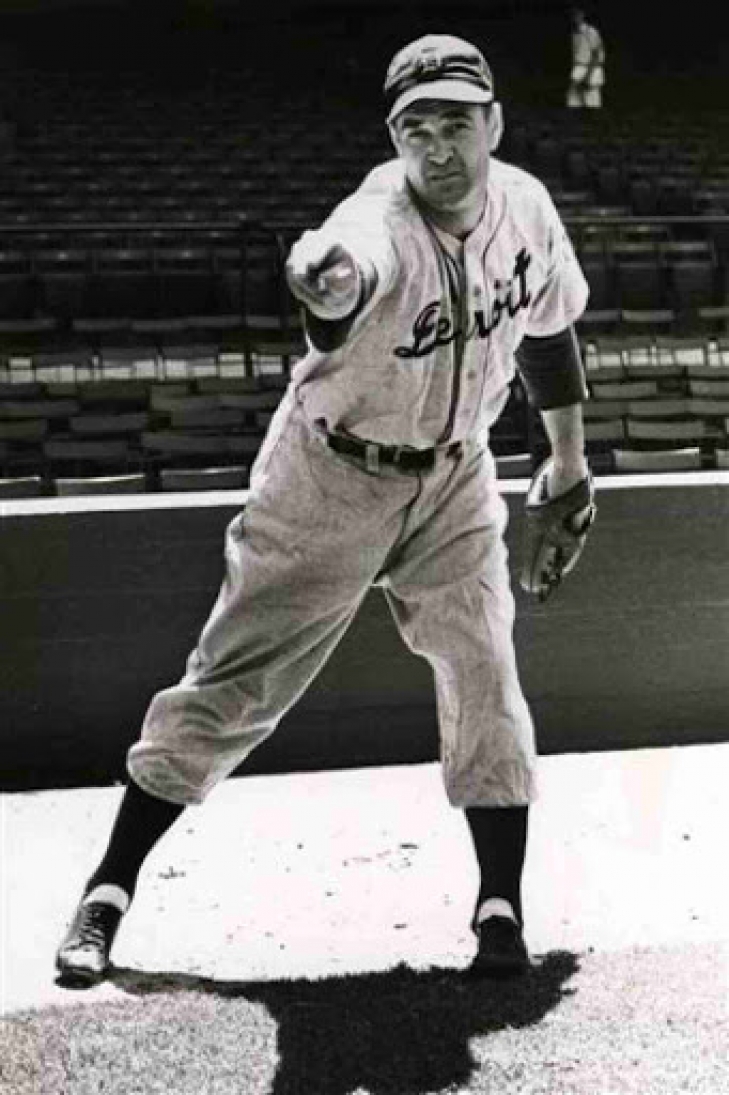
When you are named Bobo Newsom, you have to assume that the possessor is a colorful character. He was, but there was a period where Newsom was also an excellent Pitcher.
Looking at Newsom's career, the first thing you notice is that he had a losing record of 211-222 and led his league in losses four times. You also see that he was a vagabond pitcher who played for eight different teams, some of which he played for on multiple occasions. Yet, this is a guy who stuck around a lot and struck out a ton of batters, so the value of Newsom is definitely there.
On three occasions, Newsom was a 20 Game winner, and he was an All-Star in all of those years. Newson won the Strikeout Title in 1942 (113), and in the five seasons leading up to that, he was the runner-up. Newson would end up with a nice number of 2,082 Strikeouts over his career.
While Newson was not known for having a great ERA, he did have four top-ten finishes in that stat, and regarding overall efficiency, he also had six top-seven ranks in bWAR for Pitchers. Newsom also won a World Series Ring with the New York Yankees in 1947.
48. Tom Zachary
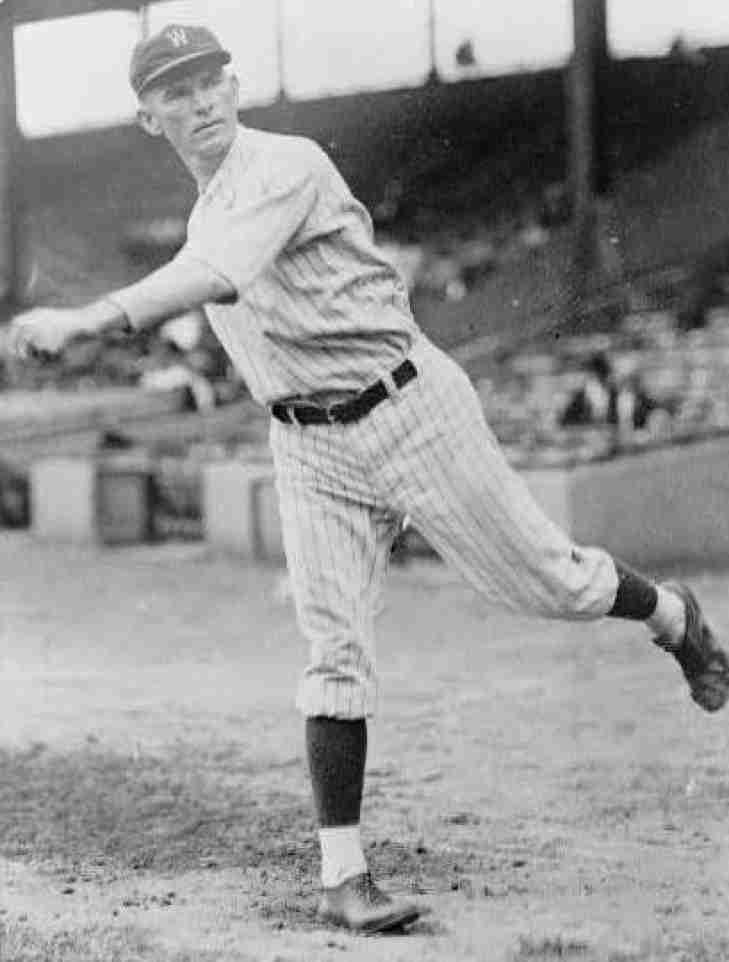
Tom Zachary joined the Washington organization in 1919 after a brief wartime debut with the Philadelphia Athletics under an assumed name to keep his amateur status. The left-handed control artist bypassed the minor leagues and joined the Senators directly. Over two stints, he became a key part of the rotation, facing top hitters with pinpoint accuracy and calm poise that outsmarted opponents.
During the early 1920s, he served as a workhorse for the rotation, posting four 15-win seasons (1920, 1921, 1922, 1924) and frequently crossing 200 innings. His control-first style peaked in the 1924 pennant race, going 15-9 and finishing second in AL ERA (2.76), behind teammate Walter Johnson, showcasing his run prevention.
Zachary cemented his place in franchise history with a stellar performance in the 1924 World Series against the New York Giants. He had a perfect 2-0 record in two Fall Classic starts, allowing just three earned runs over 17 innings. His postseason heroics helped Washington win its first World Series. Although his overall D.C. record was 96-104, often affected by poor run support, his 3.78 ERA as a Senator shows a decade of effectiveness.
37. George Case
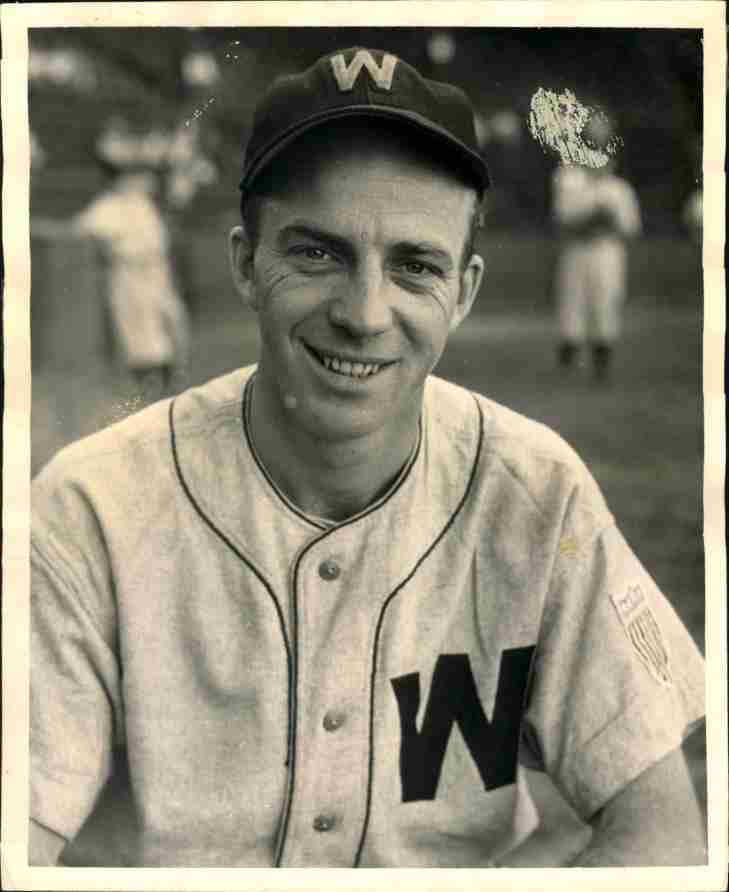
George Case burst into the Washington lineup in 1937, a fleet-footed outfielder who utilized game-breaking speed to become the most disruptive force in the American League. While the era was defined by lumbering power, Case operated as a high-velocity throwback to the "dead ball" style of play, weaponizing his legs to ignite the Senators' offense.
From 1939 to 1943, there was no doubt who the game’s best stealer was. During this high-voltage five-year stretch, Case reached a historic plateau by leading the American League in stolen bases five years in a row. Peaking at 61 in 1943, Case was a master at putting pressure on opposing batteries. He was a professional mainstay at the top of the order who authored four campaigns with over 100 runs scored,
He was selected for the All-Star team three times (1943, 1944, 1946) and recorded three seasons with a batting average over .300. In 1945, his role as a key hitter in the lineup reached a historic level, batting .294 and leading the league in stolen bases for the sixth time. That year marked the height of his MVP consideration, finishing ninth in the voting, and demonstrated how his high-energy style was crucial to a team that narrowly missed the pennant by one game. He was traded to Cleveland after the season, though he returned a year later for one final season.
Case collected 1,306 hits, 321 stolen bases, with a .288 batting average
45. Jim Shaw
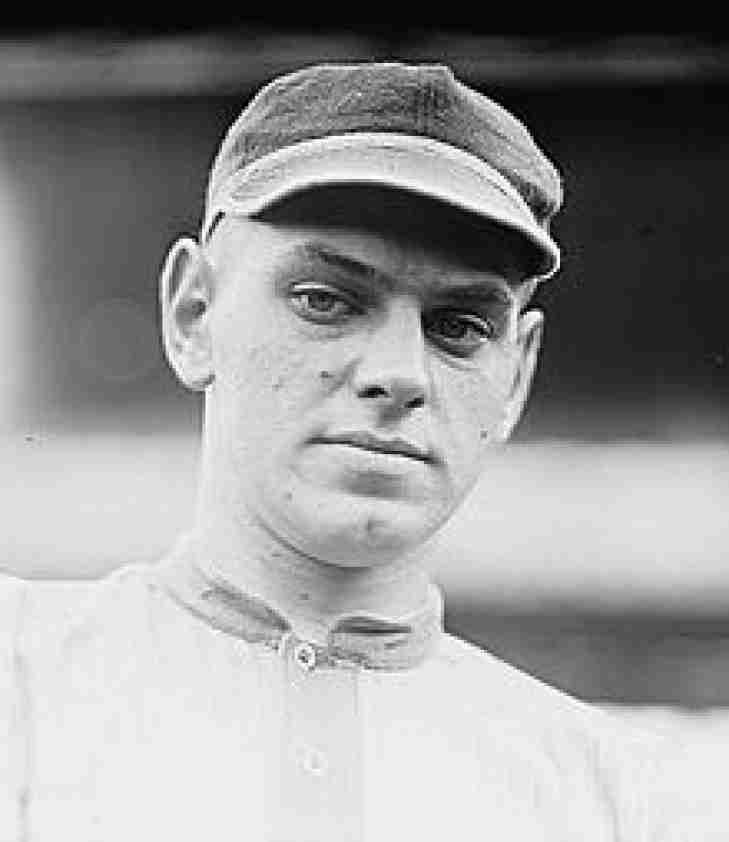
Jim Shaw debuted at National Park in 1913 as a durable right-hander who spent his entire nine-year MLB career with Washington. Playing under Walter Johnson's shadow, Shaw was a key workhorse for the Senators during the late dead-ball era. Although often under-supported, resulting in an 84-98 record, he was a highly effective frontline pitcher known for his heavy workload and intense style, earning respect across the American League.
Shaw’s tenure was marked by a max-effort style that gave him a distinctive reputation. He vocalized his exertion on the mound, earning the nickname "Grunting Jim" for groaning with each delivery. This high-intensity approach led to excellent results, with a fastball that ranked in the top ten in strikeouts in 1914, 1916, 1917, and 1919, confusing hitters with his velocity and volume.
In 1919, Shaw’s campaign was the main driver of Washington's rotation. He led the American League in innings(306.2) and starts (37), with 17 wins and a 2.64 ERA. A reliable mainstay, he provided depth, pitching over 240 innings in four seasons and proving he could handle a frontline role when needed.
Following the 1921 season, when arm fatigue began to take its toll, his nine-year run as a "Lifer" for the original franchise came to an end.
42. Roy Sievers
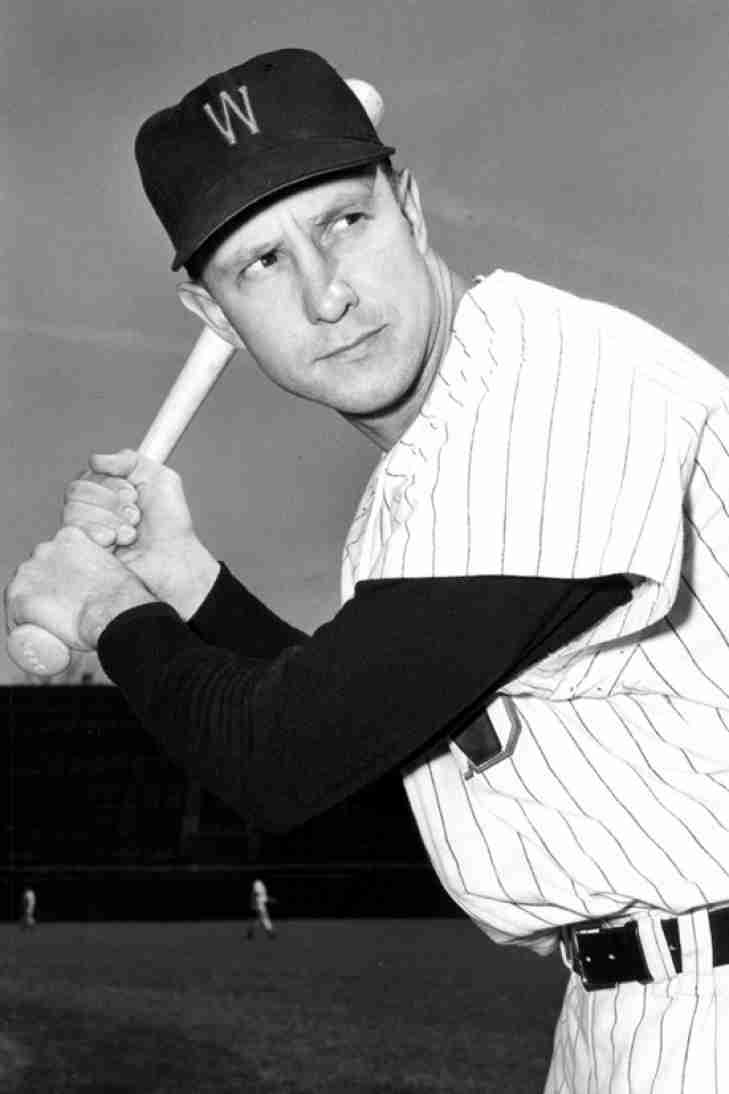
Roy Sievers arrived in Washington in February 1954 via a trade with the Baltimore Orioles, who had recently moved from St. Louis, in exchange for outfielder Gil Coan. The Orioles thought Sievers' arm was worn out after several injury-ridden seasons, but the change of environment turned out to be a pivotal moment in his career. Playing for the consistently struggling Senators during the 1950s, he became the team's main offensive weapon, competing with the league's top sluggers even though he spent half his games in the large Griffith Stadium.
Senators manager Bucky Harris inserted Sievers into the lineup despite his throwing limitations, and he responded by becoming a key power hitter in the team's middle order. He quickly established himself as a top power threat in the American League, recording five straight seasons with at least 95 RBIs and making the top five in home runs in the league three times.
In 1957, Sievers captured the American League Home Run title (42) and the RBI crown (114) while leading the league in total bases and extra-base hits. His ability to carry the Washington offense earned him a third-place finish in the AL MVP voting, trailing only Mickey Mantle and Ted Williams in one of the most competitive races of the decade. After the 1959 season, Sievers was dealt to the Chicago White Sox.
Throughout his six-season tenure with the original Senators, Sievers was named to three All-Star teams (1956, 1957, and 1959) and smashed 180 home runs alongside 823 hits.
41. George McBride
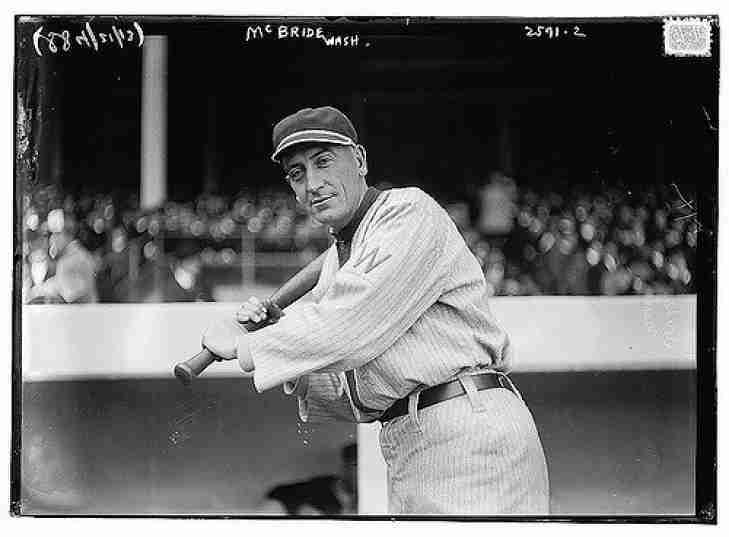
George McBride assumed the shortstop role in Washington in 1908, serving as a reliable player who spent over ten years anchoring the infield behind Walter Johnson. During an era characterized by rugged field conditions and a focus on small-ball, McBride was a top-tier defensive mainstay.
McBride's tenure was marked by a defensive run nearly historic in magnitude. Well before modern analytics could quantify it, he excelled on the field, leading the American League in Defensive bWAR four times. He recorded seven seasons with a Defensive bWAR over 2.0, including two outstanding seasons surpassing the 3.0 threshold. His positioning and range earned such respect that he remains 25th all-time in career Defensive bWAR in Major League history, a clear sign of a player who turned run prevention into an exact science.
Conversely, McBride was a non-threat at the plate. He was a textbook "good glove, no hit" player, never batting higher than .235 in any season during his entire time in Washington. Yet his defensive value was so immense that the league couldn't ignore him; he received MVP votes for four consecutive years from 1911 to 1914, peaking with a fourth-place finish in 1912.
McBride played less frequently from 1917 to 1920, playing in fewer than 20 games in the last three seasons. As a Senator, McBride compiled 1,114 hits, a .219 batting average, and an elite 23.3 Defensive bWAR.
27. Eddie Yost
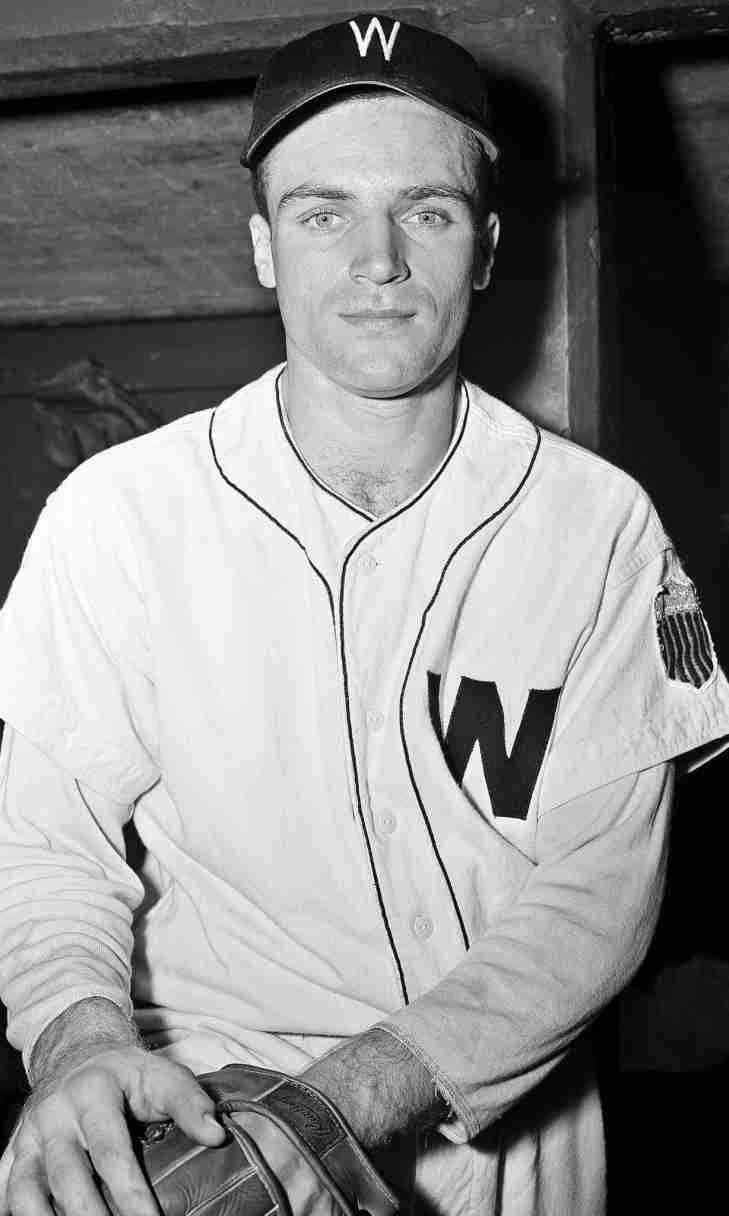
Eddie Yost first appeared in a Washington uniform in 1944 as a seventeen-year-old, a right-handed-hitting third baseman whose patient approach at the plate earned him the enduring title of "The Walking Man." While he lacked the high-voltage power of some of his contemporaries, he operated as one of the most disciplined hitters in the history of the sport.
Yost reached peak plate discipline during his Washington residency, leading the American League in walks four times (1950, 1952, 1953, 1956). He demonstrated complete strike zone control, surpassing 100 walks in eight seasons. Though he didn't win an OBP title until his Detroit tenure, he posted an OBP over .400 six times in D.C. During the 1950s, he was as reliable as it came, recording over 1,500 hits in a Senators uniform and serving as a steady-handed anchor at the hot corner.
Yost was traded to the Detroit Tigers after the 1958 season. Yost compiled 1,521 hits, 1,614 walks, 121 home runs, and a .394 on-base percentage in Washington.
26. Ossie Bluege
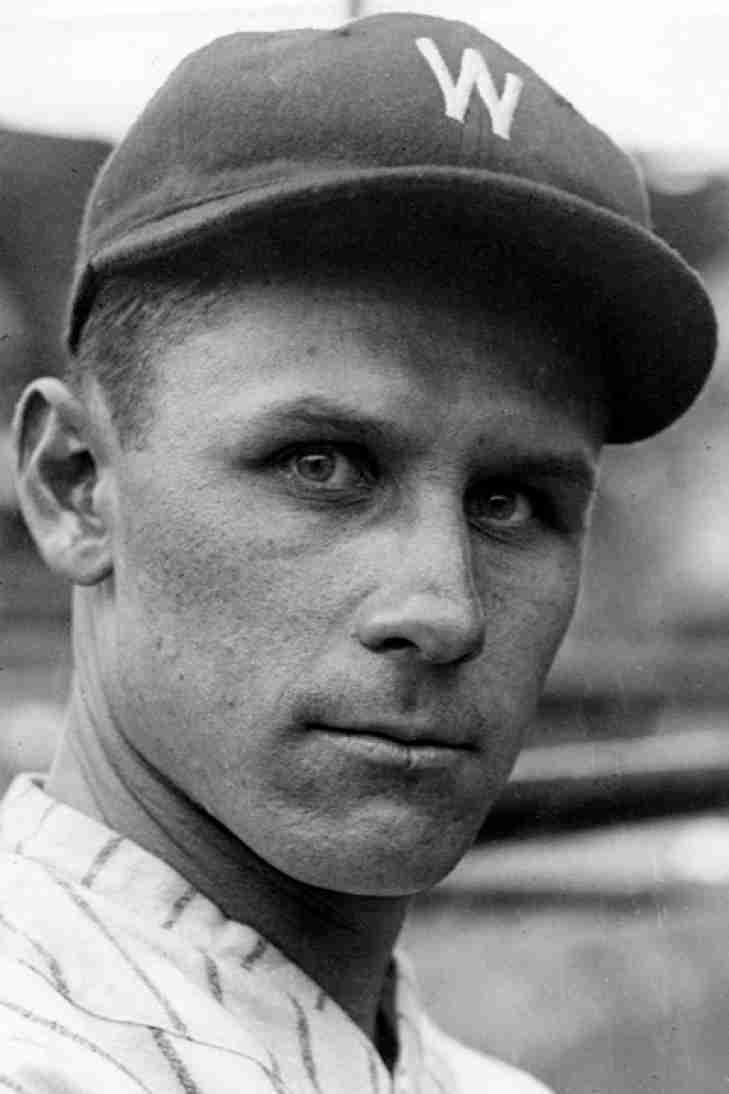
Ossie Bluege first stepped onto the Griffith Stadium diamond in 1922, a defensive wizard who would spend his entire eighteen-season playing career in the nation's capital. While he was never considered an elite offensive force, he provided steady, consistent play that resulted in 1,751 hits over nearly two decades. He was the premier defensive third baseman of his era, establishing a residency at the "hot corner" so dominant that he likely would have captured numerous Gold Gloves had the honor existed during his tenure.
Bluege was a key part of the 1924 World Series-winning team, offering strong defense and quiet leadership to secure the city’s only baseball title. He achieved durability, playing over 100 games in 13 seasons. Though valued for his defensive runs saved, he was also a consistent hitter, batting .272, showing his lineup presence was due to more than just his glove.
Bluege played with the team until 1939 before managing the Senators for five seasons, reaching a peak in 1945 with a second-place finish and an 87-67 record. His legacy also includes discovering and signing Harmon Killebrew as a scout and executive.
38. Heinie Manush
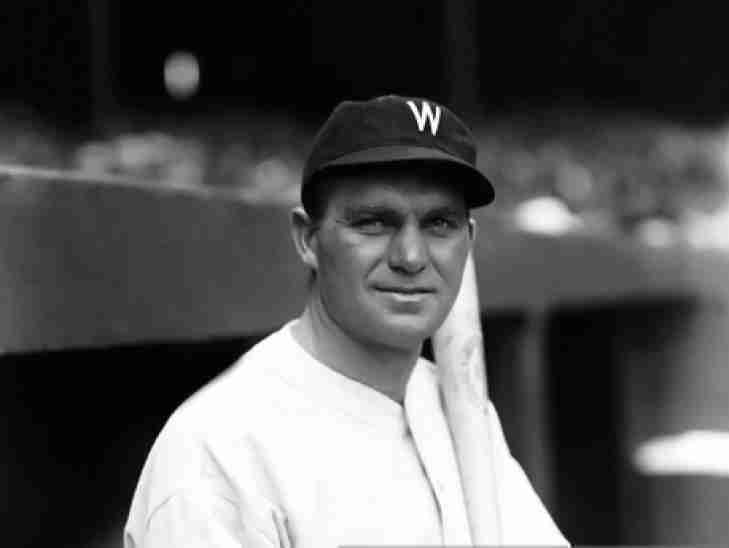
Heinie Manush joined the organization in June 1930 via a rare, high-leverage trade that saw the Senators send future Hall of Famer Goose Goslin to the St. Louis Browns in exchange for Manush and pitcher Alvin "General" Crowder. He arrived in the capital already recognized as one of the game's elite contact hitters, and he promptly occupied the peak of his fame as the offensive engine for the club.
Manush was a powerhouse player during the 1932 and 1933 seasons. He placed third in MVP voting for two consecutive years and consistently exploited gaps at Griffith Stadium, notably achieving a 33-game hitting streak in 1933. That year, he hit a historic peak by leading the American League in hits with 221 and triples with 17, delivering an outstanding season that helped Washington secure its last American League Pennant.
Although he never won a batting title while in the capital as he had in Detroit in 1026, Manush achieved a level of consistency that confirmed his status as an elite hitter. He finished in the top five of the batting race three times as a Senator, notably in 1933 when his .336 average was only behind Jimmie Foxx. He was a key part of the lineup facing the Giants in the 1933 World Series, but he became notorious in Game 4 when he was ejected for jokingly—and then forcefully—pulling on an umpire's bowtie.
His stay in D.C. ended in January 1936, when the Senators traded their star outfielder to the Red Sox in exchange for Roy Johnson and Carl Reynolds. His legacy was finalized in 1964 when he reached a new plateau of recognition as an inductee into the Baseball Hall of Fame.
Manush had 1,061 Hits with Washington with a .328 Batting Average.
33. Buddy Lewis
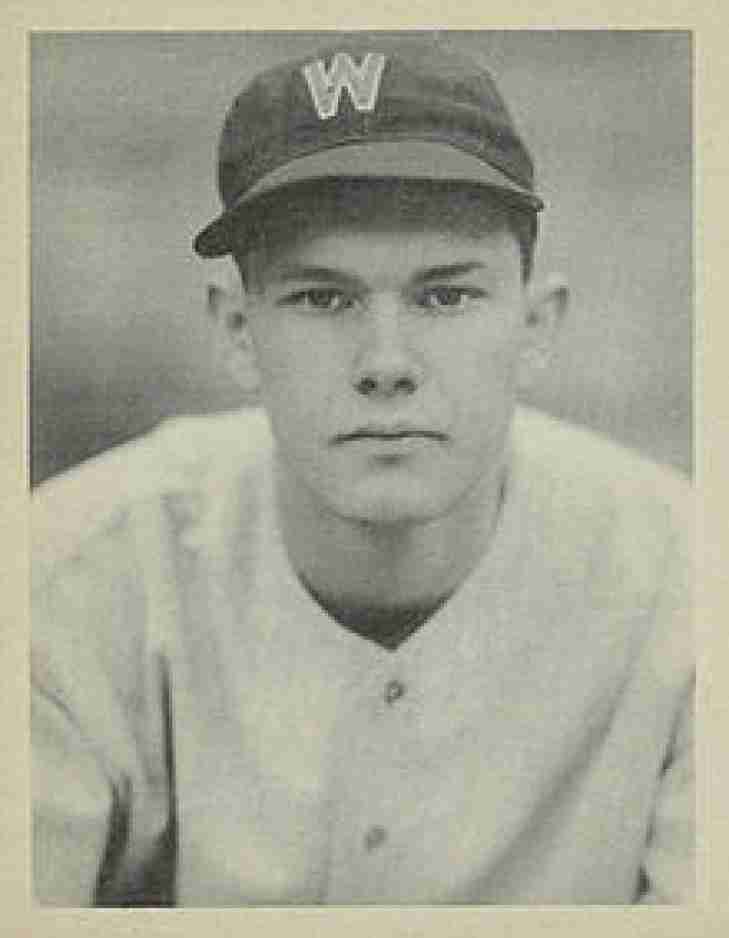
Buddy Lewis first took to the Griffith Stadium field in 1935 as a nineteen-year-old phenom, quickly cementing his reputation as a hitting powerhouse for the Senators. A versatile athlete, he played both the hot corner and the outfield, serving as the main driving force of Washington's offense in the late 1930s.
Lewis achieved six consecutive seasons with at least 160 hits at the start of his career, a remarkable streak that placed him second only to Ty Cobb for total hits by a player of that age. He was a consistent performer, participating in two All-Star Games (1938 and 1947), and consistently contributed at the top of the lineup, batting over .300 in four of his first six full seasons.
Similar to many athletes, Lewis experienced a three-year hiatus during what should have been his peak physical condition. As with numerous contemporaries, he discovered that this period away adversely affected his timing and agility. Upon his return to the Senators in 1945, he continued to contribute; however, he was no longer the statistical anomaly that had previously challenged Cobb's early-career records.
After a poor 1949 season, Lewis retired from baseball, leaving behind 1,563 hits with a .297 batting average.
36. Stan Spence
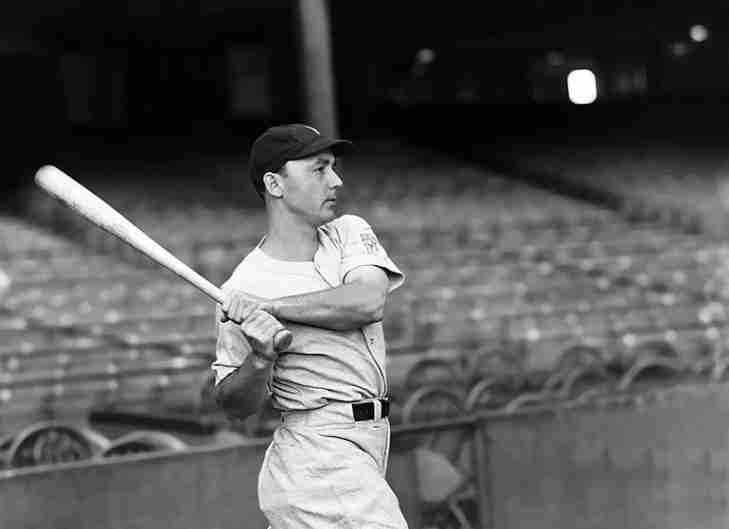
Stan Spence’s Washington tenure began with a December 1941 trade that brought him from the Boston Red Sox, along with pitcher Jack Wilson, in exchange for Ken Chase and Johnny Welaj. Blocked by stars like Ted Williams and Dom DiMaggio in Boston, Spence was viewed as an afterthought in the deal but immediately proved to be a foundational acquisition for the Senators.
Between 1942 and 1944, Spence was a key player, earning All-Star honors each season. He peaked in 1942 and 1944, finishing eighth in AL MVP voting. During this time, he excelled in contact hitting, batting over .300, and proved his value in center field was vital for the organization. Spence was away serving in the U.S. military in 1945, but returned to the Senators in 1946, regaining his form as a steady-handed contributor and earning his fourth All-Star selection in 1947. Throughout his time with the club, he accumulated 852 hits, maintaining a career batting average of .296.
Spence was traded to the Boston Red Sox after the 1947 season.
23. Cecil Travis
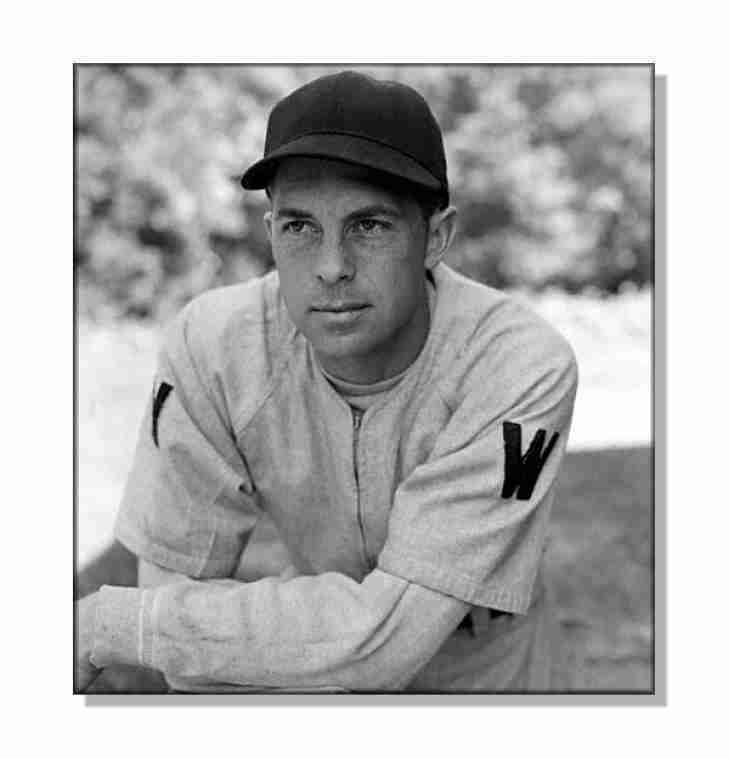
Cecil Travis first stepped onto the Griffith Stadium grass in May 1933, a nineteen-year-old left-handed-hitting shortstop whose pure contact ability suggested a trajectory toward the absolute summit of the game's greats. While he is often cited as one of the most significant "what-ifs" in baseball history because of his military service, he was a premier offensive force for the Senators throughout the 1930s.
In his 1933 debut, Travis authored a masterful introduction, recording five hits in his first game, a feat that signaled his status as an elite contact hitter. He remained a professional mainstay throughout the rest of the 1930s, proving that his specialized, spray-hitting approach was a cornerstone of the Washington offense. Between 1934 and 1940, he reached a peak of consistency, batting over .300 in six of those seven campaigns. During this peak, he showcased total command of the strike zone, famously recording more than 150 hits in five different seasons and earning his first All-Star selection in 1938.
Travis reached a new peak of individual recognition as he entered the 1941 season, authoring a masterpiece of a campaign in which he led the American League with 218 hits and a staggering .359 batting average. He finished sixth in the MVP voting and earned his third All-Star selection. He was a professional mainstay whose high-voltage production made him a giant among AL shortstops; however, the United States' entry into World War II changed everything.
While stationed in Europe during World War II, Travis suffered severe frostbite that necessitated a specialized operation to prevent the amputation of his feet. When he returned to the Senators in 1945, he reached a plateau of physical limitation; the high-velocity agility and timing that had defined his early career were gone. He fought to stay in the game as much as he could, but it was over after the 1947 campaign.
Still, his overall career saw him accumulate 1,544 hits, and he holds the distinction of having the highest career batting average among shortstops.
28. Dutch Leonard
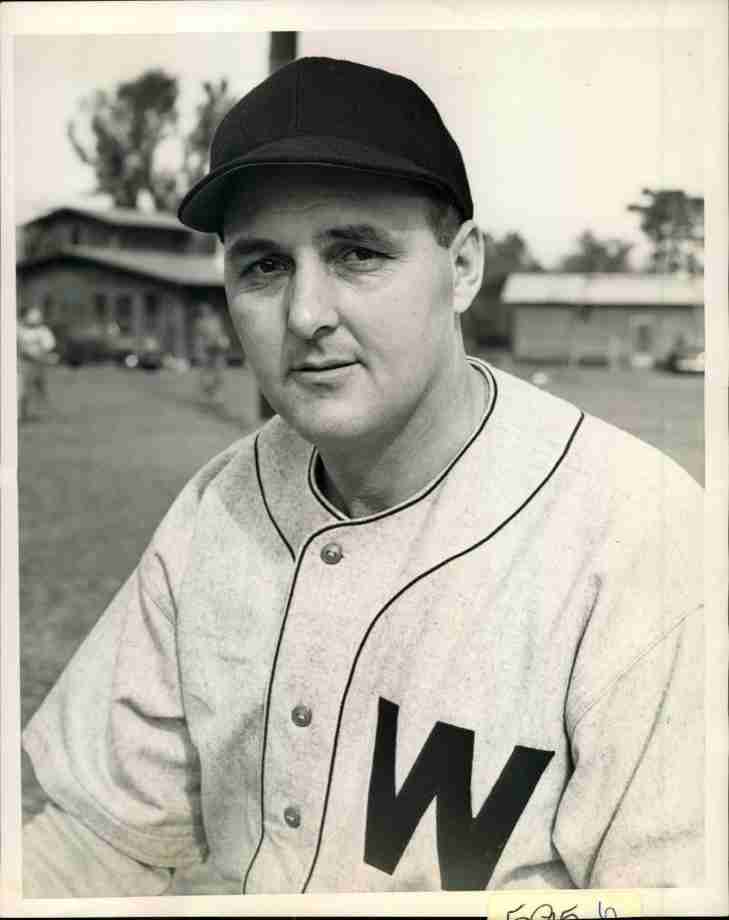
After four nondescript years in Brooklyn, Dutch Leonard arrived in the nation’s capital in 1938, bringing a fluttery, unpredictable knuckleball that haunted the nightmares of the league’s greatest hitters. While many who threw the "knuckler" struggled with its erratic nature, Leonard mastered the pitch with a surgical precision that defied the laws of physics.
Leonard’s tenure was marked by exceptional mastery of the strike zone, uncommon for a knuckleballer. He exemplified efficient pitching, leading the American League in BB/9 twice (1939, 1945). His peak was in 1944 when he led in WHIP (1.114). His restraint was best shown in 1945, when he led the AL in Strikeout-to-Walk ratio (2.41), impressive for a pitcher who rarely struck out many but refused to give free passes.
Leonard earned a reputation as a big-game craftsman, with three All-Star selections (1940, 1941, 1943) during his Washington career. Jackie Robinson praised his knuckleball as one of the most difficult pitches to handle, highlighting Leonard's ability to generate movement while pinpointing location. He was a key part of the 1945 staff that fell just one game short of a pennant.
Dutch Leonard’s tenure in Washington ended abruptly after the 1946 season. Despite being a key rotation player, a contract and role dispute led to his trade to the Phillies for infielder Merrill May in December 1946.
With the Senators, Leonard had a record of 118-101 with a 3.27 ERA.
