

The Top 50 Washington Nationals of All-Time are up

We have added another Top 50 list to one of the Big Four of North American Team sports.
50. Ken Singleton
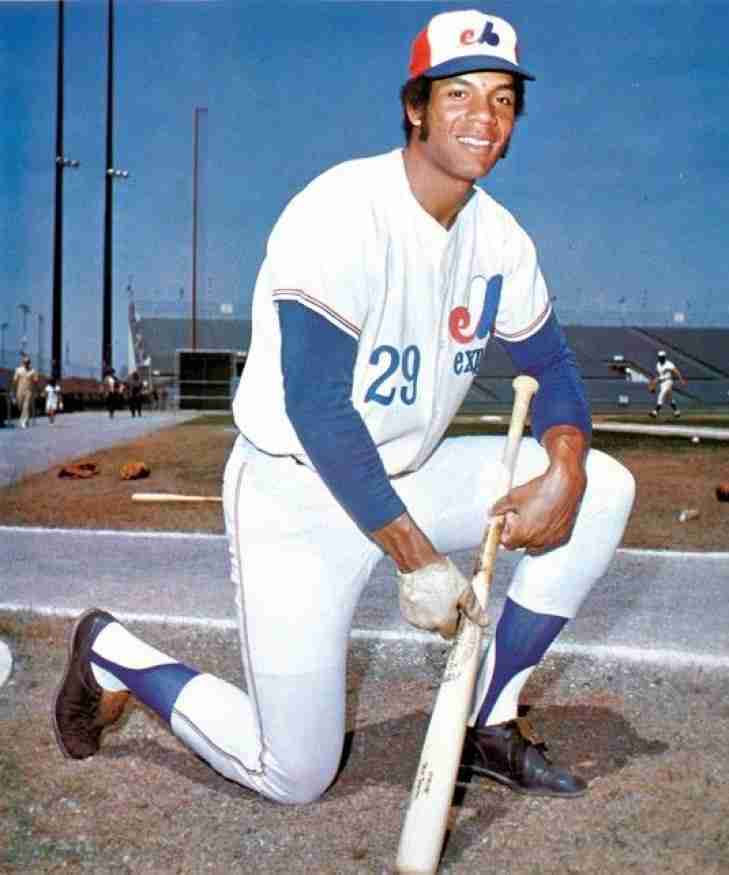
An elite switch-hitter can neutralize opposing pitchers’ strategies. In April 1972, when the Montreal Expos traded Rusty Staub to the New York Mets, they gained Ken Singleton, a tall 6-foot-4 batter recognized for his keen batting eye. Singleton's composed approach at the plate distinguished him in French Canada; he carefully avoided widening his strike zone, making walks a significant offensive advantage and achieving some of the best on-base statistics of the 1970s.
His 1972 introduction to the Jarry Park faithful showed his disciplined style, but it was his 1973 season that truly displayed his offensive skill. Singleton appeared in all 162 games, maintaining a precise and high-pressure hitting approach that overwhelmed National League pitchers. He achieved a .302 batting average, hit 23 home runs, and had 103 RBIs, setting a franchise record for RBIs in a single season that would stand for ten years.
That summer, his most notable trait was his exceptional command of the strike zone. Singleton issued an impressive 123 walks, leading the Major Leagues and achieving a remarkable .425 on-base percentage. This unique combination of patience and power helped the young Expos make their first serious run at a pennant, securing Singleton a deserving ninth-place spot in the National League MVP voting.
He followed this with another highly disciplined season in 1974, drawing 93 walks and maintaining a solid .385 on-base percentage despite a decline in his power numbers. However, with a significant shortage of starting pitchers, the small-market Expos leveraged his increasing value. In December 1974, Montreal traded Singleton and Mike Torrez to the Baltimore Orioles in a franchise-changing deal. While Singleton later gained national fame, three All-Star selections, and a World Series victory with Baltimore, his reputation as an elite on-base player was originally established with Montreal.
He had 449 hits, 69 doubles, 46 home runs, and 227 RBIs. With 286 walks and 274 strikeouts, he posted a .284/.392/424 slash line and a 127 OPS+.
49. Mike Lansing
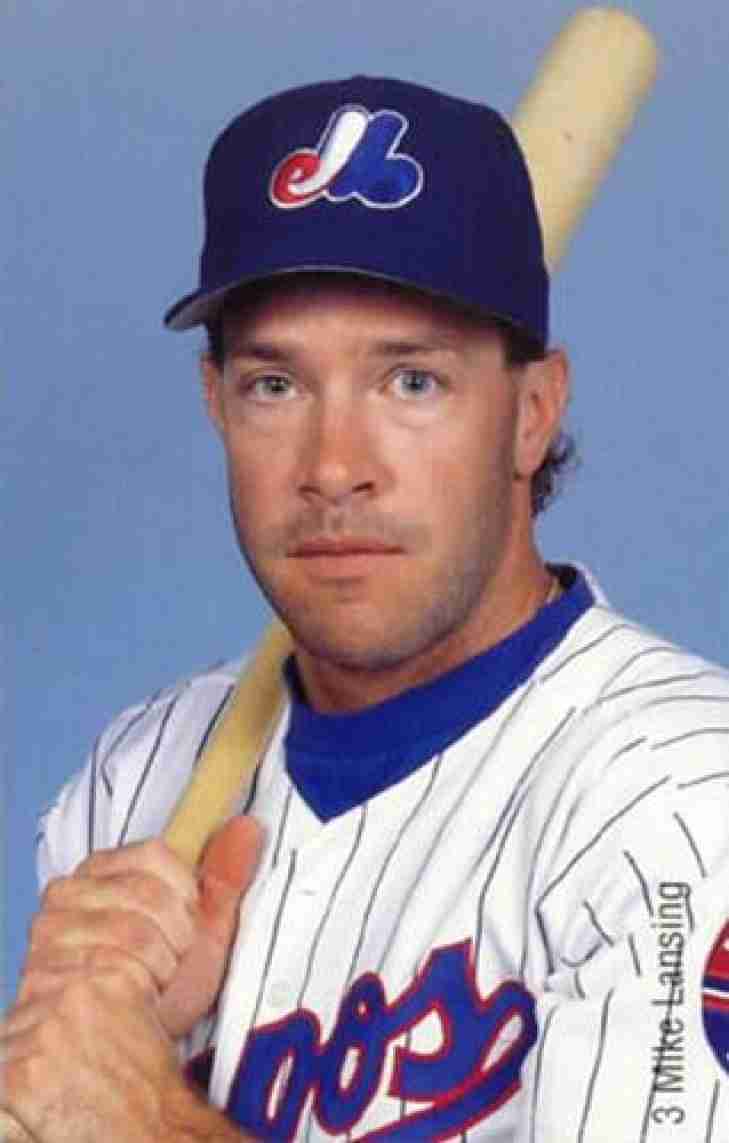
Uncovering a hidden talent in professional baseball often means searching beyond the usual areas. For Mike Lansing, the Montreal Expos discovered their long-term second baseman through an unexpected route. Originally drafted from Wichita State by the Miami Miracle, an independent minor league team, Lansing was later sold to Montreal in late 1991. Known as "The Laser" because of his quick reflexes and sharp line-drive swing, the dedicated infielder made his debut in 1993 and quickly secured the starting second base position, bringing a competitive edge to a talented young core.
His early years in Quebec featured consistent, line-drive hitting and dependable middle-infield defense. Lansing was a key part of the troubled 1994 team, offering consistent contact and speed near the bottom of the lineup while anchoring the infield with shortstop Wil Cordero. After a brief offensive decline in 1995, he bounced back to deliver a standout performance in the 1996 season. That summer, Lansing completely paralyzed National League pitching by racking up a career-high 183 hits across 159 games. He weaponized his gap-to-gap approach to lash 40 doubles, smash 11 home runs, and score 99 runs, all while batting a stellar .285 to keep the transitioning Expos right in the thick of a highly competitive wild-card chase.
After his breakout performance, he showcased his raw power again in 1997. Moving into a key spot in the middle of the lineup, Lansing hit .281 with a career-best 20 home runs and 70 RBIs. On May 7, 1997, against the San Francisco Giants, he made franchise history by becoming the first National League second baseman in over a hundred years to hit two home runs in one inning.
As was typical for Montreal baseball, individual excellence signaled a departure. With no money to re-sign him, the Expos traded the veteran second baseman to the Rockies in November 1997 in a deal that included minor leaguers like Jake Westbrook. Lansing later had productive years in Colorado, including hitting for the cycle in four innings.
As an Expo, Lansing had 702 hits, 147 doubles, 49 home runs, and 255 RBIs. He stole 79 bases and posted a .274/.322/410 slash line.
38. Larry Parrish
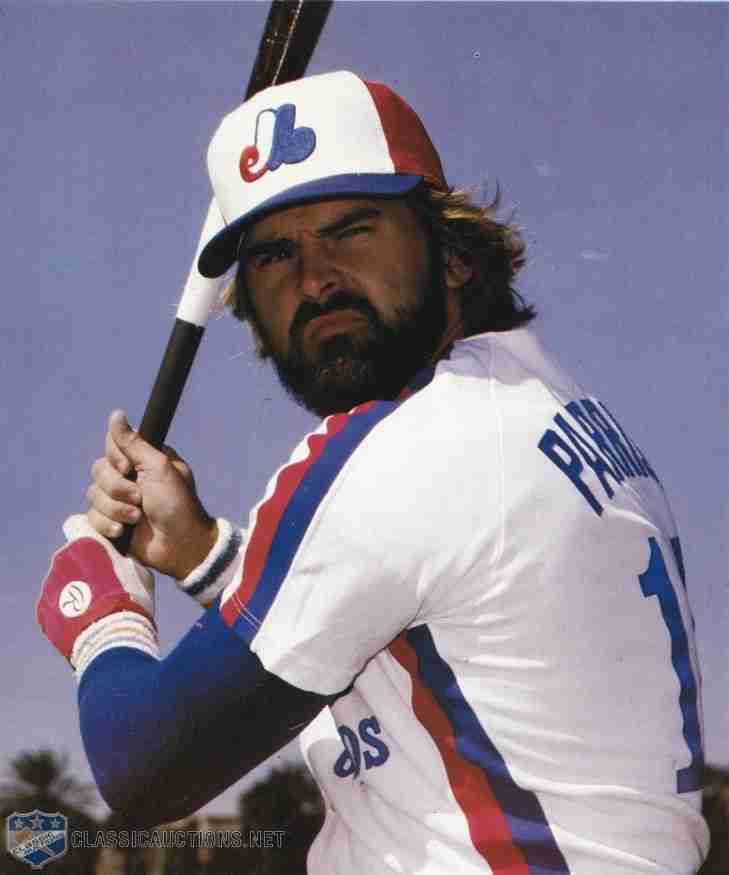
Larry Parrish's journey with Montreal is a tale of assertive authority dominating the hot corner amid high hopes in Quebec. Signed as an undrafted amateur free agent in 1972, this Florida native was a raw yet powerful athlete who rapidly developed in the minors. By 1975, he earned the regular third base position, showcasing a commanding physique and a forceful right-handed swing that embodied the tough, determined spirit of the emerging Expos team.
His initial seasons in Montreal were characterized by a strenuous combination of notable offensive potential and developmental challenges in the defensive aspect. Parrish was a prolific run scorer, yet his aggressive approach at third base initially resulted in a high number of errors. Nonetheless, he rapidly gained the admiration of fans, owing to some of the most remarkable individual game performances in the history of the franchise. Parrish continues to be the sole player in Expos history to hit three home runs in a single game on three distinct occasions, intimidating opposing pitchers with his swift and powerful batting stroke.
His standout achievement with the Expos occurred during the remarkable 1979 season. Parrish overwhelmed National League pitchers, hitting a career-best .307 with 39 doubles, 30 home runs, and 82 RBIs. He combined his power with a.551 slugging percentage and a .909 OPS, earning his first All-Star selection, the Expos Player of the Year award, and finishing fourth in the National League MVP race. His clutch performance helped lead a 95-win Montreal team that fought the Pirates until the final weekend.
Though injuries and a slight regression in his timing slowed his production over the next two years, his grit remained vital. During the strike-shortened 1981 season, he shrugged off a summer-long slump to emerge as the team's hottest hitter in September, driving in 25 runs down the stretch to propel the Expos to their first-ever postseason berth. As the front office planned for the future and aimed to integrate rookie Tim Wallach at third base, they capitalized on Parrish's trade value. In March 1982, Montreal traded him to the Texas Rangers in a significant deal for veteran outfielder Al Oliver.
With Montreal, he had 896 hits, 209 doubles, 24 triples, 100 home runs, and 444 RBIs, with a solid .263/.315/423 slash line and an above-average 106 OPS+.
47. John Wetteland
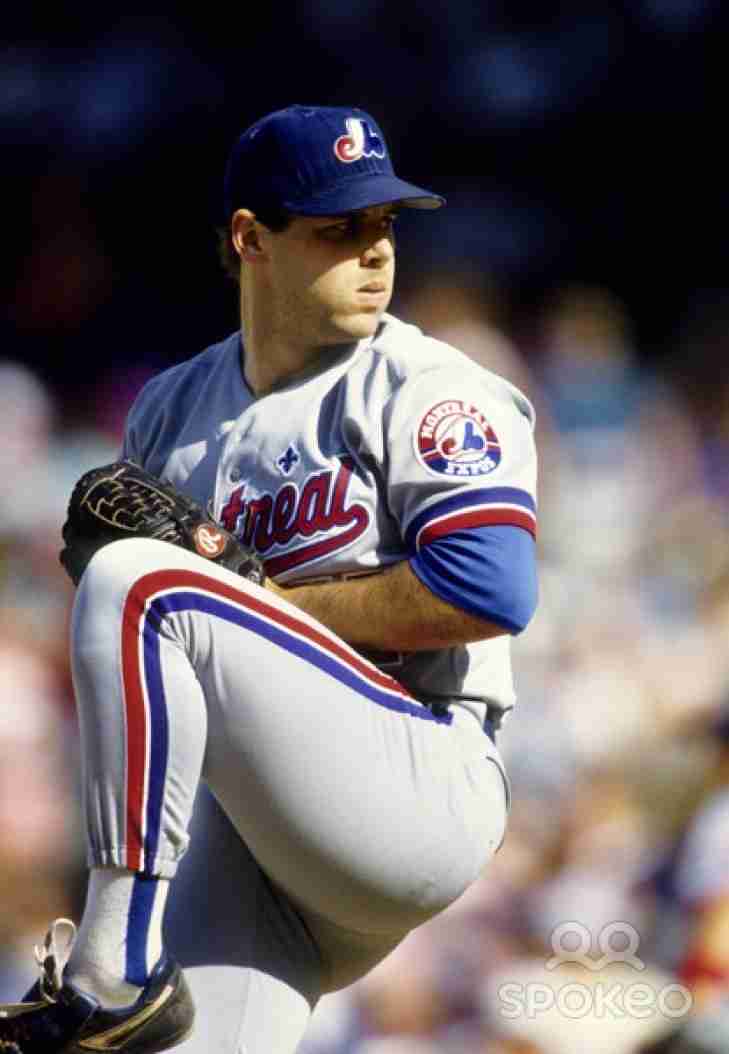
Great closers are characterized by their unwavering confidence when pitching, but John Wetteland brought an additional element of physical intimidation to the ninth inning. After joining the Montreal Expos from the Cincinnati Reds in December 1991, this broad-shouldered right-hander showcased a blazing fastball in the high-90s and a fierce competitive spirit. During a focused three-year period in French Canada, Wetteland evolved from a talented yet inconsistent young pitcher into one of the most dominant and feared closers in Major League Baseball, setting the benchmark for late-inning mastery.
His debut at the Stade Olympique bullpen in 1992 immediately highlighted his elite power pitching. Taking on the vacant closer role, Wetteland overwhelmed National League batters, earning 37 saves and striking out 99 batters in only 83.1 innings. His knack for consistently missing bats in crucial moments provided Montreal with a psychological advantage, making any late-inning lead nearly unassailable.
The following summer, he further honed his skills, delivering a standout performance during the 1993 season. With an impressive 1.37 ERA and a 1.012 WHIP, Wetteland used his power pitching to achieve a career-best 43 saves. He struck out 113 batters in 85.1 innings, with over 44% of his recorded outs coming from strikeouts.
In the 1994 season, he was a highly effective reliever, recording 25 saves for the Expos, who had the best record in baseball before the strike ended the season early. However, the financial consequences of the strike led Montreal to trade him to the New York Yankees in April 1995 to reduce payroll. Wetteland gained national fame with the Yankees, earning the 1996 World Series MVP and making three All-Star appearances with both the Yankees and Texas Rangers. Nonetheless, the core skills that defined his elite closing career were firmly established while he played in Canada.
Wetteland pitched in 189 relief Games, with a 17–13 record, 2.32 ERA, and 1.09 WHIP. Over 232.1 innings, he secured 105 saves, struck out 280 batters, and posted a 167 ERA+.
48. Pascual Perez
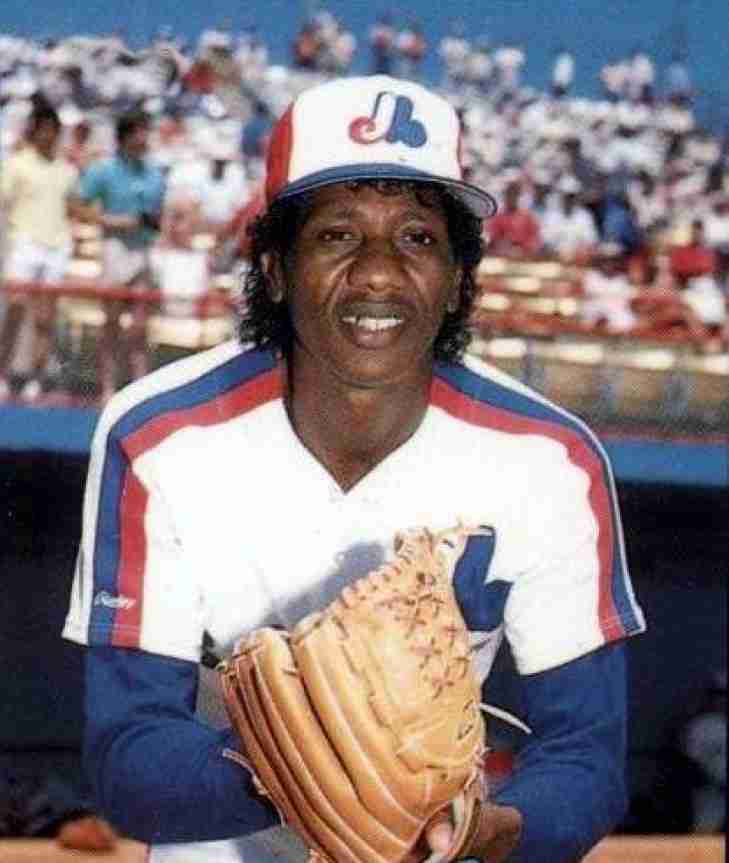
Few players in baseball history have ever matched the pure, theatrical charisma of Pascual Pérez, but underneath the eccentric mannerisms lay a profoundly sharp pitching mind. Signed by Montreal in August 1987 after a drug suspension and release by Atlanta had nearly derailed his career, the Dominican right-hander found a second home in Canada. Known to fans as "I-285" and famous for his flamboyant antics—including peeking through his legs to check runners, sprinting off the mound after strikeouts, and throwing a legendary "pascual ball" eephus pitch—Pérez completely reinvented his approach at Stade Olympique, morphing from a wild thrower into a command-oriented artist.
His late 1987 entrance was a crucial boost for the Expos during their intense pennant race. Over his last ten starts, he dominated Senior Circuit batters, going 7–0 with a tiny 2.30 ERA. His unwavering confidence on the mound captivated Toronto, showing that his time off hadn’t cooled his competitive spirit at all.
Pérez built on his remarkable introduction by crafting a standout season in 1988. Demonstrating exceptional control and mastery in run prevention, he finished with a 12–8 record and an impressive 2.44 ERA across 28 starts. That summer, he pitched four shutouts, including a rain-shortened five-inning no-hitter, but his most defining trait was his extraordinary efficiency, leading the National League with a tiny 0.941 WHIP.
He maintained this exceptional performance into the 1989 season. Despite the Expos' often limited run support, Pérez continued to be a top starter, using his deceptive pitching to overpower batters. He ended the year with a 9–13 record but a strong 3.31 ERA, and led the National League with an outstanding 4.13 strikeouts per walk ratio, issuing only 31 walks over 198.1 innings.
As his contract ended after the 1989 season, the veteran right-hander took advantage of his strong performance in Montreal by securing a lucrative free-agent contract with the New York Yankees. Despite shoulder problems and later suspensions that greatly reduced his playing opportunities in the American League, his three summers wearing the tri-color cap represented the pinnacle of his career.
With the Expos, Pérez appeared in 66 games (all starts), posting a 28–21 record, 2.80 ERA, 1.05 WHIP over 469.1 innings. He had 13 complete games, four shutouts, and 335 strikeouts with 93 walks, resulting in a 131 ERA+.
44. Ken Hill
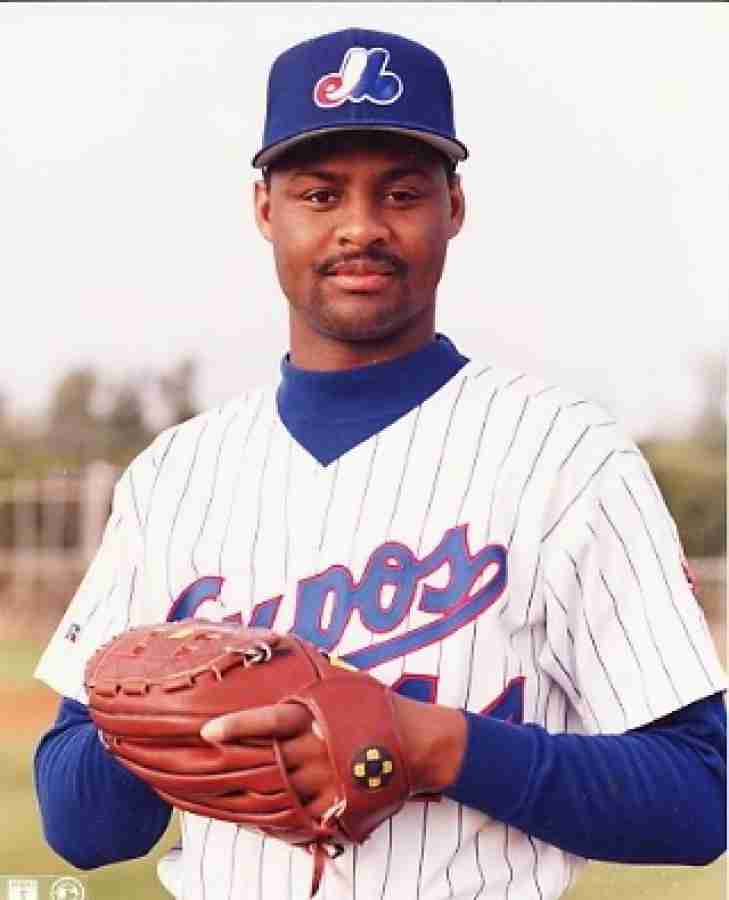
To understand the sheer dominance of the Montreal Expos in the early 1990s, one need only look at the trade that brought Ken Hill to Quebec. In November 1991, the Expos sent budding star Andrés Galarraga to St. Louis in exchange for Hill. While losing "The Big Cat" was a tough pill for local fans to swallow, Hill immediately sweetened the deal by transforming into the unquestioned, high-velocity ace of a pitching staff that would soon capture the imagination of the baseball world.
His arrival in Montreal in 1992 represented an exemplary demonstration of leadership in frontline rotation. Equipped with a powerful, sinking fastball and an assertive approach, Hill effectively dominated National League hitters during his debut season, recording a 16–9 win-loss record, an impressive 2.68 ERA, and pitching 218 innings. He provided the Expos with a genuine top-of-the-rotation pitcher capable of outperforming any ace in the Senior Circuit, thereby immediately substantiating Montreal's claim for NL East dominance.
Despite some challenges with run support in his 1993 campaign, Hill delivered his greatest career achievement during the notable 1994 season. Playing with relentless intensity and high-leverage pitching, he led the league with a 16–5 record and maintained a 3.32 ERA across 154.2 innings. He topped the National League in wins, earned his first All-Star selection, and finished second to Greg Maddux for the NL Cy Young Award. His consistent mound presence was key to Montreal's impressive 74–40 record before a strike interrupted their pursuit of a world championship.
Sadly, the financial fallout of that strike meant the small-market Expos had to let Hill go, trading him back to the St. Louis Cardinals in April 1995 just as the season resumed. Hill would later be traded to Cleveland that summer, helping guide them to the 1995 World Series, and enjoyed a highly successful 14-year major league odyssey.
Hill appeared in 91 games (all starts), with a 41–21 record, 3.04 ERA, 1.20 WHIP over 581.1 innings. He had eight complete games, four shutouts, 377 strikeouts, and a 127 ERA+.
40. Hubie Brooks
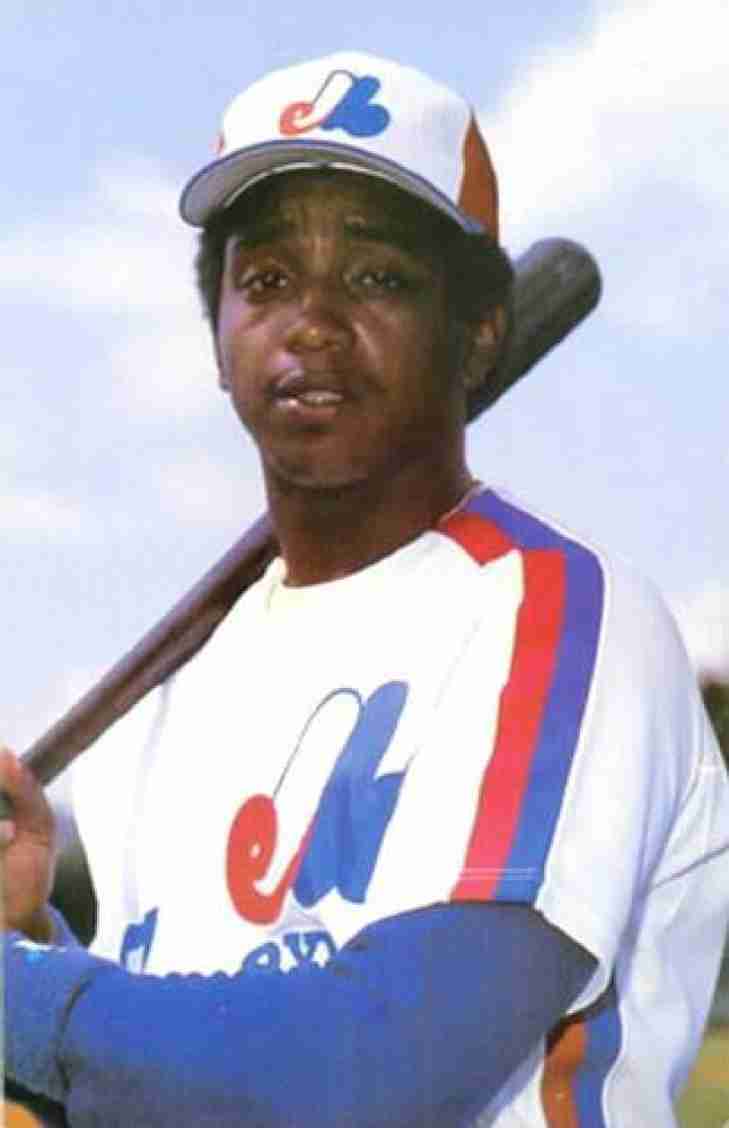
When the Montreal Expos traded franchise icon Gary Carter to the New York Mets in December 1984, it caused a significant public relations setback. To soothe an angry fan base, new players had to make an immediate impact. Although no player could replace "The Kid," Hubie Brooks arrived in Quebec and quickly became the offensive catalyst for the post-Carter era. Originally a natural third baseman with the Mets, Brooks generously moved to shortstop in Montreal, developing into one of the top middle infielders for producing runs in the league.
His debut before the Stade Olympique crowd showcased exceptional offensive versatility. Brooks dominated National League pitchers in his first 1985 season, hitting .269 with 34 doubles, 13 home runs, and a career-best 100 RBIs. His clutch performance at the plate earned him his first Silver Slugger Award, demonstrating his ability to perform under the pressure of stepping into a legendary player's role in the middle of the lineup.
He maintained his elite offensive gear through that summer. In 1986, Brooks elevated his performance, hitting a career-high .340 with 14 home runs and 58 RBIs in just 80 games before a torn thumb ligament ended his season early. Despite the injury, his outstanding performance earned him his first All-Star selection and a second Silver Slugger Award in a row. Recovered and healthy in 1987, he made another All-Star appearance and drove in 72 runs, helping Montreal stay competitive in the exciting NL East race.
As years went by, playing shortstop on Montreal's tough turf took a toll, leading him to move to right field and third base. His defensive range was often limited and criticized, but his consistent, respected bat remained strong. After 1989, as the Expos focused on youth, Brooks left in free agency to rejoin the Mets, leaving a legacy of powerful middle-infield performance.
As an Expo, Brooks compiled 689 hits, 128 doubles, 75 home runs, and 390 RBIs. While generating a solid .272/.314/.418 slash line.
42. Tim Burke
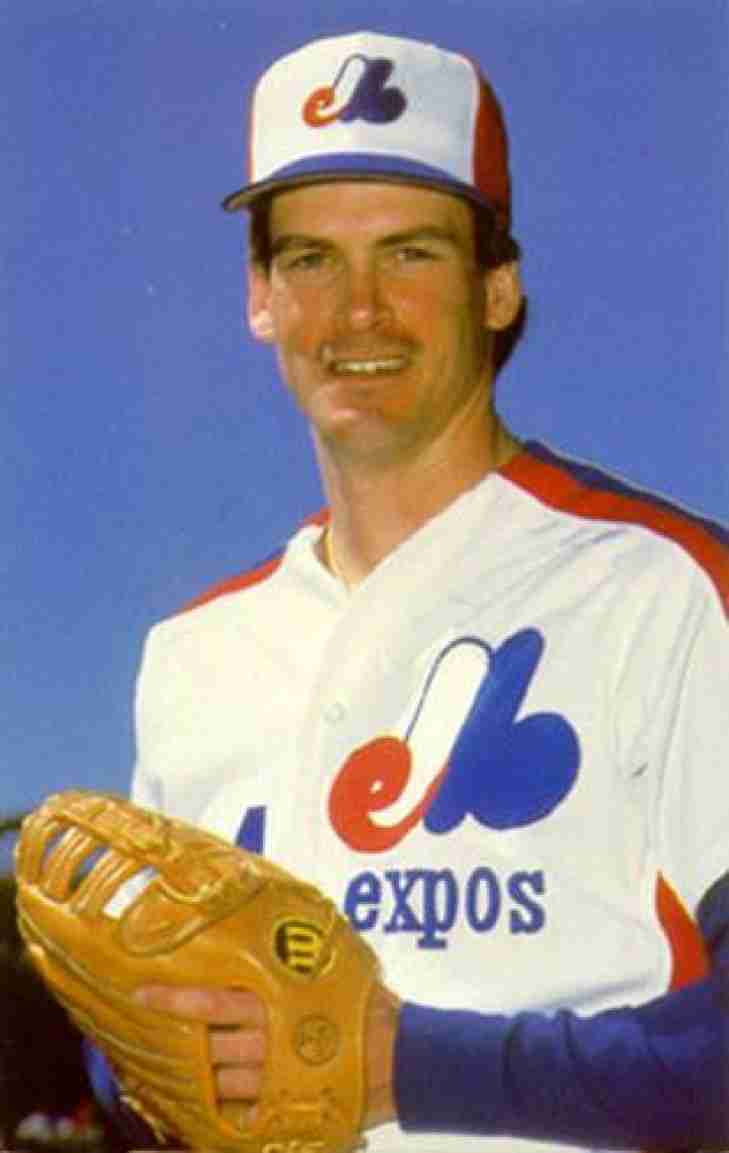
Before the rise of highly specialized, one-inning bullpen specialists, relief pitchers in Major League Baseball needed a rare combination of durability and versatility. In Montreal, Tim Burke exemplified that adaptability. Acquired from the Texas Rangers organization in late 1982, this right-hander spent seven seasons as a key figure in the Expos’ bullpen. With a strong sinking fastball and remarkable lateral movement, Burke was capable of calming fires in the sixth inning or closing out games in the ninth with equal effectiveness.
Burke's 1985 debut showcased remarkable rookie quick adaptation. Instead of being sheltered in low-pressure roles, he was instantly activated as the team's top multi-inning reliever. His performance overwhelmed National League hitters, leading the Senior Circuit with 78 appearances and pitching an impressive 120.1 innings in relief. He finished with a 9–4 record, a tight 2.39 ERA, and eight saves, making him one of the most successful and heavily utilized rookies in the majors that summer.
Although Burke’s rookie workload was heavy enough to challenge anyone less durable, he stayed remarkably resilient, acting as the key setup man for closer Jeff Reardon. After Reardon's departure, Burke smoothly took over as the main closer, delivering an outstanding season in 1989. That year, he excelled with a career-best 28 saves, a 2.55 ERA, and a 1.063 WHIP across 84.1 innings. His performance earned him his first and only All-Star selection while helping a competitive Expos team.
By the early 1990s, the heavy mileage from his relentless use began to catch up to him. Seeking to capitalize on his value before his efficiency dipped further, Montreal traded the veteran closer to the New York Mets in mid-1991. Although he would finish his career with brief stints in New York and with the Yankees, his peak as an elite late-innings weapon was undeniably achieved in the tri-color cap of the Expos.
With Montreal, Burke played in 425 relief games, posting a 32–31 record with a 2.71 ERA, 1.15 WHIP, 101 saves, and 343 strikeouts over 600.2 innings, achieving a 137 ERA+.
46. Nick Johnson
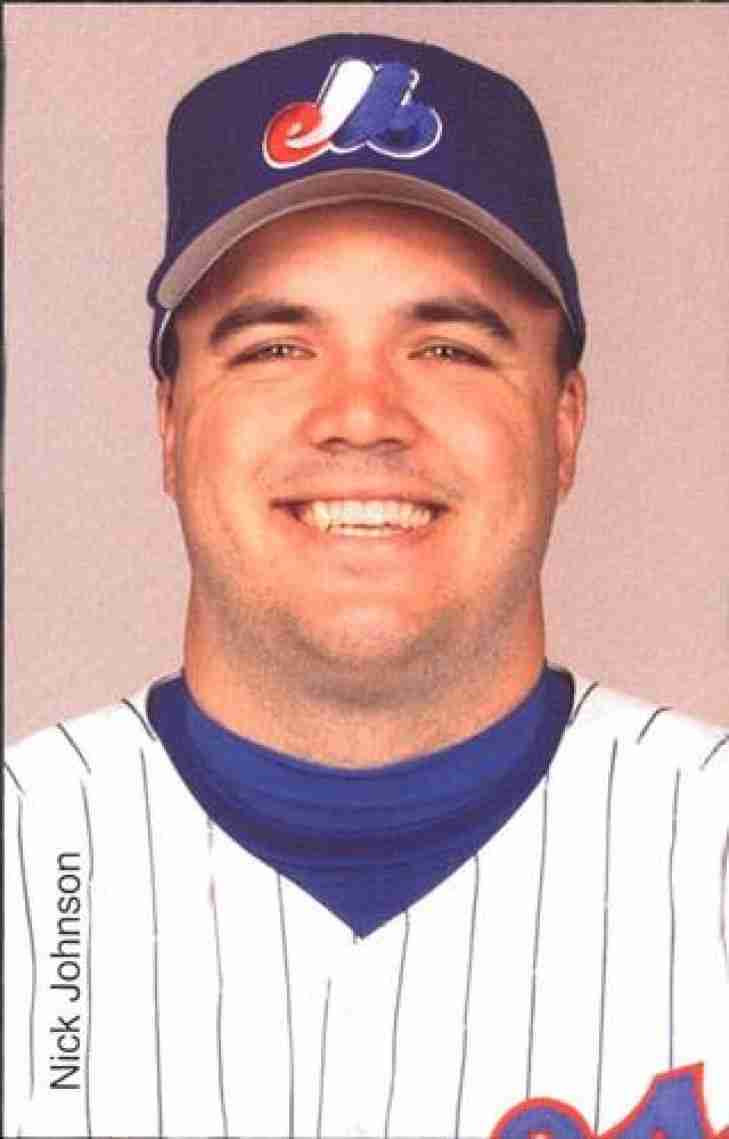
Evaluating the career of Nick Johnson is an exercise in appreciating pure, mathematical plate discipline operating under a constant state of physical siege. Drafted by the Yankees and traded to Montreal prior to the 2004 season, the left-handed first baseman was a master of the strike zone. He did not merely possess a good eye; he treated walk-to-strikeout ratios with the precise focus of an accountant. Yet, his body was frustratingly fragile, acting as a magnet for freak injuries—including a cheekbone fracture in 2004 and a horrific broken leg in late 2006—that repeatedly fractured his timeline just as he was reaching peak efficiency.
Even with those physical hurdles, including a missed 2007 campaign, Johnson was a hitting revelation when he was on the field.
Johnson’s debut 2005 season in Washington—the franchise’s first in the District—highlighted his distinctive skills. He posted a solid .289 batting average, hitting 35 doubles and 15 home runs over 131 games. His impressive 80 walks led to a strong .408 on-base percentage, setting a benchmark for the evolving lineup. His ability to challenge pitchers every at-bat and his high-pressure presence quickly made him a fan favorite at RFK Stadium.
The 2006 season was Johnson's pinnacle achievement. In a career-high 147 games, he overwhelmed National League pitchers with his elite offensive performance. He hit .290, set a personal best with 23 home runs, and collected 46 doubles. His standout feature was his exceptional plate discipline: drawing 110 walks while striking out only 99 times, leading to a remarkable .428 on-base percentage and a .948 OPS.
On September 23, 2006, a serious outfield collision resulted in a fractured femur, causing him to miss all of the 2007 season and permanently altering his athletic performance. When he returned in 2008 and 2009, the effects of his injuries showed in reduced power, but his well-known eye for the game remained sharp. He continued to post on-base percentages above .400 with Washington before being traded to Florida in July 2009.
With the Expos/Nationals, Johnson had 467 hits, 121 doubles, 56 home runs, and 248 RBIs. He drew 326 walks and struck out 335, with a .282/.403/462 line (131 OPS+).
34. Bill Gullickson
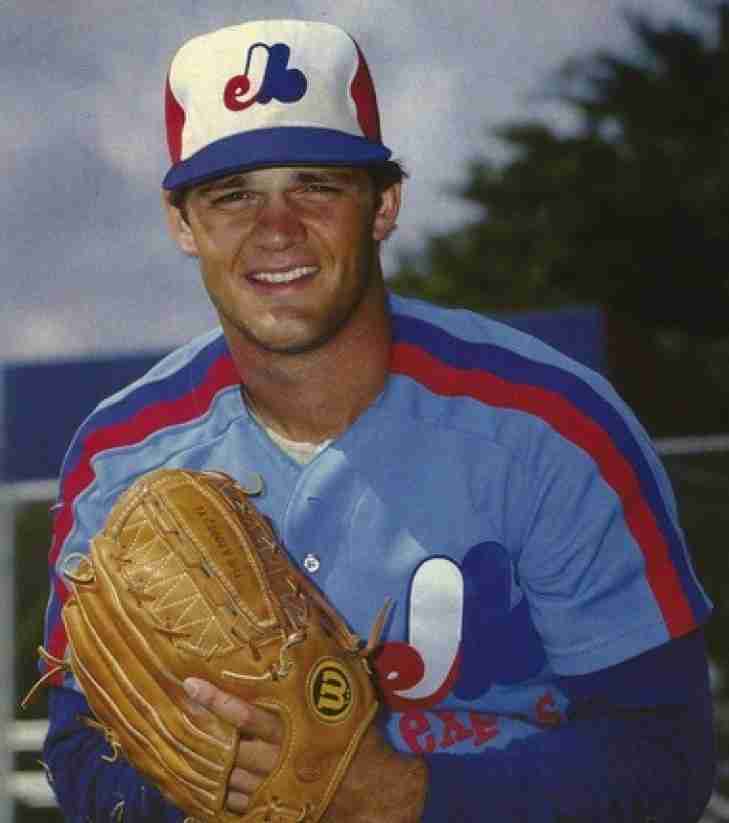
In the early 1980s, the Montreal Expos featured a young, powerful starting rotation that was among the best in the National League. Central to that group was Bill Gullickson. Picked second overall in the 1977 draft, the tall right-hander arrived in French Canada with high expectations. Unlike many top prospects of his time, Gullickson not only met these expectations but also became known for his durability and aggressive pitching, making him one of the most underrated pitchers of his era.
His debut in the major leagues in 1980 was an exceptional example of rookie performance. Gullickson completely overwhelmed National League hitters, finishing with a 10–5 record and an impressive 3.00 ERA. The most memorable moment of his rookie season occurred on September 10, when he set a rookie record by striking out 18 Chicago Cubs at Stade Olympique—a remarkable display of skill that contributed to his second-place finish behind Steve Howe for the National League Rookie of the Year Award.
While old-school baseball card collectors focused mainly on Gullickson’s wins and losses, modern analytics show that his underlying efficiency was even more impressive than previously recognized. In the strike-shortened 1981 season, he was possibly the most effective pitcher in the Senior Circuit, with a 2.80 ERA. Although the official box scores credited him with seven wins, he quietly led the National League with a remarkably low 2.11 FIP (Fielding Independent Pitching)—demonstrating how he truly mastered the game independent of defensive support.
He then became a key, high-volume pitcher, recording over 220 innings in back-to-back seasons. In 1984, Gullickson demonstrated exceptional control, issuing only 39 walks in 225.2 innings, leading the National League with a mere 1.5 walks per nine innings.
Heavy workloads reduced his strikeout rates, leading the small-market Expos to trade him to the Reds in December 1985 as part of a multi-player deal. Gullickson then had a productive journeyman career, including a stint in Japan and a 20-win season with the Tigers. Gullickson appeared in 195 games (186 starts), with a 72–61 record, a 3.44 ERA, and a 1.20 WHIP. He pitched 1,273.1 innings, with 33 complete games, nine shutouts, and 654 strikeouts.
36. Jayson Werth

When the Washington Nationals signed Jayson Werth to a seven-year, $126 million deal in December 2010, it shocked the baseball community. Skeptics saw it as an excessive overpayment for an outfielder past 30, but GM Mike Rizzo understood exactly what he was getting. The Nationals weren't just adding a powerful hitter; they were acquiring attitude, postseason experience, and a key leader. With his mountain-man beard and long hair, Werth quickly became the emotional core of a burgeoning team, turning a young, struggling clubhouse into division champions.
Werth's 2011 campaign in Washington was a tough adjustment period, but his subsequent seasons showcased top-tier professional plate discipline and high-leverage performance. He had an exceptional ability to wear down pitchers, working long counts and using a disciplined eye to maintain elite on-base percentages. In 2013, he delivered a standout season, batting .318 with 25 home runs and a .931 OPS, finishing thirteenth in the NL MVP voting. He continued that success in 2014, hitting .292 with 16 home runs and 37 doubles, placing eighteenth in MVP voting while leading a 96-win division title run.
For many Nationals supporters, Werth's legacy hinges on a single iconic swing. During Game 4 of the 2012 NLDS against the Cardinals, with the team's postseason hopes at stake, he endured a tough 13-pitch at-bat against Lance Lynn. His walk-off solo homer into the Washington bullpen sparked wild celebration at Nationals Park, creating a memorable moment that securely established him as a local legend.
Although age and a series of shoulder and foot injuries gradually reduced his defensive ability and playing time toward the end of his contract, his veteran leadership remained steadfast. When his seven-year contract ended after the 2017 season, he officially retired, leaving a lasting impact on the culture of baseball in the Nation's Capital.
With Washington, Werth amassed 781 hits, 140 doubles, 109 home runs, and 393 RBIs. Despite 423 walks against 650 strikeouts, he posted a .263/.355/433 line with an 113 OPS+.
31. Warren Cromartie
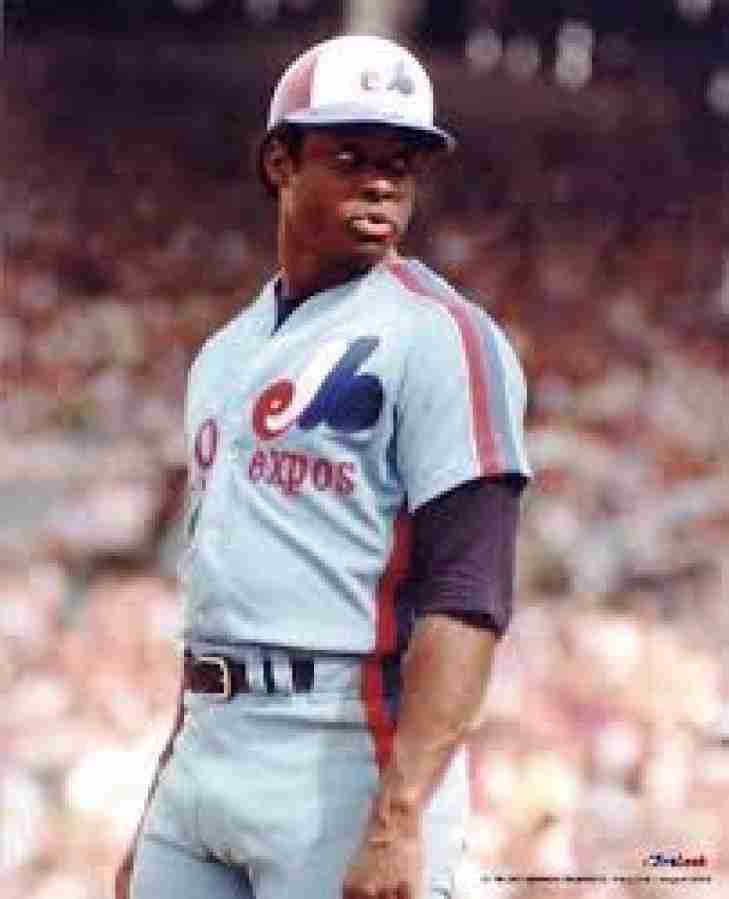
Prior to achieving recognition as an unprecedented cultural phenomenon and serving as the league MVP in Japan's Nippon Professional Baseball, Warren Cromartie was a fundamental pillar of the Montreal Expos' illustrious era. Drafted in the first round by the team in 1973, "Cro" exhibited a refined, high-contact left-handed swing that seamlessly complemented the speed and athleticism of Montreal's emerging young core. Through his association with Andre Dawson and Ellis Valentine, Cromartie contributed to one of the most dynamic, homegrown outfields in the history of baseball, playing an essential role in the transformation of Stade Olympique into a hub of excitement during the late 1970s.
In 1977, Cromartie took on a key daily role and quickly demonstrated himself as a top run producer. His rookie season set a strong foundation, hitting .282 with 41 doubles—showing that his gap-to-gap style was ideal for Montreal's fast turf.
His definitive standout performance in an Expos uniform occurred during the 1980 season. Cromartie overwhelmed National League pitchers by posting a career-best .288 batting average, along with 14 home runs and 70 RBIs, all while playing in every one of the 162 games. He enhanced his offensive output with 36 doubles, serving as the reliable, high-volume leadoff hitter and occasional first baseman for a star-laden lineup that fought the Phillies in a historic NL East race.
While his power numbers were modest, Cromartie was a model of durability and consistency. He routinely hit double-digit home runs and remained incredibly difficult to strike out, providing a reliable, contact-oriented presence in the middle of the order. His infectious energy, trademark enthusiasm, and frequent crowd interactions made him one of the most beloved personalities in Quebec sports history.
After the 1983 campaign, Cromartie signed with the Yomiuri Giants in Tokyo, where he achieved legendary success. He appeared in 1,038 games, with 1,104 hits, 226 doubles, 30 triples, 61 home runs, and 391 RBIs, maintaining a solid .281/.336/400 slash line.
26. Bryn Smith
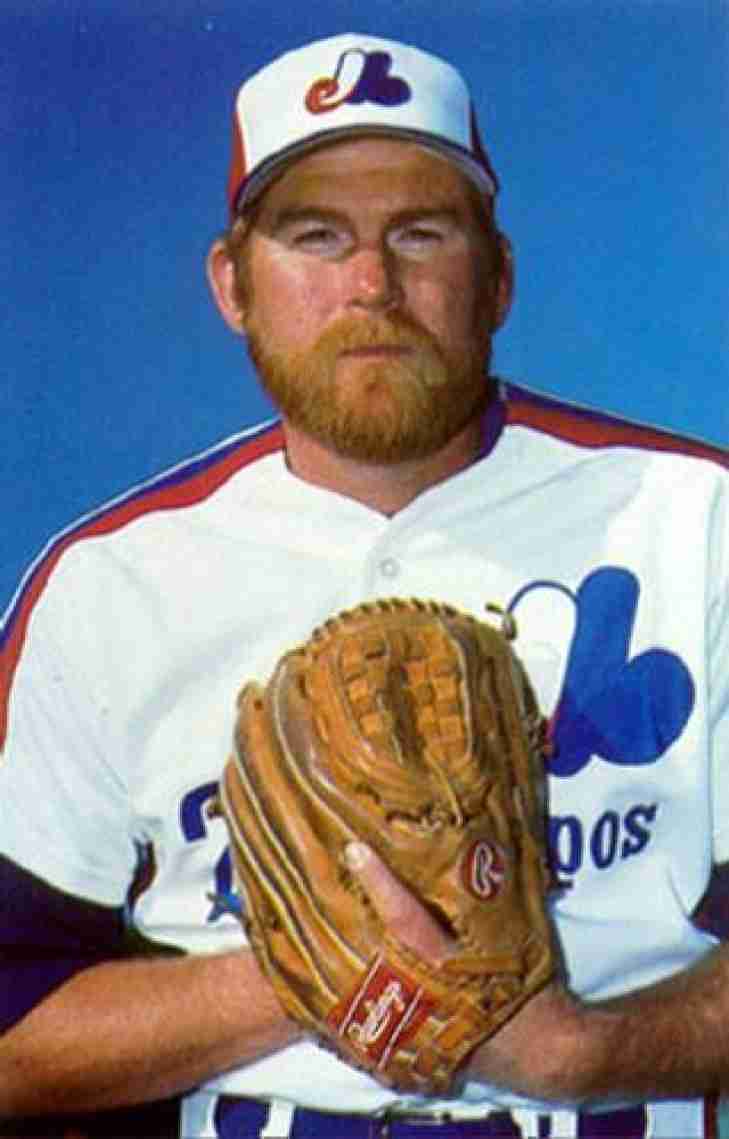
30. Ellis Valentine
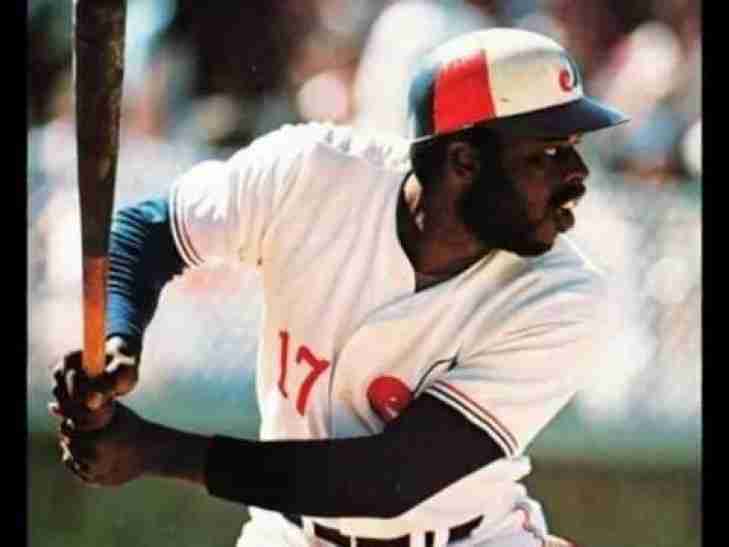
In the late 1970s, the Montreal Expos boasted an outfield that was the envy of baseball—a young, dynamic trio of Andre Dawson, Warren Cromartie, and Ellis Valentine. Among them, Valentine possessed perhaps the most tantalizing ceiling. Selected in the second round of the 1972 draft out of Los Angeles, he developed into a physical marvel who paired a fluid, high-velocity swing with what was universally considered the most feared throwing arm in the game. From his post in right field, Valentine turned throwing out tagging runners into a spectator sport, routinely unleashing absolute frozen ropes that defied belief.
His peak years in Canada were a spectacular display of all-around baseball talent. He exploded onto the national radar in 1977, putting together an individual masterpiece at just 22 years old. Valentine hit a sparkling .293 with 25 home runs and 76 RBIs, earning his first career All-Star selection.
He continued his impressive performance in 1978, earning a Gold Glove Award for his defensive excellence. That year, he led the National League with 25 home runs. By 1978, after hitting another 21 home runs, he achieved three straight summers of over 20 homers, solidifying his reputation as a top middle-of-the-order hitter.
Yet, Valentine’s journey in Montreal was also defined by a sudden, devastating physical setback. In May 1980, he was struck in the face by a pitch from Roy Thomas, which shattered his cheekbone. The injury sidelined him for more than a month and, more critically, altered his aggression at the plate as he struggled to regain his previous comfort level against inside pitching.
In May 1981, amid reduced offensive output and increasing behind-the-scenes tensions, the front office leveraged his market value to trade him to the New York Mets for promising closer Jeff Reardon. Valentine displayed moments of his former brilliance in New York and Texas, yet he struggled to fully recover the steady excellence of his peak before injury.
In Montreal, Valentine played 663 games, with 676 hits, 121 doubles, 95 home runs, and 374 RBIs. He posted a .283/.342/462 line (121 OPS+) and recorded 59 outfield assists, showcasing his strong arm.
41. Al Oliver
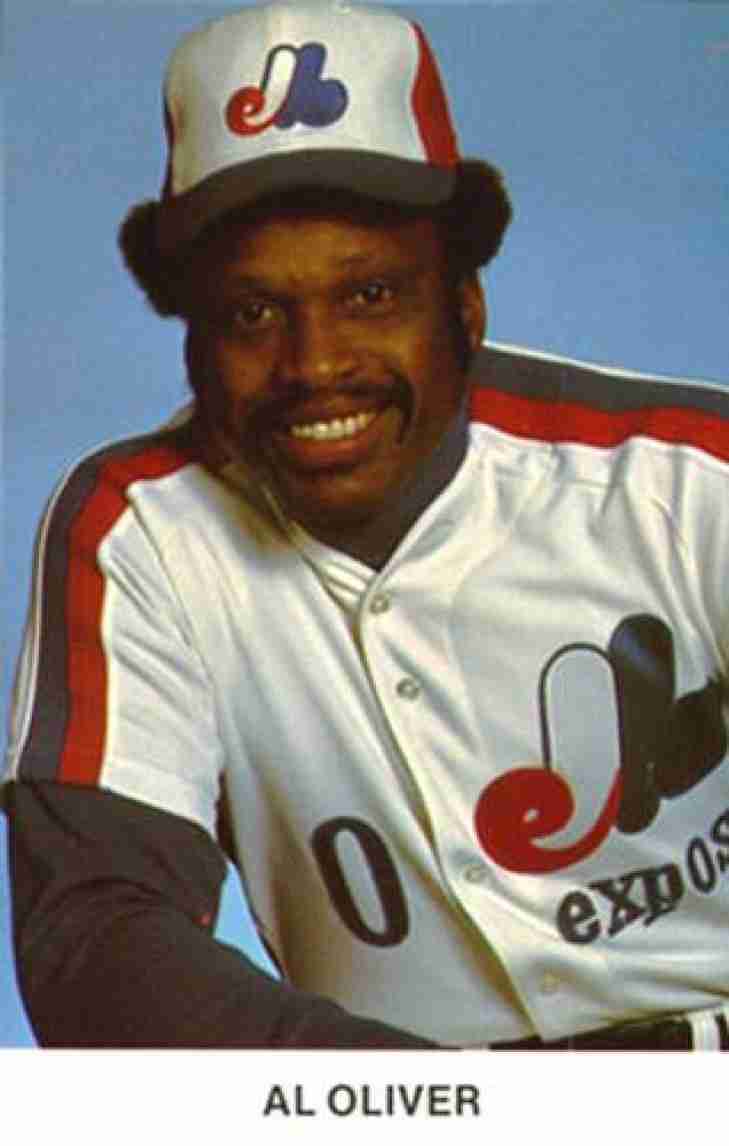
When the Montreal Expos traded third baseman Larry Parrish to the Texas Rangers in March 1982, they did so to acquire a pure, unadulterated hitting machine. Al Oliver, affectionately known as "Scoop," was a highly seasoned, vocal leader who had spent a decade lashing line drives all over the National League. Though he would only spend two seasons wearing the tri-color cap, Oliver treated Canadian fans to a pair of the most historically concentrated and dominant offensive exhibitions ever witnessed in the franchise's history.
His inaugural 1982 campaign in Montreal stands as a clinic of batting prowess. Oliver completely paced the league with a sparkling .331 batting average to capture the National League batting title. He terrorized opponents with a career-high 204 hits, while also leading the league in doubles (43), RBIs (109), total bases (317), and extra-base hits. This offensive explosion earned him an All-Star nod, a Silver Slugger, and a highly competitive third-place finish in the National League MVP voting.
Rather than showing signs of regression at age 36, he backed up his stellar debut with an equally impressive 1983 follow-up. Oliver earned another All-Star selection, again leading the National League in doubles (38) while batting a crisp .300 with 84 runs batted in. He remained a highly disciplined, contact-oriented presence in the middle of the order, striking out only 44 times in 617 plate appearances to serve as the team’s most reliable offensive engine.
Yet, for all his batting genius, Oliver’s time in Montreal was heavily countered by a stark defensive reality. Forced to play first base on the unforgiving Stade Olympique turf, he was a persistent liability. He led all National League first basemen in errors in both 1982 (17 errors) and 1983 (15 errors), routinely negating a portion of his brilliant run production with defensive miscues. As a result, the Expos traded the aging veteran to San Francisco in February 1984.
In his two seasons with the Expos, Oliver accumulated 389 hits, 81 doubles, 30 home runs, and 193 RBIs, posting a spectacular .316/.355/469 slash line—good for an exceptional 131 OPS+.
33. Jeff Fassero
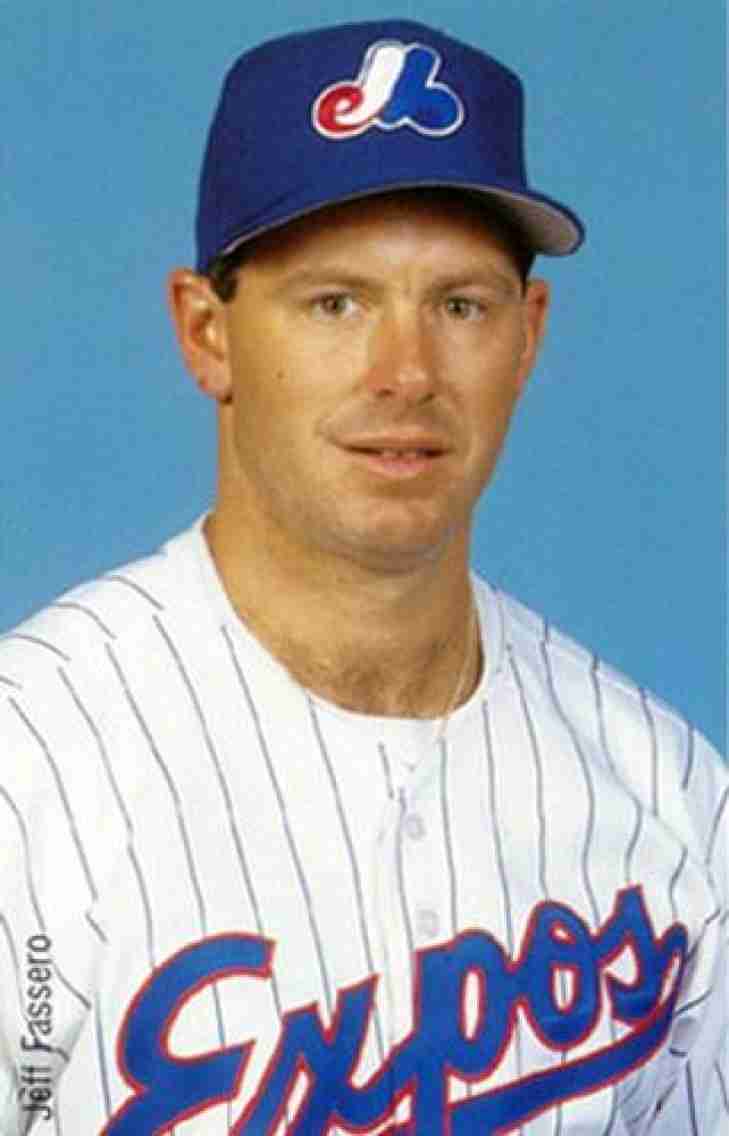
The journey of Jeff Fassero is one of the most remarkable stories of perseverance in modern baseball history. Selected in the 22nd round of the 1984 draft by the St. Louis Cardinals, the left-hander spent a grueling seven years grinding through the minor leagues, occasionally wondering if his big-league dream would ever materialize. By the time he finally made his major league debut with the Montreal Expos in 1991, he was already 28 years old. Yet, far from a late-career afterthought, Fassero quickly evolved from a reliable left-handed reliever into one of the most dominant, high-leverage starting pitchers of the mid-1990s NL East.
His transition from the bullpen to the starting rotation ahead of the 1993 campaign completely unlocked his potential. Utilizing a deceptive, late-moving slider and a highly effective splitter, Fassero established himself as a frontline workhorse. He paced the rotation with a stellar 12-5 record and a microscopic 2.30 ERA across 23 starts, helping lay the groundwork for Montreal's legendary run the following year. During the star-crossed 1994 season, he remained a model of efficiency, going 8-6 with a 2.99 ERA over 138.2 innings to anchor a rotation that carried baseball's finest record before the strike cut the season short.
While the front office systematically dismantled the roster in the strike's aftermath, Fassero remained a steady, competitive anchor in Quebec. His absolute masterpiece in an Expos uniform materialized during the 1996 campaign. He completely paralyzed National League hitters, hurling a career-high 231.2 innings and logging 15 victories with a sharp 3.30 ERA. He racked up 222 strikeouts—the fourth-most in the Senior Circuit—to earn a well-deserved ninth-place finish in the National League Cy Young Award voting.
Knowing they would be unable to meet his contract demands as free agency loomed, Montreal traded the veteran lefty to the Seattle Mariners in October 1996 in a multi-player swap.
With Montreal, Fassero played in 231 games (107 starts), posting a 58–48 record, 3.20 ERA, and 1.21 WHIP. He pitched 885.1 innings, with five complete games, three shutouts, and 750 strikeouts, achieving a 125 ERA+.
29. Jeff Reardon
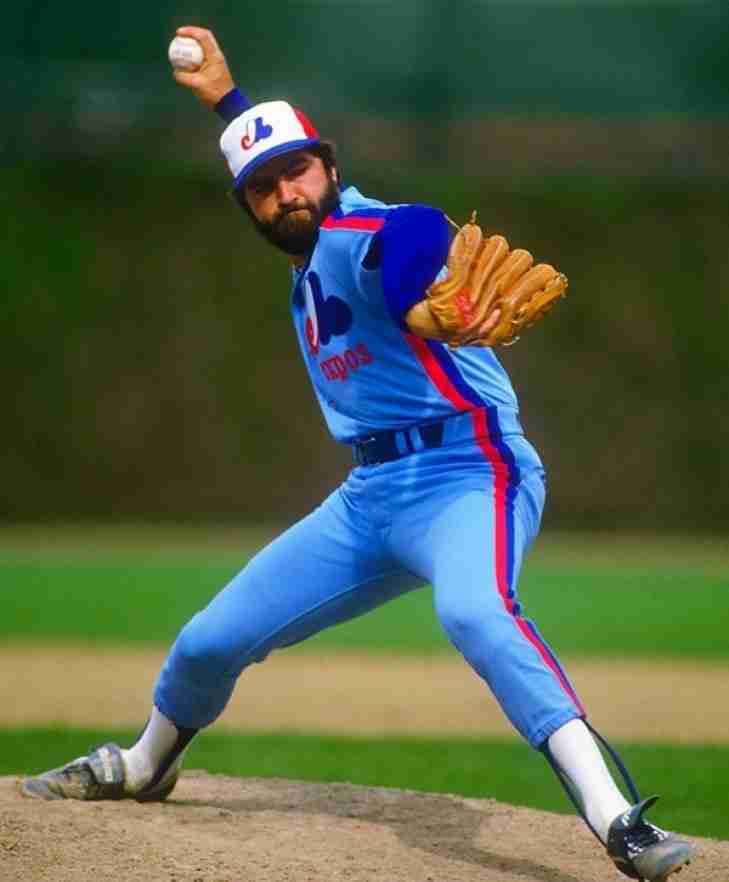
Known to hitters throughout the National League as "The Terminator," Jeff Reardon brought a menacing glare, a high-velocity fastball, and a signature thick beard to the back end of the Montreal bullpen. Acquired from the New York Mets in a trade-deadline swap for outfielder Ellis Valentine in May 1981, Reardon immediately took ownership of the late innings in Quebec. In an era when the multi-inning firemen were starting to evolve into specialized closers, he became one of the most reliable door-slammers of the 1980s.
His debut in the Expos was a crucial factor in their only postseason appearance in 1981. Moving into the closer role, Reardon steadied a faltering bullpen in the latter part of the season, posting a minuscule 1.30 ERA and earning six saves in the second half, aiding Montreal in clinching the NL East title.
He quickly proved himself as a high-volume reliever, pitching over 90 innings annually from 1982 to 1984. However, his standout season was 1985, which was his personal highlight. Reardon dominated National League hitters, leading all of Major League Baseball with a career-high 41 saves. He was the first in franchise history to reach 40 saves, earned his first All-Star selection, and received the National League Rolaids Relief Man Award.
Rather than regressing after that heavy workload, he backed it up with another excellent campaign in 1986. Reardon earned a second consecutive All-Star nod, locking down another 35 saves to keep the Expos competitive in a brutal division. Yet, with his market value at an all-time high and Montreal looking to restructure their roster, the front office traded their star closer to the Minnesota Twins in February 1987.
In Montreal, Reardon played 341 relief games with a 35–29 record, a 2.84 ERA, and a 1.15 WHIP. Over 523.1 innings, he had 152 saves and 389 strikeouts, with an outstanding 134 ERA+.
24. Bob Bailey
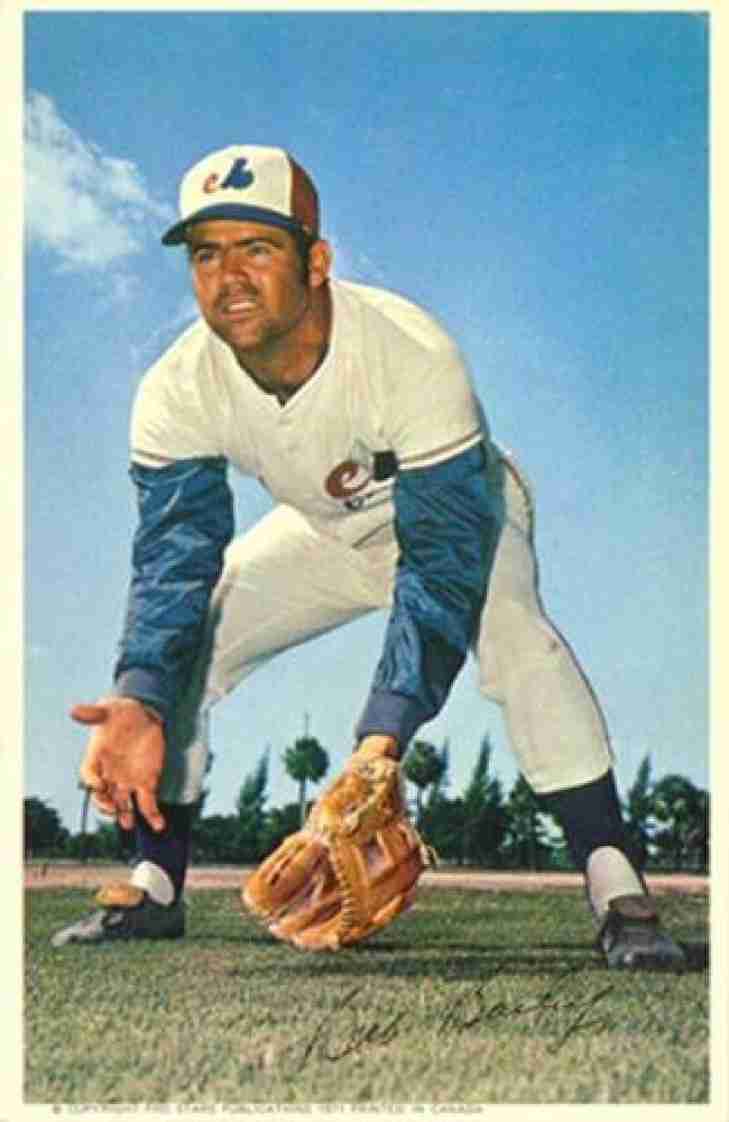
In 1961, the Pittsburgh Pirates signed high school star Bob Bailey from Woodrow Wilson High in Long Beach, California, with a hefty $175,000 "bonus baby" contract. This large sum set high expectations that the teenage Bailey struggled to meet in Pittsburgh. After seven years, split between Pittsburgh and the Dodgers, he was seen as a promising prospect whose power never translated to the major leagues. However, everything shifted when the expansion Montreal Expos purchased his contract from the Dodgers in late October 1968.
In Montreal, Bailey didn't just rebuild his career—he became a foundational, historic pillar of the young franchise. Batting fifth in the team’s inaugural regular-season game on April 8, 1969, at Shea Stadium, he etched his name into baseball lore by driving a Tom Seaver pitch into the gap for a two-run double, recording the first base hit and the first runs batted in in Montreal Expos history.
His first year in Canada was a solid baseline campaign (.265 BA, 9 HR), but his 1970 sophomore season was an offensive elevation. Initially a utility player with no clear defensive position, Bailey forced his way into a full-time role by completely dominating National League pitching. He hit a career-high 28 home runs and drove in 84 runs in just 352 at-bats, adding 72 walks to achieve a remarkable .287/.407/597 slash line. His 1.004 OPS was a historic, era-adjusted achievement—an outstanding 167 OPS+ that would've ranked third in the National League behind Willie McCovey and Rico Carty if he had had enough plate appearances to qualify.
Bailey was a key run-producer for the Expos over five years, not just a one-season success. He surpassed 20 home runs three times, with 26 in 1973—driving in 86 RBIs—and 20 again in 1974. As a disciplined and patient hitter, he often worked deep counts and drew 100 walks in 1974, helping to keep Montreal’s early lineups moving. Additionally, he became the first player in franchise history to reach 100 home runs while with the Expos.
Although his defensive skills at third base became more limited over the years—drawing regular criticism from teammates and management—his offensive output continued to be highly regarded. When Montreal shifted to "Phase II" of their development in 1975, emphasizing a younger, speed-oriented team, Bailey spent one last summer as a veteran reserve before being traded to Cincinnati that winter. He retired as the franchise’s all-time leader in nearly every major offensive statistical category.
With Montreal, Bailey had 791 hits, 116 doubles, 23 triples, 118 home runs, and 466 RBIs. He drew 502 walks versus 607 strikeouts, posting a .264/.368/437 slash line and a strong 127 OPS+.
28. Ian Desmond
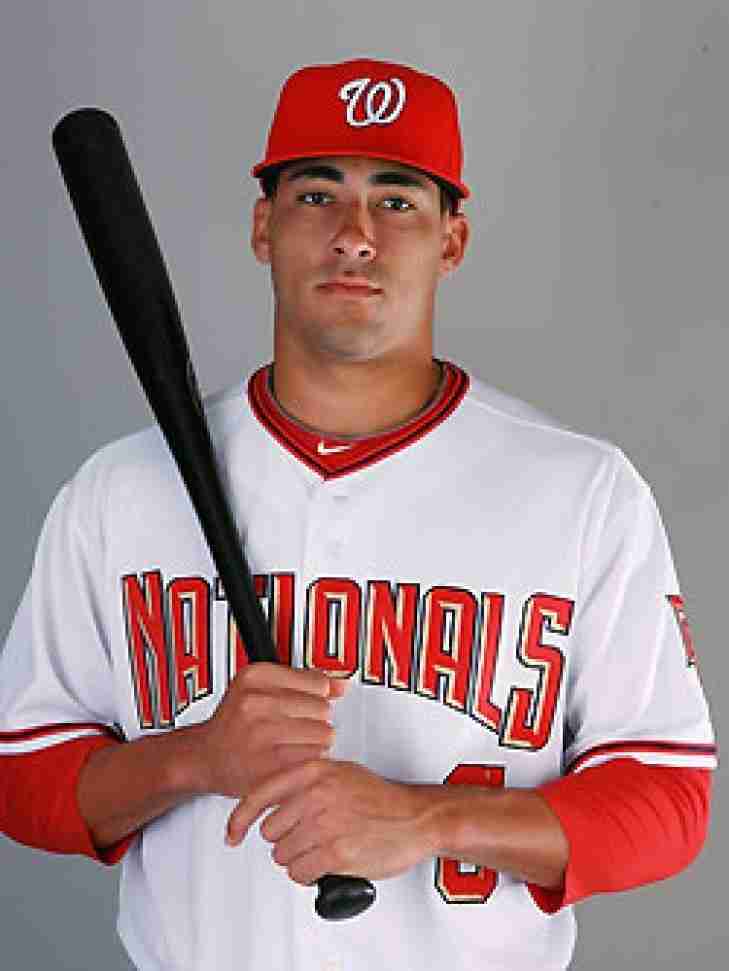
When the Montreal Expos moved to Washington in 2005 to become the Nationals, the franchise needed to develop a new wave of local talent to build its identity. Ian Desmond emerged as a key figure in this effort. Drafted in the third round of 2004, the athletic shortstop advanced through the minor leagues during the franchise’s transition and made his debut in late 2009. Over the following six seasons, Desmond became the dynamic, power-hitting centerpiece of the Nationals’ middle infield, pushing the offensive limits for the position in Washington.
His ascent to prominence emerged as a true showcase of power and speed. After overcoming early defensive struggles, Desmond unlocked elite offensive performance in 2012. He dominated National League pitching by hitting a career-high .292, with 25 home runs and 21 stolen bases, earning his first All-Star selection and Silver Slugger Award. His dynamic middle-of-the-order play was a key factor in Washington's remarkable 98-win season, leading to the franchise's first National League East division title.
Instead of viewing that breakout summer as a standalone highlight, Desmond maintained an impressive offensive level, achieving three consecutive 20/20 seasons from 2012 to 2014. He earned three consecutive Silver Slugger Awards at shortstop—placing him among the franchise's elite—and continued to be a constant, high-impact threat on the bases. Even as his strikeout count increased and his walk rate stayed modest, his capacity to produce game-changing power from a key defensive position established him as one of the most formidable shortstops of his time.
His seven-season residency in Washington drew to a close after the 2015 campaign, when he declined a qualifying offer to enter the free-agent market. While he would go on to earn another All-Star nod in Texas and play several productive seasons in Colorado.
As a National, Desmond had 917 hits, 178 doubles, 110 home runs, and 432 RBIs. He also stole 122 bases and posted a .264/.312/.424 slash line.
