

164. John David Crow
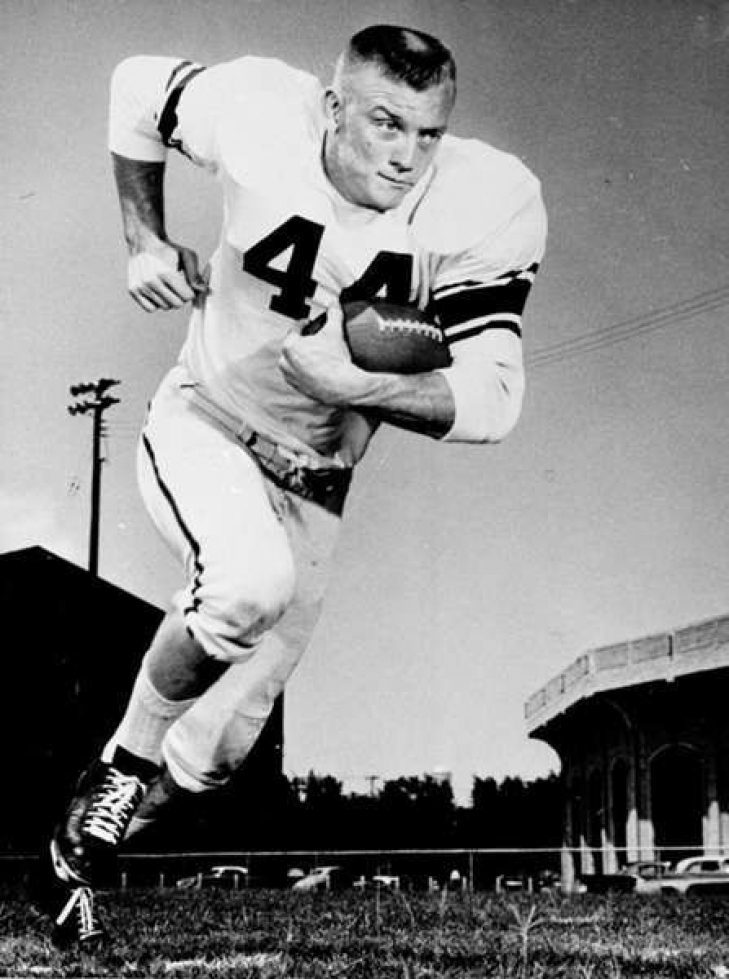
The winner of the 1957 Heisman Trophy at Texas A&M, John David Crow, would be drafted 2nd overall by the Chicago Cardinals and would blossom into one of the most versatile offensive players of his era. Used at Halfback, Fullback, and Tight End over his pro career, he played half of his career with the Chicago (later St. Louis) Cardinals and the San Francisco 49ers, but he was never blessed with a loaded group around him, as most of his teams were not particularly good. Crow was, however, very good, and he adapted effortlessly to his team's offensive needs. A four-time Pro Bowl Selection, Crow scored 74 Touchdowns, splitting them between rushing and 35 from the air. He would have 8,662 Yards from Scrimmage over his career, which is a great number for the 1960s, a decade in which he was named to the 1950’s All-Decade Team.
41. Richmond Webb
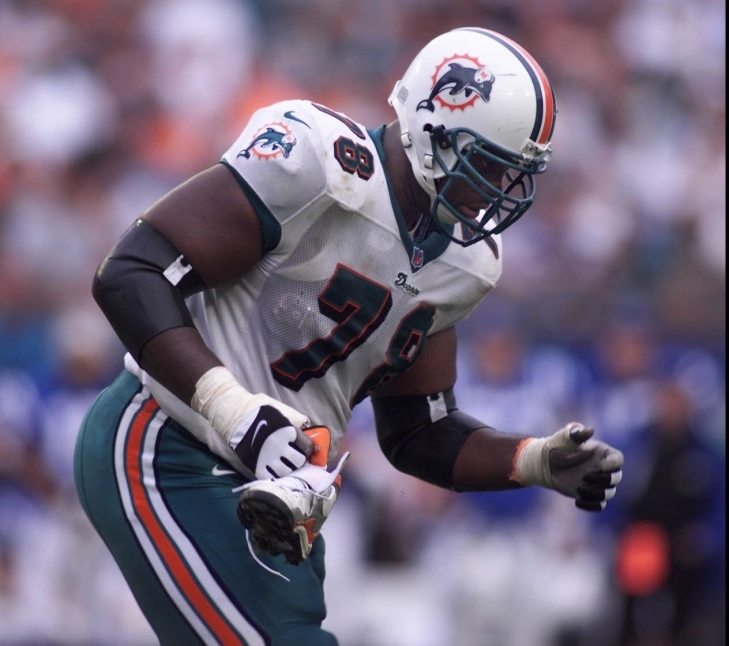
Richmond Webb proved his merit immediately as the 9th overall Draft Pick in 1990, as the Left Tackle was a Pro Bowl and All-Rookie Selection, and UPI even went as far as naming him the Rookie of the Year. That year was no flash in the pan, as Webb would go on to be named to six more Pro Bowls (all consecutive) and added two First Team and two Second Team All-Pro Selections. The Dolphins still had Dan Marino, and Webb protected him as well, if not better than anyone that the Quarterback ever had. Let's say Richmond Webb earned more than one pair of Isotoners! Webb played for the Dolphins until he joined the Cincinnati Bengals for his final two years (2001-02). Notably, the legendary Bruce Smith called him the "best blocker he ever faced,” and if that is not high praise, we don't know what is!
Webb would set a record for Miami with 118 consecutive starts and seven straight Pro Bowls, would be named a 2000s All-Decade Team member, and was the 16th selection to the Dolphins Honor Roll.
75. Ray Childress
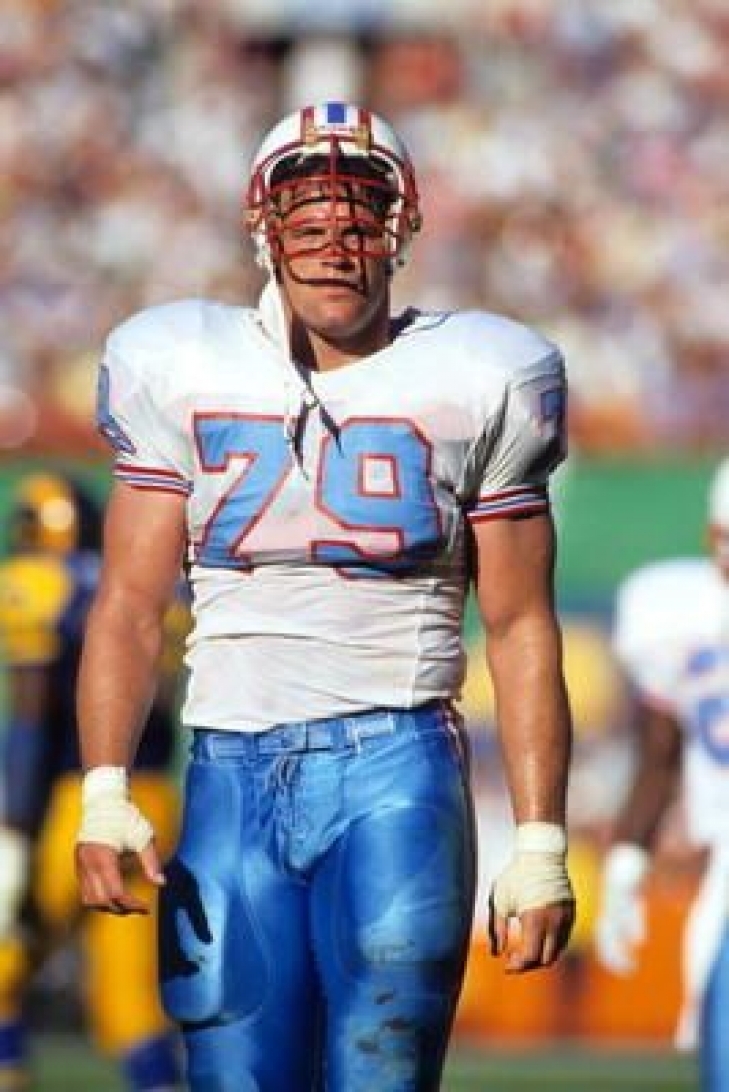
Drafted 3rd Overall in the 1985 NFL Draft, the former Texas A&M Aggie settled into a solid role as a defensive end for the Houston Oilers. He did well and made his first Pro Bowl in 1988, but a switch from the 3-4 to 4-3 Defense forced Childress to move to Defensive Tackle, and it fit him perfectly.
Blessed with a long wingspan and incredible strength, from 1990 to 1993, he would be selected for the Pro Bowl, and he landed a First Team All-Pro Selection in 1992. During that era, Childress was regarded as an elite Defensive Tackle, and the iron man stuffed opposing rushers at will. He was very popular in the Houston area for his work ethic and philanthropy, and though that franchise is gone, he is still a legend in the state of Texas.
102. Shane Lechler
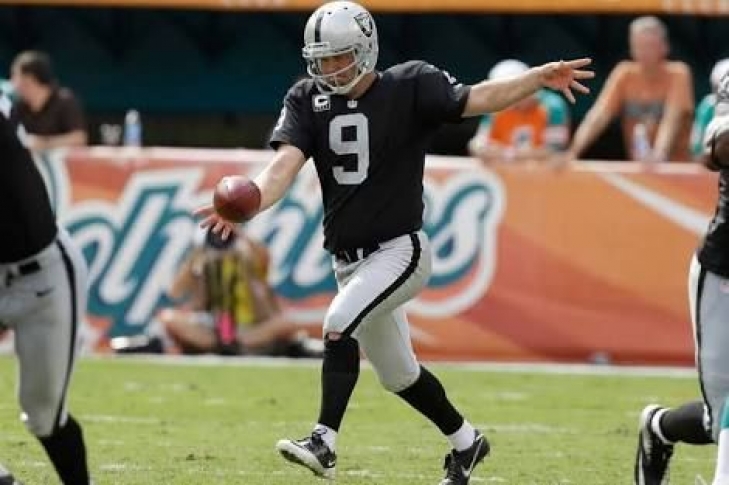
Not too many Punters get drafted, but Shane Lechler was in the 5th Round out of Texas A&M in 2000 by the Oakland Raiders, who would quickly see that it was an excellent choice. Lechler would play for the Raiders for 13 seasons, and in six of those years he was named a First Team All Pro, with seven seasons being deemed Pro Bowl-worthy. Oakland was often struggling during Lechler’s tenure in the Bay Area, so they saw Lechler punt more than they would have wanted, but they knew that he did his job exceptionally well. Five times in Oakland, he would lead the National Football League in Yards per punt, and he was second another five times. Lechler signed with the Houston Texans and played there for five seasons before retiring.
At the time of his retirement, Lechler went to more Pro Bowls than any other Punter and holds the record for most Yards per Punt.
With Shane Lechler as potentially the top Punter ever, you can ask Ray Guy what that means in getting into the Pro Football Hall of Fame, as he had to wait until he was a Senior Candidate. This is a player who gets in early or might have to wait two decades.
17. Lester Hayes
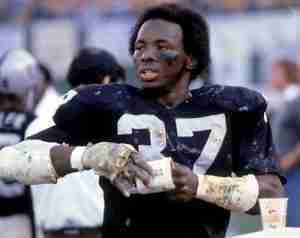
Many Hall of Fame candidates watch their push for the Hall build and build. This doesn’t seem to be the case for Lester Hayes, who was a finalist in his first four years of eligibility but has only been a semifinalist six years thereafter.
Lester Hayes is best known for two things. The first was in 1980, when he had 13 picks and won Defensive Player of the Year. The year after, the “Lester Hayes” rules were put into effect, banning players from the use of “stickum,” an adhesive that Hayes was using to get a better grip on the ball. Hayes was more than that, with his bump-and-run coverage and route disruption showing few peers in professional football.
Hayes' 1980 season was so good that he was forever associated with that year. Had he had another monster year, perhaps he would not be seeing his chances diminish as appears to be happening now. Regardless, Hayes was a key contributor on a Super Bowl championship team, where he was a top defensive player. That alone places him ahead of other Hall of Fame candidates.
