

19. Sam Thompson
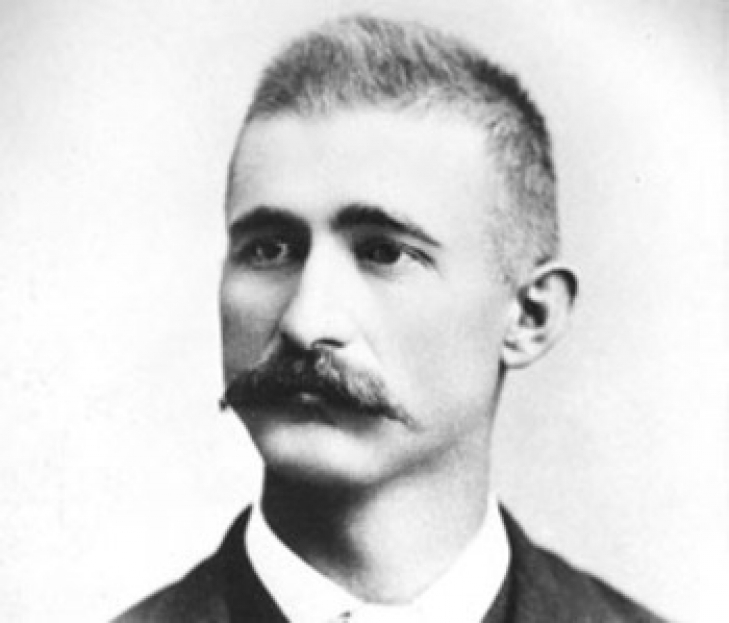
Back in late 1888, the Philadelphia Quakers, who would eventually become the modern Phillies, made a bold move by paying $5,000 to buy Samuel Luther Thompson's contract from the shrinking Detroit Wolverines. At the time, this was a huge financial risk, but it quickly paid off. In just one summer, it became clear that the front office had scored one of the greatest deals in professional sports history. Thompson, a towering six-foot-two with a big handlebar mustache, had a powerful, left-handed swing that completely changed the game of raw, line-drive power in the 19th century, turning the outfield into his personal stage of destruction.
His first campaign in Philadelphia in 1889 was a historic breakthrough. Thompson broke all tactical limits by hitting an astonishing 20 home runs, becoming the first left-handed hitter in major league history to reach that milestone and winning the National League home run title convincingly.
He demonstrated that heavy, long-ball hitting was a consistent weapon by winning a second home run title during the 1895 team explosion that produced 190 runs. His consecutive drives into the gaps, marked by relentless force, helped him secure back-to-back National League slugging titles in 1894 and 1895, greatly boosting the team's extra-base power.
However, labeling "Big Sam" only as a pioneering, one-dimensional slugger overlooks the remarkable contact-hitting skills he displayed throughout his career. During his ten years with the franchise, he consistently posted high batting averages, with five seasons surpassing .300. The peak of this versatile excellence was in 1894, when Thompson achieved an incredible .415 batting average, standing out in an all-Hall-of-Fame outfield with Billy Hamilton and Ed Delahanty.
Thompson was a ruthlessly efficient run producer, famously weaponizing his heavy approach to drive in runs at a density that modern analysts still marvel at, including a league-leading 165 RBIs in 1895.
A series of nagging injuries and a desire to pursue business ventures reduced his physical presence late in his career, causing him to leave the regular lineup after 1898. Despite this, his consistent season performance resulted in a remarkable .334/.389/509 franchise batting line, along with 1,478 hits and 95 home runs. This impressive benchmark continues to be highly regarded by modern roster analysts.
In 1977, the Baseball Hall of Fame Veterans Committee selected Thompson and in 1995, he was inducted into the Philadelphia Baseball Wall of Fame.
