

255. Ken Singleton
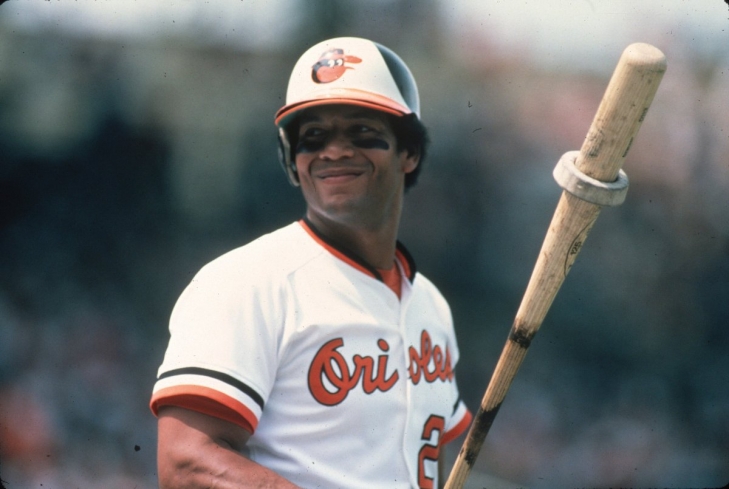
Ken Singleton began his career with the New York Mets in 1970, where he was a backup, but there was something special there. The Montreal Expos saw it, as they traded their most popular player, Rusty Staub, for him.
17. Ken Singleton
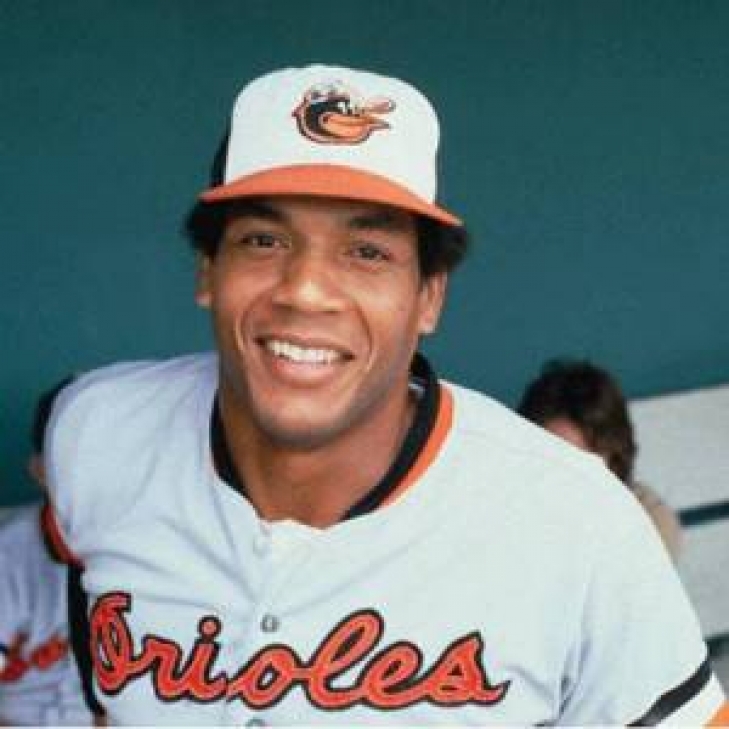
While Ken Singleton first established himself as a frontline starter in Montreal, it was his 1974 trade to Baltimore that transformed him into one of the most feared and disciplined hitters in the American League. The Expos’ decision to part with the switch-hitting outfielder remains one of the most regrettable moves in their history, as Singleton would spend the next decade becoming a cornerstone of the Orioles' offensive philosophy.
A three-time All-Star (1977, 1979, and 1981), Singleton combined steady power with a surgical approach at the plate. He reeled off four consecutive 20-home run seasons between 1977 and 1980, peaking with a career-high 35 homers in 1979—a season in which he finished as the American League MVP runner-up. His value, however, was anchored by a legendary batting eye. Singleton recorded three .300 seasons and posted an elite on-base percentage of .400 or higher four times. He was a perennial fixture on the league leaderboards, finishing in the AL top ten for OBP eight times and in the top ten for OPS six times.
Singleton was the veteran presence that helped steer Baltimore to the 1983 World Series title, providing a professional approach that defined the "Oriole Way" during his penultimate season. He retired in 1984, leaving the game with 1,455 hits, 182 home runs, and a sterling .284/.388/.445 slash line in a Baltimore uniform. Inducted into the Orioles Hall of Fame in 1986, Singleton remains the gold standard for switch-hitting excellence and plate discipline in franchise history.
50. Ken Singleton
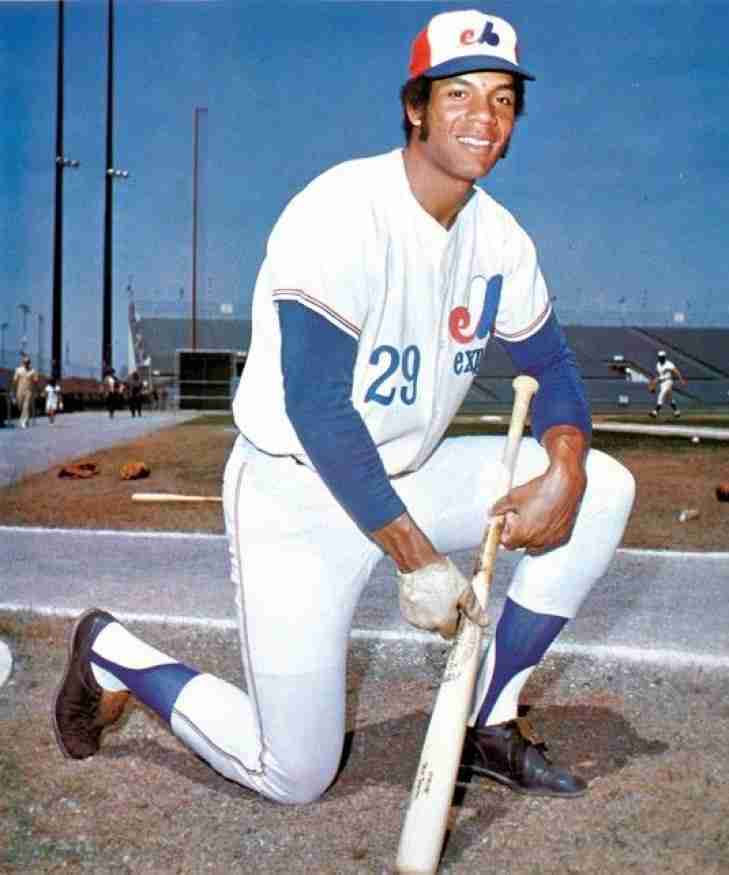
An elite switch-hitter can neutralize opposing pitchers’ strategies. In April 1972, when the Montreal Expos traded Rusty Staub to the New York Mets, they gained Ken Singleton, a tall 6-foot-4 batter recognized for his keen batting eye. Singleton's composed approach at the plate distinguished him in French Canada; he carefully avoided widening his strike zone, making walks a significant offensive advantage and achieving some of the best on-base statistics of the 1970s.
His 1972 introduction to the Jarry Park faithful showed his disciplined style, but it was his 1973 season that truly displayed his offensive skill. Singleton appeared in all 162 games, maintaining a precise and high-pressure hitting approach that overwhelmed National League pitchers. He achieved a .302 batting average, hit 23 home runs, and had 103 RBIs, setting a franchise record for RBIs in a single season that would stand for ten years.
That summer, his most notable trait was his exceptional command of the strike zone. Singleton issued an impressive 123 walks, leading the Major Leagues and achieving a remarkable .425 on-base percentage. This unique combination of patience and power helped the young Expos make their first serious run at a pennant, securing Singleton a deserving ninth-place spot in the National League MVP voting.
He followed this with another highly disciplined season in 1974, drawing 93 walks and maintaining a solid .385 on-base percentage despite a decline in his power numbers. However, with a significant shortage of starting pitchers, the small-market Expos leveraged his increasing value. In December 1974, Montreal traded Singleton and Mike Torrez to the Baltimore Orioles in a franchise-changing deal. While Singleton later gained national fame, three All-Star selections, and a World Series victory with Baltimore, his reputation as an elite on-base player was originally established with Montreal.
He had 449 hits, 69 doubles, 46 home runs, and 227 RBIs. With 286 walks and 274 strikeouts, he posted a .284/.392/424 slash line and a 127 OPS+.
