

26. Jesse Tannehill
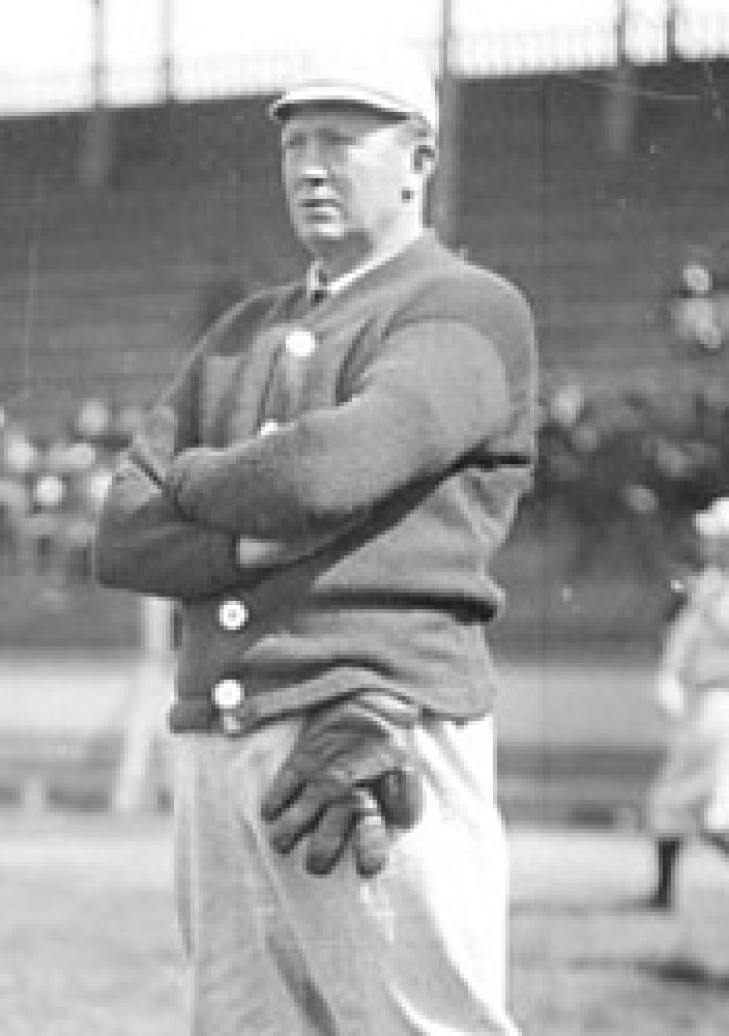
The early history of baseball has many specialized pitchers who saw their batting as a minor distraction, but Jesse Welborn Tannehill viewed the game differently. A gifted athlete with sharp reflexes, the slender left-hander from Kentucky was a double threat before the term was popular. He was known for a deceptive curveball and control on the mound, and also played outfield between starts. For five years around 1900, Tannehill was a key player for the rising Pittsburgh teams.
His introductory full year in the rotation was a rather nondescript affair, yielding a modest 9–9 record and a bloated 4.25 ERA as he adjusted to the dimensions of National League hitters.
Over the next five summers, Tannehill became one of Major League Baseball’s most reliable and dominant southpaws, leading a star-packed team with unwavering, consistent excellence. He achieved five straight seasons with at least 18 wins, including four seasons with 20 or more wins, demonstrating remarkable longevity. During this period, he consistently prevented runs, maintaining a single-season ERA below 3.00 each year.
His standout masterpiece came during the historic 1901 pennant race, where his cutting-edge efficiency stats hit league highs. Tannehill delivered an exceptional run-prevention performance to win the National League ERA title with a tiny 2.18, while leading the Senior Circuit with an elite 2.59 Fielding Independent Pitching (FIP) rating, helping him achieve a 21–11 record and 28 complete games.
However, focusing only on his throwing shoulder overlooks half of his actual contributions. Due to his natural bat control and spatial awareness, manager Fred Clarke often skipped standard bench players and moved Tannehill directly into the outfield when an offensive boost was needed. In 865 career at-bats with the Pirates, he demonstrated impressive contact ability, posting a .277 batting average, along with 29 extra-base hits and 96 RBIs, adding valuable run production that made the Pirates especially tough to face.
His historic tenure in Western Pennsylvania ended abruptly with the creation of the American League, which dramatically changed the landscape. Drawn by the large, unregulated financial incentives from the new league, Tannehill formally switched to the New York Highlanders before the 1903 season, marking the end of his main time in the National League as the modern World Series was being formed.
Tannehill had a 116-58 record with a 2.75 ERA and 466 strikeouts.
186. Jesse Tannehill
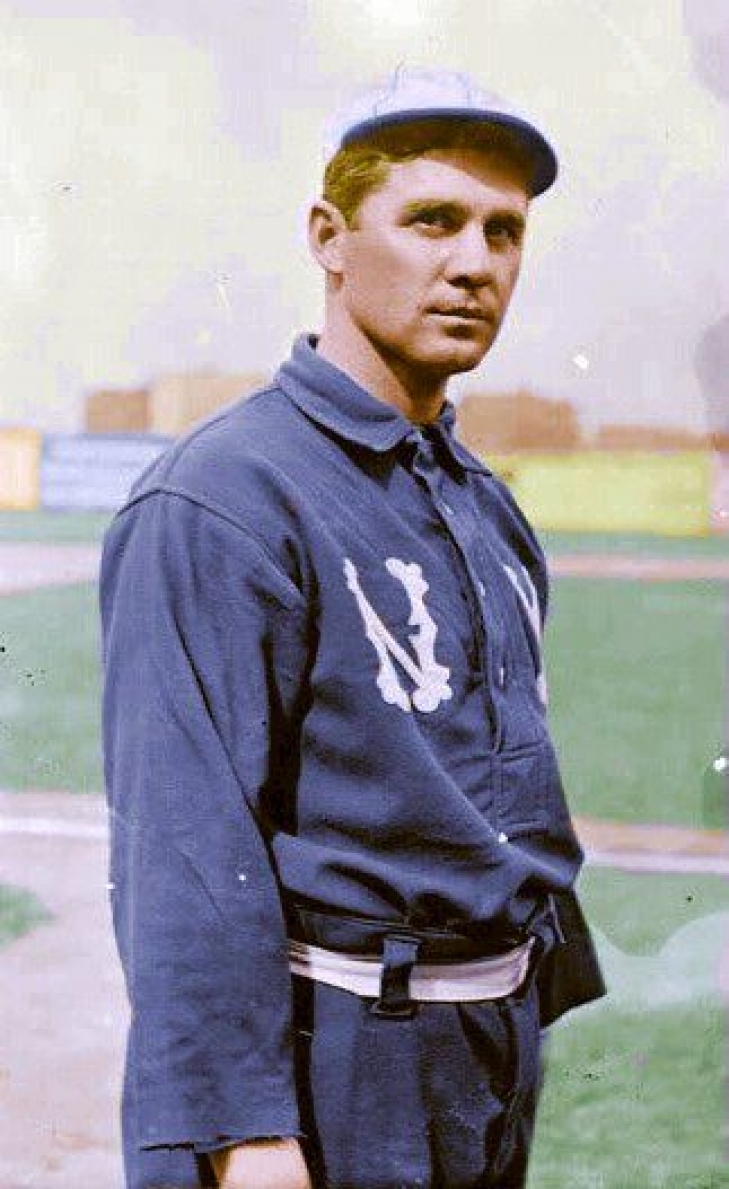
From the deadball era, Jesse Tannehill is one of the unsung pitchers from that time.
After appearing in five games for the Cincinnati Reds in 1894, he returned for good in 1897 with the Pittsburgh Pirates. The southpaw played for Pittsburgh for five seasons, winning at least 20 Games in four of them. In 1901, he "only" recorded the "W" 18 times, and he won the ERA Title (2.18). He was also the National League leader in FIP twice as a Pirate.
Tannehill later joined the Boston Americans, where he would have two 20-Win years. After a stint with the Washington Senators and one more with the Reds, he retired in 1911 with 197 Wins against 117 Losses.
