

83. Geno Atkins
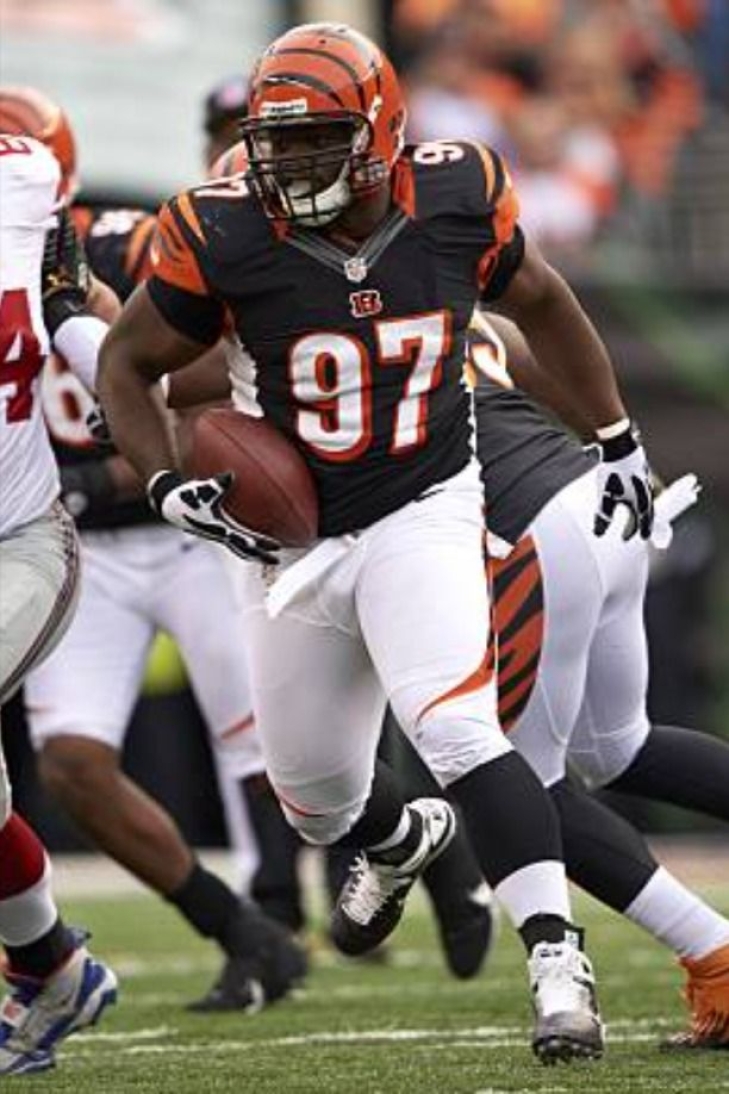
Geno Atkins, who had a dominant run at the University of Georgia, was considered small for a Defensive Tackle and fell to the fourth round in the 2010 Draft. However, this turned out to be a steal for the Cincinnati Bengals.
Atkins began his career as a bench player, but he started at Right Defensive Tackle in his second year and held that position until 2019. His quick jump off the snap was unmatched, and he established himself as an excellent edge creator. His speed was impressive, as he was often seen chasing down runners. Atkins was named to eight Pro Bowls with Cincinnati and was a First Team All-Pro in 2012 and 2015. It is worth noting that Atkins achieved all this without much support in the Jungle.
After the 2019 Season, Atkins was named to the All-Decade Team, but he underwent major shoulder surgery and was only able to play eight games in 2020, recording only one tackle. Unfortunately, this ended his career in the NFL, which had been a very successful one, with 75.5 sacks, 100 tackles for loss, and 384 combined tackles.
297. Bill Stanfill
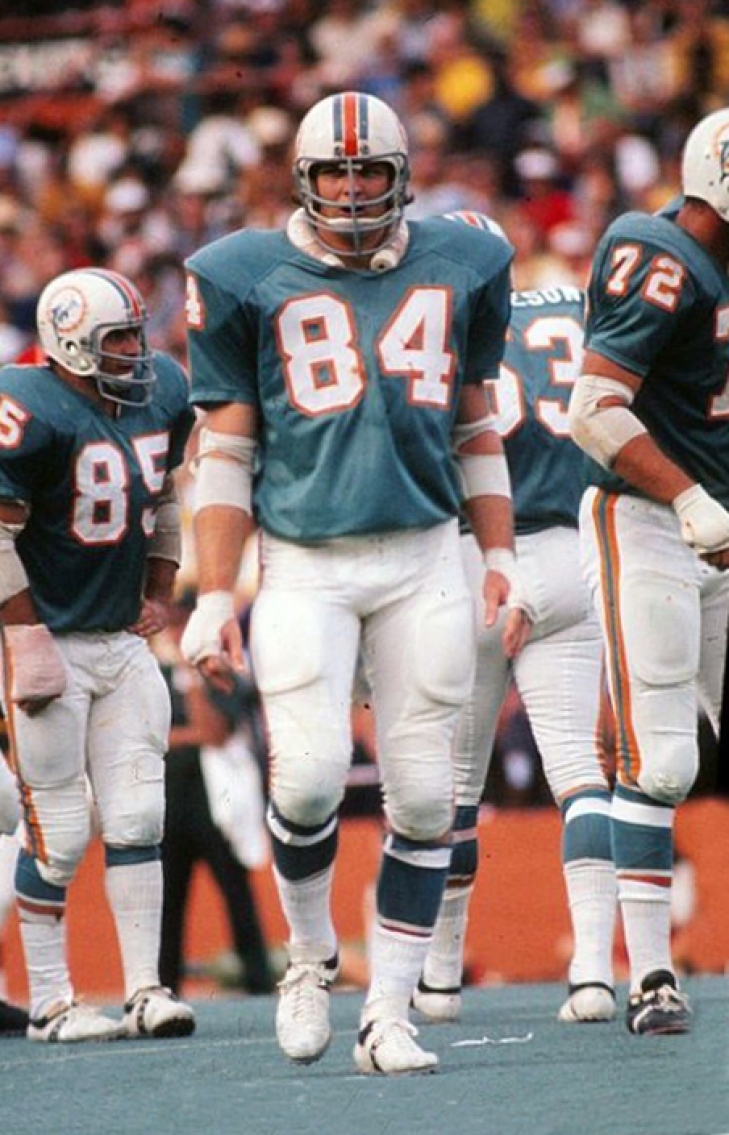
It is hard to consider someone underrated when you were a member of the only undefeated team in NFL history and were in your prime when you earned your two Super Bowl Rings, but this is what we have in Bill Stanfill.
317. George Svendsen
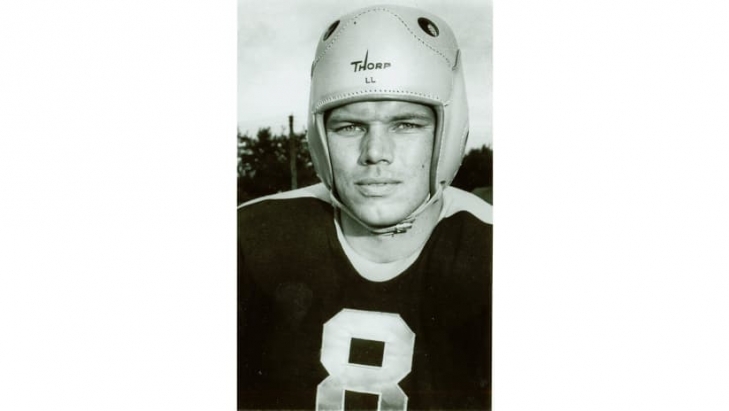
From the University of Minnesota, George Svendsen would play five seasons with the Green Bay Packers over two runs.
259. Len Hauss
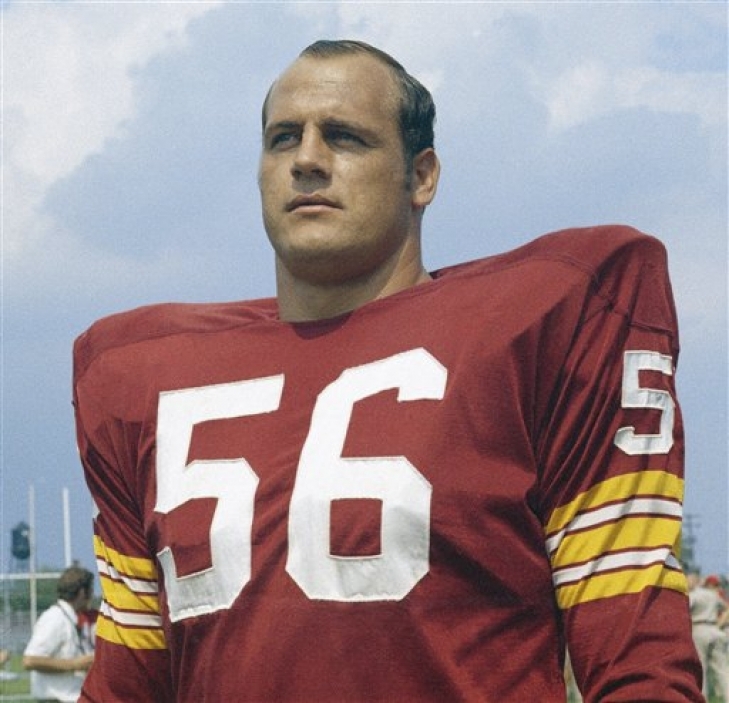
Before the Washington Redskins had the famed “Hogs” Offensive Line of the 80s and 90s, they had a Georgian named Len Hauss, who was their starting Center from 1964 until he retired in 1977.
Hauss won that job during his rookie season, and it was a role that he was meant to have. He seemingly improved annually, earned five Pro Bowl selections, and was a key factor in Washington's first Super Bowl appearance in 1972. Hauss would also be named to two Second Team All-Pros.
239. Ray Donaldson
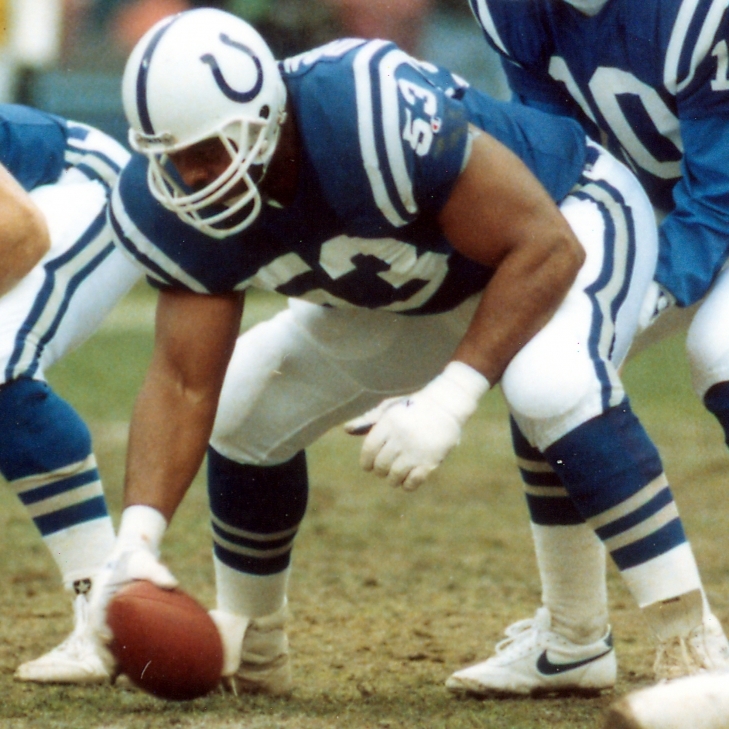
Ray Donaldson played 17 seasons in the NFL, the first 13 with the Baltimore/Indianapolis Colts, where he was their starting Center for 12 of them.
From 1986 to 1989, he was named to the Pro Bowl, and he was unquestionably considered to be one of the best Centers in the game. He later played for the Seattle Seahawks, then spent two more seasons with the Dallas Cowboys, both of which earned him a Pro Bowl Selection. He would stabilize that Cowboys O-Line to a win in Super Bowl XXX.
325. Bobby Walston
50. Jake Scott
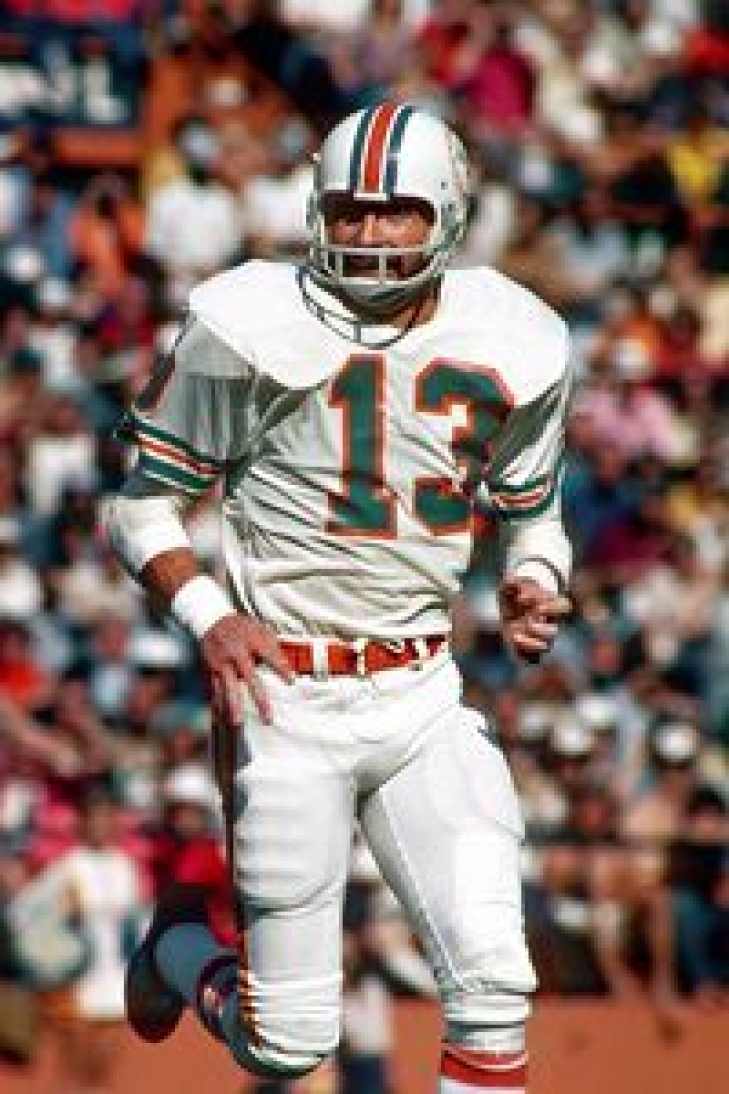
Jake Scott played the first six seasons of his NFL career for the Miami Dolphins from 1970 to 1975, and as you can imagine, as a Dolphin in that era, he was accustomed to winning.
Scott forwent his last year of college eligibility to play professionally in the Canadian Football League, and after a year with the B.C. Lions, he was drafted in the 7th Round by Miami. After a strong rookie season, he began a five-year streak of Pro Bowl Selections and was a key member of Miami's three consecutive Super Bowl appearances and its two wins in Super Bowl VII and VIII. Scott was so dominant in Super Bowl VII (the undefeated season) that he recorded two picks and was named the MVP of the game. Playing at Safety, Scott also doubled as the team's Punt Returner, and he was also a First Team All-Pro in 1973 and 1974. Scott would finish his career playing three seasons in Washington before retiring in 1978. He would retire with 49 Interceptions over a nine-year career and is one of the most gifted defensive playmakers in Dolphins history.
101. Herschel Walker
It may be called the Pro Football Hall of Fame, but for all intents and purposes, it only focuses on accomplishments from the NFL and, to a lesser extent, the AFL. This is too bad for Herschel Walker, who chalked up monster totals in his first three years of Pro Football but did so as a member of the New Jersey Generals of the upstart United States Football League.
Walker went to the Dallas Cowboys and tried to live up to the PlayStation-like numbers he put up in College and in the USFL. Walker was still very good and put up good numbers for Dallas in both receiving and running the ball. He was, however, the focal point of one of the more lopsided trades in NFL history, where the Vikings sent five players and a multitude of draft picks (three of which were Emmitt Smith, Alvin Harper, and Darren Woodson). Dallas used this to build a dynasty in the ’90s, and Minnesota coaches took their frustration out on Walker, who wasn’t used to his best ability as a Viking. Herschel was still good, but his stock dropped dramatically.
That lopsided trade hurt his legacy, but Herschel Walker should be remembered as a great Running Back who contributed in pass and kick return situations. If he were a rookie today coming out of Georgia, where there is no USFL, would he have had a shot to shatter NFL rushing records?
Sadly, we will never know.
Should Herschel Walker be in the Hall of Fame?
48. Hines Ward
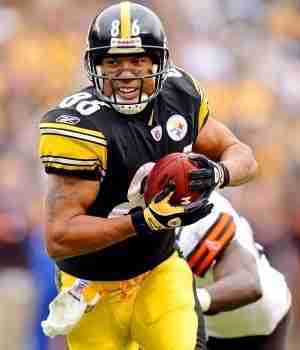
The all-time leader in Receiving, Receiving Yards, and Receiving Touchdowns in the history of the Pittsburgh Steelers franchise, Hines Ward brings the accumulative statistical resume that you would expect from a Wide Receiver in the Pro Football Hall of Fame. Ward amassed over 12,000 Yards Receiving, an even 1,000 Receptions, and, most importantly, was a large part of the Pittsburgh Steelers’ Super Bowl wins in 2006 and 2009, the first of which he was named the MVP.
Still, Ward was never named to a First Team All-Pro squad, and despite his strong numbers and high-profile market, he was never called the best Wide Receiver in the game. He ranks much lower than the other great names of his era in Yards per Game and career touchdowns. Does that take away the great lifetime stats and the Super Bowl wins? It shouldn't, but it might explain why he has yet to escape the semi-finals through the glut of talented WRs who are consistently eligible.
