

81. Jack Glasscock
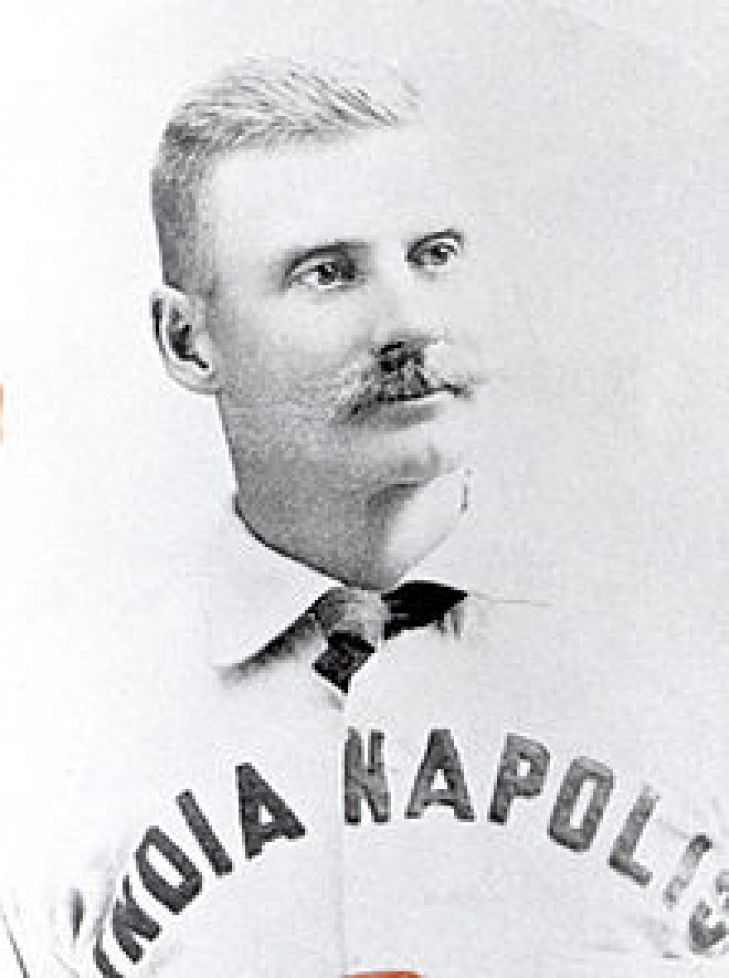
The baseball historians have been batting a kind eye to Jack Glasscock, who many have regarded as the best defensive infielder of the 1880s.
“Pebbly” Jack (he had the habit of collecting pebbles in the infield) would lead his league in Defensive bWAR three times (1883, 1885 & 1889), and though there were no sabremetricians back then, the casual fan knew that he was a level above most of the other players with his defensive skills.
Glasscock played for eight different teams, many of which are no longer in existence, which does not help keep his name alive. The West Virginian may always have been known for his defense, but he would surprisingly show exemplary offense in the late 1880s. He finished second in Batting Average in 1889, and won the Batting Title in 1890, and in both seasons, he was atop the National League leaderboard in Hits.
He would accumulate 2,041 Hits over his career, and a BWAR that puts him higher than many Hall of Fame infielders.
7. Jim McCormick
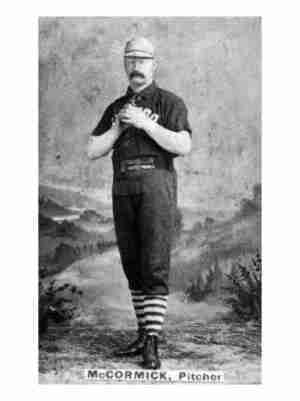
A dominating pitcher for a few seasons in the early 1880s, Jim McCormick was a bruising Scotsman whose underhanded prowess netted him 265 wins in what was a relatively brief career. Of course, he played in a time when teams essentially rode the same two pitchers. It wasn’t like McCormick could blame his manager in those early seasons; he was the Player/Manager.
Had there been a Cy Young Award in 1880 and 1882, Jim McCormick may very well have won it. In those two campaigns, he led the National League in every major Pitching Category. The issue with McCormick is that, even though he was a dominant player, he was not for long, and no position on the mound has changed more; those early flame throwers are often too easily overlooked. Had he won 300 Games, a milestone that ensured a Hall of Fame induction in the early days, McCormick would be inducted.
