

Notinhalloffame List Update: 176-200 on Football Revised
The problem with running a Hall of Fame-related website is that many of the big ones we cover all have announcements within months of each other. The backbone of what we do is list-related, resulting in a long push to revise what we already have, specifically now with our Football and Basketball Lists.
At present, we have a minor update as we have completed the next twenty-five of the 2024 Football List, which you can comment on and vote on:
The new 176 to 200:
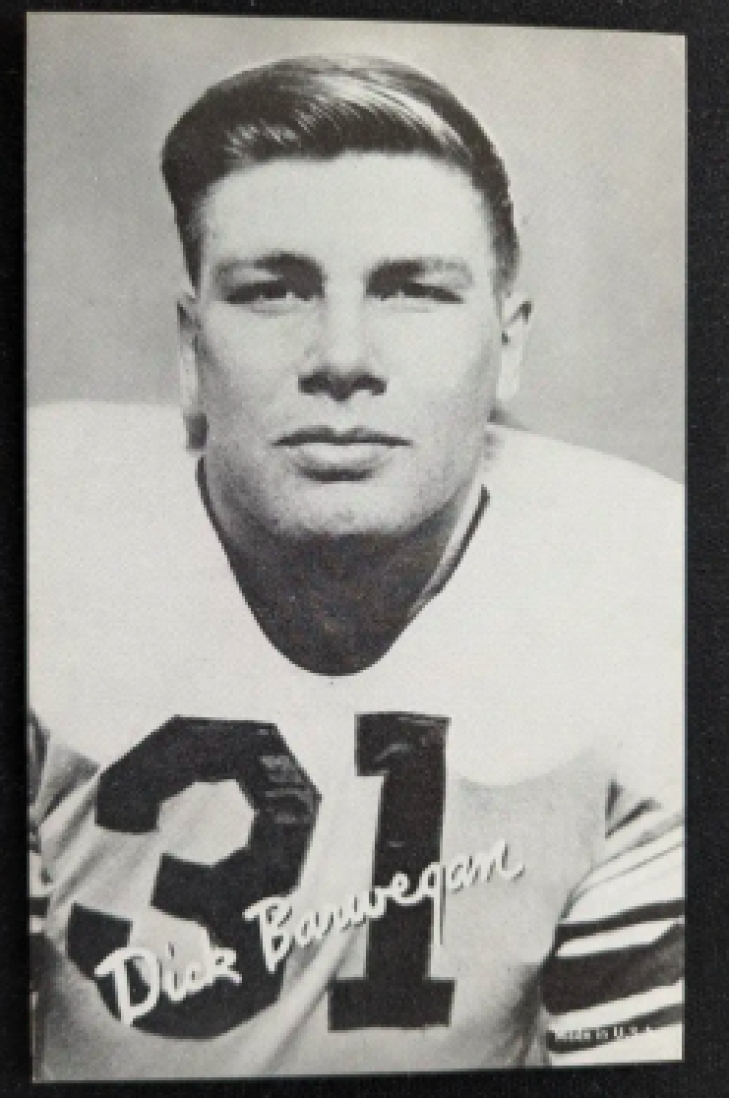
176. Dick Barwegan
177. Charley Hennigan
178. Cornell Green
179. Charley Brock
180. Bob Baumhower
161. Tank Younger
182. Buford “Baby” Ray
183. Bob Hoernschemeyer
184. Asante Samuel
185. Rich Jackson
186. Jim Katcavage
187. Matt Blair
188. Ken Kavanaugh
189. Abe Woodson
190. Nate Newton
191. Tom Sestak
192. Bill Forester
193. Brian Waters
194. Tim McDonald
195. Don Perkins
196. Steven Jackson
197. Jim Lachey
198. Brandon Marshall
198. Butch Byrd
199. Frank Minnifield
200. Dave Krieg
Rankings are impacted annually based on your comments and votes.
Thank you all for your patience. We will soon unveil more changes to the football and basketball lists.
208. Butch Byrd
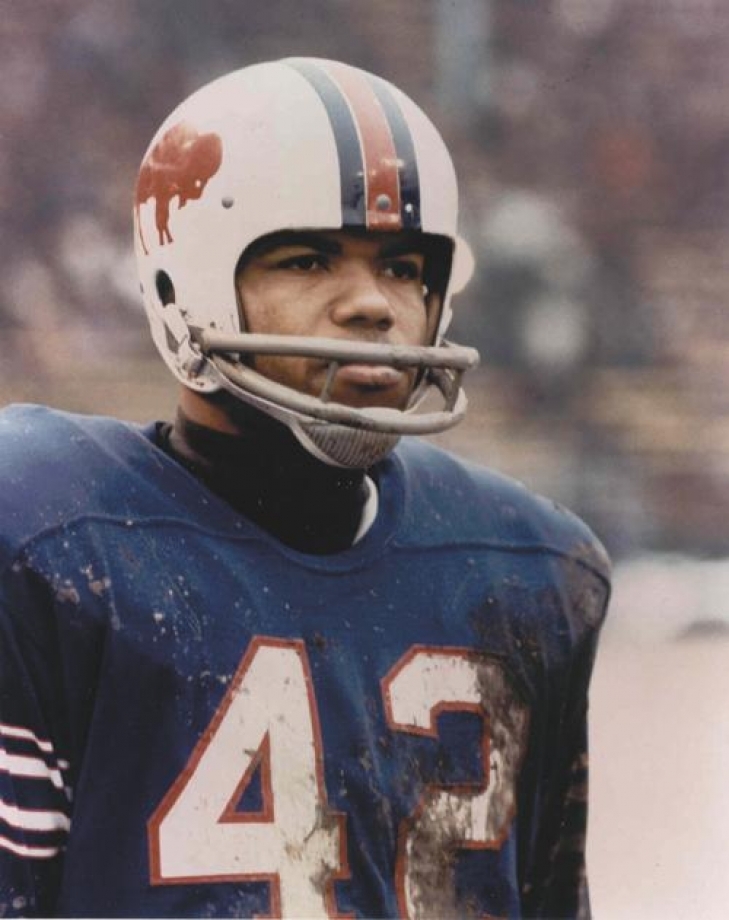
We can't say enough about the AFL's Buffalo Bills defense of the 1960s, a unit that doesn't get the credit it should. This team won the 1964 and 1965 AFL titles, but most people remember four straight Super Bowl failures in the early 90s.
We remember.
A member of the two back-to-back AFL Championships, Butch Byrd was a rookie on that first team, where the cornerback recorded 7 Interceptions and a career-high 179 Interception Return Yards. Byrd would never have a season with less than four picks as a Bill, which is impressive considering that opposing QBs wanted nothing to do with him.
Byrd would be a Second Team All-AFL Selection and was a five-time AFL All-Star. Also, the three-time First Team All-Pro is still the all-time leader in Interceptions and Interception Return Yards.
22. Butch Byrd
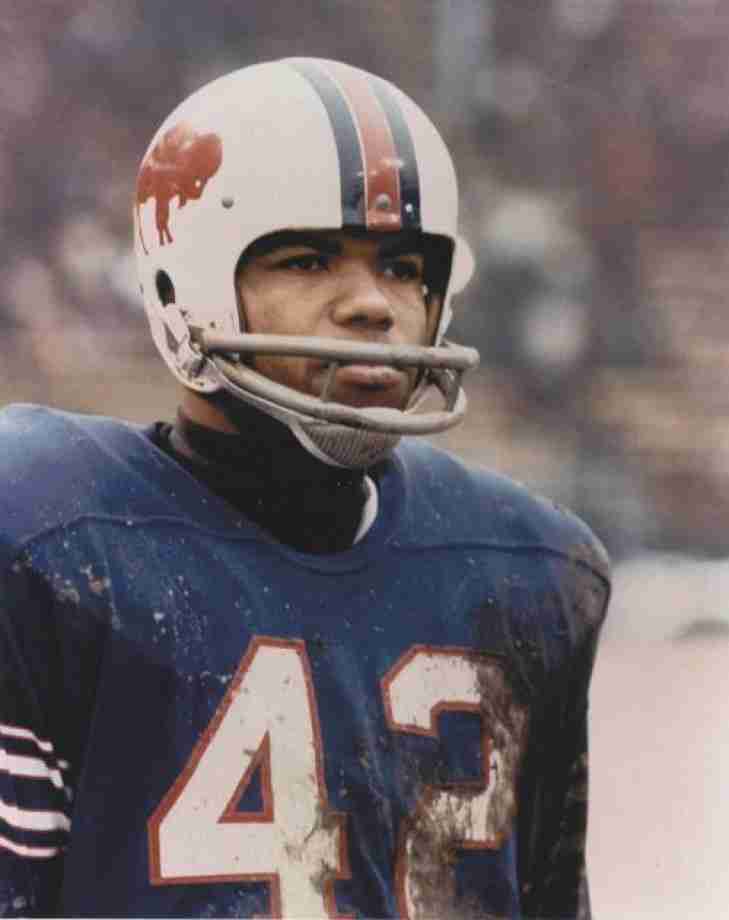
Chosen in the fourth round (25th overall) of the 1964 AFL Draft out of Boston University, Butch Byrd arrived in Western New York as an explosive, physical athlete. Stepping straight into the starting lineup as a rookie, Byrd locked down the right cornerback spot and quickly established himself as the premier ball-hawking defensive back in the American Football League.
Byrd uniquely combined sprinter's quickness with the physical strength typical of a 1960s cornerback. Playing on the island in Lou Saban's defense, he was adept at reading quarterbacks’ eyes, intercepting boundary routes, and breaking up deep passes. When he gained possession, his experience as a college running back quickly became evident—transforming interceptions and punt returns into pivotal scores with his open-field running ability.
Byrd made a notable impact in his rookie 1964 season, intercepting seven passes and returning one for 72 yards and a touchdown. He also recorded another interception in the postseason, contributing to Buffalo's 20–7 win over San Diego in the AFL Championship. His dominance reached its peak during Buffalo's 1965 title defense, where he snagged five interceptions while also returning punts. Byrd was named First-Team All-AFL and earned his second of five AFL All-Star selections as the Bills secured back-to-back AFL Championships.
Byrd was a relentless big-play threat in the late 1960s. In 1966, he intercepted six passes and returned a 74-yard punt for a touchdown in the AFL Championship Game. He received First-Team All-AFL honors in 1966 and 1969, and Second-Team All-AFL awards in 1964 and 1968. Over seven seasons with Buffalo, he started 98 straight regular-season games without missing any.
After the 1970 season, the Bills traded Byrd to Denver, where he played one final year in 1971 before retiring. His career excellence was recognized by the Pro Football Hall of Fame when he was named to the AFL All-Time Second Team.
In Western New York, Byrd played in 98 regular-season games, leaving as the undisputed single-season and career king of the Bills' secondary. Over half a century later, he remains Buffalo's all-time franchise leader in interceptions (40), interception return yards (666), and interception return touchdowns (5).
