

Our All Time Top 50 Texas Rangers have been revised to reflect the 2024 Season.

Yes, we know that this is taking a while!
As many of you know, we at Notinhalloffame.com are slowly generating the top 50 of each major North American sports team. That being said, we have existing Top 50 lists and consistently look to update them when necessary and based on necessity. As such, we are delighted to present our post-2024 revision of our top 50 Texas Rangers.
As for all of our top 50 players in baseball, we look at the following:
1. Advanced Statistics.
2. Traditional statistics and how they finished in the American League.
3. Playoff accomplishments.
4. Their overall impact on the team and other intangibles that are not reflected in a stat sheet.
Please note that our algorithm has changed, which yielded minor changes throughout the baseball lists.
Last year, the Rangers went 78-84, and failed to build on their previous World Series win. There were no new additions, but two significant elevations.
As always, we present our top five, which saw one change based on the new algorithm.
5. Buddy Bell
You can find the entire list here.
Within the top five, Beltre went past Gonzalez for #3 and Bell reached this elite group from #7. Both changes were based on the new calculations.
Corey Seager advanced to #23 from #28.
Marcus Semien climbed to #25 from #36.
Notably, Adolis Garcia did not advance from #35.
We thank you for your continued support of our lists on Notinhalloffame.com.
99. Buddy Bell
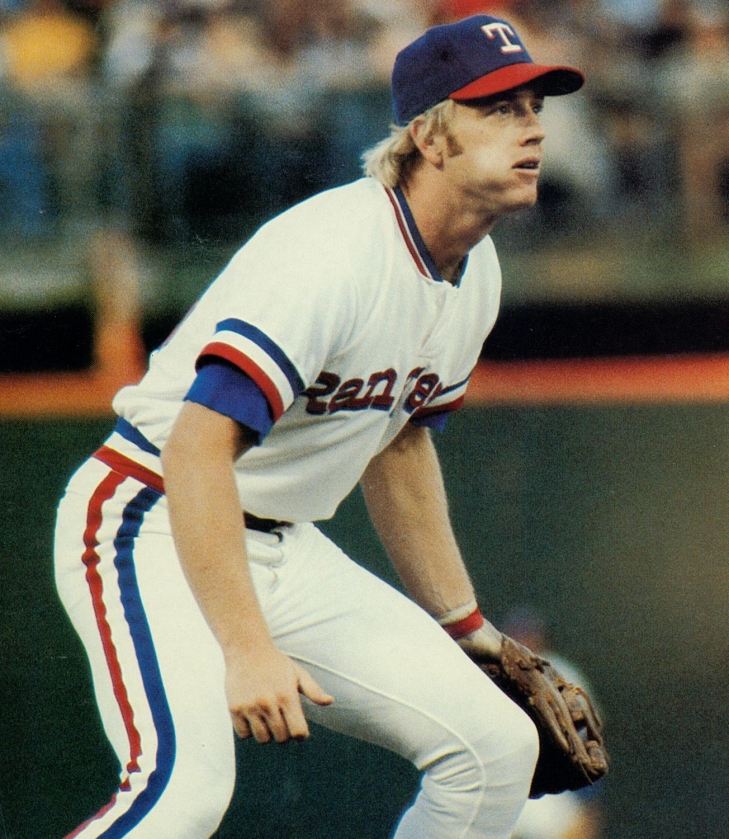
Many baseball players are considered underrated, but we will argue that Buddy Bell is on the Mount Rushmore of that list.
That likely happened because he never appeared in a playoff game, and his runs with the Cleveland Indians and Texas Rangers were with teams that were, overall, not very good. It was also part of his defense that it was his real strength, but while he earned six Gold Gloves, he was also a player who finished first in Defensive bWAR twice and was in the top eight six other times.
Bell was not a one-trick player, as he knew his way around the batter's box. The Third Baseman would have ten 150 Hit seasons and twelve years with over 10 Home Runs. Bell would accumulate 2,514 Hits with 201 Home Runs, which is an excellent metric for any baseball player.
The Top 50 Texas Rangers of All-Time are up
We think so too!
The next North American franchise, that we will look at in regards to the Top 50 of All-Time are the Texas Rangers. The Rangers have yet to win the World Series but they have been very competitive as of late and are a solid contender to win the big one in upcoming years.
You can click here to get the entire list here but here is a sneak preview of the top five:
1. Ivan Rodriguez
2. Rafael Palmeiro
3. Juan Gonzalez
4. Buddy Bell
5. Jim Sundberg
Up next are the Green Bay Packers, one of the most celebrated sports teams of any discipline.
Look for that soon and as always we thank you for your support!
7. Buddy Bell
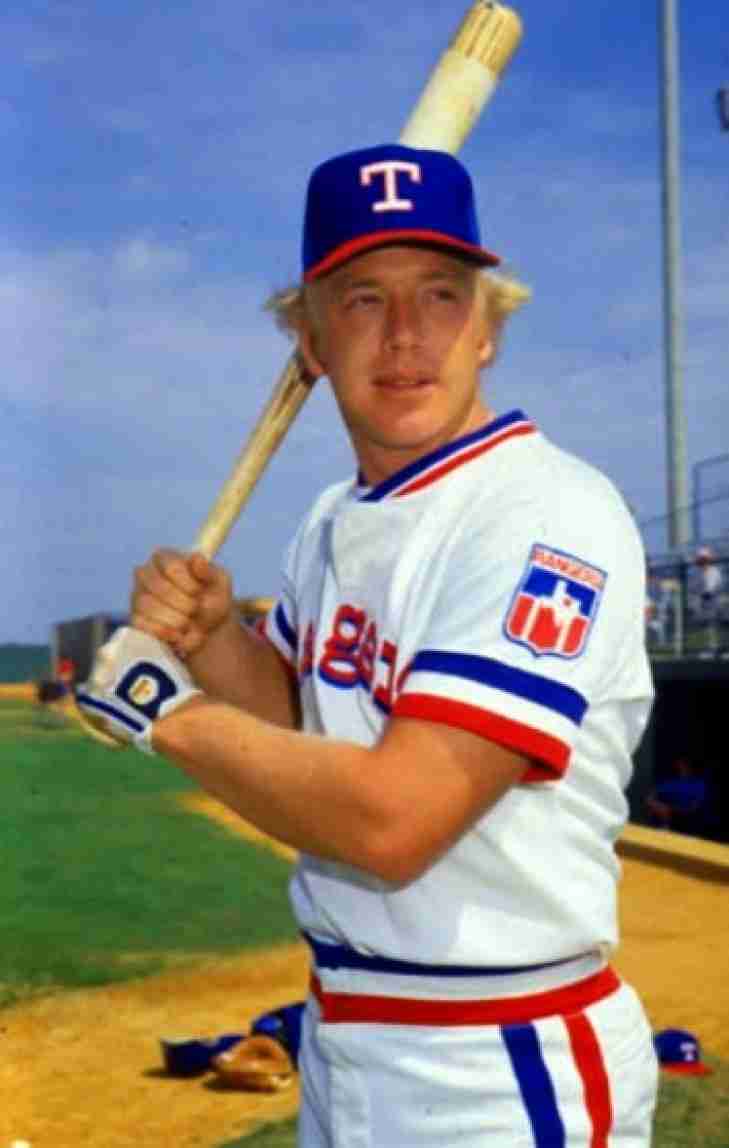
When the Texas Rangers acquired Buddy Bell prior to the 1979 season, they recognized him as a reliable veteran, yet few anticipated the exceptional defensive mastery and offensive performance that would soon manifest in Arlington. Assuming the responsibilities at third base for a franchise still establishing its presence within the American League, Bell immediately revolutionized the left side of the field. His arrival signified the commencement of a distinguished individual era, characterized by his soft hands, superior reflexes, and exceptional positional authority, establishing him as the foremost defensive third baseman of his generation.
Bell’s first season in Texas in 1979 is regarded as one of the franchise's best. He appeared in all 162 games, setting club records with 670 at-bats and 200 hits, including 42 doubles and 101 RBIs. This season clearly demonstrated Bell’s importance, showing he was not just a supporting player but a key leader who could lead a major-league lineup and effectively neutralize the opposing team's running game.
Bell's spectacular debut triggered an exceptional streak of defensive excellence. Over seven seasons in Arlington, he was an unstoppable force on defense, winning six straight Gold Glove Awards from 1979 to 1984. He made challenging cross-body throws seem effortless and regularly robbed opponents of extra-base hits down the line, amassing an impressive 15.7 defensive bWAR with the Rangers—placing him third in franchise history after Iván Rodríguez and Jim Sundberg.
While his glove earned him national acclaim, his bat remained a model of lethal consistency. Bell was an advanced contact hitter who routinely hit near or above .300, peaking with a blistering .329 average in 1980 and a .315 mark in 1984. Across his primary tenure with Texas, he accumulated 1,060 hits and maintained a stellar .293 batting average, providing a steady, high-leverage presence even as the teams around him frequently struggled to reach .500.
His sustained excellence earned him four American League All-Star selections as a Ranger, making him the proud face of a franchise starved for national recognition. Though he was eventually traded back to his hometown Cincinnati Reds during the 1985 season—before returning briefly for a 34-game swan song to close his career in 1989—his peak years were defined by the fans in Arlington who watched him dominate the hot corner daily.
In 2004, the Rangers inducted Bell into their Hall of Fame.
Awards = HOF? Part Nine: The Silver Slugger (Third Base) (MLB)
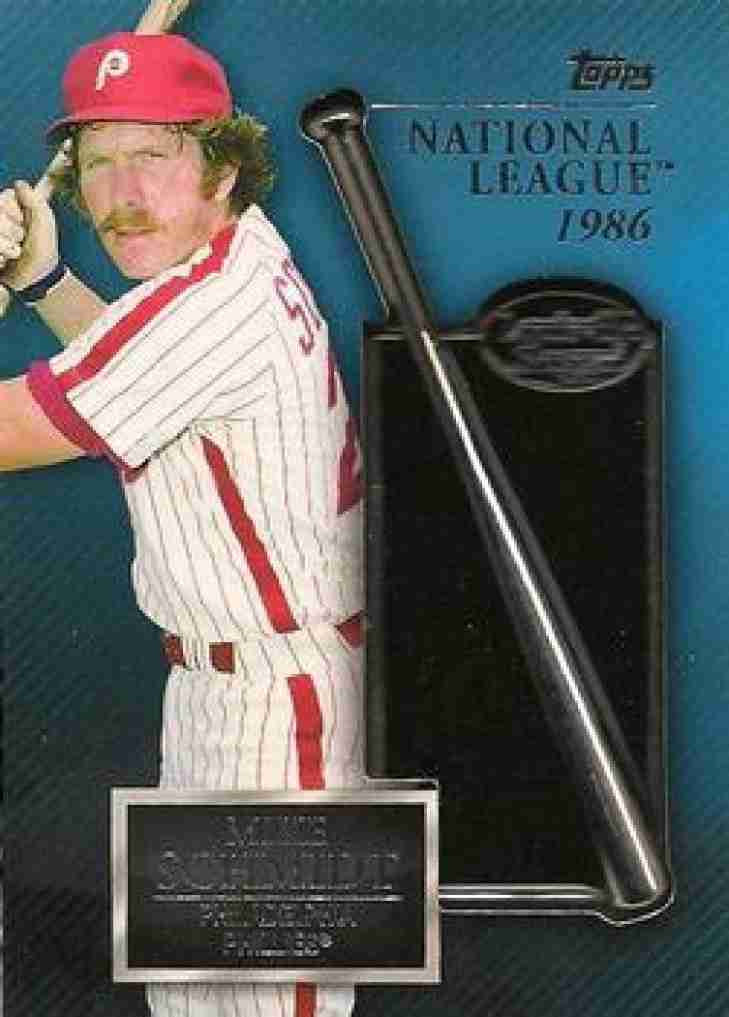
Needless to say, different awards in different sports yield hall of fame potential. In basketball, the team sport with the least amount of players on a roster, the dividend for greatness much higher. In baseball, it is not as much as a great individual season does not have the same impact.
