

161. Cam Newton
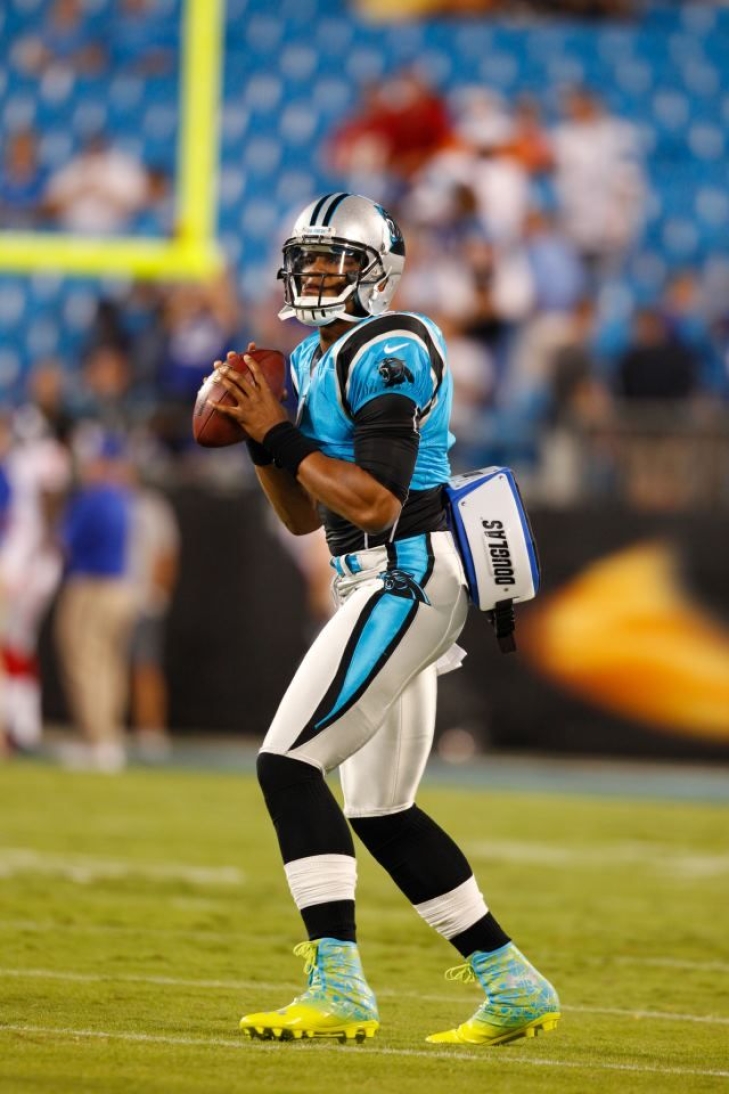
Cam Newton turned his college career around after flaming out at the University of Florida and avoiding expulsion. Transferring to small Blinn College, Newton started that season (2009) and led the school to a NJCAA National Championship. Newton then joined Auburn and put forth one of the best seasons in Tigers history. He dominated as a passer and runner and led Auburn to a BCS Championship and won the Heisman. NFL teams were gushing over his ability, and the Carolina Panthers, who held the number one pick, grabbed him.
Newton looked like a potential Hall of Fame inductee for the first five years of his career. He swept all the Offensive Rookie of the Year Awards and threw for over 4,000 Yards, which was his career-high. Though his 21-17 TD-INT ratio was pedestrian, he more than made up for it with 14 TDs on the ground. This was his first Pro Bowl year.
After a solid sophomore season, Newton went to his second Pro Bowl in 2013 and took Carolina to the Playoffs. He (and the team) struggled in 2014, as Newton battled injuries, but in 2015, Newton had the pro season of his life. He earned the “Superman” nickname, going 15-1, with 3,837 Passing Yards and a league-leading TD-INT ratio of 7.1 (35-10) and rushed for another 10 Touchdowns. Newton won the MVP but had the ultimate prize ahead of him: Super Bowl 50.
Newton and the Panthers fell to the Denver Broncos 24-10, and Newton did not have a good game, throwing an interception and fumbling twice. The second fumble, which was in the fourth quarter, was the second time that Denver’s Von Miller got to him, and these events happen to every great QB. Newton was destroyed in public perception because of his perceived lack of effort in not diving to recover the ball and how he walked away from the postgame press conference. Sadly, this is what he is mainly known for.
In the years that followed, Newton’s large frame began to accumulate injuries. After a rotator cuff injury in 2017, it was clear that he was not the same thrower, though his legs were still powerful. Newton’s passing numbers continued to decrease, and his season was shut down after 14 Games due to more shoulder problems in 2018. He only played in two Games in 2019 due to a foot injury. Newton was given permission to seek a trade, but when suitors came, the team released him. He signed with New England for 2020, where he was their starter. Newton rushed for 12 TDs but only threw for 8. He was released the following season during training camp and signed again with Carolina but lost all five starts. That was the end of Cam Newton’s playing career.
Newton compiled overall numbers of 32,382 Yards, and 194 Touchdown Passes, with 5,628 Rushing Yards and 75 Touchdowns. That last number is the key to any Hall of Fame shot, as those TDs on the ground are better than many HOF Running Backs.
97. Willie Anderson
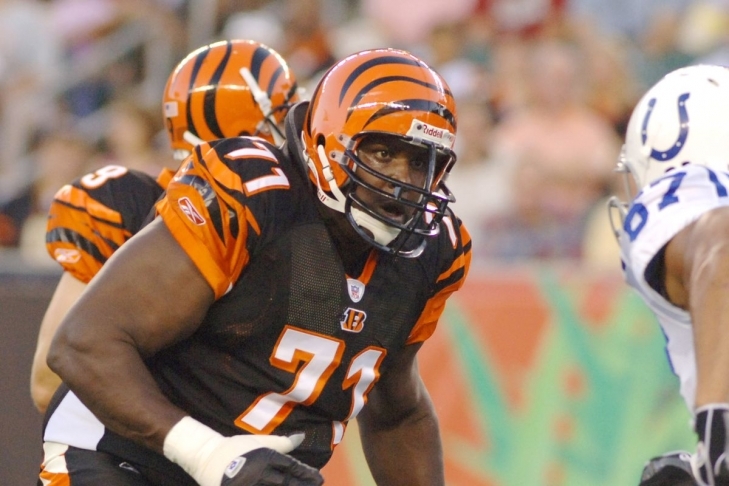
Willie Anderson entered the National Football League with high expectations when the Cincinnati Bengals drafted him 10th overall in 1996. Arguably, it took Anderson a while before he lived up to what was hoped for him, but the Offensive Tackle may very well have exceeded expectations when it was all said and done.
From 2003 to 2006, Anderson was named to the Pro Bowl, and in the latter three seasons, he earned First Team All-Pro honors. He would be named to the Cincinnati Bengals’ top 50 Players when the franchise celebrated its half-century Anniversary. Anderson is getting a lot of attention from the Hall of Fame, and the 340-pound behemoth looks to be the next Bengal in.
182. James Brooks
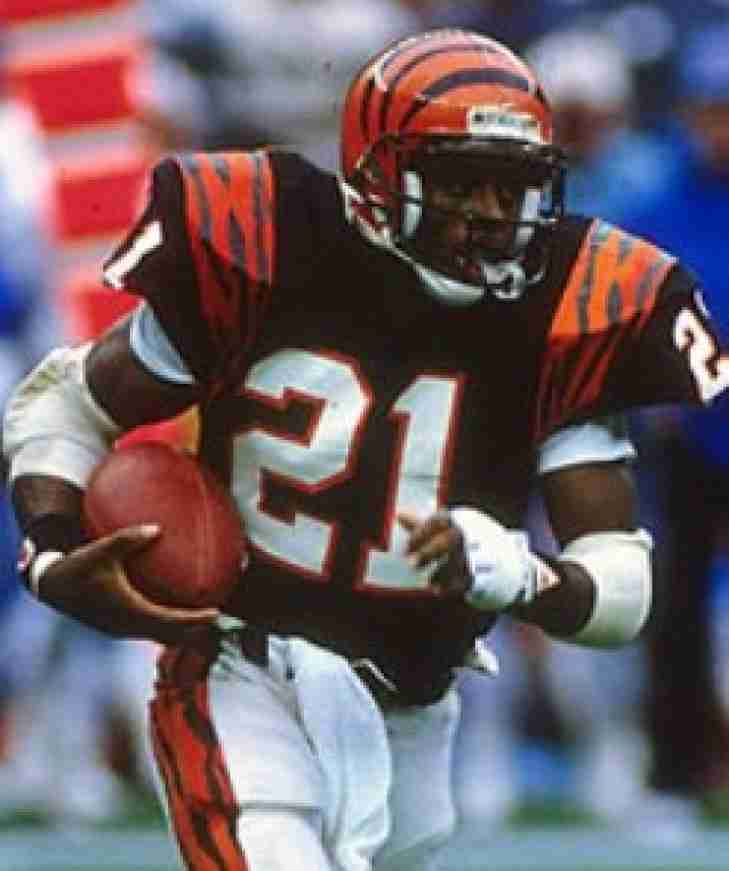
For a time, when James Brooks was playing, it seemed that you would hear his name being called throughout the entire game. With his incredible versatility, it stands to reason teams used him every way they could.
James Brooks led the league in All-Purpose yards in his first two years in the league. He excelled at Kick Returns and three times eclipsed the 1,000-yard mark rushing. He wasn’t the biggest athlete, but he was one of the most elusive runners and used his smaller stature as a positive rather than a negative.
Brooks was a great worker, but without an All-Pro Selection on his resume, the Hall likely considers him a really good player, but not necessarily a great one. Most NFL Running Backs wish that they could have a career that was as good as Brooks.
