

The Kansas City Chiefs to add Brian Waters to their Hall of Fame
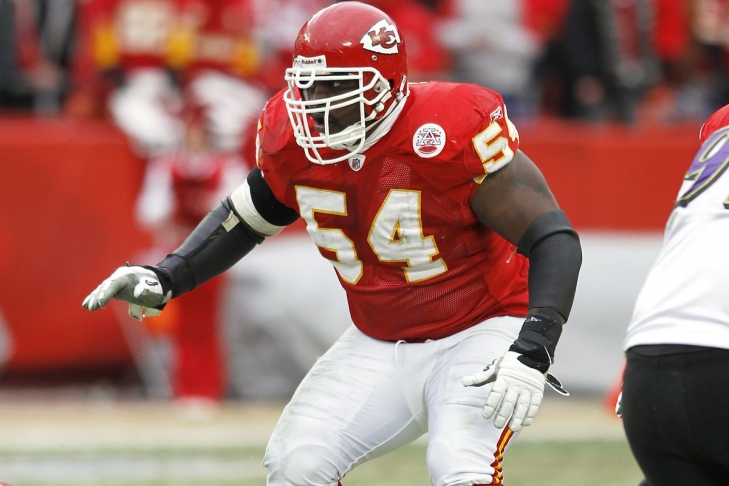
Regular visitors of Notinhalloffame.com know that we are slowly working on the top 50 of every major team in the NHL, NBA, NFL and MLB. Once that is done, we intend to look at how each team honor their past players and executive. As such it is news to us that the Kansas City Chiefs have announced that they are Brian Waters will be inducted into their franchise Hall of Fame.
Waters was undrafted out of North Texas and after the Dallas Cowboys signed and released him the Chiefs signed him and he made the 2000 roster. By 2002, he was Kansas City’s starting Left Guard and in 2004 he would go to his first of five Pro Bowls as a Chief, with the others coming in 2005, 2006, 2008 & 2010. He was also a two-time First Team All-Pro. Waters played 163 Games for Kansas City before signing with the New England Patriots for the 2011 Season.
Waters becomes the 49thperson and 45thplayer to enter the Chiefs Hall of Fame. Coincidentally, we are working on our All-Time Top 50 Kansas City Chiefs and Waters is pegged at the #19 spot.
We here at Notinhalloffame.com would like to congratulate Brian Waters for earning this honor.
Tony Gonzalez to enter the Kansas City Chiefs Hall of Fame
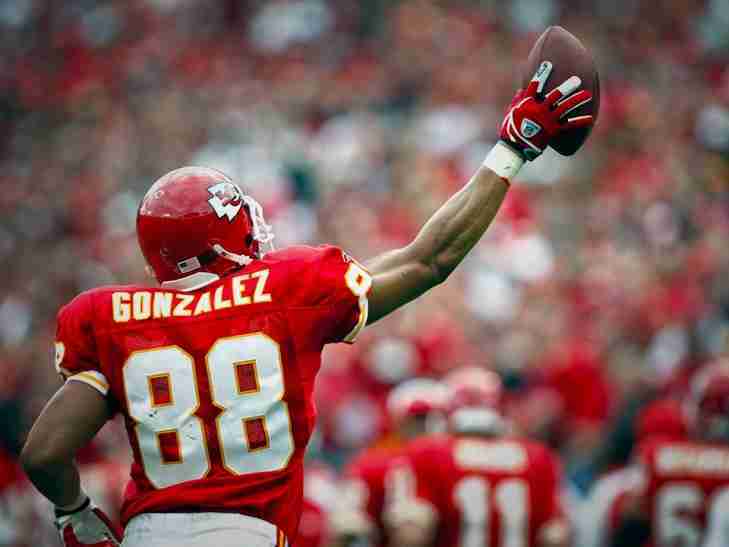
Gonzalez (who also played basketball) was drafted out of UCLA 13th overall in 1997 and in his third season he would make his first of 10 Pro Bowls and first of five First Team All Pro nods. Gonzalez had four campaigns that exceeded 1,000 Yards (unheard of for a Tight End) and actually led the NFL in Receptions in 2004. In his 12 years with Kansas City, he tallied a whopping 10,940 Yards with 76 Touchdowns.
He will be honored at an Award banquet on February 24 and will be officially enshrined at Alumni Weekend this fall.
Gonzalez becomes the 44th player (and 48th member overall) to enter the Chiefs Hall of Fame.
Carlos Carson named to the Kansas City Chiefs HOF
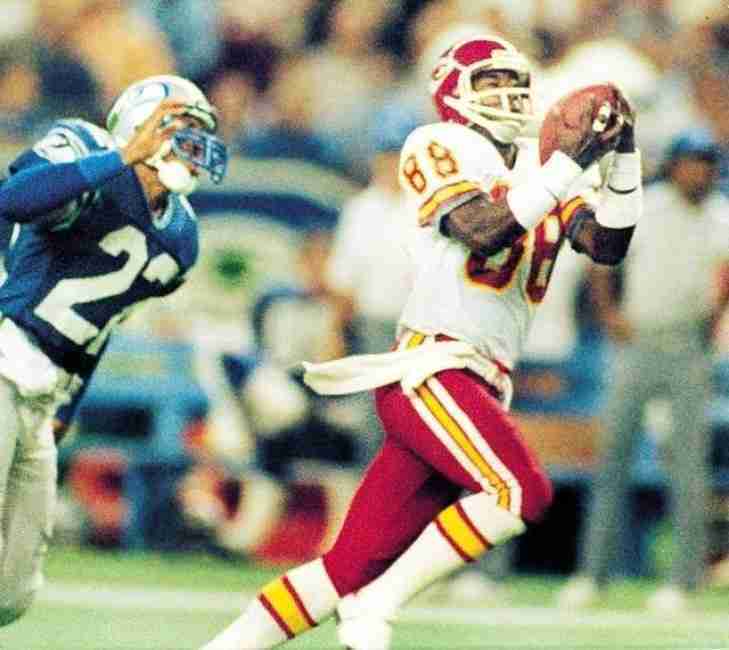
Regular visitors to Notinhalloffame.com know that we are slowly (or glacier like) working on our top 50 players for each major North American Franchise. After that is done, our intention is to look at how each one of those teams honor their past players and executives. As such, it is news to us that the Kansas City Chiefs has inducted Carlos Carson as the 47th member of their franchise’s Hall of Fame.
Drafted in the 5th Round out of LSU in the 1980 NFL Draft, “Speedy” Carlos Carlson would blossom into a dependable offensive weapon for the Chiefs. A Pro Bowler in both 1983 and 1987, Carlson would have three 1,000 Receiving Yard seasons in KC and would overall catch 352 passes for 6,360 Yards with 33 Touchdown Passes.
Carlson suited up for 352 Games as a Chief.
We here at Notinhalloffame.com would like to congratulate Carlos Carson for achieving this prestigious honor.
Tony Richardson to the Kansas City Chiefs HOF
Richardson, who was undrafted out of Auburn, would briefly be with the Dallas Cowboys practice squad before he was signed by the Chiefs in 1995. Richardson would prove to bean elite blocker, and would pave the way for 1,000 Yard rushing seasons by his respective Running Backs, Larry Johnson and Priest Holmes.
Richardson would become an effective offensive weapon himself, rushing for 1,575 yards and catching 177 passes for another 1,298 Yards. He would cross the goal line for 24 Touchdowns.
Two of Tony Richardson three Pro Bowls were as a Kansas City Chief and he would be named a Second Team All Pro in 2004.
We here at Notinhalloffame.com would like to congratulate Tony Richardson, the latest addition to the Kansas City Chiefs Hall of Fame.
Jared Allen Retires
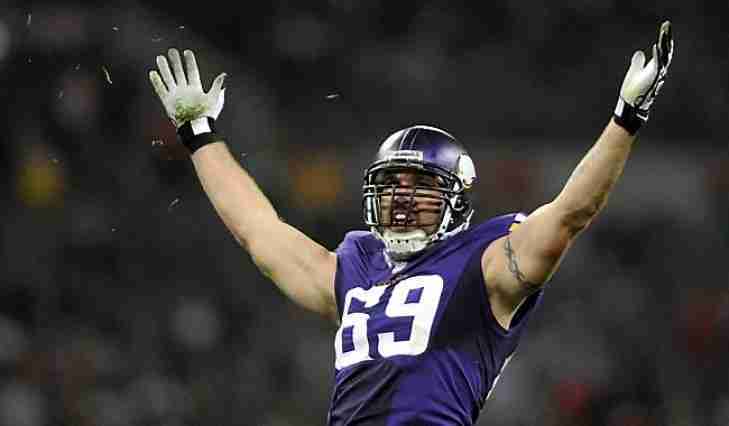
Allen was drafted in the fourth round by the Kansas City Chiefs in 2004 out of Idaho State. The Defensive End would quickly become a starter and would become a fan favorite known for his quirk mannerisms and mullet hairstyle. In 2007, which would be his last season with Kansas City, Allen would make his First Team All Pro roster, first Pro Bowl and would lead the NFL in Sacks. He would also win the prestigious NFL Pass Rusher of the Year Award.
Allen would be traded to the Minnesota Vikings and would sign what was then the largest contract in NFL history for a defensive player. In Minnesota, the accolades kept coming. He made three more First Team All Pro Selections (2008, 2009 & 2011), won the NFL Alumni Defensive Alumni Player of the Year in 2009 and was named the NFC Defensive Player of the Year in 2011. In that season, Allen had 22 Sacks, which remains a Minnesota Vikings record.
He would later play with the Chicago Bears and finished off his career last season as a member of the Carolina Panthers where he appeared in last month’s Super Bowl.
Jared Allen finished off his career with 643 Tackles, 136 Quarterback Sacks and 6 Interceptions. He will be eligible for the Pro Football Hall of Fame in 2021.
We here at Notinhalloffame.com would like to congratulate Jared Allen for his great career, and the impressive way in which he retired.
14. Jim Tyrer
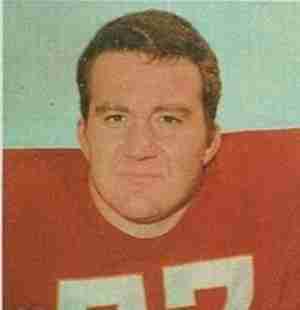
Out of all the people on this list, we will say up front that there is zero chance that Jim Tyrer will get into the Football Hall of Fame. Killing your wife and committing suicide thereafter is sadly what Tyrer is best known for, and this has led to him being ostracized by the NFL.
Had Tyrer not broken down in his personal life, his on-field accomplishments may have been enough to get him into Canton. He was arguably the best offensive lineman in the AFL and was a multiple-time AFL All-Star. He was voted to the all-time AFL team and was a big part of opening holes for Chiefs runners for years. Tyrer may very well be the best lineman that Kansas City ever had.
Again, his off-field circumstances will prevent him from enshrinement, though with what we now know about CTE, we have to wonder if he might have had that. He was a finalist once in his first year of eligibility, but was left off afterward until he made a shock return as a Senior Finalist in 2025. He won’t be back.
Should Jim Tyrer be in the Hall of Fame?
32. Otis Taylor
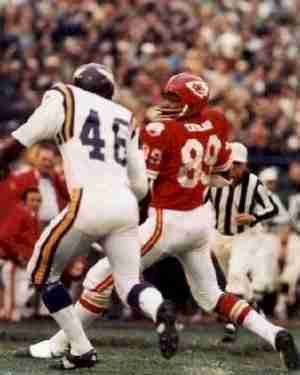
It may seem like a lifetime ago, but when Hall of Fame Quarterback Len Dawson was looking for a serious threat, it was Otis Taylor who was the target. In fact, it was Taylor who caught half of the passes for the Kansas City Chiefs in their Super Bowl IV victory.
From Prairie View A&M, Taylor was a star in the AFL and a major reason the Chiefs were so good. He was their top receiver and rewarded them with a 1,297-yard season in 1966. He was still productive after the NFL/AFL merger and led the league in receiving yards with 1,110 in 1971.
Unfortunately, for Otis Taylor and other great Wide Receivers of his generation, today’s wideouts put up much higher numbers in the open NFL, which makes Taylor’s numbers seem average (7,306 with 57 TDs). As Len Dawson will tell you, Otis Taylor was anything but average.
Should Otis Taylor be in the Hall of Fame?
58. Ed Budde
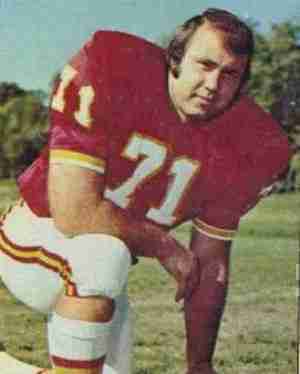
Len Dawson was one of the great quarterbacks in the American Football League, but a big reason he could do what he did was that Ed Budde helped him stay upright.
As the Left Guard during the first good run of the Kansas City Chiefs, Ed Budde was a punishing blocker who captained the Chiefs’ O-line. He was a multiple-time AFL All-Star and later earned two Pro Bowl selections. Powerful and agile, Budde helped Dawson and company win Super Bowl IV and was considered one of the best linemen in the AFL. He has a spot in the Kansas City Chiefs Hall of Fame, but without a previous nomination to the Football Hall of Fame, the trip from Kansas City to Canton seems long.
Should Ed Buddle be in the Hall of Fame?
38. Neil Smith
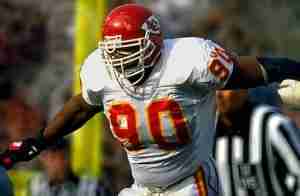
Very few players could be viewed as the total athletic package. Neil Smith may have been one of those rare exceptions, as scouts felt that with his skills, there was little he couldn’t do on the football field. Those scouts would be right.
Neil Smith was a multi-faceted Defensive End who was equally adept at stuffing the run as defending against the pass. His true gift may have been sacking the Quarterback as he led the NFL in that category in 1993. Smith was a six-time Pro Bowler, and though his skills were slightly diminished in the second half of his career, he helped the Denver Broncos win two consecutive Super Bowls in the late 90s.
Smith was paired in Kansas City with Derrick Thomas, who collectively made one of the fiercest defensive pairings in football. Thomas was posthumously elected to the Football Hall of Fame, but many of his achievements were aided by having Smith as a linemate.
Should Neil Smith be in the Hall of Fame?
20. Deron Cherry
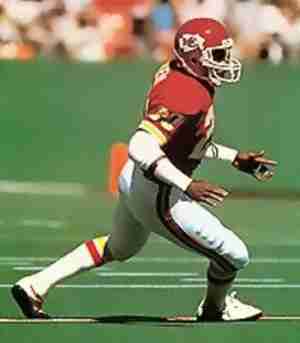
Punters typically don't have much of a chance to be inducted into the Hall of Fame. However, Deron Cherry's focus on being a Safety paid off, and he became one of the best at his position, benefiting the Kansas City Chiefs. Using his athletic abilities, Cherry became a top defensive star in the NFL and was consistently one of the league's best players. Even though he never led the league in interceptions, Cherry was an exceptional open-field tackler and rarely lost in one-on-one situations. As a result, Cherry was selected to the Pro Bowl six times and was named to the NFL All-Decade Team for the 1980s.
Cherry's impressive skills allowed him to record 35 interceptions, and he ranked in the top six in that category five times, including a second-place finish in 1986. It is surprising that he was never named a Pro Football Hall of Fame finalist.
Should Deron Cherry be in the Hall of Fame?
204. Brian Waters
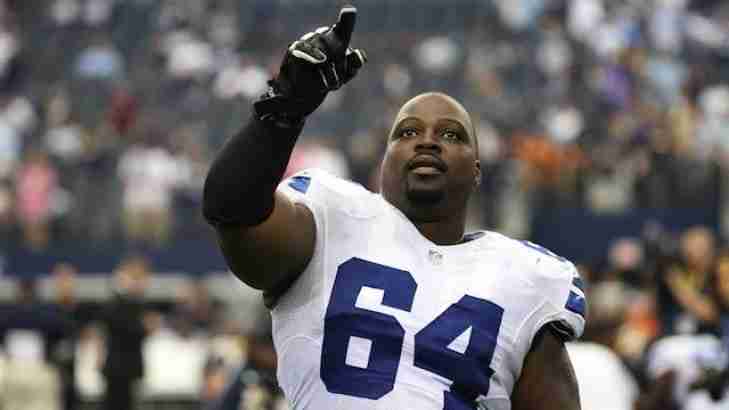
Undrafted in 1999 out of North Texas, Brian Waters defied the odds to become a successful Offensive Guard in the National Football League, most notably with the Kansas City Chiefs, where he was named to five Pro Bowls (plus one more with New England) and made two First Team All-Pro teams. The 2009 Walter Payton Man of the Year winner is historically the only AFC Offensive Lineman to have won an Offensive Player of the Week Award.
100. Dave Grayson
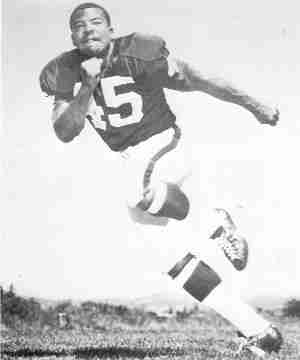
For so long, the AFL was considered the ugly stepchild of Football. This officially changed when the Jets won Super Bowl III, and many people reevaluated their position on American Football League talent. One such person was Dave Grayson who was a pick machine.
Grayson came a long way, as he went undrafted out of Oregon. Upon making the Dallas Texans roster, he immediately made an impact with his defensive acumen and kick return ability. Grayson was an AFL All-Star six times and is the all-time interception leader in the league.
Joining the Oakland Raiders in 1965, he remained an elite Cornerback, but he switched to Safety in his last four seasons, where, like he was at Corner, he was a multi-time AFL All-Star in his second position. He led the AFL in picks in 1968 (10) and had 48 overall.
