

5. Randy Gradishar
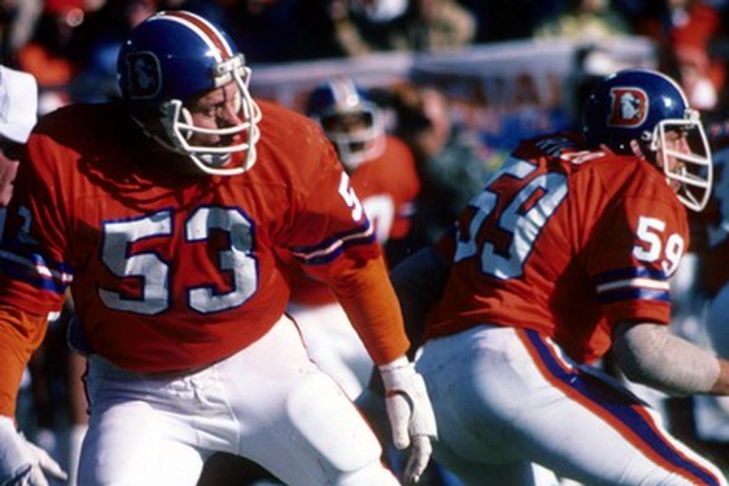
Drafted 14th overall in the first round of the 1974 NFL Draft from Ohio State, Randy Gradishar came to Denver with glowing praise from legendary Buckeyes coach Woody Hayes, who famously called him the best linebacker he ever coached. Throughout a career spanning over a decade, all in Denver's colors of brown, gold, and orange, Gradishar became the cornerstone of Denver's defense, growing to be the heart, mind, and spirit of the celebrated "Orange Crush" era.
Gradishar combined sideline-to-sideline range, textbook tackling form, and unmatched pre-snap recognition. Operating at middle linebacker in Joe Collier's 3-4 scheme, he was legendary for his short-yardage and goal-line stops, consistently meeting running backs head-on at the line of scrimmage to deny forward momentum. His instincts allowed him to drop cleanly into pass coverage as well, snaring 20 career interceptions.
Gradishar stepped into the starting lineup during his 1974 rookie season and earned his first Pro Bowl selection in 1975. By 1977, he was the undisputed centerpiece of a dominant defense that allowed just 10.6 points per game during the regular season. His ability to neutralize power-running games helped propel Denver to a 12-2 record, its first AFC West division title, and an iconic playoff run to Super Bowl XII, earning Gradishar his first First-Team All-Pro selection.
He reached the absolute peak of his national recognition in 1978, capturing consensus AP NFL Defensive Player of the Year honors. That season, Gradishar recorded a staggering, franchise-record 286 tackles (according to the team), three sacks, and three interceptions while leading Denver to another 10-win campaign and a playoff berth. He capped his dominant late-70s run in 1979 with a fourth consecutive Pro Bowl nod, recording over 200 tackles and three interceptions as the Orange Crush defense yielded under 18 points per game for a third straight year.
What made Gradishar's decade of service in Denver particularly noteworthy was his unwavering availability. Throughout his ten-year career spanning from 1974 to 1983, he did not miss a single game, establishing a streak of 145 consecutive regular-season appearances. He was the leading tackler for the Broncos for nine successive seasons (1975–1983), amassed a total of 33 takeaways (comprising 20 interceptions and 13 fumble recoveries), and received seven Pro Bowl selections along with five All-Pro honors (including 2 First-Team and 3 Second-Team).
In 1989, the franchise permanently recognized his unmatched contributions by inducting him as the sole member into the Denver Broncos Ring of Fame. For decades, his absence from the Hall of Fame was cited as one of the game's most egregious omissions. That long-overdue justice finally arrived when Gradishar was elected to the Pro Football Hall of Fame as a member of the Class of 2024, taking his rightful place among the immortals in Canton.
283. Dennis Smith
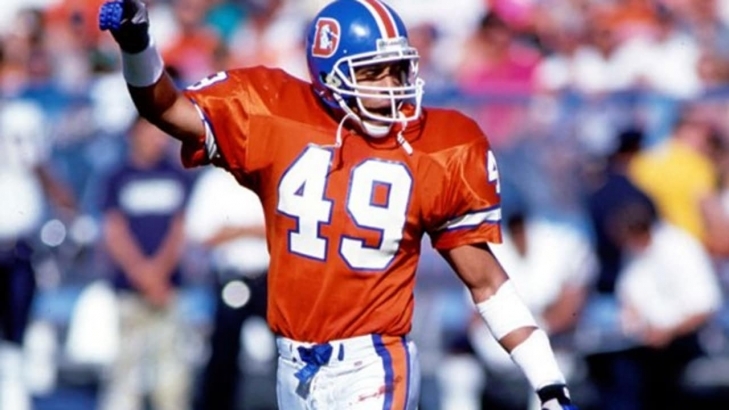
Dennis Smith was one of the best Defensive Backs in the history of the Denver Broncos.
237. Goose Gonsoulin
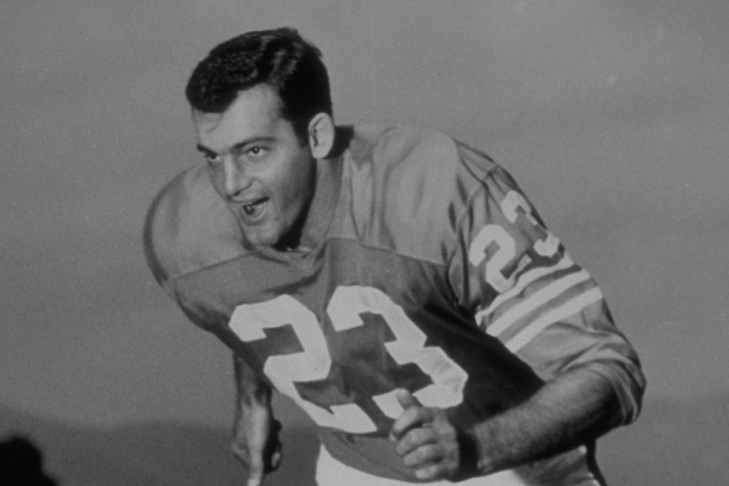
While Goose Gonsoulin was a 17th Round Pick by the San Francisco 49ers, the Baylor Bear was a 2nd Rounder by the Denver Broncos of the AFL, the professional team he elected to play for.
It was a good move for both sides, and the original Bronco was a First Team All-Pro and the inaugural AFL leader in Interceptions as a rookie. Gonsoulin would go on to have five AFL All-Star Game appearances and another First Team All-Pro Selection, and while the Broncos were not particularly strong when he was there, he was undoubtedly a bright spot of the organization.
At the time of his signing with the 49ers in 1967 (he only played one year before retiring), he was the AFL's all-time leader in Interceptions with 40. He later made the AFL All-Time 2nd Team and was part of Denver's inaugural Ring of Fame Class.
123. Tom Nalen
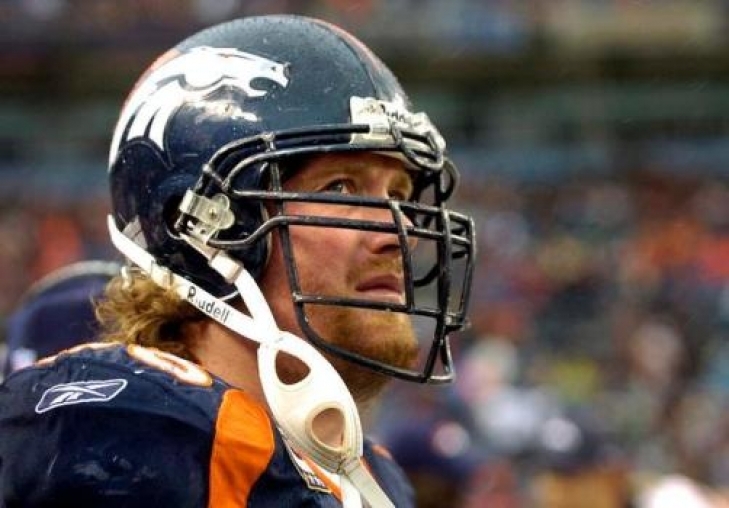
Tom Nalen played his entire career in the National Football League with the Denver Broncos, where he started all 187 Games at Center. Early in his career, Nalen would win two Super Bowls with John Elway as his Quarterback, and during those ring acquisitions, he was in the midst of a four-year streak of Pro Bowls with two First Team All-Pros. Nalen earned his fifth Pro Bowl and third First Team All-Pro in 2003, and he played at Mile-High until his retirement in 2009. Considering how many non-Terrell Davis Running Backs he helped exceed expectations, Nalen's value can be easily quantified.
229. Rick Upchurch
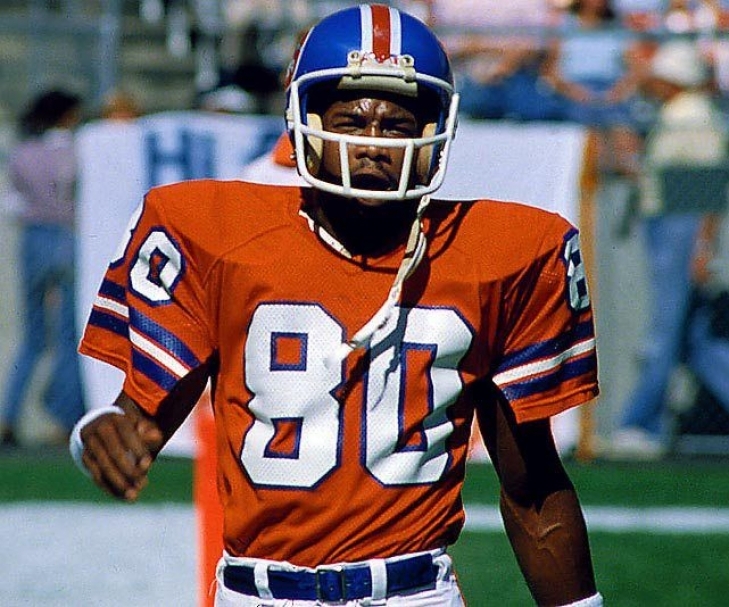
From the University of Minnesota, Rick Upchurch came to the Denver Broncos in 1975, and like many Wide Receivers, he was used as a returner as a rookie. This was the role he primarily played in his first four seasons. During that time, he was a Pro Bowler and a First Team All-Pro Selection twice and was regarded as the NFL's premier punt returner.
While still returning on a regular basis, he would be used more as a Wide Receiver from 1979 to 1983, peaking with a 64 Reception Season in 1979 and finishing with 267 receptions for 4,369 yards and 24 Touchdowns. Upchurch went to his third Pro Bowl in 1979, with his fourth coming in 1982, coinciding with a third First Team All-Pro selection. Upchurch would have another 3,008 Punt Return Yards, with eight of them going into the end zone.
235. Lyle Alzado
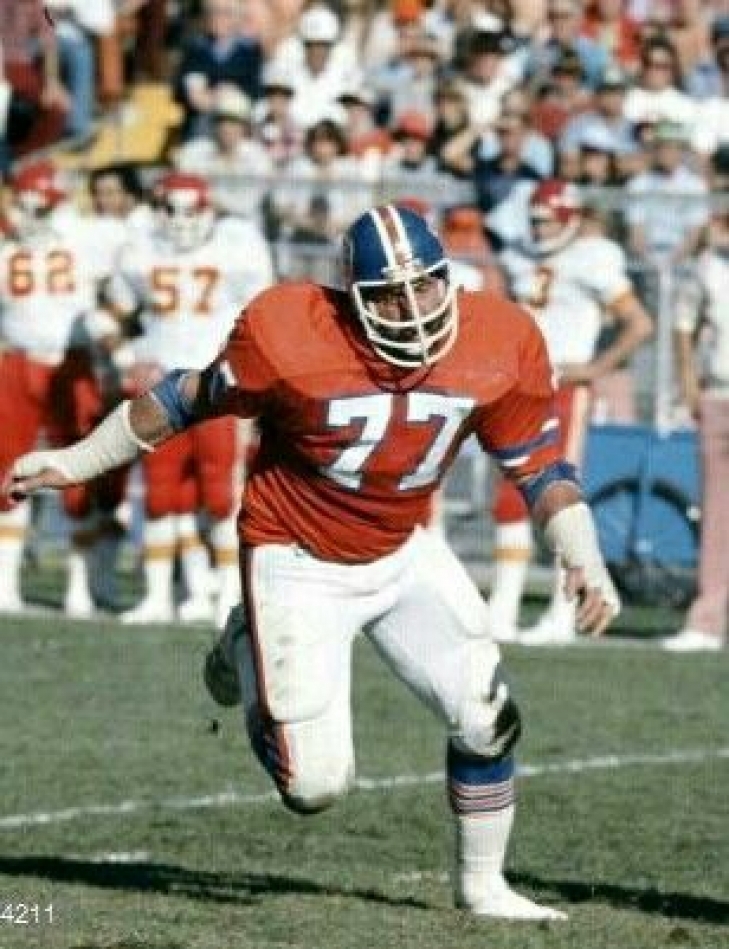
In terms of notoriety, there are few on the defensive side of the ball that can match Lyle Alzado. Known for his anger and ferocious play on the gridiron, Alzado debuted in 1971 with the Denver Broncos, and the following season he led all players in Fumble Recoveries. Alzado played predominantly at Defensive End, and after missing most of the 1976 season due to a blown-out knee, he returned to help the Broncos and their defense reach their first Super Bowl. A contract dispute led to his trade to the Cleveland Browns, and he later moved to the Los Angeles Raiders, where his popularity rose and he helped them win Super Bowl XVIII.
Alzado retired with 112.5 "unofficial" Sacks and was a two-time Pro Bowl and two-time First Team All-Pro Selection. After his career ended, his life came to a tragic end as he was an admitted steroid abuser and believed that his PED use would cause the brain tumor that would take his life.
195. Rich Jackson
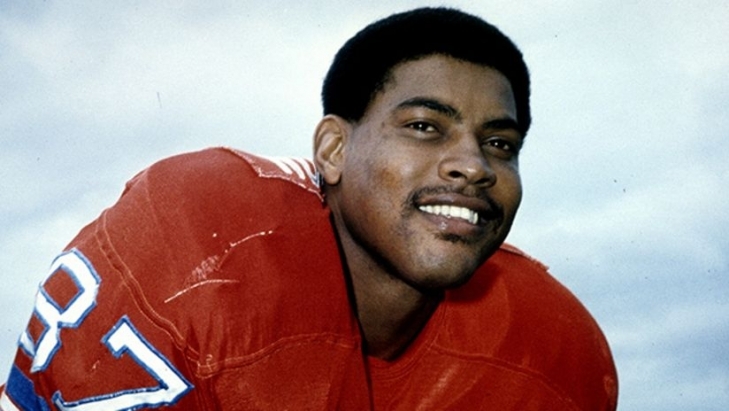
Undrafted out of Southern in 1966, Rich Jackson was given a chance by the Oakland Raiders, where he played only five games. Al Davis traded Jackson to the Denver Broncos, but the Raiders owner would soon regret it.
Jackson would become the best Defensive End in the American Football League, where, from 1968 to 1970, the man nicknamed “Tombstone” would go on a three-year streak of First Team All-Pros and Pro Bowls and would be known forever for his “head slap” and “halo spinner", two moves that would become staples of those looking to emulate Jackson. It is arguable for us to say that during those three seasons, no other Defensive End could touch him, but that was over almost as quickly as it began. He suffered a massive injury to his knee in 1971, and he was out of the game a year later, but his impact on the game, whether people are aware, is substantial.
153. Lionel Taylor
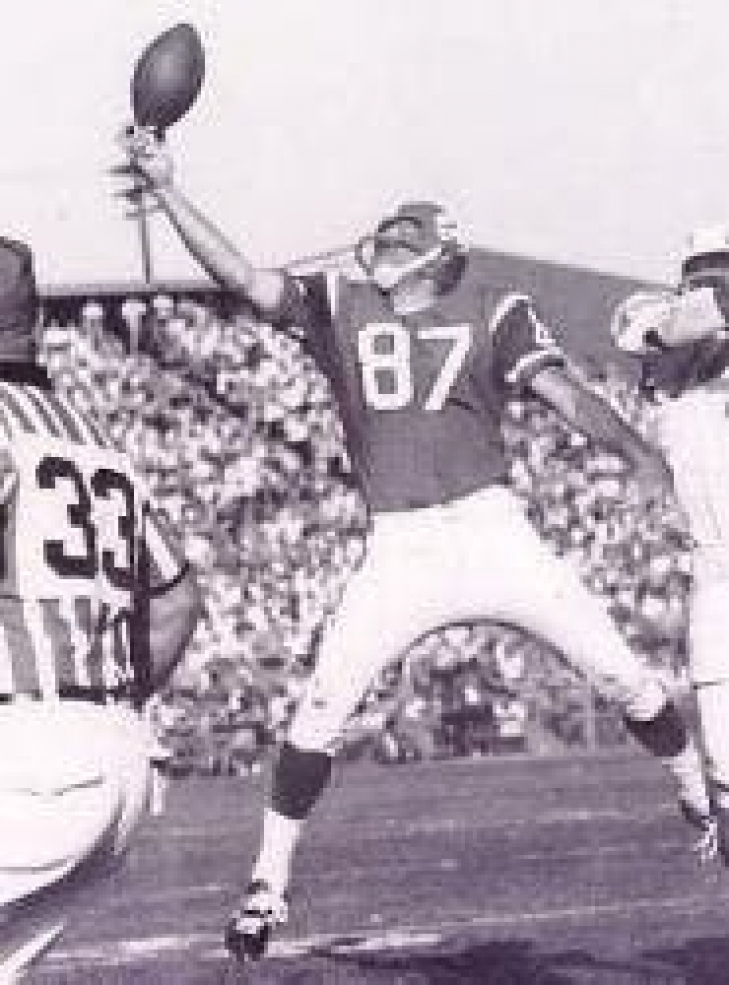
As an NFL rookie in 1959 for the Chicago Bears, Lionel Taylor saw limited action, but his bench-warming days were behind him as he signed with the Denver Broncos of the American Football League.
Taylor would lead the AFL in Receptions in each of the league’s first four seasons and again in 1965. He would make history by becoming the first player to have a 100 Reception Season (1961), and while he never led the AFL in Receiving Yards, he was in the top three on five occasions. What hurts Taylor is that his Yards per Reception and Touchdown production weren’t strong, but he was, without a doubt, the Broncos’ first real offensive weapon. We think that means something!
28. Louis Wright
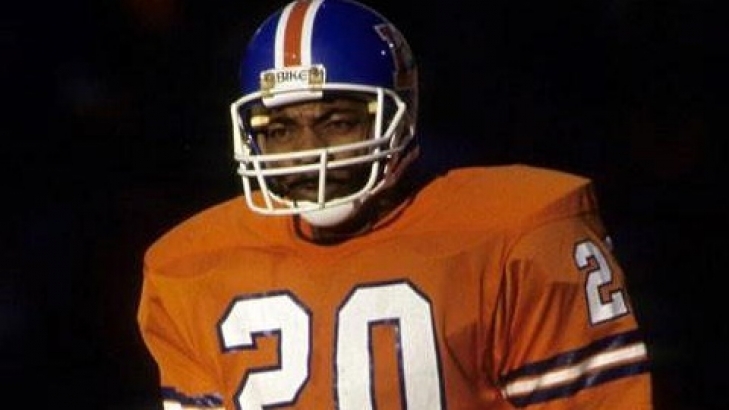
Considered a shutdown Cornerback before there was such a term, Louis Wright would play his entire career with the Denver Broncos. Drafted in the 1st Round (17th Overall) from San Jose State, Wright paid immediate dividends by being named to the First Team All-Rookie squad. Denver was developing a reputation for their Orange Crush Defense, but if anyone got past them, they would have Louis Wright to contend with. Wright was easily one of the best Corners in the late ‘70s, earning Pro Bowl selections in 1977, 1978, and 1979, and First Team All-Pro honors in the latter two seasons. He was also crucial in helping Denver reach its first Super Bowl, losing to the Cowboys in Super Bowl XII.
Despite Denver's Super Bowl appearance, Wright's exploits didn't get national recognition. One of the most adept at shadowing a receiver, Wright's instincts were incredible, and in every game he played, his opposing offensive coordinator planned schemes to avoid throwing to Wright.
Wright would go to two more Pro Bowls in the 1980s and was named to the Second Team All-Decade team of the 1970s. Now that Randy Gradishar has received his due, could Wright follow him?
#8 Overall, Von Miller, Dallas Cowboys, #3 Defensive Lineman/Linebackers: Pass Rushers
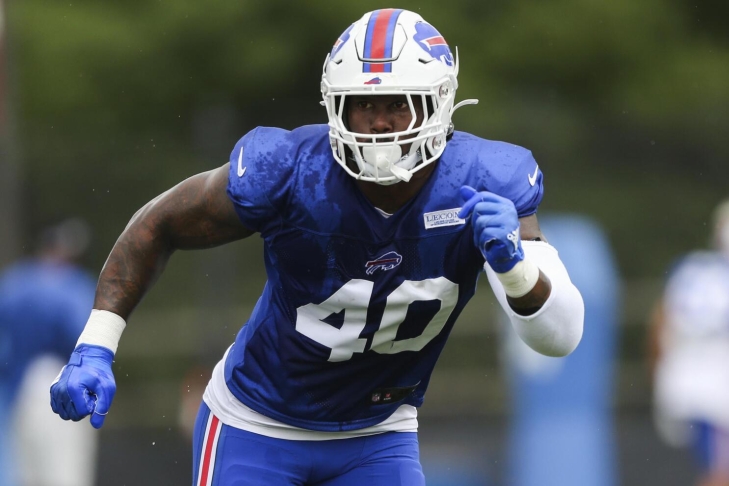
2025 Pre-Season Rank #6, 2024 Pre-Season Rank #7, 2023 Pre-Season Rank #4, 2022 Pre-Season Rank #7, 2021 Pre-Season Rank #8, 2020 Pre-Season Rank #10. Peak Period: 2011-12/2014-16.
A Defensive Rookie of the Year, Super Bowl winner, and Super Bowl MVP for the Denver Broncos, Miller has all the statistical requirements the Hall looks for and the name recognition that fits the word "Fame.” Over the last four seasons, Miller served as a pass-rushing specialist for the Buffalo Bills and Washington Commanders, and now he begins the season in his home state, wearing the blue star of the Dallas Cowboys.
As for how much Miller has left in the tank, he generated nine sacks last season in his specialized role, moving him to ninth on the official list and three away from tying Michael Strahan for sixth. Only one Tackle for Loss gives him sole possession of fourth in that all-time list.
The only thing that we think could delay him is if some of the members of the Pro Football Hall of Fame might want him to pay penance for his past suspensions (one for substance abuse and one for domestic violence), though they did generate a lot of press considering his high profile. Honestly, they might not even discuss it.
DeMarcus Ware Retires
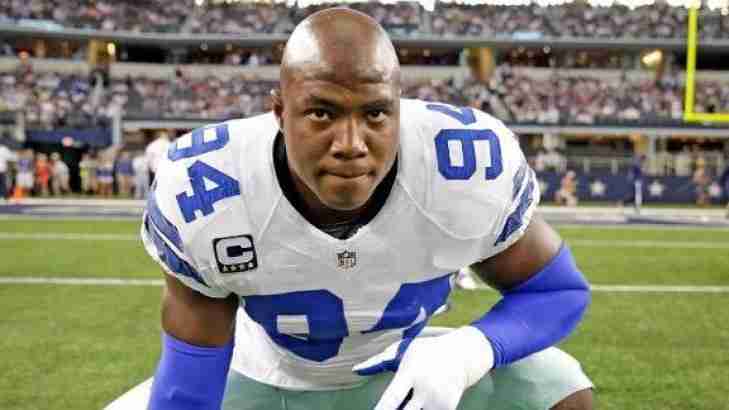
On his Twitter page, DeMarcus Ware has announced his retirement citing that his “long-term health and quality of life outweigh the spark and passion to play that I once had.” Ware is retiring at 34 Years old.
Drafted 11th overall in 2005 by the Dallas Cowboys out of Troy, the former two time All Sun Belt Selection won the starting Linebacker job in training camp and would make the Pro Bowl the following year, the first of nine trips. The following season, Ware would make the First Team All Pro honors, and would earn that accolade four of the next five years.
Ware would lead the NFL in Quarterback Sacks twice over his career and had eight seasons where he would have double digits in that category. He would later help the Denver Broncos win Super Bowl 50.
Ware retires from the NFL 8th overall in Sacks with 138.5. He played 178 Games professionally.
While we are not certain whether or not Ware will get into the Pro Football Hall of Fame on the first ballot, he is likely to get in eventually and will certainly warrant a high rank when he is eligible in 2022.
We here at Notinhalloffame.com would like to congratulate DeMarcus Ware on a wonderful career and we wish him the best in his post-playing career.
John Lynch 2017 HOF Debate
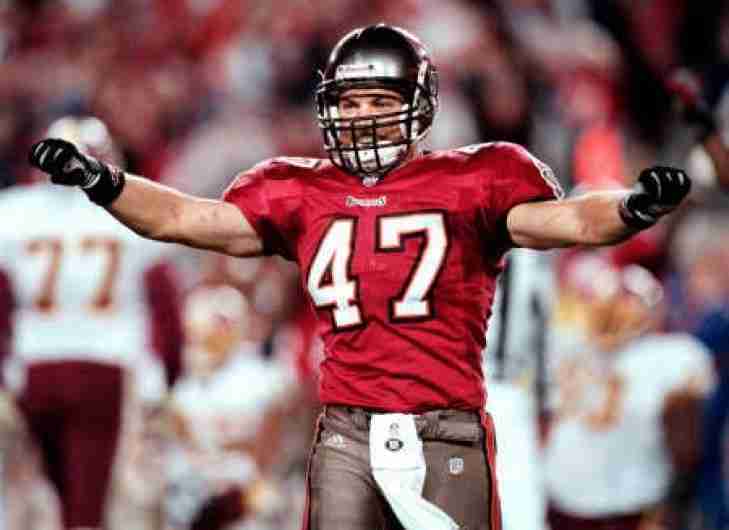
Committee Chairman: Spheniscus, we return to that powerful Buccaneers defense with John Lynch, who doesn’t hurt his case by remaining in the public eye as a broadcaster. I know that shouldn’t matter, but do you think that helps to put him over the hump? I think he already has the Hall resume but when you see him weekly and his broadcasting peers constantly state that opinion, it can only accelerate his cause.
Terrell Davis 2017 HOF Debate
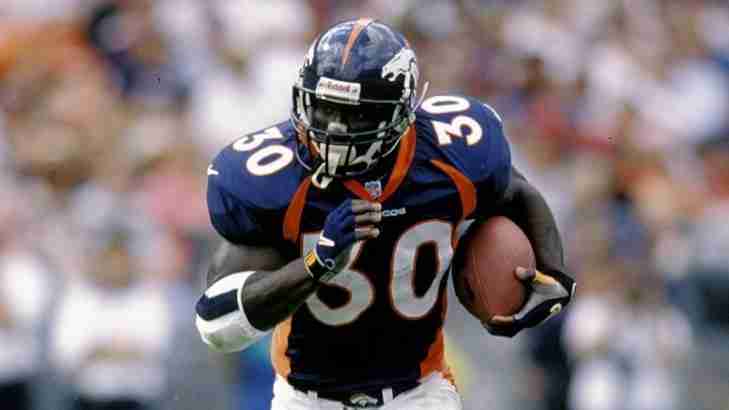
Committee Chairman: Spheniscus, I know what I just said about Tony Boselli, but I feel so much different about Terrell Davis. Yes he had a short career, but it was so explosive and with all due respect to John Elway and the rest of the Denver Broncos, they don’t win back-to-back Super Bowls without him.
A look at Steve Atwater's PFHOF snub
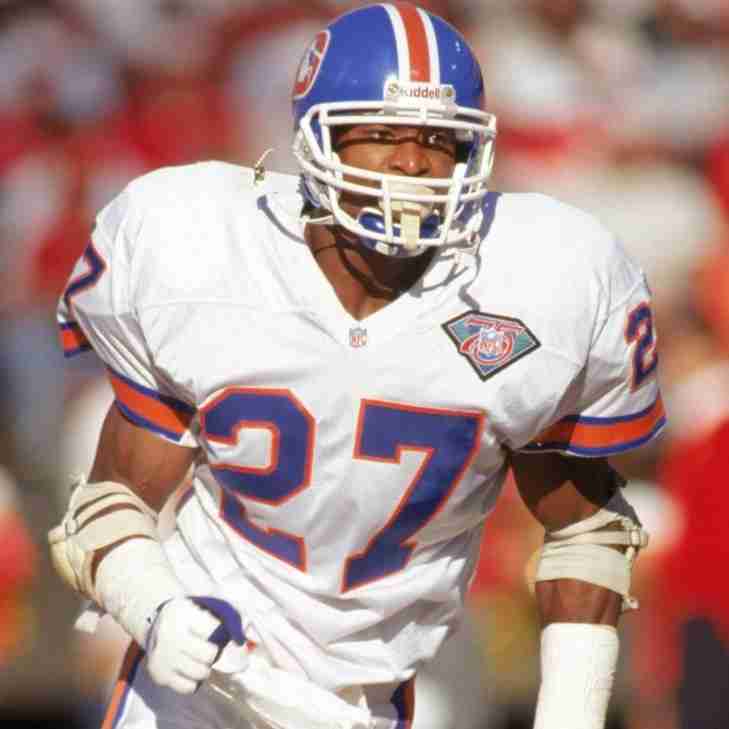
Now that the Baseball Hall of Fame Class of 2016 has announced their class has done the same. We were hopeful to do this prior to the announcement of the actual inductees, but life, as it often does simply got in the way!
Saying that, we felt it was worth our time to take a look at the 2016 Nominees and debate whether they should have gotten in (or not) and look to the future of the Pro Football Hall of Fame.
85. Karl Mecklenburg
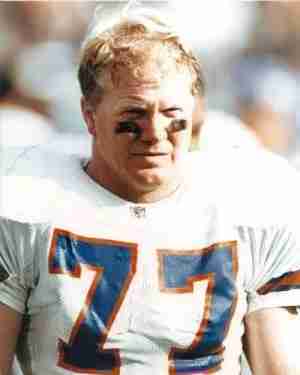
We would love to make a case for Karl Mecklenburg just for his nickname of the “Albino Rhino,” but we have always been a sucker for colorful (or in this case, not so colorful) nicknames.
For years, there was no argument that Karl Mecklenburg led the Denver Broncos defense. He was a major factor in multiple playoff appearances, and he earned several individual accolades. Unfortunately for Mecklenburg, he wasn't on the Broncos squad that finally pushed through to a pair of Super Bowl wins in the late 90s.
The Denver Broncos seem to have little Hall representation from their early days. Mecklenberg is honored in Denver in the Ring of Fame, but the Rhino is unlikely to be the next Bronco enshrined.
Should Karl Mecklenburg be in the Hall of Fame?
78. Rod Smith

It is one thing to be highly touted out of college and rack up serious statistics in the National Football League. It is quite another to do that when you go undrafted. Rod Smith lit up the league when nobody saw it coming.
After going virtually unnoticed at Missouri Southern State, Rod Smith was signed by the Denver Broncos and, by his third year, fought his way to the starting roster. He would go for 1,000 receiving yards eight times in his stellar career and was a huge part of the Broncos winning two consecutive Super Bowls.
Rod Smith may be overlooked as his offensive stats came at a time when many others accomplished the same, but no one can ever take away that he will go down as one of the good guys of the game and has earned his respect in the Rocky Mountains. A model of consistency, Smith might be the most overlooked wide receiver of all time, and think what company that keeps?
Should Rod Smith be in the Hall of Fame?
38. Neil Smith
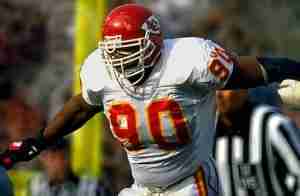
Very few players could be viewed as the total athletic package. Neil Smith may have been one of those rare exceptions, as scouts felt that with his skills, there was little he couldn’t do on the football field. Those scouts would be right.
Neil Smith was a multi-faceted Defensive End who was equally adept at stuffing the run as defending against the pass. His true gift may have been sacking the Quarterback as he led the NFL in that category in 1993. Smith was a six-time Pro Bowler, and though his skills were slightly diminished in the second half of his career, he helped the Denver Broncos win two consecutive Super Bowls in the late 90s.
Smith was paired in Kansas City with Derrick Thomas, who collectively made one of the fiercest defensive pairings in football. Thomas was posthumously elected to the Football Hall of Fame, but many of his achievements were aided by having Smith as a linemate.
Should Neil Smith be in the Hall of Fame?
Interview with Former Denver Bronco, Orson Mobley
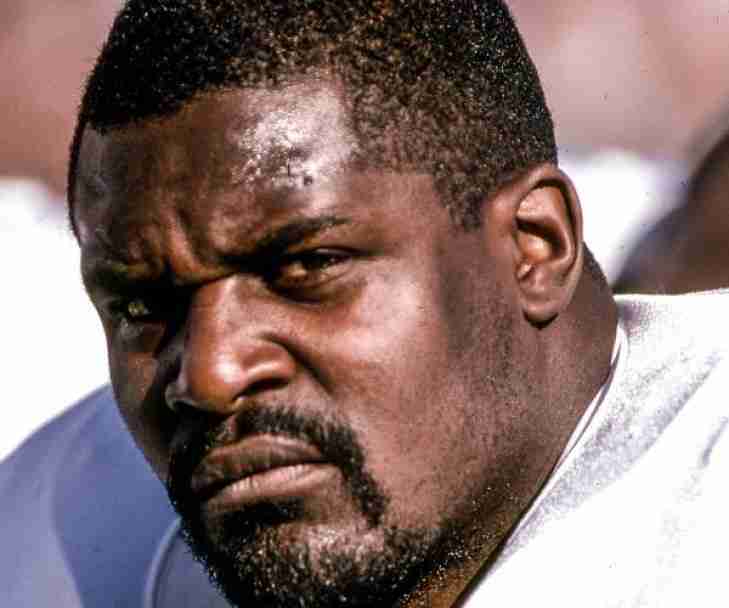
As a Professional Football player, Mobley caught 84 passes for 1,019 Yards with four Touchdowns and as a member of three AFC Championship Teams he had a pro career to be proud of, though it was he accomplished off of the field long after he retired from the gridiron that he is most proud of.
Mobley would be suspended in 1989 for drug use and would be out of the league the year after and would for years deal with substance abuse issues; a topic he has been open about in interviews, but more importantly with young athletes so that they do not fall into the same pitfalls that befell him when he was young man.
Brandon Lloyd officially retires
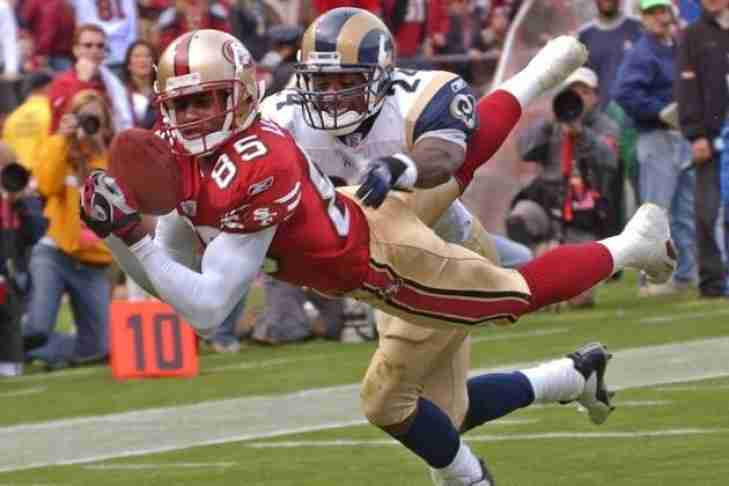
The Kansas City native and product of the University of Illinois began his career with the 49ers who drafted him in the 4th Round of the 2003 Draft. Lloyd would be productive but was traded to the Washington Redskins where he would wind up in the doghouse of Head Coach Joe Gibbs, who rarely played him, especially in the 2007 where he would catch two passes.
Considered damaged goods by many, Lloyd would sign with the Bears and put up a good season to where he was signed the following year with the Denver Broncos in 2010 and it was at Mile High that he would have his best season in the NFL. Lloyd would catch 77 passes for an NFL leading 1,448 Yards and earn Pro Bowl and Second Team All Pro Selections. 2011 and 2012 would see him close to 1,000 Yards with Denver/St. Louis and New England respectively but injuries would catch up and he would sit out the 2013 season before trying a comeback with the 49ers last season, though that campaign would not result in numbers that he had posted before.
Overall, Brandon Lloyd finishes his career with 5,989 Yards Receiving with 36 Touchdowns. These may not be Canton numbers, but still indicative of an above average career in the NFL.
We here at Notinhalloffame.com wish Brandon Lloyd the best on his post career efforts.
Tom Jackson receives the Pete Rozelle Award
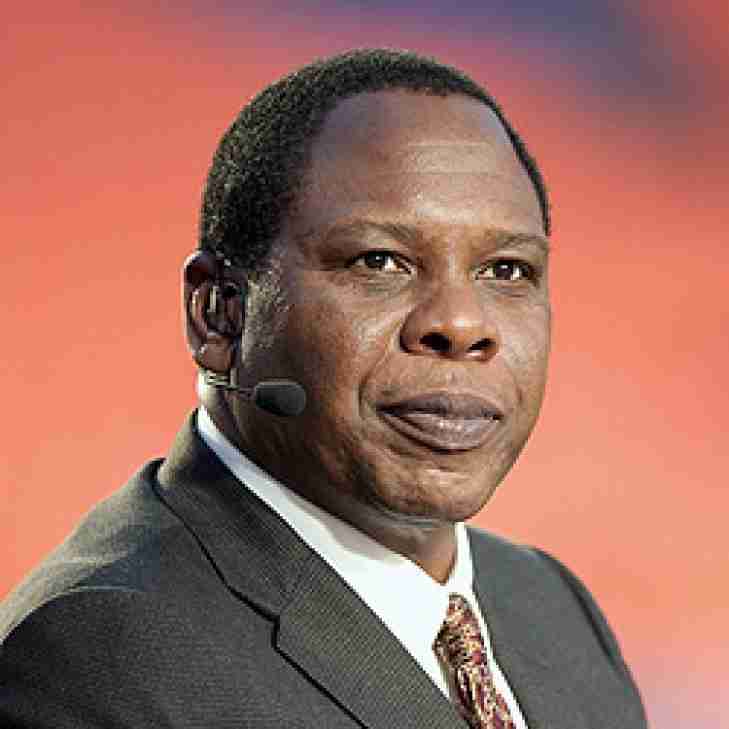
Tom Jackson was a fourteen year veteran in the National Football League, playing Linebacker for the Denver Broncos and is a member of their Ring of Fame. Following his career as a player, he joined ESPN as an analyst and has been with the company ever since.
Jackson won the Sports Emmy in 2009 and will receive this honor from the Pro Football Hall of Fame on August 8 in Canton along with the other members of this year’s Pro Football Hall of Fame Class.
The Pete Rozelle Radio Television Award has been awarded annually since 1989.
We here at Notinhalloffame.com would like to congratulate Tom Jackson for receiving this honor.
