

22. Bob Caruthers
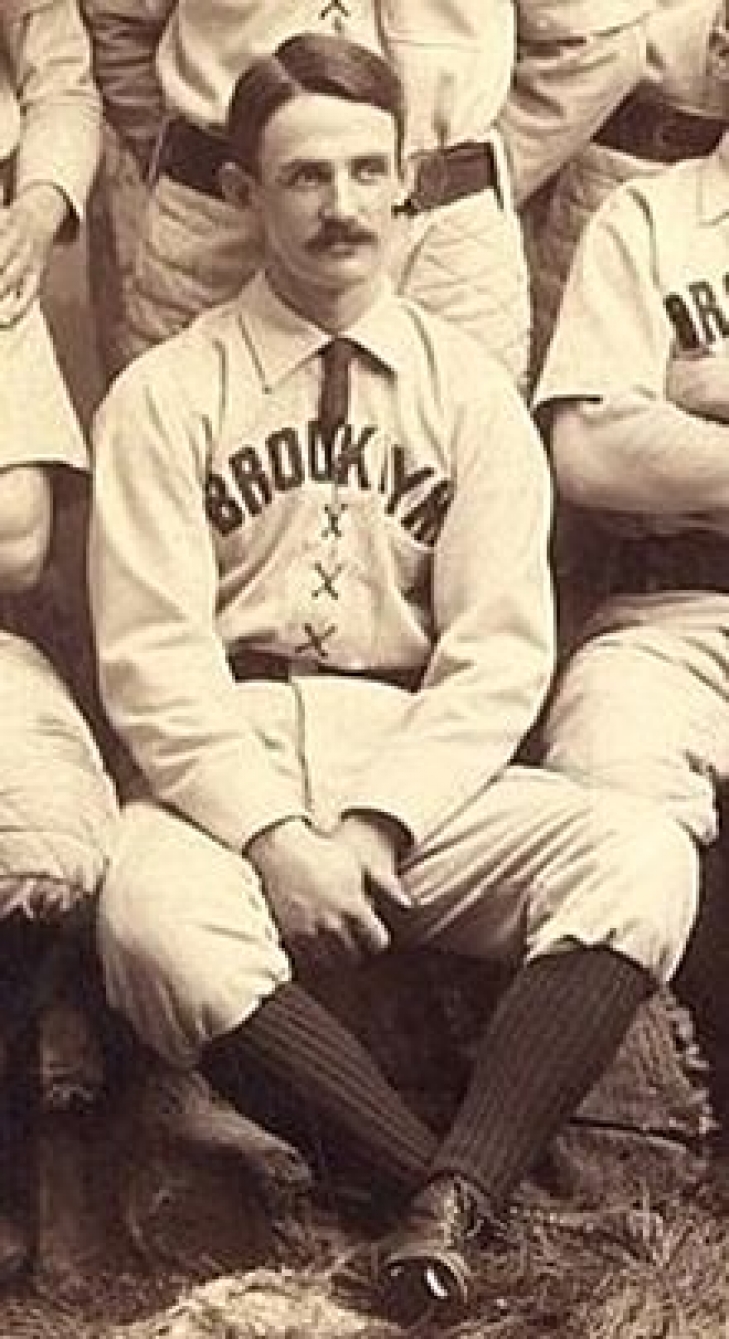
When evaluating the early architecture of professional baseball in St. Louis, it is easy for modern analysts to overlook the 1880s American Association era. However, digging into the historical record reveals that Bob Caruthers was not just a valuable contributor; he was arguably the game's premier two-way superstar long before Shohei Ohtani or Babe Ruth made it a cultural phenomenon. Nicknamed "Parisian Bob" due to his refined tastes and offseason travels, Caruthers provided the St. Louis Browns (who would later evolve into the Cardinals) with an unprecedented competitive advantage, serving as both their undisputed pitching ace and one of the most feared everyday bats in the lineup.
On the mound, Caruthers operated at an absolute tier-one elite echelon, compiling a mind-boggling 108–48 record across his four seasons with the franchise. His absolute individual masterpiece arrived during the spectacular 1885 campaign. He completely paralyzed opposing offenses by leading the American Association in both wins (40) and ERA (2.07), throwing 489 complete-game innings of pure, unadulterated dominance. He beautifully validated that historic performance over the next two summers, racking up an additional 30 wins in 1886 and 29 more in 1887, carrying an immense workload without a single complaint.
Yet, what makes Caruthers an absolute statistical marvel is that on the days he wasn't pitching, manager Charlie Comiskey plugged him right into the starting outfield to leverage his elite bat. Over his St. Louis residency, he posted a spectacular .300/.401/.431 slash line, showcasing a level of spatial awareness and plate discipline that was years ahead of his time.
His two-way mastery reached a thunderous peak during the historic 1886 season, a summer where he led the entire league in both on-base percentage (.448) and OPS (.970) while simultaneously winning 30 games on the mound.
Caruthers' brilliance culminated in a historic, pre-modern World Series showdown against the Chicago White Stockings of the rival National League in 1886. Pitching under immense pressure, he went 2–1 with a microscopic 0.923 WHIP, engineering the defining victory that secured St. Louis its very first world championship banner.
Caruthers concluded his unforgettable run in St. Louis with a stellar 2.75 career ERA on the mound and 402 hits at the plate before moving on to wrap up his successful playing days with the Brooklyn Bridegrooms.
38. Bob Caruthers
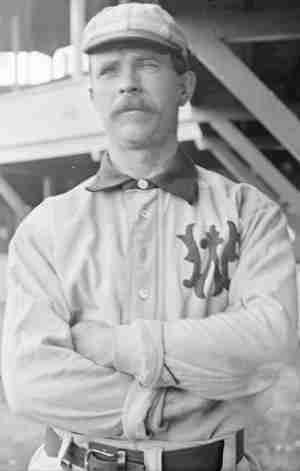
For about six seasons, Bob Caruthers was considered one of the best pitchers in baseball. Sadly, because his career lasted only nine seasons, his impact on the game may not have allowed him to cement himself as one of the great early pitchers.
‘Parisian’ Bob Caruthers was not a flame-throwing Pitcher who relied more on outsmarting batters than powering past them. To this day, he holds one of the top career winning percentages in Baseball (.688) and twice led the American Association in victories. Caruthers was an excellent batter who also posted significant offensive numbers for a few seasons. Caruthers would struggle, though, with arm trouble and could not adjust to the farther pitcher’s mound. As the length of his career was not overly long, the ledger for Bob Caruthers’ Hall of Fame candidacy becomes a little difficult for some to justify, especially if we look at only nine years of service, but again, how tight is that on pre-1900 players?
