


Site Admin
Booker T. & the M.G.'s
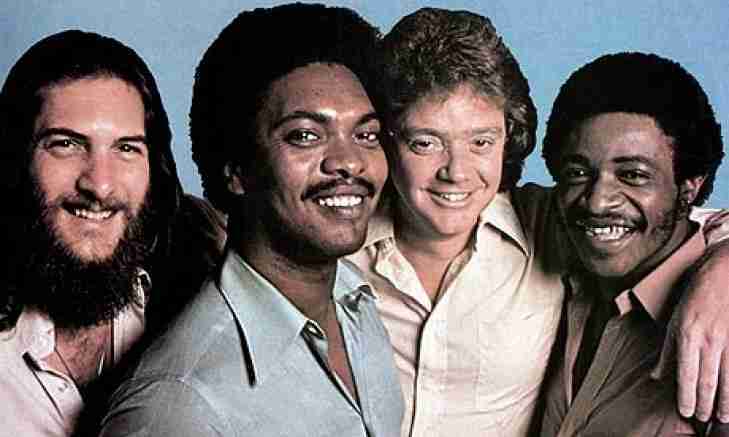
The house band for Stax records may have been the definition of the Memphis Soul sound. Known for their groovy instrumentals, Booker T. & the M.G.’s were also the band that backed up many legends who already in the Hall (or on our Not in Hall of Fame list).
Buddy Holly
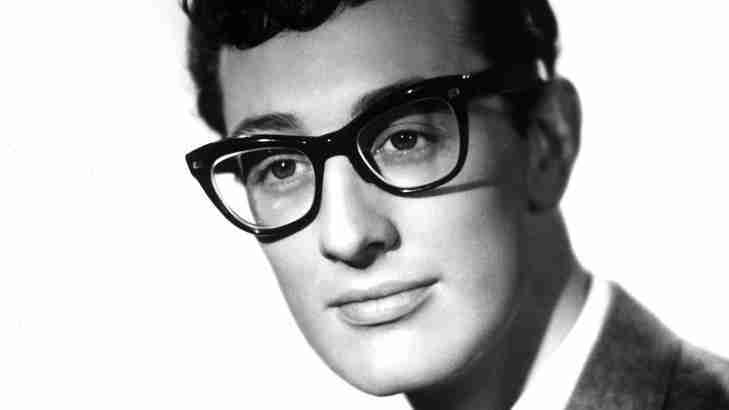
There are some who have called Buddy Holly the most important Rock Star of the 1950’s. Even those who would not say that would easily put Holly in the top five of that decade and his premature death was really the “Day the Music Died”.
Inducted in 1988. From Lubbock, Texas, U.S.A.Bruce Springsteen
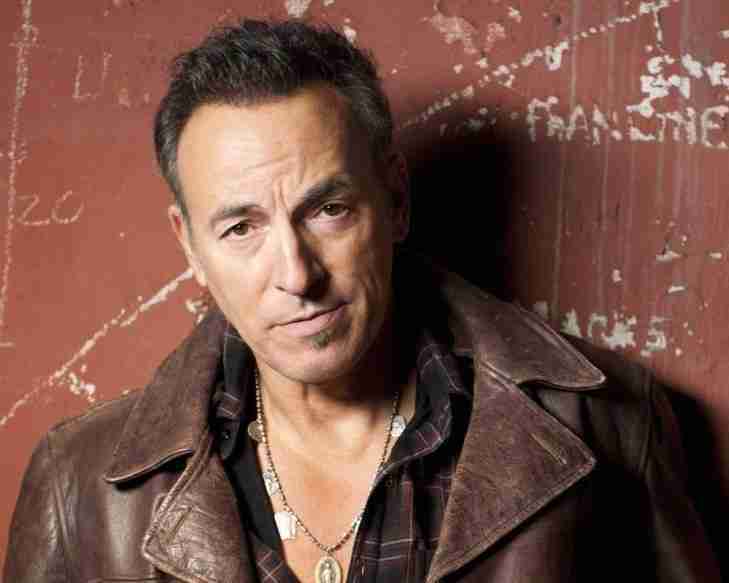
The “Boss” is the undisputed king of American Heartland music. Anything else need to be said?
Inducted in 1999. From Long Branch, New Jersey, U.S.A.Brenda Lee
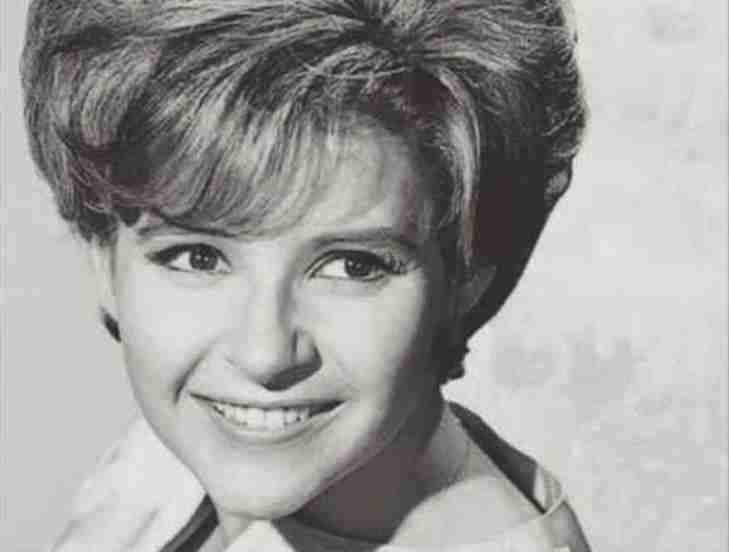
A performer with a distinct and powerful voice, Brenda Lee had a diverse career that has netted her the triple threat of being in the Rock and Roll, Rockabilly and Country Hall of Fame. Quite the career indeed!
Inducted in 2002. From Atlanta, Georgia, U.S.A.