174. Frank McCormick
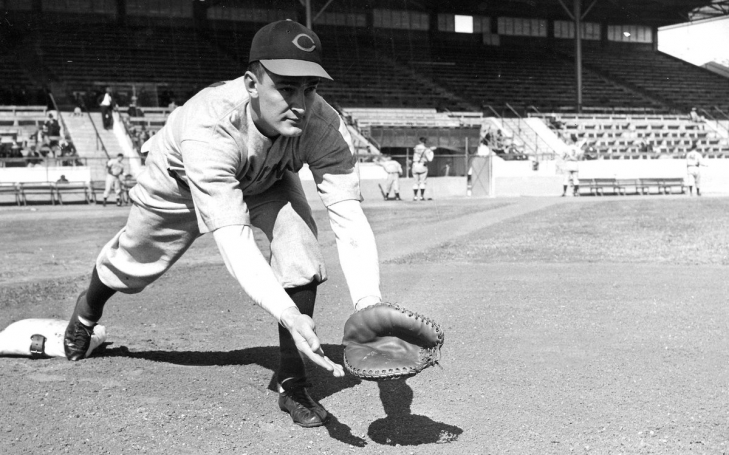
Frank McCormick debuted for the Cincinnati Reds in 1934, and this was the team for which he had his greatest success by far.
McCormick became their starting First Baseman in 1938, and he began a nine-year streak of All-Star seasons. From ’38 to ’40, a case could be made that McCormick was the best hitter in the National League. In all of those seasons, the New Yorker led the NL in Hits and batted over .300, had over 100 RBIs, and was in the top five in MVP voting, including a win in 1940.
The Reds had also put it all together at this time, and they won the National League Pennant in both 1939 and 1940. In the former World Series, McCormick batted .400, but the New York Yankees swept the Reds. In the MVP year of 1940, McCormick was not as effective, but Cincinnati beat Detroit in seven.
The First Baseman remained a quality player throughout the first half of the 40s, gaining two more .300 years, and stringing together MVP votes annually from 1942 to 1946. McCormick was traded to the Philadelphia Phillies in 1946, and that was his last All-Star year. He played two more seasons with the Boston Braves, finishing his career with 1,711 Hits and a lifetime Batting Average of .299.
20. Frank McCormick
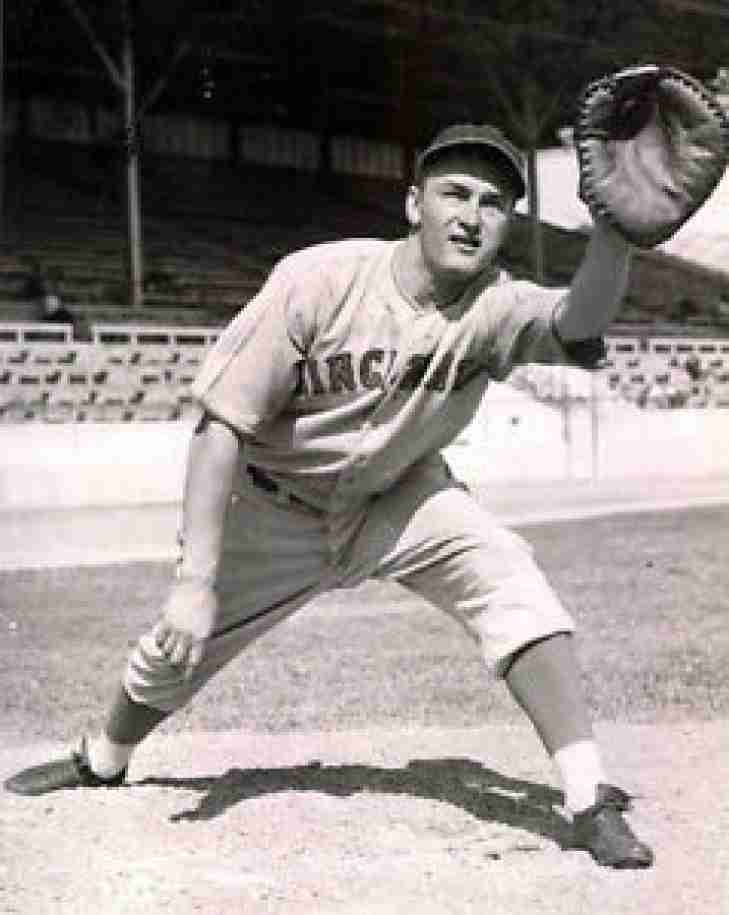
When Frank McCormick finally secured a regular spot in the lineup in 1938, he bypassed the usual maturation process and immediately became a statistical titan. He matured instantly into an elite run-producer, earning an All-Star selection in every single season from 1938 to 1944. He arrived with a disciplined approach and a smooth swing that made leading the league in hits look routine, a feat he accomplished for three consecutive years, starting with his breakout campaign. He was a model of consistency, providing the backbone for a team that was rapidly ascending to the top of the senior circuit.
The absolute pinnacle of his career arrived in 1940, a season of such profound impact that he was named the National League’s Most Valuable Player. That year, McCormick was the primary architect of a Reds offense that marched all the way to a World Series championship, exorcising the ghosts of years past. He wasn't just a high-average hitter; he was a tactical master of the strike zone and a defensive standout at first base, famously going long stretches without committing an error. His efficiency was staggering, maintaining a career .301 average during his stay in Cincinnati while providing the high-leverage hits that defined the club's championship pedigree.
Reliability was the hallmark of his identity. McCormick was a fixture in the middle of the order, accumulating 1,439 hits and 110 home runs while serving as the emotional and statistical anchor of the clubhouse. He proved that a player could be both a volume-dense workhorse and a refined technician at the plate, a balance that made him one of the most respected players of the wartime era. He concluded his run with the Reds in 1945 after being traded to Philadelphia, leaving behind a legacy of professionalism that set the standard for every Cincinnati infielder who followed.
In a fitting tribute to his historic brilliance, the organization named him as one of the four inaugural members of the Cincinnati Reds Hall of Fame in 1958.
BASEBALL'S 2016 PRE-INTEGRATION ERA COMMITTEE BALLOT: ARE THERE ANY HALL OF FAMERS LEFT?