

The Pittsburgh Pirates name three new members to their Hall of Fame
Regular visitors of Notinhalloffame.com know that we are slowly working on the top 50 of every major team in the NHL, NBA, NFL, and MLB. Once that is done, we will examine how each team honors its past players, coaches, and executives. As such, it is important to us that the Pittsburgh Pirates have announced three new members to their franchise Hall of Fame.
Kiki Cuyler, Vernon Law and Al Oliver will comprise the Class of 2025, adding to the 26 that have been inducted since the Hall’s inception in 2022.
Cuyler played his first seven years with the Pirates (1921-27), where he helped them win the 1925 World Series. As a Pirate, the Outfielder twice led the National League in Runs Scored (1925 & 1926), Stolen Bases once (1925), and batted .336 with 680 Hits for the team. He entered the Baseball Hall of Fame via the Veterans Committee in 1968.
Law played all 16 of MLB seasons with the Pirates (1950-51 & 1954-57) and was the top arm and Cy Young winner on the team that won the 1960 World Series. He had a record of 162-147 with a 3.77 ERA and 1,092 Strikeouts.
Oliver was with Pittsburgh from 1968 to 1977 and helped the team win a World Series in 1971. He was a three-time All-Star, collected 1,490 Hits with 135 Home Runs with a .296 Batting Average as a Pirate.
We here at Notinhalloffame.com would like to congratulate the incoming members of the Pittsburgh Pirates Hall of Fame.
29. Al Oliver
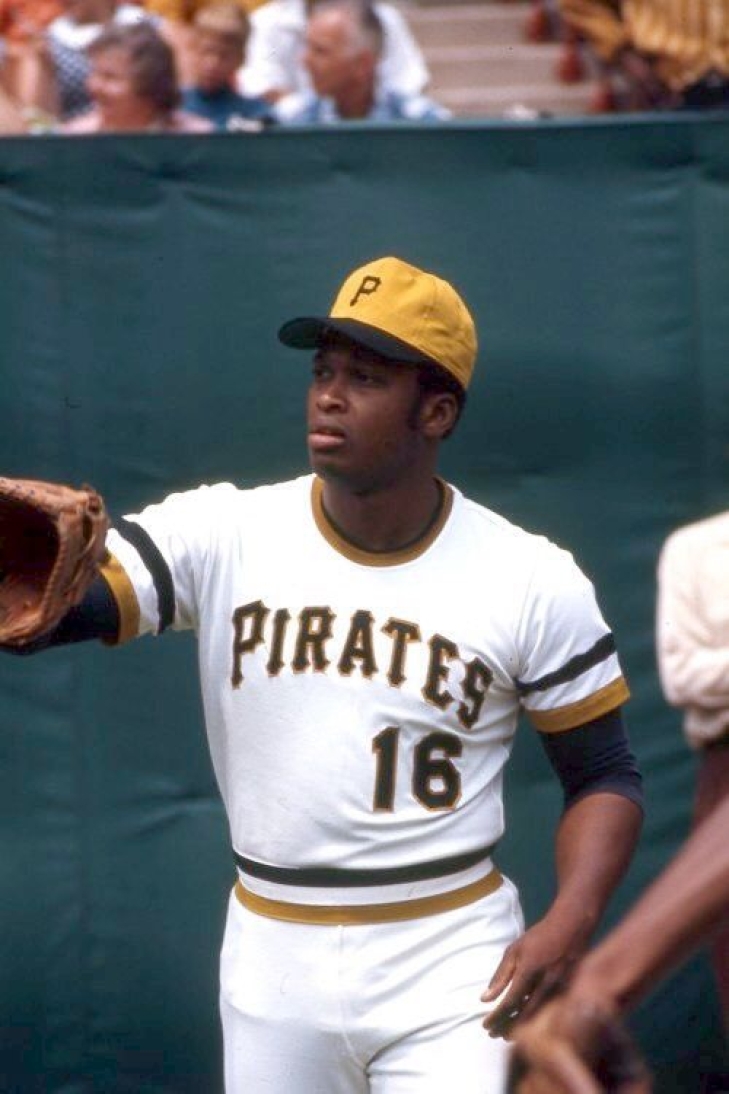
The 1970s "Lumber Company" in Pittsburgh celebrated its power, but maintaining offensive pressure required precise mechanics. Al Oliver signed in 1964, exemplifying this consistency. The left-handed hitter brought focus and aggression, with a fast swing and high socks, aiming to smash baseballs into the gaps of Three Rivers Stadium. He became a respected hitter of his era.
His debut as a consistent everyday player in 1969 immediately demonstrated his frontline potential, earning him a close second in the National League Rookie of the Year voting. Oliver swiftly made his extra-base hits and run production a regular part of his game. He was a key, high-impact player for the renowned 1971 world championship team, hitting a crucial two-run double off Mike Cuellar in Game 3 of the World Series, which helped spark the Pirates' historic comeback victory over Baltimore.
Oliver largely avoided long slumps, providing a steady and powerful presence in manager Danny Murtaugh’s lineups. He hit at least 11 home runs each season for nine straight years, reaching a career high of 20 in 1973, and established himself as a top run-producer with back-to-back seasons of over 100 RBIs. His outstanding bat control led to a batting average of .300 or higher in four different seasons while playing for Pittsburgh, which earned him three All-Star selections and two notable seventh-place finishes in the National League MVP voting.
By the end of 1977, front-office priorities changed. To overhaul their pitching roster, management carried out a large four-team mega-trade, sending the franchise icon to the Texas Rangers, where he would maintain his elite contact ability for another decade. During his time with the Pirates, Oliver accumulated 1,490 hits, 248 doubles, 135 home runs, and 717 RBIs, boasting a solid .296/.331/452 slash line over 1,280 games.
36. Al Oliver
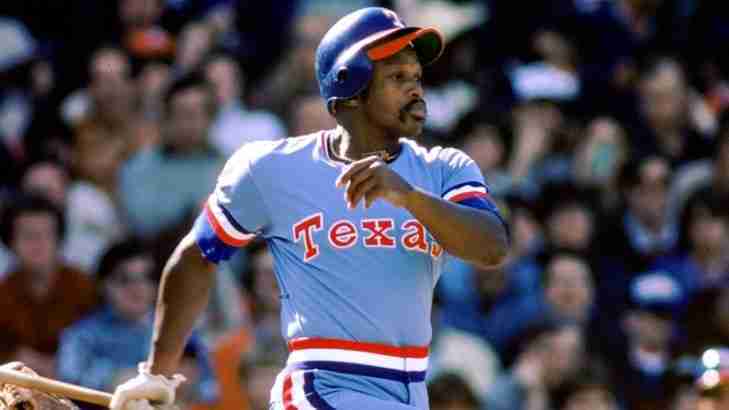
When Al Oliver arrived in Arlington before the 1978 season as part of the first four-team blockbuster trade in major league history, he was already a seasoned, World Series champion with the Pittsburgh Pirates. Known as "Scoop" for his smooth fielding at first base, the left-handed hitter brought a pure, relentless line-drive swing to the American League. Despite switching leagues, Oliver's performance remained consistent: he simply continued to hit baseballs with power and precision.
Oliver transformed contact hitting into a model of consistency during his Texas years, challenging the rising trend of high-strikeout sluggers. He reliably posted a quality batting average every night, hitting over .300 in each of his four seasons with the team and always finishing at least ninth in the American League batting standings. His outstanding bat-to-ball technique combined with significant gap power, as he sprayed line drives into Arlington Stadium's corners to gather an impressive 668 hits during his relatively brief stay.
His standout offensive season came in 1980, during an impressive and durable iron-man campaign. Playing all 163 games for the Rangers and sporting the number 0, Oliver used his smooth swing to achieve a .319 batting average. He set personal bests across multiple categories, accumulating 209 hits, hitting 43 doubles, and driving in 117 runs, earning his first All-Star nod in Texas and the AL Silver Slugger Award as an outfielder. He continued his strong performance in the strike-shortened 1981 season, batting .309 with 29 doubles in 102 games, earning a second straight All-Star selection and another Silver Slugger, this time as a designated hitter.
That impressive stint in Texas ended abruptly before the 1982 season, when the Rangers traded him to the Montreal Expos. Oliver quickly won a National League batting title in Canada and surpassed 2,700 career hits. However, his greatest offensive achievements occurred during his multiple All-Star years in Texas.
He accumulated 668 hits, 135 doubles, 49 home runs, and 337 RBIs while generating a stellar .319/.361/.478 slash line (134 OPS+) with Texas.
41. Al Oliver
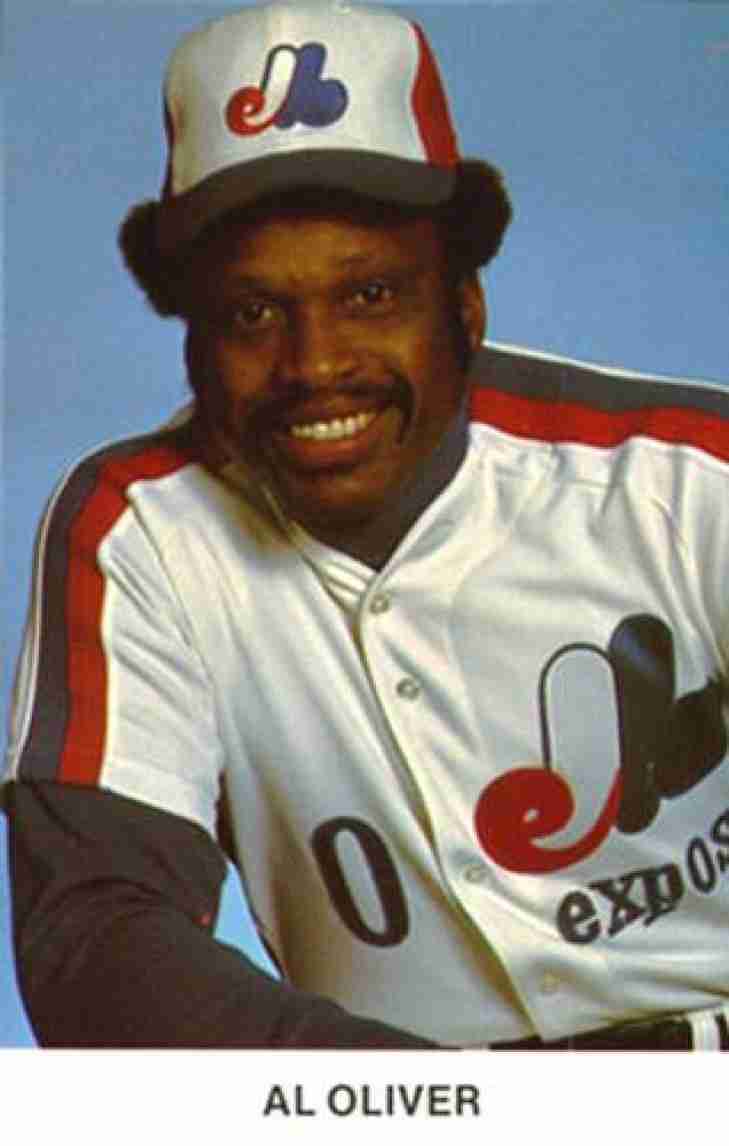
When the Montreal Expos traded third baseman Larry Parrish to the Texas Rangers in March 1982, they did so to acquire a pure, unadulterated hitting machine. Al Oliver, affectionately known as "Scoop," was a highly seasoned, vocal leader who had spent a decade lashing line drives all over the National League. Though he would only spend two seasons wearing the tri-color cap, Oliver treated Canadian fans to a pair of the most historically concentrated and dominant offensive exhibitions ever witnessed in the franchise's history.
His inaugural 1982 campaign in Montreal stands as a clinic of batting prowess. Oliver completely paced the league with a sparkling .331 batting average to capture the National League batting title. He terrorized opponents with a career-high 204 hits, while also leading the league in doubles (43), RBIs (109), total bases (317), and extra-base hits. This offensive explosion earned him an All-Star nod, a Silver Slugger, and a highly competitive third-place finish in the National League MVP voting.
Rather than showing signs of regression at age 36, he backed up his stellar debut with an equally impressive 1983 follow-up. Oliver earned another All-Star selection, again leading the National League in doubles (38) while batting a crisp .300 with 84 runs batted in. He remained a highly disciplined, contact-oriented presence in the middle of the order, striking out only 44 times in 617 plate appearances to serve as the team’s most reliable offensive engine.
Yet, for all his batting genius, Oliver’s time in Montreal was heavily countered by a stark defensive reality. Forced to play first base on the unforgiving Stade Olympique turf, he was a persistent liability. He led all National League first basemen in errors in both 1982 (17 errors) and 1983 (15 errors), routinely negating a portion of his brilliant run production with defensive miscues. As a result, the Expos traded the aging veteran to San Francisco in February 1984.
In his two seasons with the Expos, Oliver accumulated 389 hits, 81 doubles, 30 home runs, and 193 RBIs, posting a spectacular .316/.355/469 slash line—good for an exceptional 131 OPS+.
43. Al Oliver
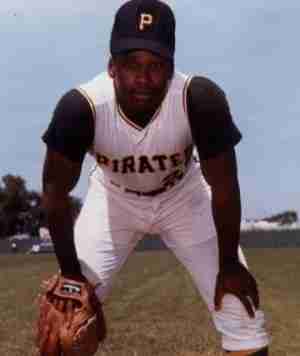
Al Oliver came to the league in 1969 as a line-drive hitter and, for eighteen years, consistently smacked the ball for hits. He had over 2,700 hits in his career, and despite not being a genuine power hitter, he had a plethora of RBI’s.
Oliver’s main gift was hitting for average. In addition to his 1982 Batting Title, he had ten other seasons where he hit the .300 plateau. Oliver wasn’t known for hitting home runs (though he did over 200 in his career), but he found the gap often and was perennially among the league leaders in doubles. As he was a decent clutch hitter and was always in the hunt for Batting Titles, it would have been thought that Al Oliver would have had more support for the Hall of Fame.
Awards = HOF? Part Six: The Silver Slugger (First Base) (MLB)
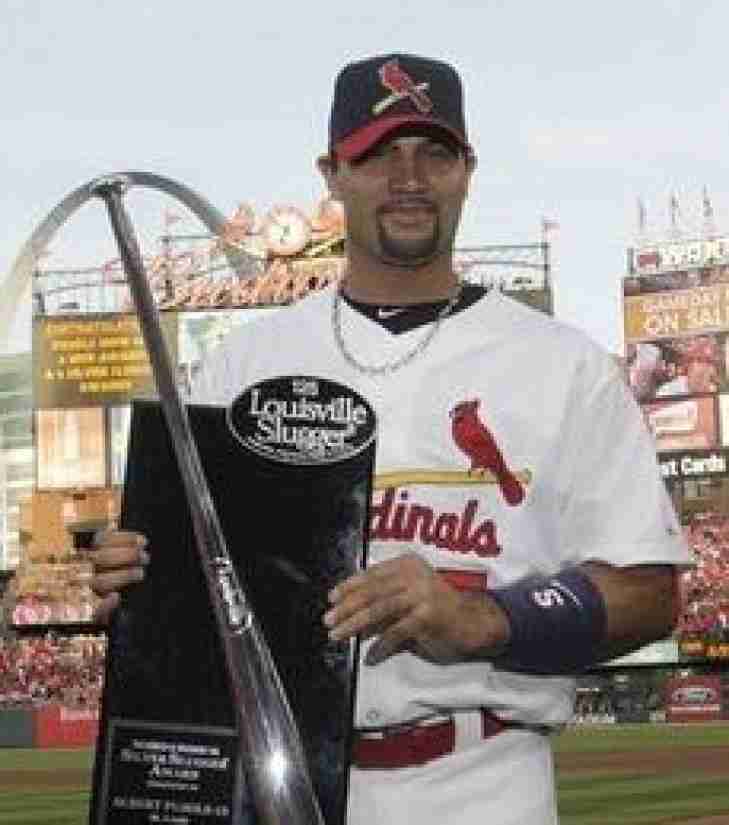
Needless to say, different awards in different sports yield hall of fame potential. In basketball, the team sport with the least amount of players on a roster, the dividend for greatness much higher. In baseball, it is not as much as a great individual season does not have the same impact.
