


Site Admin
120. Bob Elliott
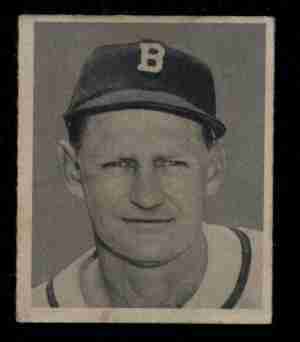
In this era of the overpriced, overpampered, selfish athlete, we can’t help but like a player who was nicknamed “Mr. Team”. This isn’t to say that Bob Elliott did not still rack up some impressive individual accolades, as he certainly did just that.
Bob Elliott had some solid campaigns for the Pittsburgh Pirates, but because many of the great stars were away during World War II, he did not have many to compete against. Elliott would still prove valuable, as when the League returned to full strength, he put up his best numbers (as a member of the Boston Braves) and would win the NL MVP in 1947.
At the time of his retirement, Bob Elliott was the all-time leader for Home Runs and Slugging for Third Basemen. This has been surpassed by many since then, but it should not be forgotten what he accomplished during his era.
Should Bob Elliot be in the Hall of Fame?
7. Jim McCormick
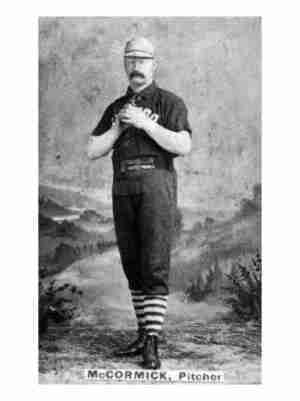
A dominating pitcher for a few seasons in the early 1880s, Jim McCormick was a bruising Scotsman whose underhanded prowess netted him 265 wins in what was a relatively brief career. Of course, he played in a time when teams essentially rode the same two pitchers. It wasn’t like McCormick could blame his manager in those early seasons; he was the Player/Manager.
Had there been a Cy Young Award in 1880 and 1882, Jim McCormick may very well have won it. In those two campaigns, he led the National League in every major Pitching Category. The issue with McCormick is that, even though he was a dominant player, he was not for long, and no position on the mound has changed more; those early flame throwers are often too easily overlooked. Had he won 300 Games, a milestone that ensured a Hall of Fame induction in the early days, McCormick would be inducted.
Should Jim McCormick be in the Hall of Fame?
65. Heinie Groh
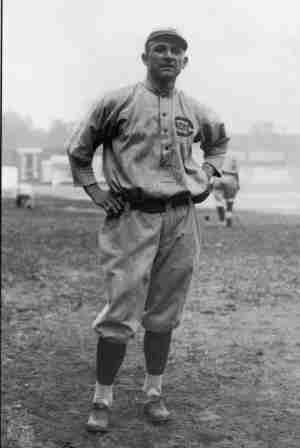
Considered by baseball historians to be the best Third Baseman of the Deadball Era, Heinie Groh quietly won two World Series Rings, one controversially with the Reds in 1919 and another with the Giants in 1922. It was in Cincinnati that Groh had his best seasons, where he twice led the National League in On Base Percentage and was a hit-and-run machine. He was also considered one of the best defensive players at his position in his era. This has garnered Heinie Groh a second look from a lot of modern baseball pundits, as though his traditional accumulative stats do not reflect a Hall of Fame baseball player, his Sabremetric ones paint a different possibility.
129. Cupid Childs
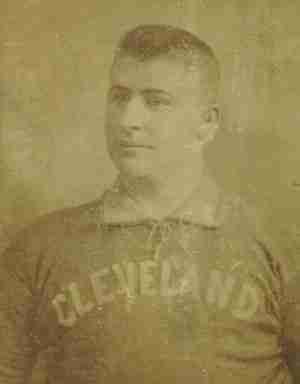
A slick hitting Second Baseman, who was pretty good on the field too, Cupid Childs was one of the top stars for the Cleveland Spiders and was one of the top leadoff hitters in the 1890’s
Childs showcased a keen batting eye and was often in the top ten in On Base Percentage. His .416 OBP is actually number three all-time for Second Basemen. Childs was a gifted athlete, but he never delivered power numbers even by 1890’s standards. Had he been the type of batter who delivered more extra-base hits, it is very possible that he would have been a Cooperstown candidate. As it stands now, we expect him to remain buried among other candidates on the Veterans Committee desktop.
