


Site Admin
33. David Krejci
Jan 27, 2016
Published in
Top 50 Boston Bruins

An essential part of the Boston Bruins' 2011 Stanley Cup Championship run, Czech forward David Krejci brought an impressive workmanlike attitude to the game and led the National Hockey League in Plus/Minus twice becoming one of the few players ever to achieve this feat. A very good two-way player, Krejci also knows how to light the lamp and would score the most Points in the Stanley Cup Playoffs twice.
Krejci would play 15 seasons before returning to his native Czech Republic to play for HC Olomouc, but that stint lasted only one season before he returned for one last campaign in Boston. Overall, he had 786 Points in 1,032 Games.
Krejci would play 15 seasons before returning to his native Czech Republic to play for HC Olomouc, but that stint lasted only one season before he returned for one last campaign in Boston. Overall, he had 786 Points in 1,032 Games.
32. Tuukka Rask
Jan 26, 2016
Published in
Top 50 Boston Bruins
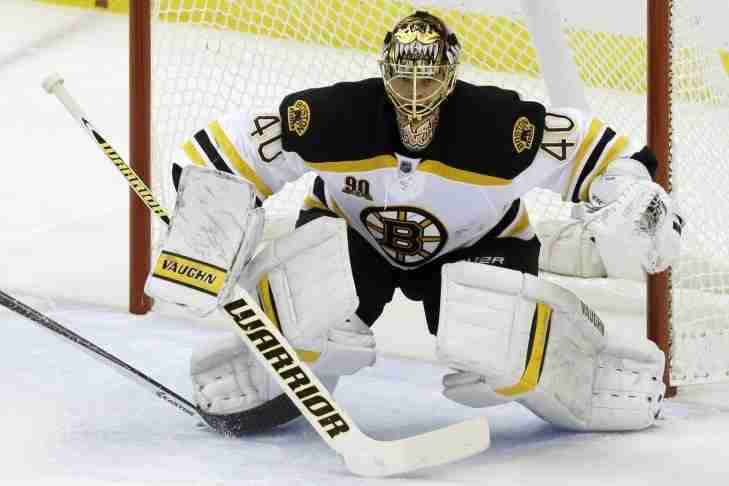
Tuukka Rask played his entire career with the Boston Bruins, where the Goalie from Finland did a spectacular job in between the pipes. Rask was a First Round Pick by Toronto in 2004, but before he made it to the Leafs, he was traded to Boston in a move that still has the Leafs shaking their heads.
Rask became a fixture on the Bruins roster in 2009 and was the backup on the team that won the 2011 Stanley Cup. He would later become their starter and won the Vezina Trophy in 2013-14 as the top Goalie in the NHL. Rask would have two more top-ten finishes in Vezina voting before finishing second in 2019-20, and capturing his first William M. Jennings Trophy. A runner-up for the Vezina that season, Rask's year ended with a thud, as he left the team during the playoffs in what was the COVID-19-induced bubble conclusion to the year.
Rask would come back to the team, but injuries and issues added up, and he retired during the 2021/22 Season. His end to NHL hockey might not have been glorious, but he remains one of the best Goalies of all time on an Original Six team.
Rask became a fixture on the Bruins roster in 2009 and was the backup on the team that won the 2011 Stanley Cup. He would later become their starter and won the Vezina Trophy in 2013-14 as the top Goalie in the NHL. Rask would have two more top-ten finishes in Vezina voting before finishing second in 2019-20, and capturing his first William M. Jennings Trophy. A runner-up for the Vezina that season, Rask's year ended with a thud, as he left the team during the playoffs in what was the COVID-19-induced bubble conclusion to the year.
Rask would come back to the team, but injuries and issues added up, and he retired during the 2021/22 Season. His end to NHL hockey might not have been glorious, but he remains one of the best Goalies of all time on an Original Six team.
150. Miwa Asao
Jan 29, 2016
Published in
Dr. Johnny Pervert

While the good doctor loves his Japanese Female Volleyball players, he loves Miwa Asao so much more. She is exceptionally cute, and a star amongst the fans in Japan. We approve to!
149. Jamie Anderson
Jan 29, 2016
Published in
Dr. Johnny Pervert
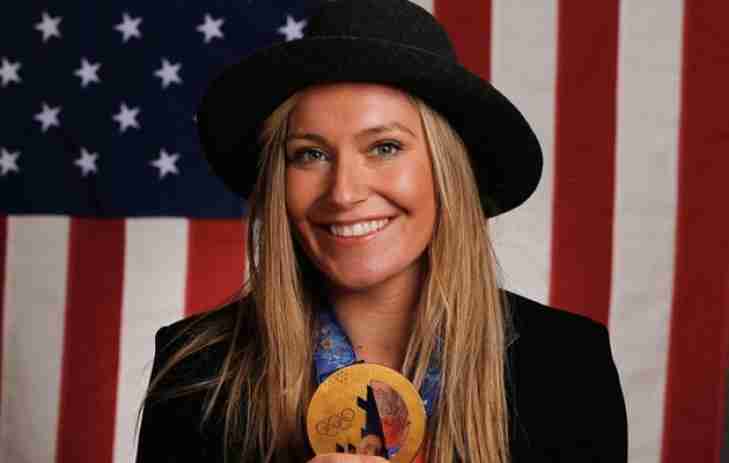
The good doctor loves those wacky snowboarders. American, Jamie Anderson falls into that category and she has that perfect balance of cute and quirky and melts all the snow she competes on just by being there. Damn I love the Winter X Games!
