


Site Admin
302. Frankie Albert
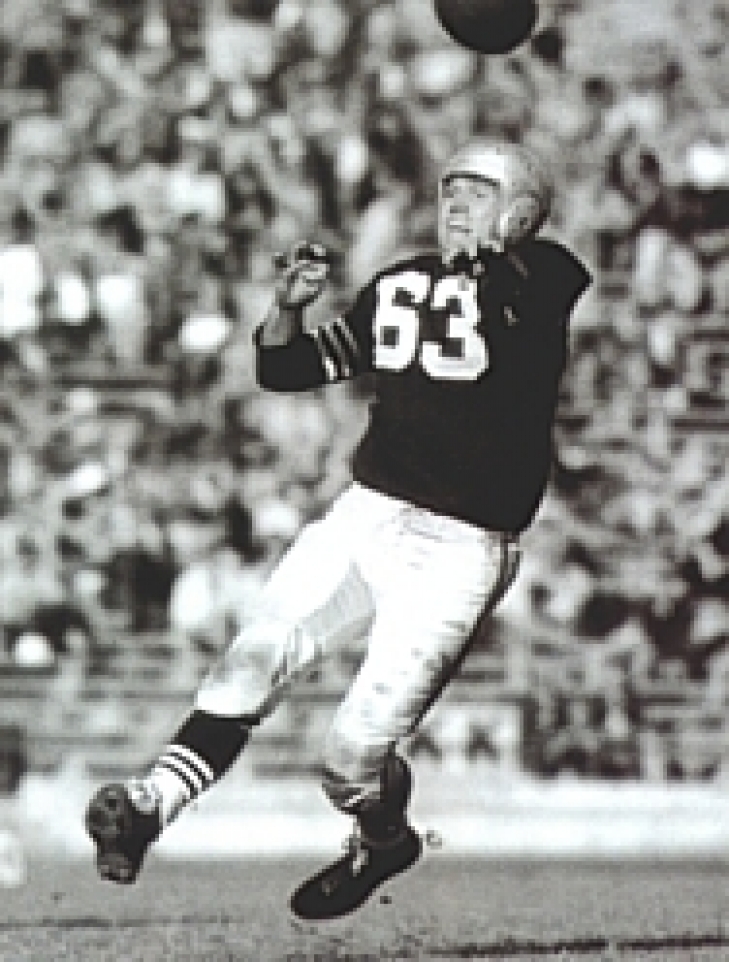
Frankie Albert was the 10th overall pick in 1942 by the Chicago Bears, but remember, the year in question was 1942. The Stanford graduate served in the Navy during World War II, and upon his return, he played for his home state's Los Angeles Bulldogs in the Pacific Coast League before joining the San Francisco 49ers in the upstart All-American Football Conference.
Albert played all four years of the AAFC's existence with San Francisco, where he was one of the league's better Quarterbacks. Albert was named a Second Team All-Pro three times, and he led the league in Passing Touchdowns in 1948 and 1949 and in Completion Percentage in 1948. When the team was absorbed into the National Football League in 1950, Albert was named to the Pro Bowl, proving to the gridiron world that he was just as good as any NFL pivot.
Albert threw for 10,795 Yards and 115 TDs and ran for another 1,272 Yards and 27 TDs. These are great numbers for a Quarterback from 1946 to 1952, and they can't be dismissed. Sadly, much of what happened in the AAFC has not translated into Canton.
290. Leon Gray
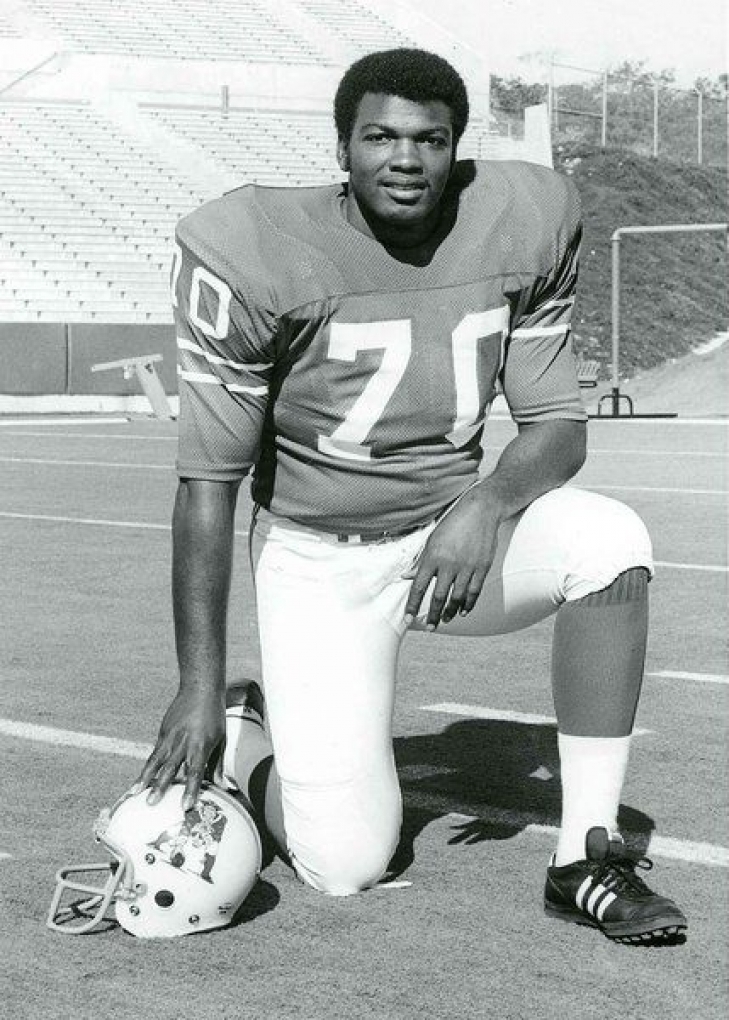
Drafted in the 3rd Round from Jackson State in 1973, Gray would join a not-so-good New England Patriots team. Gray won a starting job as a rookie and became a fixture at Left Tackle, where he showed steady improvement annually, much like the Pats themselves. He was named to the Pro Bowl in 1976 and again in 1978, when he was also a First Team All-Pro.
Gray was shockingly traded to the Houston Oilers in what was widely viewed as a cost-cutting move. John Hannah, his linemate, famously quipped, “There goes our Super Bowl” upon hearing the news. Gray anchored the Houston Oilers O-Line and again was a Pro Bowler in 1979, while being a First Team All-Pro in both 1979 and 1980. He would go to the Pro Bowl again in 1981 and finished his career with a pair of years with the New Orleans Saints.
211. Bob Hoernschemeyer
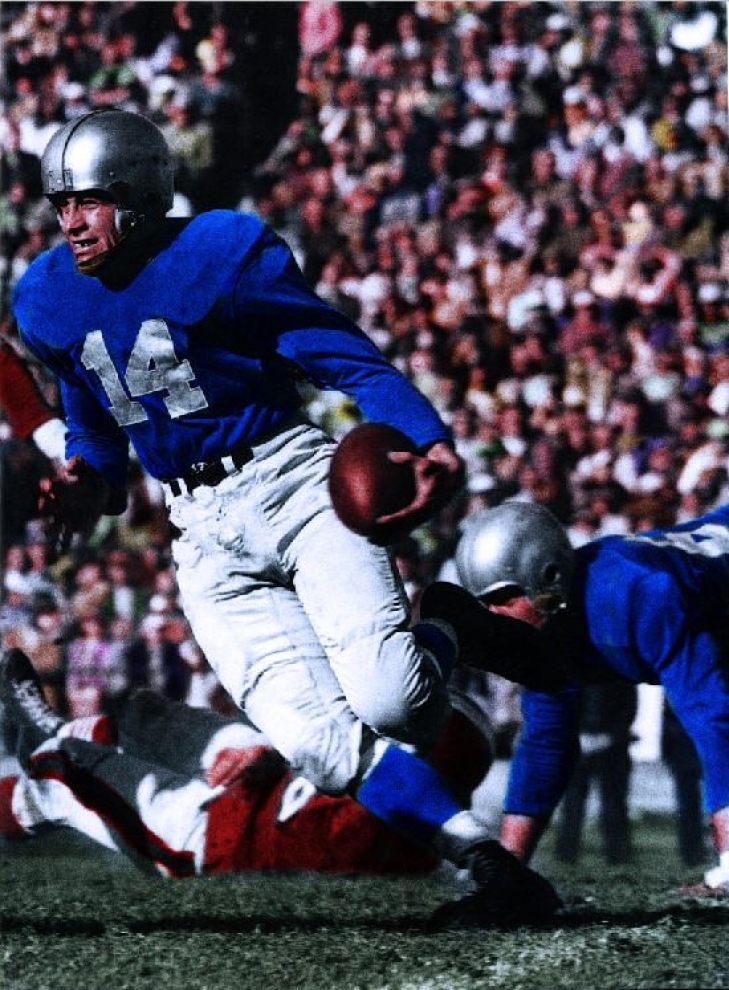
Try to say Bob Hoernschemeyer’s name three times fast?
Yes, we know that the first line isn’t relevant here, but what is pertinent is that Hoernschemeyer was an End in the late 40s and early 50s in every sense of the word. Beginning his professional career with the Chicago Rockets of the AAFC, Hoernschemeyer would do well in rushing and passing, finishing in the top ten in both categories in the first (and only) four years of the AAFC’s existence. That’s good, but what hurts Hoernschemeyer is that he played for the Chicago Rockets/Hornets and Brooklyn Dodgers, neither of which made it to the NFL when that league took over what was left of the AAFC, and yes, that matters in terms of legacy, especially when you consider that two of the teams that you played for in your prime have not existed in 70 Years!
After the merger of the AAFC and NFL, the Detroit Lions selected Hoernschemeyer in a special draft, where he became a key cog in their offense. He was a Pro Bowl Selection in both 1951 and 1952, and he would help them win back-to-back NFL Championships in 1952 and 1953. Injuries would force him to retire at age 30, but if the first half of his career gains the same respect that his second half did, he is a legitimate Pro Football Hall of Fame contender.
191. Tim McDonald
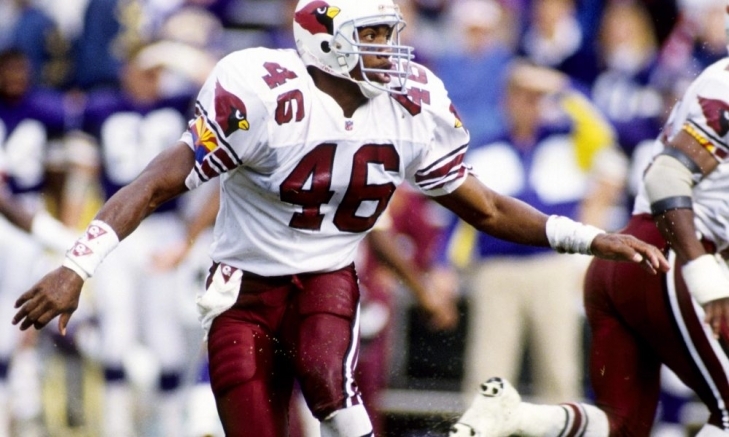
Tim McDonald split his career between the St. Louis Cardinals and San Francisco 49ers, where the Safety went to three Pro Bowls and earned two Second Team All-Pro selections with each team. McDonald would have four seasons where he went over 100 Tackles and would have 1,138 in total, along with 40 Interceptions over his career. He was a member of San Francisco's Super Bowl XXIX championship team and would have had a higher profile had he not been a Cardinal in the first half of his season and overshadowed by other 49ers defensive players in the second half of his career.
