


Committee Chairman
The Pro Football Hall of Fame Revisited Project: 1978 Preliminary VOTE
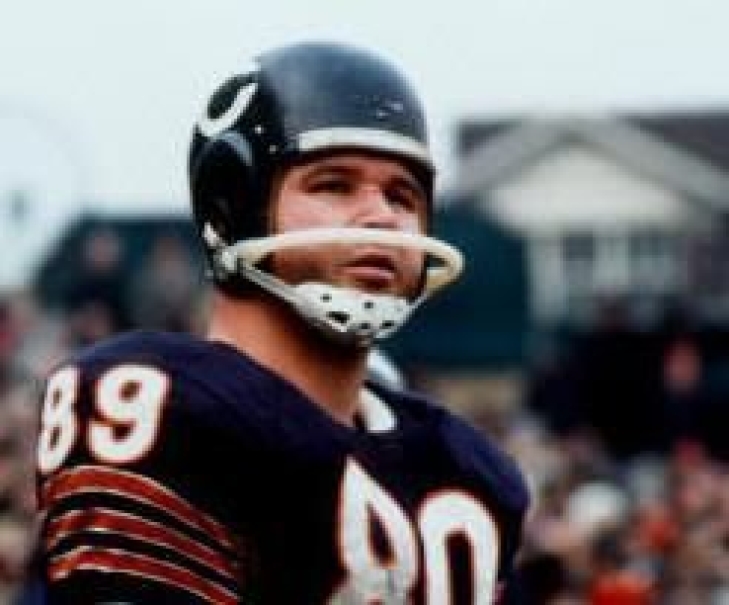
1978 PRELIMINARY RESULTS:
Thank you to all who participated in the Pro Football Hall of Fame Revisited Project. If you are still determining what that is, we acted like the PFHOF had its first class in January 1947.
We have completed the first 30 years thus far.
For “1978,” a Preliminary Vote with close to 100 players whose playing career ended by 1972. We are also following the structure in that players have 20 years of eligibility, and if they do not make it into the Hall, they are relegated to the Senior Pool.
Each voter was asked to select 25 names from the preliminary list, and the top 25 vote-getters were named Semi-Finalists.
A week later, the voters will be asked to pick 15 names from the 25 Semi-Finalists, and next after, they will pick five from the remaining 15. We will continue this process weekly until we catch up to the current year.
Please note that a significant change occurred “years ago,” allowing voters to submit less than the allotted spots.
31 Votes took place.
This is for the “Modern Era”
Bold indicates they advanced to the Semi-Finals:
*Indicates they have been removed from future ballots
|
Player |
Year of Eligibility |
Vote Total |
|
Lance Alworth FL-WR |
1 |
24 |
|
Mike Ditka TE |
1 |
24 |
|
Ray Nitschke LB |
1 |
23 |
|
Del Shofner E-DB |
6 |
22 |
|
Larry Wilson S |
1 |
22 |
|
Billy Shaw G |
4 |
21 |
|
Billy Howton E-FL |
10 |
20 |
|
Jimmy Patton DB |
7 |
19 |
|
Pete Retzlaff E-HB-TE |
7 |
19 |
|
Eddie Meador DB |
3 |
19 |
|
John Mackey TE |
1 |
19 |
|
Tom Sestak DT |
5 |
18 |
|
Herb Adderly DB |
1 |
18 |
|
Joe Fortunato LB |
7 |
17 |
|
Gino Cappelletti FL-SE-DB-WR-PK |
3 |
17 |
|
Johnny Robinson DB-FL-HB |
2 |
17 |
|
Pat Harder E |
20 |
16 |
|
Dick LeBeau DB |
1 |
16 |
|
Gene Lipscomb DT |
11 |
14 |
|
Les Richter LB-C |
11 |
13 |
|
Art Powell E |
5 |
13 |
|
Alan Ameche FB |
13 |
12 |
|
Billy Wilson E-FL |
13 |
12 |
|
Bucko Kilroy G-MG-T-DT |
18 |
11 |
|
Tank Younger FB-LB-HB |
15 |
10 |
|
Abe Woodson DB |
7 |
10 |
|
Charlie Conerly QB |
12 |
9 |
|
Bobby Boyd DB |
5 |
9 |
|
Dick Schafrath T-G-DE |
2 |
9 |
|
Larry Grantham LB |
1 |
9 |
|
Max McGee E |
6 |
8 |
|
Jack Kemp QB |
4 |
8 |
|
Dave Grayson DB |
2 |
8 |
|
Rosey Grier DT-DE |
7 |
7 |
|
Cookie Gilchrist FB |
6 |
7 |
|
Roger Brown DT |
4 |
7 |
|
Vic Sears T-DT |
20 |
6 |
|
Bruno Banducci G |
19 |
6 |
|
Abner Haynes HB |
6 |
6 |
|
Ernie Ladd DT |
5 |
6 |
|
Houston Antwine DT |
1 |
6 |
|
Rich Jackson DE |
1 |
6 |
|
George Saimes DB |
1 |
6 |
|
Les Bingaman DG-G-C |
19 |
5 |
|
Harlon Hill E-DB |
11 |
5 |
|
Fuzzy Thurston G |
6 |
5 |
|
Clem Daniels HB-DB |
5 |
5 |
|
Boyd Dowler FL-SE-LB |
2 |
5 |
|
Erich Barnes DB |
2 |
5 |
|
Richie Petitbon DB |
1 |
5 |
|
Bob Gain DT-DE-MG-T |
9 |
4 |
|
Rick Cesares FB |
7 |
4 |
|
Earl Faison DE |
7 |
4 |
|
Jim Katcavage DE-DT |
5 |
4 |
|
Don Meredith QB |
5 |
4 |
|
E.J. Holub LB-C |
2 |
4 |
|
Matt Snell RB |
1 |
4 |
|
Duane Putnam G |
11 |
3 |
|
Tobin Rote QB |
7 |
3 |
|
Goose Gonsoulin DB |
6 |
3 |
|
John David Crow HB-TE-FB |
5 |
3 |
|
Howard Mudd G |
2 |
3 |
|
Pat Studstill FL-P |
1 |
3 |
|
Rosey Taylor DB |
1 |
3 |
|
George Ratterman QB |
17 |
2 |
|
Leon Hart E-FB-DE |
16 |
2 |
|
Bobby Walston E-HB-K |
11 |
2 |
|
Bill Forester LB-MG-DT |
10 |
2 |
|
Walt Michaels LB |
10 |
2 |
|
Jim Ray Smith G-T |
9 |
2 |
|
Charley Hennigan FL |
7 |
2 |
|
Keith Lincoln FB-HB |
5 |
2 |
|
Fred Arbanas TE |
2 |
2 |
|
Gary Collins FL-WR-P |
2 |
2 |
|
George Andrie DE |
1 |
2 |
|
Lee Roy Caffey LB |
1 |
2 |
|
Bob Vogel T |
1 |
2 |
|
Marion Campbell DE-DT-MG-G-T |
12 |
1 |
|
Alex Webster HB-FB |
9 |
1 |
|
Archie Matsos LB |
7 |
1 |
|
Dick Modzelewski DT |
7 |
1 |
|
Fred Williamson DB |
6 |
1 |
|
Bob Talamini G |
5 |
1 |
|
Stew Barber T-LB-G |
4 |
1 |
|
Paul Lowe HB |
4 |
1 |
|
Babe Parilli QB |
4 |
1 |
|
Jerry Mays DE-DT |
3 |
1 |
|
Billy Cannon TE-HB |
3 |
1 |
|
Frank Ryan QB |
2 |
1 |
|
George Sauer SE-WR |
2 |
1 |
|
Tommy Mason HB |
2 |
1 |
|
Jim Houston LB-DE |
1 |
1 |
|
Jack Pardee LB |
1 |
1 |
|
Wayne Walker LB |
1 |
1 |
|
*Abe Gibron G |
14 |
0 |
|
*Bobby Joe Conrad FL-DB-HB-WR-PK |
4 |
0 |
|
Gail Codgill SE-WR |
3 |
0 |
|
Ken Gray G-DE |
3 |
0 |
|
*Al Denson WR-FL |
2 |
0 |
|
*Lou Michaels DE-K |
2 |
0 |
|
*Jerry Stovall DB-P |
2 |
0 |
|
*Walt Suggs T-C |
2 |
0 |
|
Jim Dunaway DT |
1 |
0 |
|
Jerry Logan DB |
1 |
0 |
|
Fred Miller DT |
1 |
0 |
|
Ernie Wright T |
1 |
0 |
This is for the “Senior Era”
Bold indicates they advanced to the Semi-Finals:
*Indicates that they will be removed from the ballot permanently.
|
Player |
Year |
Votes |
|
Buckets Goldenberg |
8 |
15 |
|
Whizzer White |
12 |
14 |
|
Marshall Goldberg |
5 |
13 |
|
Woody Strode |
4 |
12 |
|
Ward Cuff |
6 |
10 |
|
Frankie Albert |
1 |
10 |
|
Ace Gutkowski |
14 |
8 |
|
Jack Manders |
13 |
8 |
|
George Svendesen |
12 |
6 |
|
George Wilson |
7 |
6 |
|
Bill Osmanski |
6 |
5 |
|
Charley Brock |
6 |
4 |
|
Spec Sanders |
3 |
4 |
|
Frank Cope |
6 |
3 |
|
Buster Ramsey |
2 |
3 |
|
Baby Ray |
5 |
2 |
|
Paul Christman |
3 |
2 |
|
Ray Bray |
1 |
2 |
|
*Tommy Thompson |
3 |
0 |
Please note that one voted for “None of the Above.”
This is for the “Coaches/Contributors”
Bold indicates they advanced to the Semi-Finals:
*Indicates that they will be removed from the ballot permanently.
|
Name |
Year |
Votes |
|
COACH: Buddy Parker |
9 |
27 |
|
COACH: Weeb Ewbank |
2 |
23 |
|
OWNER: Charles Bidwill |
9 |
16 |
|
COACH: Greasy Neale |
9 |
13 |
|
OWNER: Dan Reeves |
9 |
12 |
|
OWNER: George Preston Marshall |
9 |
10 |
|
COACH: Blanton Collier |
6 |
7 |
|
EXEC: Arch Ward |
9 |
6 |
|
COMM: Elmer Layden |
9 |
5 |
|
OWNER: Edwin J. Anderson |
9 |
3 |
|
EXEC: Dominic Olejniczak |
4 |
3 |
|
COACH: Jim Lee Howell |
9 |
2 |
|
GM/EXEC: Arch Wolfe |
9 |
2 |
|
GM/CONT: Dick McCann |
9 |
1 |
|
COACH: Allie Sharman |
7 |
1 |
|
COACH: Nick Skorich |
2 |
1 |
|
EXEC: Vince McNally |
1 |
1 |
Next week, we will announce the Semi-Finalists for the 1978 Pro Football Hall of Fame Revisited Project.
180. Lorenzo Neal
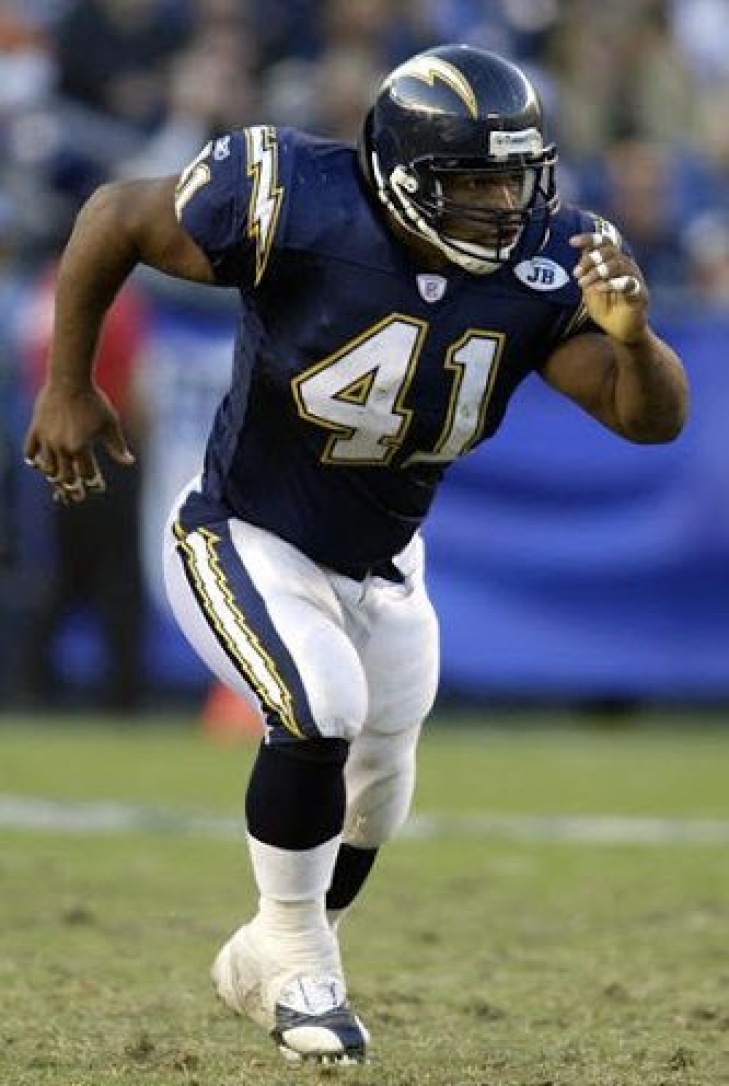
The modern fullback seems like a relic of football’s past, but when used correctly, it is a thing of beauty to watch. Lorenzo Neal might be the game’s last great Fullback.
A traditional back at Fresno State, Neal was converted to a Fullback by the team that drafted him, New Orleans, to the position. In 1997, he set a record by blocking for 11 consecutive 1,000-yard rushers in history. After playing for multiple teams, his best and most recognized run came in San Diego, where he paved the way for Hall of Fame Running Back LaDainian Tomlinson and earned multiple Pro Bowls and an All-Decade Selection.
The odds of him getting enshrined in Canton are not strong, but his accomplishments set him apart from most fullbacks from his era.
Why Do News Channels Rave About Wellness Products Lately?

In recent months, it seems like another segment highlights the latest wellness product every time you turn on the TV or scroll through your news feed. From herbal teas to sleep masks and calming sprays, mainstream media is giving more airtime than ever to items once tucked away in niche corners of the market. But what’s behind this growing spotlight? The surge in coverage isn’t just about what these products are—it’s about what they represent in today’s fast-paced world. Let's take a closer look at why wellness products have become a hot topic for news channels and what this shift in attention reveals about current cultural trends.
7 Reasons News Channels Rave About Wellness Products Lately
Rising consumer interest in self-care
News channels have increasingly spotlighted wellness products because viewers are growing interested in self-care as part of their daily lives. This shift in consumer mindset has made wellness a priority rather than a passing trend, prompting media outlets to follow suit.
Covering these products resonates with audiences actively seeking ways to slow down, stay organized, or simply enjoy small moments of comfort. By tapping into this cultural movement, news segments become more relatable, engaging, and aligned with what their viewers are genuinely curious about.
Increased demand for lifestyle-focused content
The surge in lifestyle-focused content has played a big role in why news channels are raving about wellness products. Audiences today are drawn to stories that feel personal, practical, and aspirational—something wellness products naturally support.
From morning routines to workspace upgrades, these items fit seamlessly into segments designed to inspire everyday improvements. As viewers crave content that reflects their interests and routines, news producers respond by featuring products that help tell those stories in a visually appealing and trend-relevant way.
Celebrity and influencer endorsements
Celebrity and influencer endorsements have added major momentum to the media buzz around wellness products, prompting news channels to notice. When a familiar face shares their favorite candle, journal, or evening ritual, it instantly becomes more newsworthy and culturally relevant.
These endorsements create talking points that blend pop culture with lifestyle trends, making them ideal for entertainment and morning show segments. By covering what well-known figures use or promote, news outlets tap into existing public interest and add a relatable, aspirational edge to their content.
Growth of the wellness industry as a market trend
The wellness industry has seen significant growth in recent years, and news channels are naturally drawn to cover what’s trending in the marketplace. With new brands, collaborations, and product launches happening regularly, there’s a steady stream of fresh content to feature.
As the industry expands into mainstream retail and online platforms, it becomes a story of consumer behavior, innovation, and evolving preferences. Highlighting this trend allows news outlets to explore wellness's business and cultural side, making it a relevant topic across both lifestyle and economic reporting.
Visual appeal of wellness products for on-screen segments
Wellness products often come with sleek packaging, calming colors, and minimalist designs, ideal for visually engaging news segments. Whether it’s a curated shelf of aromatic oils or a display of eco-friendly self-care kits, these items naturally enhance the aesthetic of a broadcast.
News producers understand the power of visuals to capture attention, and wellness products offer a clean, modern look that fits seamlessly into set designs. Their camera-friendly appearance helps create a polished and inviting segment that viewers enjoy watching, even if they're only passively interested in the topic.
Shift toward more positive and feel-good reporting
As audiences grow weary of constant hard news, many channels are leaning into more positive and feel-good reporting, wellness products being a natural fit for that shift. Segments featuring calming routines, thoughtful gifting ideas, or relaxing spaces offer a refreshing break from heavier headlines.
Items like cozy blankets, herbal teas, and even CBD Capsules often appear as part of these uplifting stories, blending seamlessly into narratives about comfort and intentional living. This approach helps balance programming while resonating with viewers seeking a moment of calm or inspiration in their day.
Alignment with seasonal themes and daily routines
Wellness products often tie in perfectly with seasonal themes and daily routines, making them a natural choice for news coverage throughout the year. Whether it’s cozy essentials for fall, reset tools for the new year, or relaxation items for the holiday season, these products help shape timely, relatable segments.
They also align with everyday habits like winding down in the evening or setting a peaceful morning tone, which keeps content feeling grounded and useful. By highlighting wellness items that reflect the current season or lifestyle rhythm, news channels create relevant and engaging content for their audience.
How Do News Channels Rave About Wellness Products Lately?
News channels rave about wellness products by featuring them in curated lifestyle segments, expert interviews, and trend roundups that feel accessible and aspirational. These products are often showcased as part of themed setups—like “morning must-haves” or “holiday self-care picks”—with anchors demonstrating how they fit into everyday routines.
B-roll footage, close-up visuals, and product displays help create a polished presentation that appeals to casual viewers and trend-watchers. Whether through special interest stories or brief highlights on morning shows, the coverage is crafted to spark curiosity and reflect current consumer interests.
Things News Channels Should Know Before Raving About Wellness Products
Before raving about wellness products, news channels should consider the importance of authenticity and audience relevance.
It’s essential to highlight products that genuinely fit the lifestyle trends their viewers care about, rather than jumping on every new item without context.
Transparency about where the products come from, their use, and what makes them interesting can help build trust.
Additionally, being mindful of their audience's diverse preferences and needs ensures the coverage feels inclusive and relatable.
Closing Lines
The recent enthusiasm news channels show for wellness products reflects more than a passing trend—it’s a response to shifting audience interests, evolving lifestyle habits, and a broader cultural movement toward balance and intentional living. From the visual appeal of these products to their connection with daily routines and seasonal moments, wellness items offer rich storytelling opportunities that resonate with viewers. As media continues to adapt to what people want to see and learn about, wellness products remain a versatile and engaging topic that brings a fresh, positive energy to the screen.
2025 Sports Betting and Roulette Trends

The sports betting industry is experiencing significant transformations as 2025 unfolds. With technological advancements and changing consumer preferences, the landscape of betting is shifting rapidly, including popular games like roulette.
As we delve into 2025, the world of sports betting is evolving in fascinating ways. The integration of cutting-edge technology is revolutionizing how enthusiasts engage with their favorite sports. From live streaming to real-time analytics, and even integrating roulette into online platforms, bettors are equipped with unprecedented tools to enhance their experiences. Furthermore, a growing focus on personalization is driving platforms to tailor offerings according to user preferences, making the entire process more engaging and dynamic.
Introduction to Sports Betting Trends
The landscape of sports betting in 2025 is marked by remarkable innovations and trends that are reshaping the industry. Digital platforms have become increasingly sophisticated, providing users with seamless and immersive experiences. Whether it’s traditional wagers, roulette, or advanced in-play betting, mobile technology is at its core, giving bettors a wide array of options right at their fingertips. These advancements have significantly expanded the reach of sports betting, making it more accessible than ever before.
One of the most notable trends is the integration of artificial intelligence and machine learning in betting platforms. These technologies allow for enhanced data analysis, enabling bettors to make informed decisions based on comprehensive data and predictive models. Additionally, virtual reality and augmented reality are beginning to play a role in creating immersive environments that mimic live events, further enhancing user engagement.
In this dynamic environment, bettors are increasingly drawn to platforms that offer innovative features, including the chance to explore roulette, and user-friendly interfaces. As competition intensifies, operators are focusing on delivering unique experiences that cater to diverse interests and preferences. This trend is likely to continue as technology continues to evolve, offering new possibilities for the sports betting industry.
Market Observations
The sports wagering market is witnessing significant shifts as it adapts to evolving consumer demands and technological advancements. One prominent observation is the growing popularity of in-play or live betting options. These allow users to place bets during events, capitalizing on real-time developments and adjusting their strategies accordingly.
This trend towards dynamic betting experiences is complemented by an increasing emphasis on responsible gambling practices. Operators are integrating tools that allow users to set limits and monitor their activities effectively. By prioritizing user well-being, platforms are not only ensuring compliance but also building trust with their audience.
Furthermore, there is a noticeable trend towards localization within the market. Operators are tailoring their offerings based on regional preferences, ensuring relevance and resonance with local audiences. This strategic approach has proven effective in capturing diverse markets while maintaining a competitive edge.
Future Predictions
As we look ahead, the future of sports betting promises even greater innovation and expansion. The continued evolution of artificial intelligence will likely lead to more personalized experiences for bettors, allowing them to receive tailored recommendations based on their preferences and past behavior.
Another area poised for growth is the integration of blockchain technology within betting platforms. This could enhance transparency and security by providing decentralized systems that ensure fair play and protect user data from potential breaches.
Additionally, with the increasing globalization of sports events and competitions, cross-border collaborations among operators could open up new opportunities for bettors worldwide. By leveraging international partnerships, platforms can offer unique experiences that combine global insights with localized appeal.
This comprehensive exploration into current trends reveals how adaptability remains key in staying ahead within this competitive landscape—ultimately defining what success looks like moving forward into an era defined by rapid change.
