


Site Admin
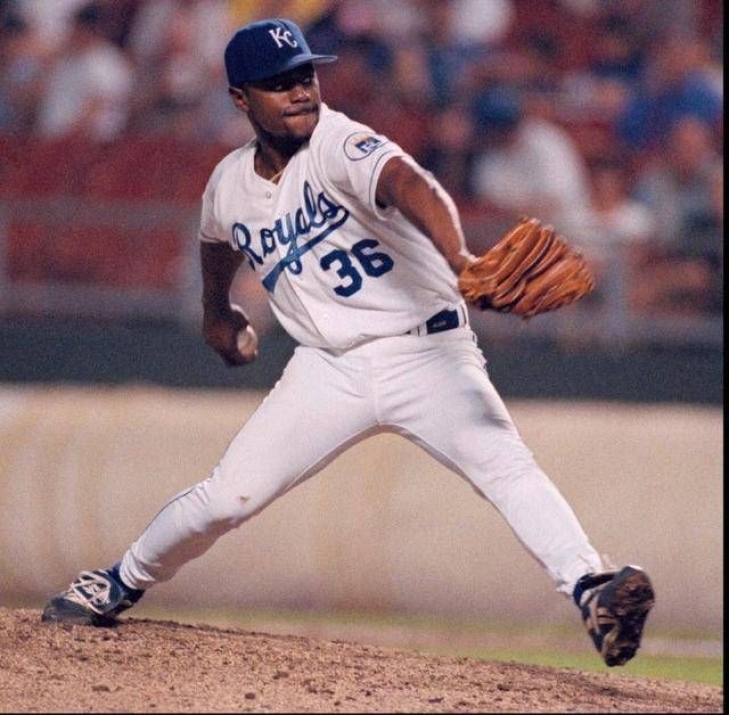
34. Tom Gordon
29. Greg Holland
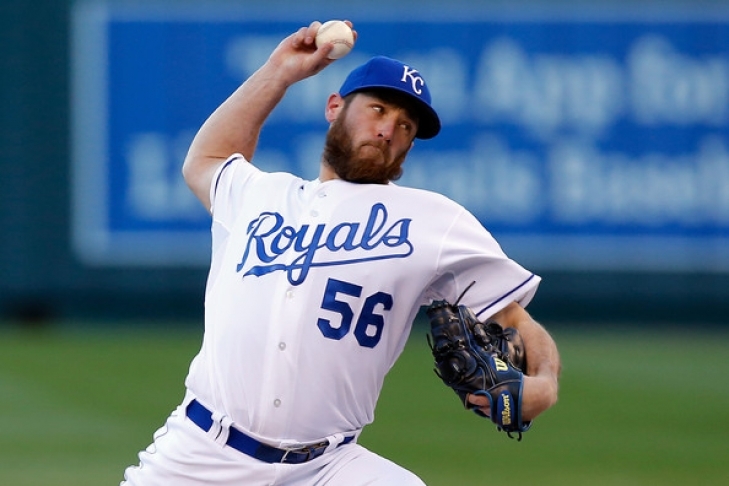
Greg Holland was developed as a pure reliever from the moment the Royals drafted him in 2007. Armed with a high-90s four-seam fastball and a biting slider, he never started a single game for the organization. He spent two seasons as a high-leverage setup man before the 2012 trade of Jonathan Broxton to Cincinnati opened the door for him to become the full-time closer.
Holland reached a historic peak of efficiency during the 2013 and 2014 campaigns. In 2013, he recorded a franchise-record 47 saves and followed it with 46 the next year. He maintained an elite dominance during this stretch with back-to-back ERAs under 1.50 and WHIPs under 1.000, earning two All-Star selections and the inaugural Mariano Rivera AL Reliever of the Year Award. He showed the organization he was a foundational winner by serving as the final hammer for the "H-D-H" bullpen that led Kansas City back to the World Series in 2014.
Everything culminated in a difficult 19-month stretch beginning in late 2015. While he battled through 32 saves that year, his effectiveness dipped as he pitched through a significant UCL tear. He missed the entire 2015 postseason and the subsequent World Series title to undergo Tommy John surgery. After a five-year journey through several NL clubs, he returned to the Royals in 2020 as a veteran mentor, proving he could still deliver in a setup capacity. He left for Texas in 2022, departing with 159 saves, ranking fourth in franchise history.
36. Al Fitzmorris
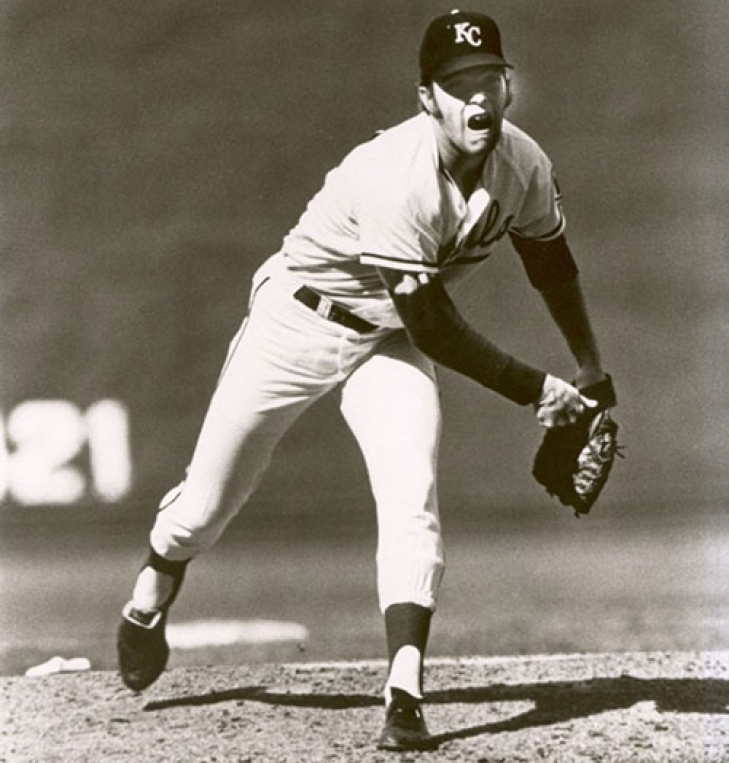
Al Fitzmorris was a cornerstone of the original Kansas City rotation, joining the organization as a selection from the Chicago White Sox in the 1968 Expansion Draft. While it took several years to find a permanent role in the shifting hierarchy of the new franchise, he eventually emerged as one of the most reliable right-handers of the early 1970s.
Fitzmorris spent the first half of his Kansas City tenure as a versatile weapon, moving between the bullpen and the rotation while the club searched for its identity. He demonstrated a specialized ability to eat innings in 1973, when he was promoted to a full-time starter and recorded eight wins with a 3.25 ERA. This transition served as the essential lead-in to his most productive stretch, where he evolved into a consistent winner for a team that was beginning to challenge the Oakland dynasty for supremacy in the American League West.
The 1974 through 1976 campaigns represented the peak of Fitzmorris's efficiency. He won at least 13 games each season, peaking with a 16-win season in 1975, and helped them reach their first playoff appearance in 1976. That would be his swansong in Kansas City, as he departed the organization exactly as he had arrived, when the Toronto Blue Jays selected him in the 1976 Expansion Draft.
Fitzmorris compiled a 70-48 record, a 3.51 ERA, and 450 strikeouts for the club.
34. David DeJesus
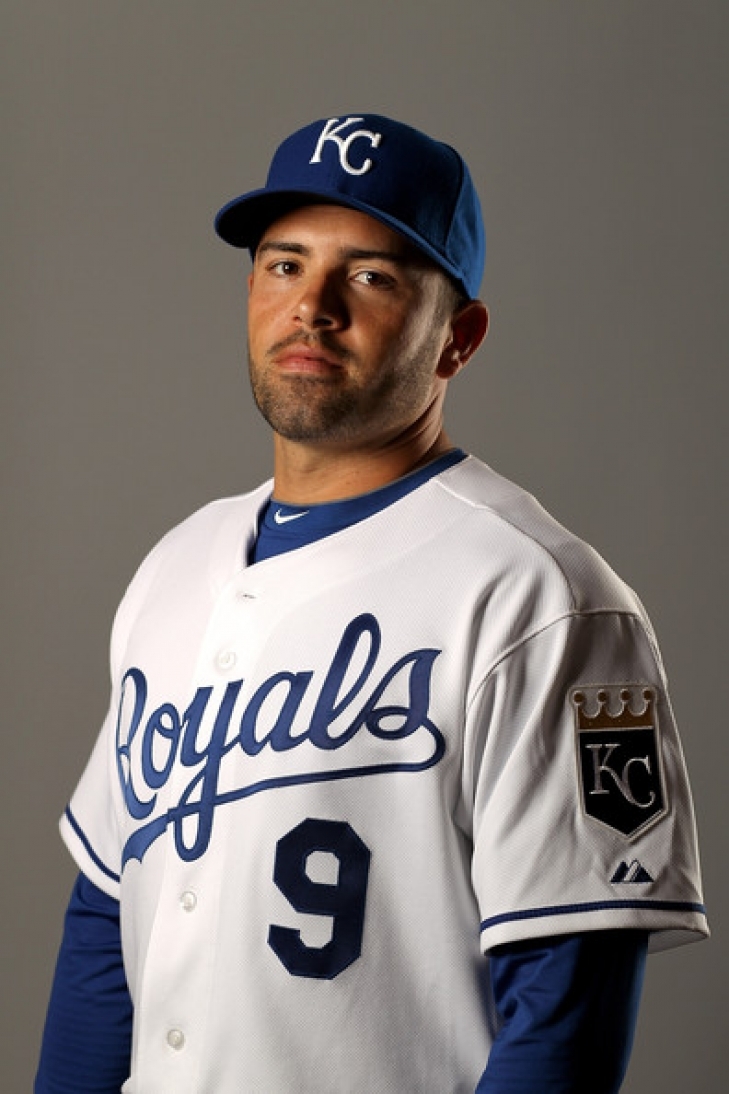
A fourth-round pick from Rutgers in 2000, David DeJesus made it to the bigs in 2003, took over center field in 2004, and immediately finished sixth in the American League Rookie of the Year voting.
During the 2008 campaign, he recorded a career-high .307 batting average with 12 home runs and 73 RBIs while providing steady-state production at the top of the order. He demonstrated a specialized ability to manufacture runs in a cavernous home ballpark, recording 159 hits and a .366 on-base percentage, and from 2007 to 2009 had at least 155 hits per season.
In 2006, he demonstrated a rare, vulnerable quality by leading the American League in hit-by-pitches, a testament to his specialized ability to crowd the plate and reach base by any means necessary. While he never duplicated the hardware potential of his rookie season, he remained a model of offensive consistency, maintaining a .289 career average during his stay in Kansas City.
DeJesus was traded to Oakland in 2010 and, as a Royal, compiled 971 hits, with a .289 average.