

41. Marcus Stroman
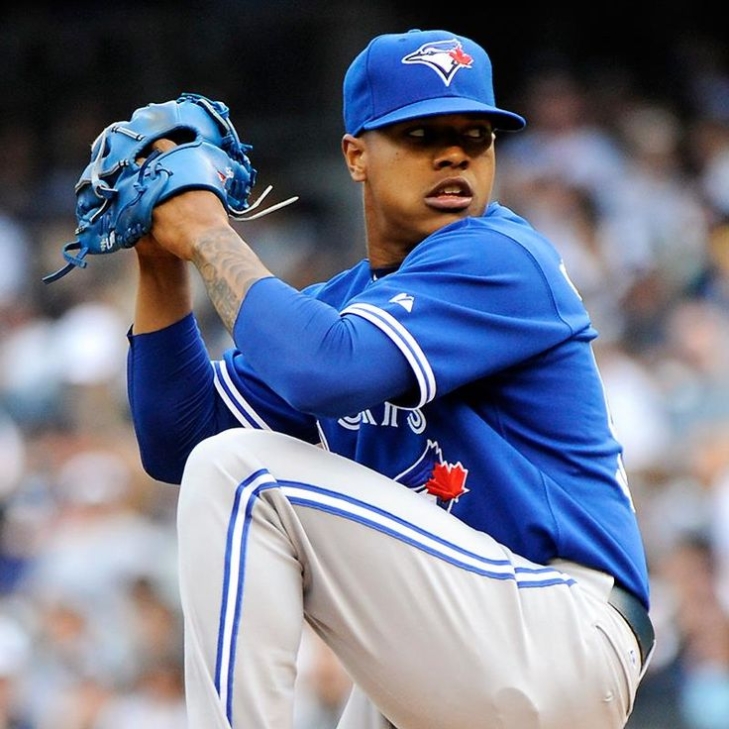
Marcus Stroman’s journey in Toronto was a high-velocity study in raw athletic resilience and big-stage swagger. Selected in the first round of the 2012 draft out of Duke University, the diminutive right-hander carried an oversized competitive engine that defied the traditional scouting cookie-cutter mold for frontline starters. He dispelled any concerns about his durability by tearing through the minor leagues in just two seasons, breaking into the Blue Jays' starting rotation in 2014 and orchestrating a stellar 11-win rookie introduction that immediately galvanized the fan base.
Just as he appeared ready for a major breakthrough, disaster struck during 2015 Spring Training when a severe torn ACL seemed to halt his second season. Demonstrating the fierce internal resilience that would shape his character, Stroman orchestrated an extraordinary, almost miraculous recovery. He avoided the usual recovery schedule to return by September, finishing with a perfect 4–0 record and delivering a vital emotional boost, which helped carry the strong Blue Jays team all the way to the ALCS.
His time in the north followed a captivating rise and fall in development. After a tough, inconsistent 2016 season, Stroman delivered a standout performance in a remarkable 2017 year. Using a heavy, sinking pitch that caused numerous weak contacts, he dominated American League hitters with a 13–9 record and a career-low 3.09 ERA over 201.0 innings. His impressive athleticism was highlighted when he earned an AL Gold Glove, confirming his place among the top young pitchers in the league.
Yet the performance volatility returned almost immediately, as severe shoulder fatigue and blisters cratered his efficiency during a painful 2018 slide. True to his resilient nature, Stroman flipped the script again in 2019. He rediscovered his elite form over his first 21 starts, posting a microscopic 2.96 ERA and earning his inaugural American League All-Star selection—even as a bleak run-support environment saddled him with a deceptive 6–11 record.
With the franchise pivoting into a complete youth movement and the outspoken starter entering the final phases of club control, the front office traded the emotional right-hander to the New York Mets midway through the 2019 season. With the Blue Jays, Stroman posted a 47–45 record, a 3.76 ERA, and a 1.28 WHIP over 789.2 regular-season innings, with 635 strikeouts.
22. Bo Bichette
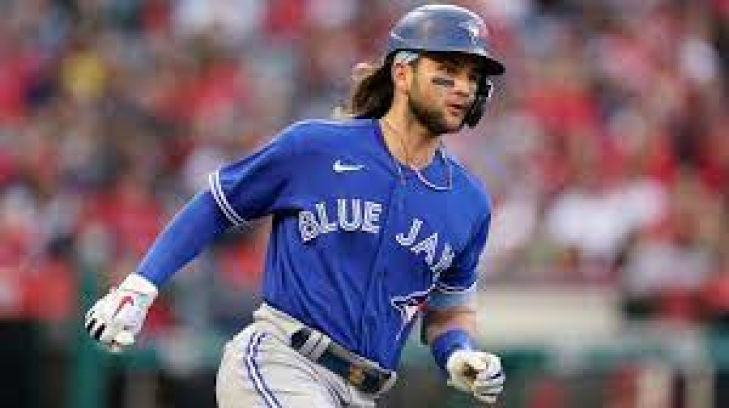
When Bo Bichette first arrived in Toronto in the summer of 2019, he brought along the impressive legacy of his father, former Colorado Rockies slugger Dante Bichette. However, he quickly crafted his own unique style — smooth and full of energy. Drafted by the Blue Jays in the second round of the 2016 amateur draft from Lakewood High School, this talented, flowing-haired shortstop needed just three seasons in the minors to prove that the team’s investment was well-placed. He made an immediate impact when he reached the majors, shining brightly in just 46 games that summer. Bichette impressed everyone with a .311 batting average, hitting 11 home runs, and even matching Ted Williams by hitting an extra-base in nine straight rookie games.
Following a brief, injury-interrupted 2020 campaign, Bichette exploded into absolute major league superstardom, engineering a phenomenal three-year run of offensive production that established him as the premier hit-maker in the American League.
His 2021 season marked his emergence as a key elite player. As the energetic heartbeat of a young Toronto team, Bichette appeared in 159 games, utilizing his rapid hands to lead the junior league with 191 hits and 121 runs. He combined this impressive volume with a powerful mix of speed and power, hitting 29 home runs, driving in 102 RBIs, and stealing 25 bases. This performance earned him his first All-Star selection and a 12th-place finish in the AL MVP race.
He proved it was no fluke by putting together a similar 2022 campaign. Despite experiencing some early-season cold stretches, Bichette caught absolute fire in September, finishing the summer as the American League's hit leader for the second consecutive season with 189 knocks. He cracked a career-high 43 doubles, swatted 24 home runs, and drove in 93 runs while lifting his OPS to .802, netting another top-11 finish in the MVP voting. By doing so, he became the first player in Blue Jays history to lead the league in hits across back-to-back summers.
By 2023, Bichette had established himself as the team's most well-rounded and disciplined hitter. Despite missing time due to two separate injuries that limited him to 135 games, he surpassed the .300 batting average mark for the first time in a full season, finishing third in the AL with a solid .306. Additionally, he became the fastest in franchise history to reach 500 career hits, accomplishing this in just 407 games—breaking Vernon Wells’ previous record—while also hitting 20 home runs and earning his second All-Star selection.
That steady escalation met a disastrous roadblock during a brutal, injury-riddled 2024 campaign. Battling nagging calf strains all summer, Bichette looked completely out of sync, watching his numbers plunge to a career-worst .225 average with a sub-.600 OPS.
Confronting a significant and high-stakes decision at a pivotal point in his final year under team control, Bichette responded with an outstanding and redemption-driven 2025 season. He addressed all concerns regarding his durability and methodology, anchoring the Toronto roster across 139 games. Mashing American League pitchers, he regained his elite form, achieving a remarkable, career-high batting average of .311, with 181 hits, 44 doubles, and 18 home runs, while driving in 94 runs. Although a minor injury in late September temporarily sidelined him, he returned in time for an extraordinary postseason, batting at an impressive .348 during the World Series—culminating in a legendary, go-ahead three-run home run off Shohei Ohtani in Game 7, securing his enduring legacy in Toronto.
The Jays would eventually lose that game and lose Bichette shortly after, as he departed for the New York Mets via free agency. He left behind 904 hits, 111 home runs, 437 RBIs, and 60 stolen bases while generating an outstanding .294/.336/.469 slash line (121 OPS+).
40. Willie Upshaw
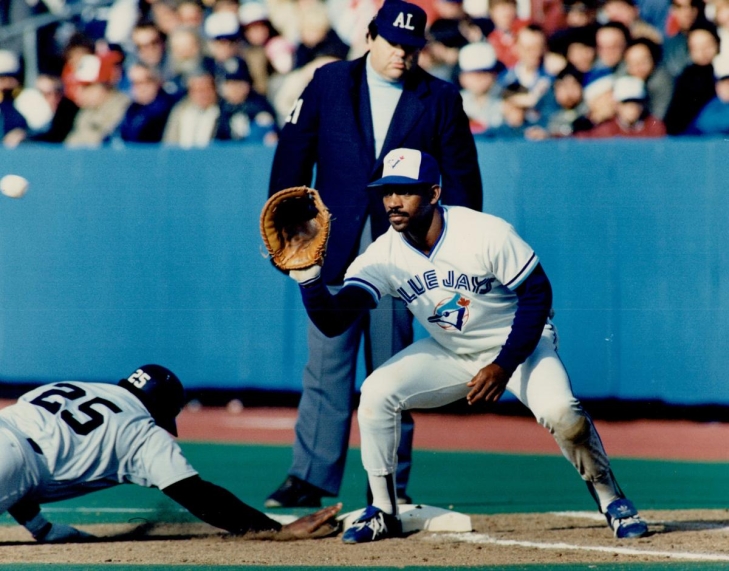
When the Toronto Blue Jays plucked Willie Upshaw from the New York Yankees organization in the 1977 Rule 5 draft, they were a fledgling expansion franchise seeking foundational building blocks. The raw, left-handed-hitting prospect needed a patient developmental runway, spending his first few summers in Canada in part-time roles and minor-league assignments. By 1982, however, that investment paid off as Upshaw firmly seized the everyday first-base job, anchoring the infield for a rising young squad that was rapidly learning how to win.
Once entrenched at first, Upshaw quickly blossomed into one of the American League's premier offensive catalysts. He rattled off three consecutive seasons crossing the 150-hit threshold, showcasing a beautiful, fluid left-handed stroke that perfectly manipulated the gaps at Exhibition Stadium. He combined that line-drive consistency with excellent over-the-fence muscle, blasting 21 home runs in 1982 to signal his arrival as a legitimate middle-of-the-order threat.
That steady upward climb culminated in a historic individual masterpiece during a magnificent 1983 campaign. Upshaw completely paralyzed junior-circuit pitching, putting together the finest season of his life. He became the first player in Blue Jays history to eclipse the 100-RBI barrier, launching a career-high 27 home runs and racking up 177 hits. His clinical approach at the plate was reflected in a sparkling .306/.373/515 slash line, a high-leverage performance that drew significant national attention and earned him an 11th-place finish in the AL MVP balloting.
While Upshaw would never quite replicate the blistering statistical peak of that 1983 showcase, his steady bat and veteran poise remained central to the franchise's golden era. He slugged 19 home runs in 1984 and was a major engine for the historic 1985 squad, which won 99 games to capture Toronto's first-ever American League East pennant. He would give the club two more productive years of iron-man durability before the Cleveland Indians purchased his contract ahead of the 1988 season.
With the Blue Jays, Upshaw had 778 hits, 142 doubles, 112 home runs, and 427 RBIs with a .265/.336/442 slash line (109 OPS+).
37. Paul Quantrill
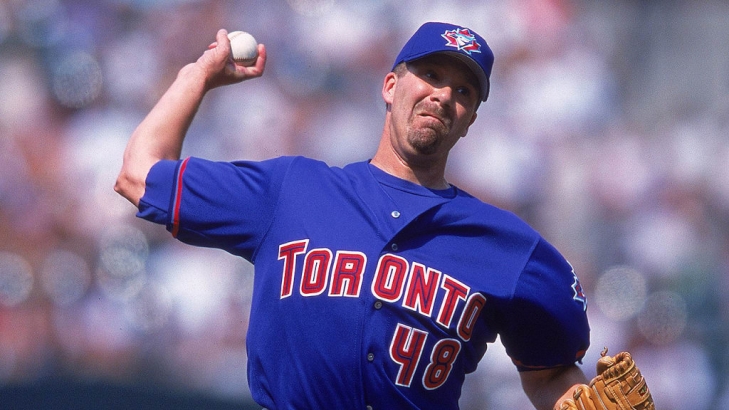
When Paul Quantrill took the mound at SkyDome for his first home game in 1996, it carried a special local significance. Originating from London, Ontario—near Toronto—he was among the few Canadian players of his time fortunate enough to join the country's top major league team. After developing his skills at the University of Wisconsin and debuting with the Boston Red Sox and Philadelphia Phillies, his December 1995 trade to Ontario marked a meaningful homecoming and a significant professional challenge.
His 1996 campaign's introduction was a brutal test of resilience. Moving between an unstable starting rotation and an overtaxed bullpen, Quantrill had great difficulty establishing a consistent rhythm. He finished with a poor 5–14 record over 38 appearances (22 starts) and posted a high 5.44 ERA as he struggled to control base-running threats in a tough, run-heavy AL East division.
His career's pivotal moment came before the 1997 season when the coaching staff decided to assign him permanently to full-time bullpen duties. This change suited his skills well. Freed from the need to pace himself through multiple rotation turns, Quantrill became highly effective as a late-inning reliever, using precise command and a heavy sinking fastball. He achieved an impressive 1.94 ERA over 77 relief appearances. He continued his strong performance with another reliable summer in 1998, pitching in 82 games and posting a 2.59 ERA, establishing himself as a dependable workhorse for the organization.
His remarkable durability and precise pitching reached a historic peak in 2001. That year, Quantrill was the top middle-relief pitcher in baseball, leading the American League with 80 appearances. He finished with an impressive 11–2 record, a 3.04 ERA, and a 1.18 WHIP. His skill at inheriting runners and escaping late-inning pressure earned him his first and only All-Star selection, making him a proud figure for Canadian baseball fans.
With his contract near completion and the organization looking to retool its payroll, Toronto traded the veteran reliever to the Los Angeles Dodgers in December 2001. With the Blue Jays, Quantrill appeared in 386 games (22 starts). He compiled a 30–34 record, a solid 3.67 ERA, and a 1.34 WHIP. He pitched 517.1 innings, recorded 15 saves, and struck out 334 batters. He was inducted into the Canadian Baseball Hall of Fame in 2010.
38. Kevin Pillar
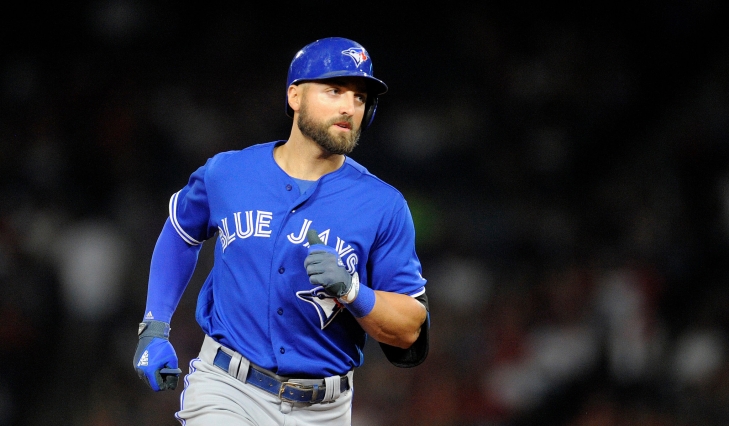
Kevin Pillar set a historic 54-game hitting streak at California State University, Dominguez Hills. Despite this achievement, his Division II background caused him to be drafted only in the 32nd round of the 2011 draft, 979th overall. However, Pillar defied expectations by leveraging a relentless work ethic, quickly progressing through the minor leagues and reaching the major leagues within two years.
By the 2015 season, Pillar had solidified his position as the everyday center fielder at Rogers Centre, becoming known for his spectacular plays. He played aggressively, often risking his safety by leaping into the grass and crashing into the padded walls to make catches. His remarkable defensive skills earned him the nickname "Superman" and were officially honored when he received the Wilson Defensive Player of the Year Award along with a Platinum Glove for being the best overall defender in the American League.
Pillar’s elite defense was a vital cornerstone during the franchise's thrilling return to prominence. He posted a.278 batting average with 163 hits in 2015, providing a critical late-innings spark and high-leverage defensive stability that helped push Toronto into the ALCS. He backed that up with another 144-hit campaign in 2016, helping carry the Blue Jays directly back to a second consecutive ALCS appearance.
Although his aggressive, relentless approach at the plate kept his walk rates low and his on-base percentage below the league average, his durability and contact skills ensured he remained highly effective. He posted two more solid seasons with double-digit home runs in 2017 and 2018, frequently pitching extensive innings.
With the organization pivoting toward a complete youth movement and rebuilding phase, the front office traded the veteran outfielder to the San Francisco Giants just five games into the 2019 schedule. With the Jays, Pillar had 641 hits, 150 doubles, 55 home runs, 231 RBIs, and 69 stolen bases. While his .260/.297/.396 slash line reflected his free-swinging tendencies, his spectacular technical range in center field generated an outstanding 8.7 defensive bWAR.
33. Paul Molitor
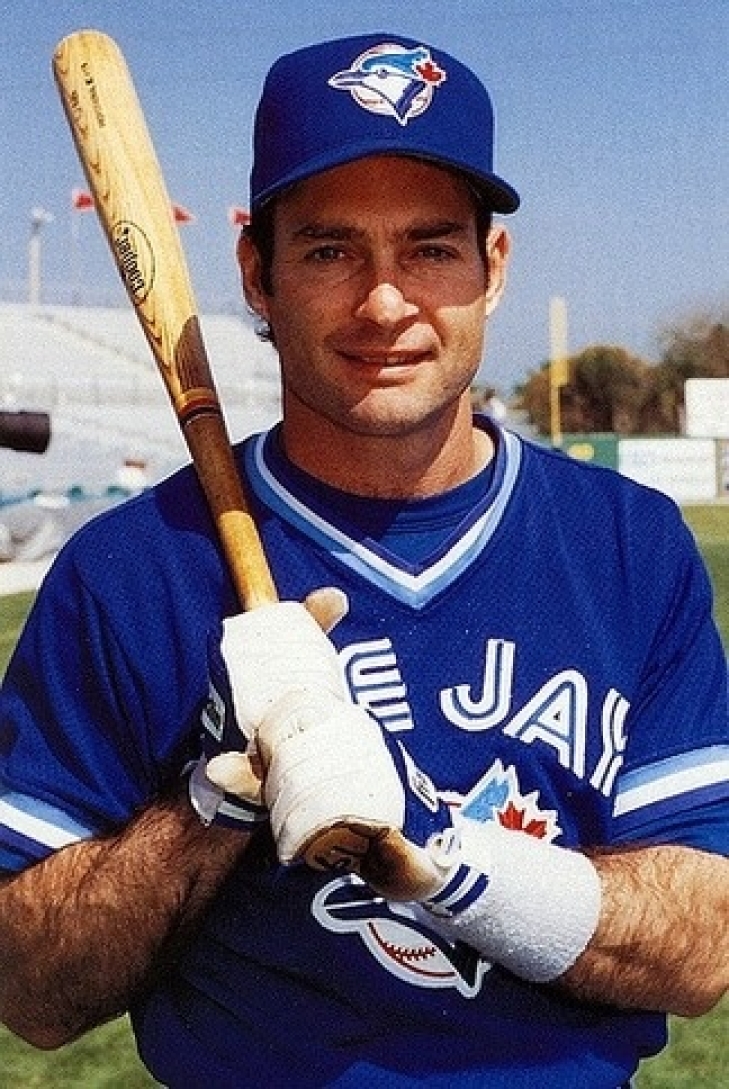
In 1992, the Toronto Blue Jays won their first world championship with Hall of Famer Dave Winfield as the designated hitter. After Winfield left in free agency, the team achieved a remarkable upgrade by signing Paul Molitor to a multi-year deal in December 1992. Molitor, affectionately called "The Ignitor,” brought exceptional contact hitting skills and a powerful, high-energy style. The intelligent right-handed hitter quickly made a significant impact, elevating the team's offense and solidifying his reputation as a hitting master.
Molitor’s debut in 1993 was truly historic. As a key part of the legendary "WAMCO" lineup, he dominated American League pitching. Using a compact, swift swing, he led the majors with 211 hits and achieved an impressive .332 batting average. More than just a singles hitter, Molitor showed added power, hitting a career-high 22 home runs and driving in 111 runs. This performance earned him the AL Silver Slugger Award and a close second in AL MVP voting.
That regular-season dominance beautifully set the stage for an immortal postseason showcase. As Toronto marched back to the Fall Classic, Molitor turned the 1993 World Series into his own personal playground. He shredded the Philadelphia Phillies' pitching staff, batting a staggering .458 with two home runs, two triples, and seven RBIs. Whether he was turning around fastballs or hitting line drives into the gaps, his clinical performance earned him the undisputed World Series MVP Award, capped by scoring the winning run on Joe Carter's historic walk-off three-run homer in Game 6, securing back-to-back world titles for Toronto.
Despite the 1994 strike-shortened season impacting the Blue Jays’ overall performance, Molitor stayed unaffected by decline. He delivered another outstanding offensive season, hitting .341 with 141 hits in only 115 games, earning his seventh All-Star appearance. Although his efficiency declined slightly in his final Toronto year in 1995, with a batting average of .270, his veteran leadership and excellent bat-to-ball skills kept him among the top designated hitters in baseball.
Prior to the 1996 schedule, the proud St. Paul native opted to return home, signing with the Minnesota Twins to beautifully chase his 3,000th career hit and close out his playing ledger where his roots began. Across three seasons in Toronto, Molitor appeared in 405 games and accumulated 508 hits, 87 doubles, 41 home runs, and 241 RBIs while generating a stellar .315/.388/.467 slash line (126 OPS+). He was inducted into the Baseball Hall of Fame in 2004.
29. Kelly Gruber
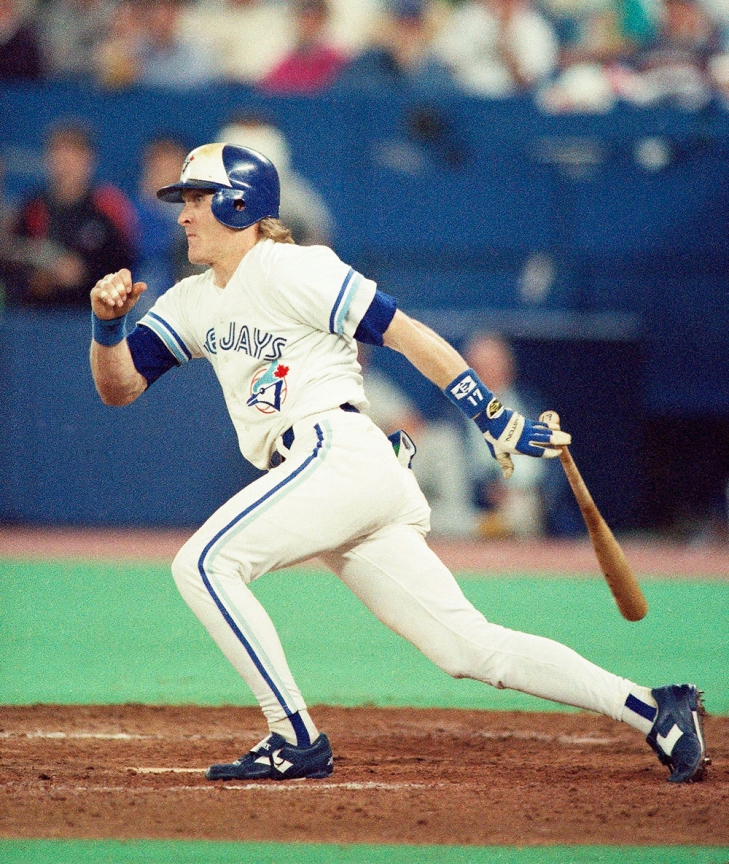
Kelly Gruber’s time in Toronto reads like a classic rock-and-roll arc: a slow build in the wings, a sudden explosion into white-hot stardom, and a quick, injury-forced exit just as the band reached the mountaintop. Plucked from the Cleveland organization as an unheralded pick in the 1983 Rule 5 draft, the athletic, right-handed infielder spent years grinding as a reserve utility man. With his signature flowing blonde hair and high-octane playing style, he gradually won over the fans at Exhibition Stadium, officially claiming the everyday third-base job by 1987.
Once established at the critical defensive position, Mr. Gruber combined unwavering, aggressive fielding with a progressively powerful batting approach. His significant breakthrough occurred during a robust 1988 season, wherein he exceeded 150 hits for the first time, while also recording 16 home runs and 23 stolen bases. He advanced further in 1989, achieving the inaugural cycle in Blue Jays history on April 16, and elevating his batting average to .290, thereby earning his first selection to the American League All-Star team.
That steady upward climb culminated in a magnificent 1990 individual masterpiece that set the entire league on notice. Gruber was a force of nature, weaponizing his right-handed stroke to blast a career-high 31 home runs and drive in a towering 118 runs. His explosive offense was matched by flawless technical execution on the diamond, as he captured both a Silver Slugger and a Gold Glove Award, along with a fourth-place finish in the AL MVP voting. At 28, he appeared to be on a clear path toward sustained superstardom.
Or so we thought.
Beginning in 1991, severe, nagging shoulder problems and a deeply painful spinal bone spur began to rob him of his quick-twitch reflexes and power base. Though his efficiency collapsed over his final two summers in Toronto, his veteran grit remained an indispensable asset. He gritted his way through 120 games as the starting third baseman for the historic 1992 squad, memorably launching a crucial, game-tying solo home run in the eighth inning of Game 3 of the World Series to help steer the Blue Jays to their first-ever world championship.
Recognizing his worsening health, the front office traded the veteran third baseman to the California Angels that winter for Luis Sojo. Gruber played only 18 final games on the West Coast before retiring at age 31. With the Blue Jays, he had 800 hits, 145 doubles, 114 home runs, and 434 RBIs with a .259/.307/431 line.
31. Aaron Hill
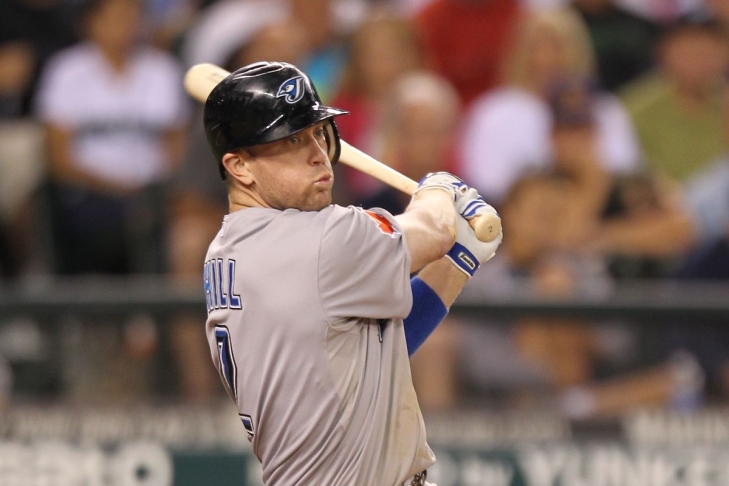
The Toronto Blue Jays used their 2003 First Round (13th Overall) to take LSU star Aaron Hill, who only needed two years to work his way through the Minors to make the parent club.
Hill played 104 Games in the infield as a rookie but only sat out seven Games over the next two seasons (2006 & 2007), batting .291 in both years. Showing skill offensively and defensively, Hill was injured for most of 2008 but had his most remarkable year in 2009. This was the year where he had career-highs in Home Runs (36), RBIs (108), and OPS (.829), and he was an All-Star and Silver Slugger. Hill also was 12th in MVP voting and won the AL Comeback Player of the Year.
2010 was inconsistent for Hill, who batted only .205 but belted 26 Home Runs. The Blue Jays, who declined his option the year before, traded the Infielder to the Diamondbacks during the 2011 Season, ending Hill’s stint in Toronto with 881 Hits and 96 Home Runs.
30. Alex Rios
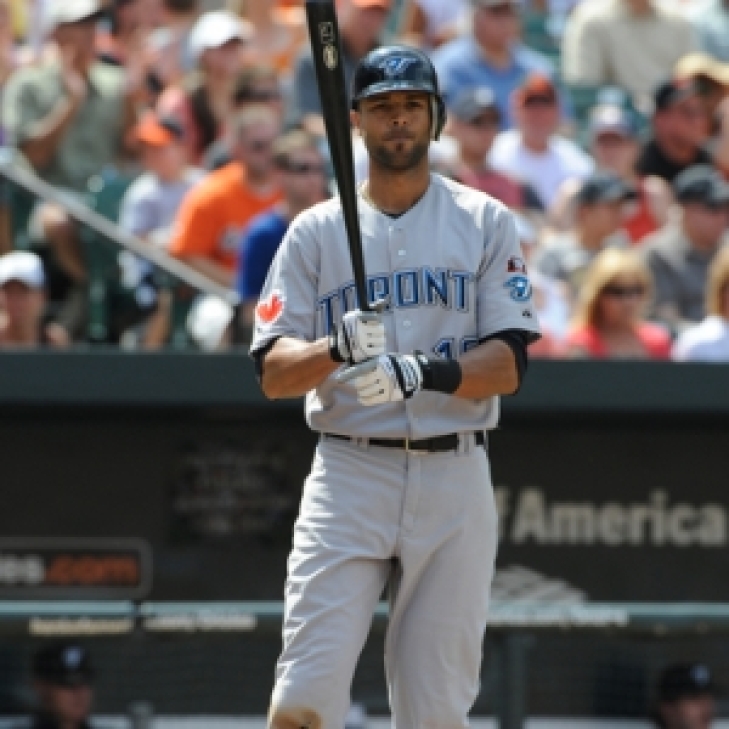
The story of Alex Ríos in Toronto is a stark reminder of how quickly a fanbase's adoration can transform into bitter resentment when immense potential curdles into frustration. Selected by the Blue Jays in the first round of the 1999 draft, the towering, athletic outfielder possessed an undeniably graceful, five-tool toolkit that made him the organization's consensus top prospect. When he finally claimed the everyday rightfield job in 2004, he looked every bit like the future face of the franchise, exhibiting a smooth right-handed stroke and elite defensive instincts that earned him a fifth-place finish in the American League Rookie of the Year race.
While that freshman campaign yielded 122 hits and a crisp .286 average, it featured a baffling lack of muscle, as Ríos managed just one solitary home run over 111 games. However, he gradually unlocked his physical power base over the next three summers, evolving into a truly dynamic, middle-of-the-order force. Ríos rattled off three consecutive seasons batting north of the .290 plateau from 2006 through 2008, combining his line-drive bat with elite high-velocity baserunning.
His individual production peaked during back-to-back All-Star campaigns. He hit a blistering .302 in 2006, then authored an individual masterpiece in 2007 by blasting a career-high 24 home runs, scoring 114 runs, and driving in 85 RBIs while securing a Fielding Bible Award for his exceptional defensive play in right field. By the time he swiped a career-high 32 bases in 2008, Ríos was widely viewed as a budding megastar entering his absolute prime.
Then came the sudden, catastrophic 2009 collapse. Almost overnight, his production plummeted into extreme inefficiency, highlighted by an ugly, demoralizing five-strikeout game against the Angels that became a focal point for disgruntled fans. As his intensity was openly questioned, the relationship between the outfielder and the Toronto faithful turned toxic. The boos amplified at Rogers Center, and Ríos visibly soured on the city. Desperate to shed the massive, multi-year contract extension they had handed him just a year prior, the front office placed the struggling star on waivers in August, allowing the Chicago White Sox to claim him and his remaining salary for nothing more than financial relief.
Ríos would go on to enjoy several strong, productive bounce-back seasons in Chicago and Texas, eventually securing an elusive World Series ring as a veteran contributor for the 2015 Kansas City Royals before walking away from the game. Rios accumulated 875 hits, 195 doubles, 81 home runs, 375 RBIs, and 112 stolen bases while posting a rock-solid .285/.335/.443 slash line in Toronto.
24. Fred McGriff
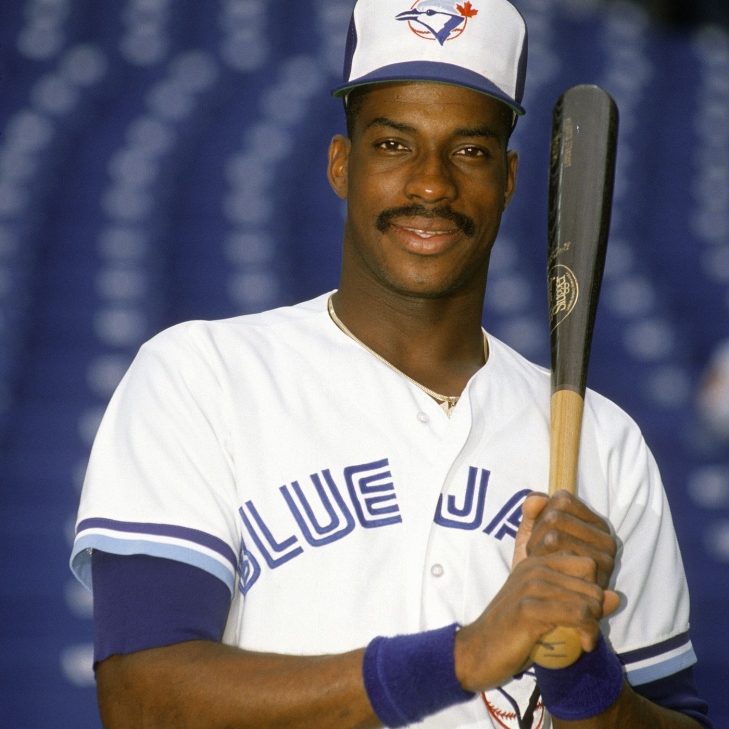
Before he became a well-known figure on the field, whether as a nomadic player in both leagues or as a Hall of Fame immortal, Fred McGriff was actually the rising star among Toronto's young baseball talent. Originally picked up by the New York Yankees, he was later traded to the Blue Jays in a 1982 minor-league deal that turned out to be very favorable for Canada. After steadily beating the best minor league pitchers, this tall, left-handed first baseman made his major league debut in 1986 for a brief stint, but it was the following summer that really put him on the map—hitting 20 home runs in just 107 games and making an unforgettable mark.
Armed with a textbook, high-quality swing that produced effortless opposite-field power, "The Crime Dog" swiftly became one of the most formidable middle-of-the-order hitters in the American League. He made a significant improvement in 1988, taking on most of the first base responsibilities while hitting 34 home runs and driving in 82 runs.
That consistent progression culminated in a remarkable 1989 season. After a summer of dominating junior circuit pitching, McGriff delivered a powerful offensive performance, leading the majors with 36 home runs, a .924 OPS, and a 165 OPS+. His impressive power earned him his first Silver Slugger Award and a sixth-place finish in the AL MVP race, serving as the key statistical factor that helped Toronto win the AL East division. In 1990, he maintained his elite run-producing level, hitting 35 home runs and setting a personal best with 94 walks, maintaining a strong .400 on-base percentage.
His run as a Jay abruptly ended in December 1990. Desiring to improve the clubhouse dynamic and acquire a top-tier defensive second baseman, the front office made a franchise-changing trade, sending McGriff and Tony Fernández to the San Diego Padres for Roberto Alomar and Joe Carter. This move directly contributed to Toronto’s consecutive World Series titles in 1992 and 1993, although McGriff continued his power hitting elsewhere, eventually earning a World Series ring as the cleanup hitter for the 1995 Atlanta Braves.
He accumulated 532 hits, 130 home runs, and 301 RBIs while generating a stellar .278/.389/.530 slash line (153 OPS+) for the squad. McGriff finally got the call from the Baseball Hall of Fame when he was chosen on his first Veterans Committee Ballot.
26. Ernie Whitt
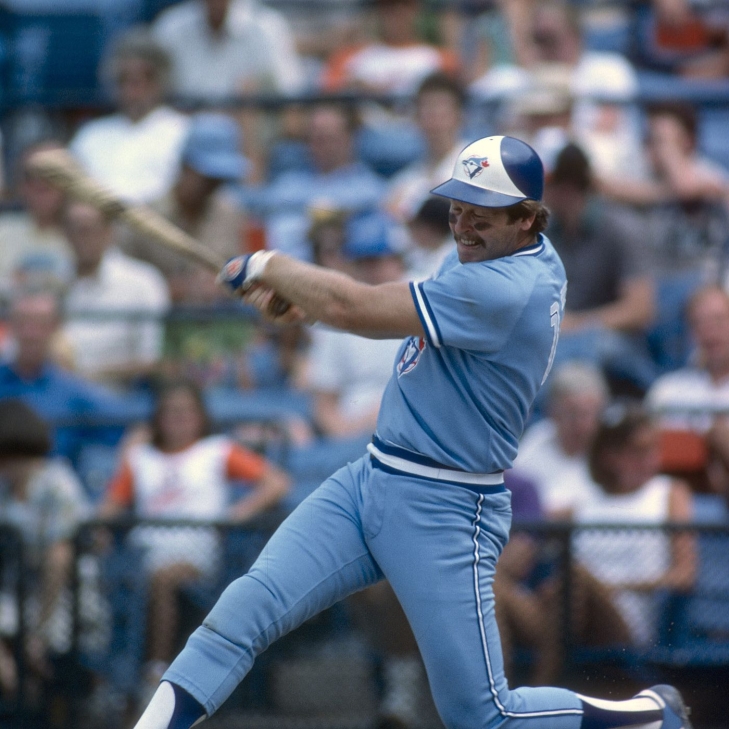
When the Toronto Blue Jays played their first game on a snowy April day in 1977, Ernie Whitt was a little-known 24-year-old expansion pick with only eight major league games on his record, all with the Boston Red Sox. Left unprotected because his position was blocked by Carlton Fisk, a future Hall of Famer, Whitt, a left-handed hitter, moved north with no promises. His rise was slow and difficult, but by the end of his 12 seasons in Toronto, he had become not only the starting catcher but also the emotional core of a developing team and the last remaining original Blue Jay.
Whitt spent the late 1970s largely overlooked in the minor leagues, managing only 25 appearances for the major league team in 1977 and 1978, and missing the entire 1979 season in Triple-A. His career took a significant turn before the 1980 season when Bobby Mattick became manager. Mattick saw the potential in Whitt's left-handed batting and consistent presence, promoting him to a regular role. Over the next ten years, Whitt became known for his effective platoon partnership with Buck Martinez, skillfully handling the more challenging matches against right-handed pitchers.
He swiftly became the primary defensive anchor and trusted confidant of Blue Jays ace Dave Stieb, providing a calming, composed presence that contributed to one of the most formidable young pitching staffs of the decade. As his defensive skills behind the plate improved, his left-handed batting became a reliable element in Toronto's deep lineup. Beginning in 1982, Whitt completely reinvented his offensive game, embarking on a nine-year streak of double-digit home runs.
His peak performance came during the historic 1985 season, when Whitt surpassed 100 hits for the first time, hitting 19 home runs and driving in 64 RBIs. This achievement earned him his only All-Star selection, where he had the chance to face Stieb on a national stage. More significantly, his consistent leadership behind the plate helped the Blue Jays reach 99 wins and secured the franchise’s first-ever postseason appearance. Two years later, in 1987, he delivered his best personal achievement, posting a career-high .269 batting average with 19 home runs and 75 RBIs.
Following the 1989 season, with the organization ready to hand the keys over to younger homegrown catchers like Pat Borders and Greg Myers, the front office traded the veteran icon to the Atlanta Braves. Whitt appeared in 1,218 games for Toronto and accumulated 888 hits, 164 doubles, 131 home runs, and 516 RBIs while generating a steady .253/.329/.418 slash line (104 OPS+).
Whitt was proudly inducted into the Canadian Baseball Hall of Fame in 2009.
18. John Olerud
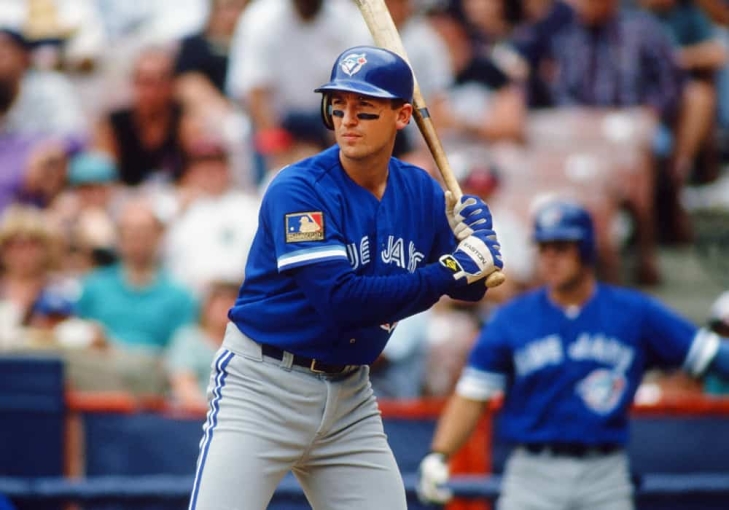
When the Toronto Blue Jays selected John Olerud in the third round of the 1989 amateur draft, they recognized that they were acquiring a highly skilled, smooth-swinging left-handed hitter from Washington State. What was unforeseen was the rapidity with which he would bypass the conventional development pathway. Olerud transitioned directly from collegiate baseball to the major leagues in September, becoming one of a select few modern players to experience the major leagues without any prior participation in minor league games.
His introductory months in late 1989 transitioned into a semi-regular platoon role throughout the 1990 and 1991 seasons. Initially sharing time at first base, Olerud promptly demonstrated that his fluid, line-drive swing coupled with advanced pitch recognition were adequately developed for a full-time position. By 1992, he had secured the regular starting role, providing consistent middle-of-the-order offensive output and dependable defense, thereby contributing significantly to Toronto’s historic first World Series championship.
That solid baseline set the stage for a spectacular, historic 1993 masterpiece that remains one of the greatest individual offensive seasons in modern baseball history. Flirting with the mythical .400 threshold well into August, Olerud utterly paralyzed American League pitchers all summer. He cruised to the AL Batting Title with a magnificent .363 average while pacing the junior circuit in doubles (54), on-base percentage (.473), OPS (1.072), and OPS+ (186). Backed by a remarkably patient eye that yielded 114 walks, he earned his first career All-Star selection and a close third-place finish in the AL MVP race, serving as the primary offensive engine for Toronto’s back-to-back world championship repeat.
He remained a productive hitter over three seasons, but his 1993 offensive peak declined as the team aged and underwent payroll changes. His time in Ontario ended in December 1996 when the Blue Jays traded him to the Mets for RHP Robert Person.
In Toronto, Olerud accumulated 910 hits, 109 home runs, and 471 RBIs while authoring an exceptional .293/.395/.471 slash line (130 OPS+). He was also inducted into the Canadian Baseball Hall of Fame in 2020.
16. Josh Donaldson

When the Oakland Athletics traded a rising star before the 2015 season, their attempt to sidestep rising arbitration costs led to one of the biggest cons in recent baseball history. The Toronto Blue Jays, believing they were one key player short of a historic breakthrough, went all out to acquire Josh Donaldson. Over the next four summers, the passionate and competitive third baseman didn't just secure the hot corner—he brought a bold, confident attitude that transformed the franchise.
"The Bringer of Rain" delivered an extraordinary, historic 2015 season right away. Leading a formidable Toronto lineup, Donaldson dominated the American League with 41 home runs, 122 runs scored, and 123 RBIs. His powerful offense was complemented by stellar, body-consuming defense at third base, earning an 8.5 bWAR season that thrilled fans. His outstanding regular-season performance earned him a Silver Slugger Award and the 2015 AL MVP—making him only the second Blue Jay to win this honor—breaking the franchise's 22-year postseason drought and guiding Toronto to the ALCS.
In 2016, Donaldson solidified his status as a dominant player, showing his MVP performance was consistent rather than exceptional. He earned his third straight All-Star selection, hit 37 home runs, set a personal best with 109 walks, and achieved a.404 on-base percentage. He concluded the summer with another Silver Slugger award and finished fourth in MVP voting. Notably, he made a dramatic dash from third base to score the game-winning run on a walk-off error in the ALDS, helping Toronto reach a second straight ALCS.
He maintained an elite level of run production into 2017, despite calf injuries, and still managed 33 home runs in just 113 games with his powerful right-handed swing. By 2018, the team’s championship hopes had faded. With an aging roster in decline and Donaldson hampered by ongoing calf issues, the front office decided to make a change. In August 2018, they traded their former MVP to Cleveland for a player to be named later, marking the quiet end of a significant era in Toronto baseball.
Over his four seasons in a Blue Jays uniform, Donaldson had 492 hits, 116 home runs, and 316 RBIs while generating a stellar .281/.383/.548 slash line (148 OPS+).
25. Duane Ward
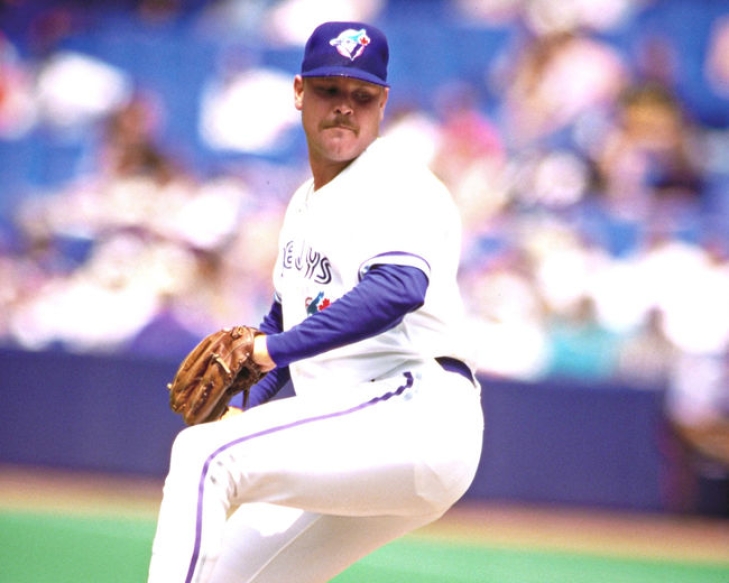
Before becoming the reliable late-inning pitcher helping lead his team to a championship, Duane Ward started as a young, energetic right-hander eager to find his place. Drafted in the first round by Atlanta, he initially made just 10 appearances in 1986 before being traded to Toronto in a straightforward challenge trade for seasoned starter Doyle Alexander. After spending the next couple of seasons honing his skills in the minors, Ward finally made a steady return to the majors in 1988. There, he quickly proved himself as a dependable and resilient pitcher in the middle innings, eventually securing the crucial eighth-inning setup role for good.
Ahead of closer Tom Henke, Ward established a formidable late-inning presence for the Blue Jays. At 6-foot-4, with a powerful, explosive fastball and a sharp slider, he handled a heavy workload, often entering games with runners on base to prevent rallies. In 1991, he led the American League with a career-high 81 appearances. By the 1992 World Series, as Toronto approached its historic championship, the "Ward-to-Henke" combo effectively shortened games to seven innings. Ward shone during that first title run, securing two relief wins in the Series.
When Henke departed for Texas in free agency that winter, Ward stepped out of the setup role’s shadow and seamlessly assumed the closer role for the 1993 repeat campaign. He responded with an absolute masterpiece of a season. Pacing the junior circuit with a franchise-record 45 saves and finishing 70 games, Ward secured his first career All-Star selection and finished fifth in the AL Cy Young Award voting, permanently cementing his big-game pedigree by striking out the final batter in Game 6 to seal back-to-back world titles.
After averaging more than 100 innings per year over a grueling five-season stretch out of the bullpen, Ward's arm finally gave out. He missed the entire 1994 season due to severe biceps tendinitis, and despite a grueling rehabilitation program, he managed only four ineffective, painful appearances in 1995 before his body forced him into early retirement.
As a Blue Jay, Ward made 462 appearances (all but two in relief), compiling a 43–35 record with a 3.18 ERA, a 1.21 WHIP, and 121 saves. He logged 662.2 innings, striking out 671 batters. The Canadian Baseball Hall of Fame inducted Ward in 2023.
27. David Wells
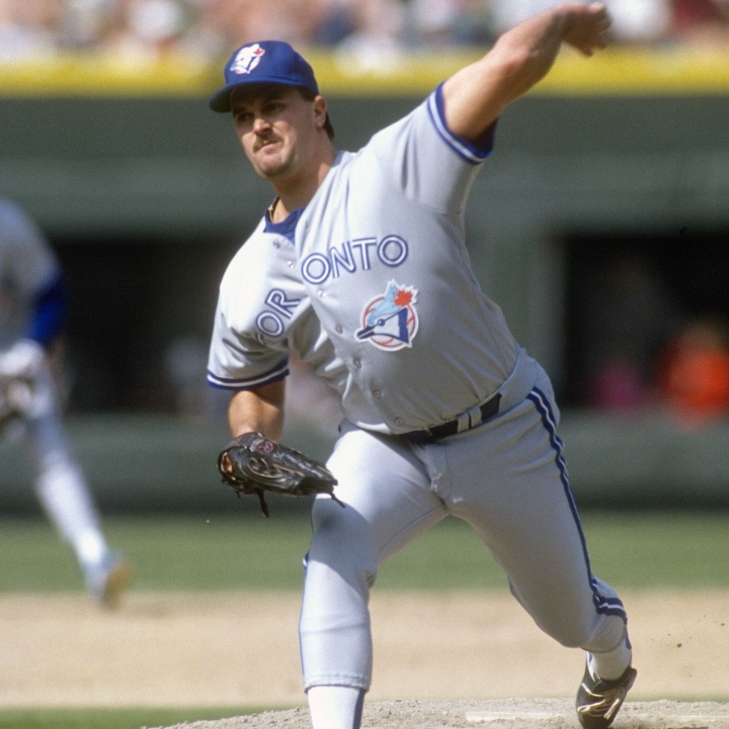
When David Wells first entered the big leagues with Toronto in 1987, no one could have imagined the incredible, high-stakes journey that was yet to come. Known affectionately as "Boomer," this lively and honest left-hander stood out in a sport that often values uniformity. Although he spent his early days exploring different roles, his experience in Canada turned into a remarkable story of growth, as he evolved from an unpredictable bullpen pitcher to one of the most resilient and commanding left-handed starters of his era.
During his initial six seasons with Toronto, Wells demonstrated great versatility as a pitcher. He started in 1987 as a rookie, mainly pitching out of the bullpen, and over the next three years, he skillfully alternated between spot starts and intense relief roles. In 1990, he secured a permanent spot in the rotation, achieving an 11-win season with a 3.14 ERA. By 1992, he was an important multi-purpose player for a strong team, appearing in 41 games and helping Toronto win its first American League pennant. Although his role in the Fall Classic was limited, Wells earned his first World Series ring before being unexpectedly released by the front office just before the 1993 season.
That abrupt departure triggered a significant mid-career transformation. Wells moved to Detroit, Cincinnati, and Baltimore, steadily refining his precise control and developing a powerful, heavy curveball. By 1998, he had become a star with the New York Yankees, achieving a historic perfect game and leading a championship rotation. Then, in February 1999, a surprising trade occurred: Roger Clemens requested a move to a contender, leading the Yankees to include Wells as the main part of the deal to Toronto.
His second stint in the Great White North showcased exceptional old-school durability. Boomer not only pitched many innings but also completely shut down the powerful, steroid-enhanced offenses of that era. In 1999, he secured 17 wins, and in 1999, he delivered a remarkable season. Despite a tough, high-scoring environment, Wells led the American League with a 20–8 record, pitching 229.2 demanding innings. While his 4.11 ERA reflected the era's hitter-friendly conditions, his command remained excellent, earning him an AL All-Star spot and a third-place finish in Cy Young voting.
With the franchise entering a rebuilding phase after the 2000 season, the front office traded the veteran left-hander to the Chicago White Sox in a multi-player deal. Wells would go on to pitch until he was 44, piling up 239 career victories across nine major-league stops.
With Toronto, Wells appeared in 302 games (130 starts) with an 84–55 record alongside a 4.06 ERA and a 1.28 WHIP. He threw 1,098.1 innings, recording 17 complete games, 6 shutouts, and 12 saves, and striking out 784 batters.
17. Lloyd Moseby
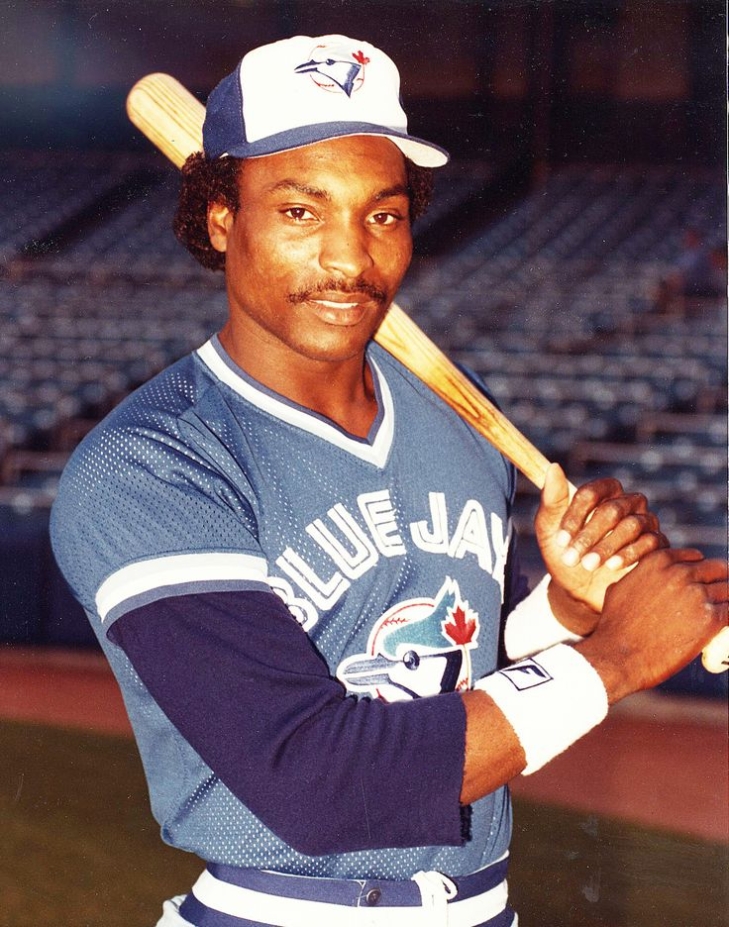
When the Toronto Blue Jays chose Lloyd Moseby with the second overall pick in the 1978 amateur draft, they weren't just selecting a promising baseball player—they were also winning a competitive race against other sports, especially basketball. This talented athlete from Oakland High School had options on the basketball court too, with over 50 college scholarships to consider. But he decided to follow his passion for baseball, and "Shaker" proved he made the right choice. He quickly rose through the minor leagues, making his major league debut in May 1980, and soon established himself as the team's reliable and talented center fielder.
As the expansion franchise gradually evolved from an American League afterthought into a genuine powerhouse, Moseby emerged as the athletic cornerstone of what many Canadians still regard as the most comprehensive and formidable starting outfield of the 1980s. Positioned alongside George Bell in left field and Jesse Barfield in right field, Moseby employed his exceptional speed and extensive lateral coverage to secure the expansive spaces of Exhibition Stadium. He complemented this defensive proficiency with a dynamic, top-tier offensive skill set, leveraging his left-handed swing to lead the junior circuit with a remarkable 15 triples in 1984, while cultivating a reputation as a highly aggressive baserunner.
His individual performance reached a remarkable peak during the competitive surge of the mid-1980s. Moseby served as a key offensive catalyst during the historic 1985 campaign, hitting 30 doubles and stealing 37 bases to lead Toronto to its first-ever AL East division title. He maintained that momentum into 1986, hitting 21 home runs and driving in 86 runs, earning his only career All-Star selection. Although his batting demonstrated considerable power—evidenced by a personal best of 26 home runs in 1987—his principal distinguishing feature was his prolific baserunning, with 255 stolen bases over his decade-long tenure, establishing a franchise record that endured for years.
As the decade ended, patrolling center field on synthetic turf took a toll, reducing his offensive skills and on-base percentage over his last two seasons. With the team's restructuring, Moseby finished his contract after 1989 and signed a multi-year deal with the Detroit Tigers, a division rival.
He amassed 1,319 hits, 149 home runs, 651 RBIs, and a franchise-leading 255 stolen bases, posting a .257/.333/.415 line, and was inducted into the Canadian Baseball Hall of Fame in 2018.
6. Vladimir Guerrero Jr.
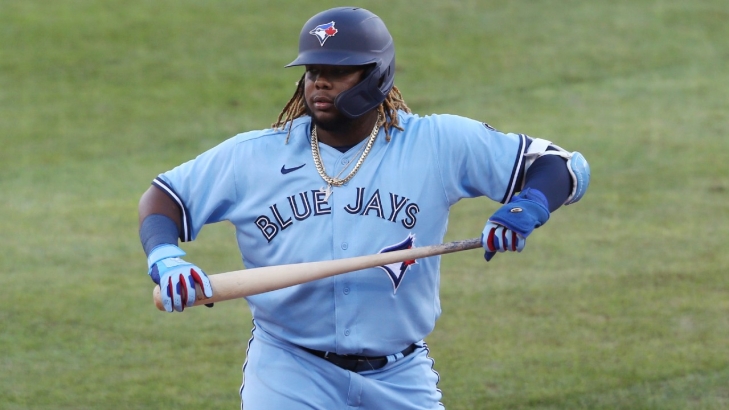
Vladimir Guerrero Jr., the son of Hall of Famer Vladimir Guerrero, embarked on his professional baseball career bearing the significant generational expectations that could easily undermine a less promising prospect. Signed from the Dominican Republic as an international free agent in 2015, his formidable batting ability accelerated his progression through the minor leagues, culminating in a highly anticipated Major League debut in 2019. He met these expectations by demonstrating the raw bat speed and considerable power reflective of his father’s legacy, finishing sixth in the American League Rookie of the Year voting and establishing himself as a key figure for the franchise's future.
Following his demonstration of capability during the abbreviated 2020 season, Guerrero delivered a historic, MVP-caliber performance in 2021 that would have likely earned him the award in nearly any other year, had it not been for an exceptional two-way season from Shohei Ohtani. By securing the esteemed Hank Aaron Award and his inaugural All-Star selection, the young first baseman dominated American League pitching by leading the league in runs (123), home runs (48), on-base percentage (.401), slugging percentage (.601), and achieving an impressive 1.002 OPS. This season served as a definitive statement of his elite status as a tier-one superstar, fully capable of dominating a game.
The ensuing two seasons brought a period of offensive recalibration, proving that even generational talents have to adjust to the league's counterpunches. While his power numbers dipped in 2022 and his OPS slid below .800 in a frustrating 2023, Guerrero adjusted by shoring up his defensive profile, capturing a Gold Glove at first base to show his value wasn’t strictly tied to the batter's box. The true roaring return to form arrived in 2024; shaking off a sluggish spring, he exploded down the stretch to hit a blistering .323 with 30 home runs, a surge that secured his fourth consecutive All-Star appearance and a sixth-place finish in the MVP voting.
Any anxiety regarding his long-term future in Canada was permanently erased in April 2025, when the Blue Jays front office orchestrated one of the most monumental moments in franchise history. Rather than letting their homegrown superstar walk into a high-stakes free-agent market, Toronto locked him up with a staggering 14-year, $500 million contract extension. The megadeal, featuring a full no-trade clause and no opt-outs, completely reset the organizational clock, ensuring that the face of the franchise would carry on his legacy north of the border as a lifelong Blue Jay.
With his financial future secured, Guerrero went out and validated every single penny during a thrilling 2025 campaign that culminated in a deep, magical postseason push. He put the entire team on his back in October, capturing ALCS MVP honors and absolutely tearing through the playoff brackets with a scorching 1.289 OPS and 8 postseason home runs. Though the Blue Jays ultimately fell just one victory short of a title, losing a heartbreaking 11-inning thriller in Game 7 of the World Series to the Los Angeles Dodgers, Guerrero’s absolute supremacy under the highest stakes solidified his reputation as a big-game destroyer.
Entering the 2026 season, Vladdy has the goods to enter the top five of this list by year’s end. Could he make it all the way to the top?
23. Tom Henke
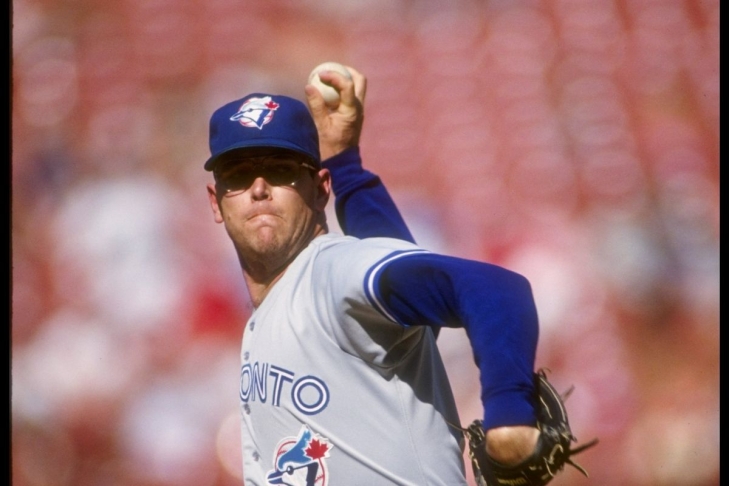
With his large, thick-rimmed wire glasses and gentle demeanor, Tom Henke initially appeared more like a reserved corporate accountant than a formidable major league closer. However, as soon as he took the mound, that misleading impression disappeared. Towering at 6-foot-5, this imposing right-hander utilized a blazing mid-90s fastball and a deadly diving forkball, earning him the nickname "The Terminator”—becoming one of the most formidable and dominant ninth-inning pitchers of his era.
His journey to Toronto truly showcases the cleverness of front-office decision-making. Initially drafted by Texas, Henke had incredible speed but often struggled with control, which led the Rangers to leave him unprotected in the 1985 free-agent compensation draft. The Blue Jays saw great potential in him and quickly took a chance. After Henke made a significant mechanical breakthrough at Triple-A Syracuse and earned the International League MVP award, Toronto called him up to the big leagues in mid-summer. He instantly made a big impact, providing a reliable and intimidating presence in the bullpen during the team's 1985 pennant race—saving 13 games down the stretch and helping secure the franchise's first division title.
By 1986, Henke took on the closer role permanently, recording 27 saves and giving a young team the reliable late-inning presence it had long sought. His performance peaked in 1987 when he was selected as an All-Star for the first time and led the American League with 52 games finished and 34 saves.
As Toronto steadily solidified its status as an elite American League powerhouse into the early 1990s, Henke became an ironclad guarantee in the back of the bullpen, rattling off five consecutive seasons with at least 20 saves. That ninth-innings security guard took on an even more terrifying dimension when the hard-throwing Duane Ward emerged as the team's primary eighth-innings setup man. The lethal Ward-to-Henke combination effectively shrunk games to seven innings, culminating in the historic 1992 championship run, when Henke logged five saves in the postseason to help deliver Canada its first-ever World Series title.
That global triumph doubled as his final act as a Blue Jay. Following the 1992 victory, Henke entered the open market as a free agent and elected to return to his original organization by signing a lucrative contract with the Texas Rangers.
Henke made 446 appearances (all in relief) for Toronto and compiled a stellar 29–29 record with a microscopic 2.48 ERA and an exceptional 1.02 WHIP. He collected a franchise-record 217 saves while logging 563 innings of work and striking out 644 batters. In 2011, he was inducted into the Canadian Baseball Hall of Fame.
21. Jim Clancy
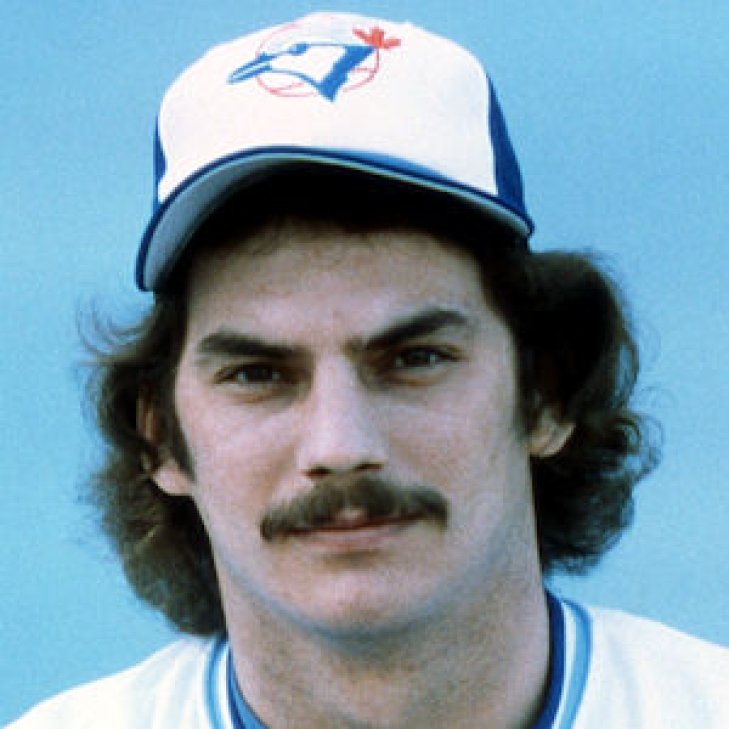
Jim Clancy was picked from the Texas Rangers in the sixth round of the 1976 expansion draft and arrived in Ontario as a young, talented pitcher eager to help build a new team. He made his major league debut during Toronto’s first season in 1977 and quickly became a key part of the starting rotation. Although the Blue Jays faced many challenges in their early years, Clancy quickly proved himself as a dependable and hardworking player, taking the mound every fifth day to provide the stability and effort the team needed to grow and succeed.
Clancy was not a flashy, high-strikeout superstar who dominated league leaderboards; however, his career was characterized by outstanding professional durability. Working with a heavy sinker and a determined, competitive mindset, he established himself as a consistent presence in the Toronto rotation for over a decade. He achieved eight seasons with at least 10 victories, notably marked by an exceptional individual performance in 1982. During that summer, he successfully navigated American League lineups, earning his sole All-Star selection in his career, while accumulating a personal best of 16 wins and pitching a demanding 266.1 innings over 40 starts.
As the organization gradually evolved from a basement-dweller into a bona fide American League powerhouse, Clancy provided the veteran rotation depth needed to push them over the top. He served as a primary engine during the historic 1985 campaign, logging 11 victories and 220.2 innings to help steer the Blue Jays to their first-ever AL East division title and postseason appearance.
His efficiency and velocity began to decline steadily over his final two seasons with the club. Following the conclusion of the 1988 campaign, Clancy ended his long tenure in Canada, signing a free-agent contract with the Houston Astros, where his career tailed off shortly thereafter.
Clancy made 352 appearances (345 starts), compiling a 128–140 record with a 4.10 ERA and a 1.37 WHIP over 2,204.2 innings.
19. Juan Guzman
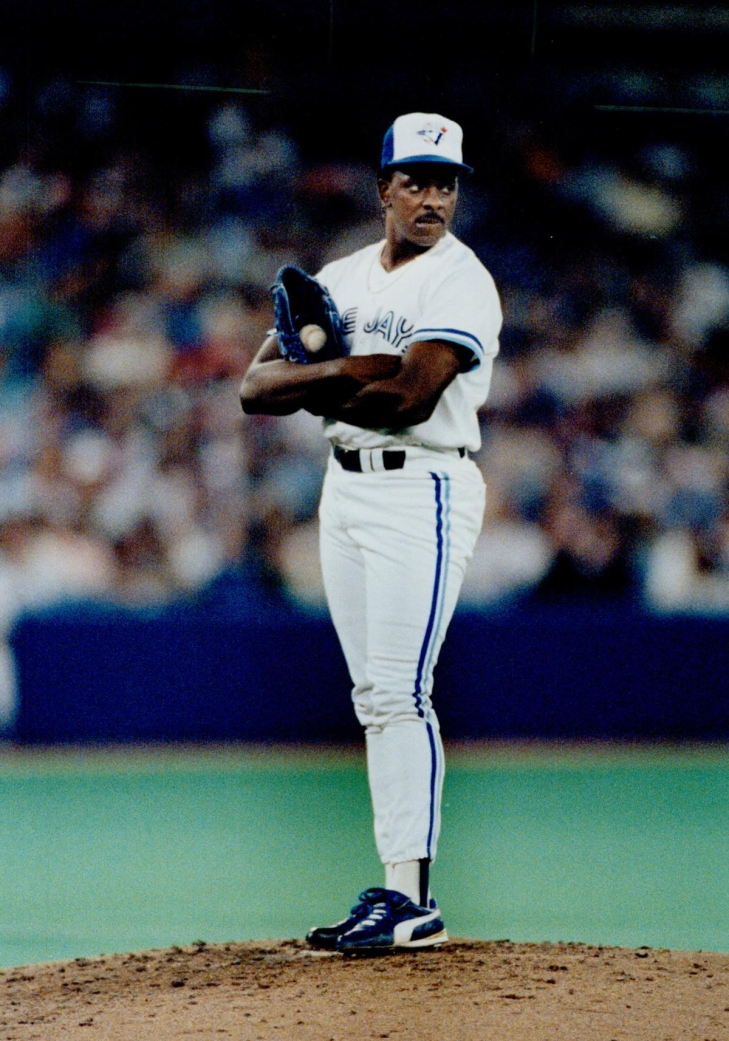
The Los Angeles Dodgers first signed a young Juan Guzmán from the Dominican Republic in 1985, seeing a raw, unrefined arm still years from maturity. Recognizing his potential, the Toronto Blue Jays acquired him in a minor league trade two years later. After developing through the farm system, the dynamic right-hander made a major breakthrough in June 1991. With a blazing fastball in the high-90s and an effective slider, Guzmán delivered a remarkable 10–3 rookie season, finishing as a close runner-up for the AL Rookie of the Year Award and quickly becoming a key member of a championship-caliber rotation.
His remarkable debut marked the start of an impressive two-year peak that aligned perfectly with the franchise's golden era. During the 1992 and 1993 seasons, Guzmán emerged as the key player in high-stakes games for a dominant team, destroying opposing lineups and achieving an outstanding 30–8 record in the regular season. He combined this with an exceptional postseason record, losing no games in the playoffs during the team’s consecutive championship runs, going 5–0 in both October series to help secure back-to-back World Series titles. After finishing seventh in the 1992 Cy Young Award voting, he seemed ready to establish himself as the junior circuit's next top ace.
Surprisingly, that elite velocity soon collided with severe mechanical and physical inconsistencies. Guzmán experienced a catastrophic drop-off over the next two summers, looking completely lost during the strike-shortened 1994 and 1995 campaigns. He battled rampant walks and persistent injuries, watching his ERA balloon to a disastrous 5.68 and 6.32 while his WHIP spiked past 1.60.
Just when it seemed Guzmán’s career was over, he staged an extraordinary comeback in 1996. Confusing American League hitters with a completely revamped approach, he led the league with a 2.93 ERA. His resurgence was also evident as he topped the junior circuit in ERA+ (171), WHIP (1.124), and hits allowed per nine innings (7.6). However, in a surprising turn of events typical in high-scoring eras, he received no votes for the Cy Young Award.
Unfortunately, that spectacular rebound proved to be a final, isolated flash of his peak form. The mechanical issues returned to derail him in 1997, and with his contract winding down on a struggling Toronto team, the front office elected to maximize his remaining market value. In July 1998, the Blue Jays traded their former postseason hero to the Baltimore Orioles, bringing a highly volatile, thrilling chapter to a sudden close.
With the Jays, Guzmán made 218 appearances (214 starts). He compiled a 76–62 record with a 4.07 ERA and a 1.36 WHIP, logging 1,321.2 innings and 1,030 strikeouts.
