

From Casual Games to Organized Competition: Why Pickleball Is Becoming a Team Sport Favorite
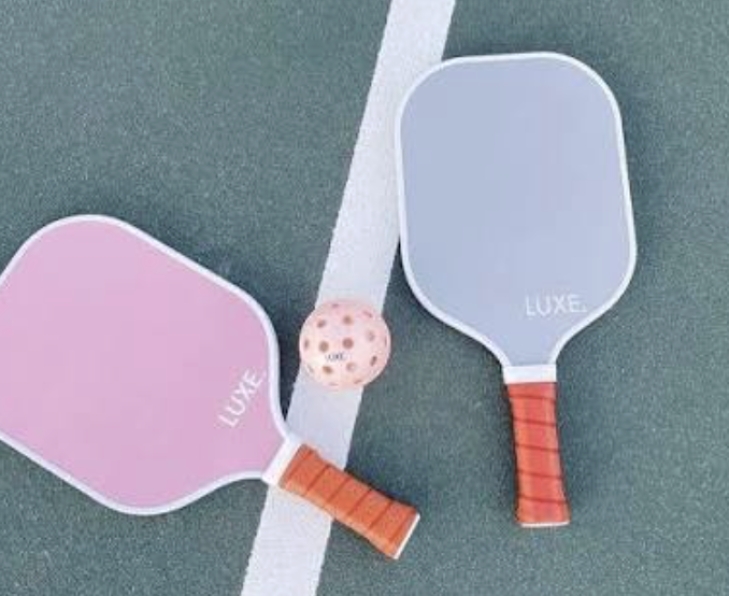
Sports communities are often built around things that have nothing to do with professional leagues. All over the country, every day, there are recreational sports played that generate a sense of competition and activity. One of the most prominent examples is the phenomenon of pickleball.
This pastime, which has its origins in casual backyard games, has evolved into something much bigger. Pickleball courts have been created, and players have moved on from informal, impromptu matches to organized, competitive environments.
The next step for any player looking to move on from casual pickleball is to get involved in the networks that allow them to engage with the game in a new way. For those interested in playing either local or specialized region matches, checking out the pickleball leagues sites is an excellent idea.
Why Pickleball Has Become More Than a Casual Game
Partially due to its easy learning curve, pickleball is an extremely popular sport. New players can show up to a casual game and have a good understanding of how to play after just one session. Its cross-generational appeal means that there is a mix of ages and fitness levels on the court.
Its combination of easy movement and tactical depth, dinking play, and dynamic power makes for an appealing game style. As players enjoy the mechanics of the game, they find themselves craving more structure and looking for ways to engage with others in a more organized setting.
What Makes Organized Pickleball So Appealing?
Joining a league can turn an occasional player into a regular player by providing a more organized and enjoyable way to play. Having a set time and place to play weekly can improve one’s game.
The competitiveness of the game may also drive some people to practice more serves and positions so that they can come out on top. Plus, most leagues have different divisions for everyone from the most inexperienced of players to the pros.
How Pickleball Leagues Build Local Sports Communities
While the health benefits of playing are undeniable, the social aspect of organized play is often just as rewarding. The interaction in a team is an important aspect of the sport that cannot be overstated.
In addition to the fun of the competitive nature, you will also find yourself making new friends with opponents and teammates. Local leagues can become a social hub for people to meet and mingle in addition to playing the sport.
If you happen to live in a major metropolitan area, you can likely find an entire regional circuit of highly competitive pickleball leagues in New York, for example, looking to build a team of pickleball players.
From First Match to More Competitive Play
The pickleball path is often paved with casual games with friends and a growing comfort and competence on the court that often leads players to seek out more competitive settings to test their skills.
Practicing basic rules of thumb such as scoring and the non-volley zone (also known as the kitchen) becomes second nature to players in these settings.
A more competitive setting also allows players to move up through the ranks at a comfortable pace rather than jumping into intensely competitive matches right away.
Finding the Right League for Your Playing Level
To maximize the benefits of your pickleball experience, you need to find a setup that suits your preferences. Here are some factors that you may want to consider:
Make sure that the skill brackets are divided properly (beginner, intermediate, advanced), so there is a level for everyone. Decide if you want to play classic doubles, singles, or switch partners.
Pick a group whose schedule and playing surface suit you. Review your local league’s rules before signing up so you know what to expect in terms of scoring systems, line-call regulations, and more.
Apps like Silly Pickles pickleball league can help you find, join, and track organized competitive play opportunities based on your preferences and skill level.
What Traditional Team Sports Can Teach Us About Pickleball
For fans of traditional sports, such as the dedicated audience at Cheesehead TV, it's hard to believe how similar other field and court sports are to pickleball. Players have to show up consistently to build their credibility with their partner. Doubles communication keeps you and your partner on the same page.
Sportsmanship is key in maintaining respect for the game and your fellow competitors. Recreational leagues provide a great way for people within the same community to find common ground and bond over a healthy sense of competition. These are just some of the qualities that both traditional and modern sports have in common.
Keeping Competition Fun
As the competition becomes more organized, it's important to maintain a positive environment for everyone’s enjoyment:
Focus on improving your own game. Acknowledge when your partner or even an opponent makes a good shot. Don't make the different levels of play sound like unachievable tiers for the casual weekend warrior who wants to get into the game. Remember that some people are there to play for the trophy while others are there to get in a good workout and have fun.
Conclusion
The popularity of pickleball is booming. The sport is on fire across the country. Competing in a league adds structure and accountability to a player's practice. Organized leagues help players achieve their goals on the court and provide an inclusive environment for building friendships. For any aspiring pickleball player looking for a more structured game, joining a local league is a great way to find a new team.
