

13. Charlie Huddy
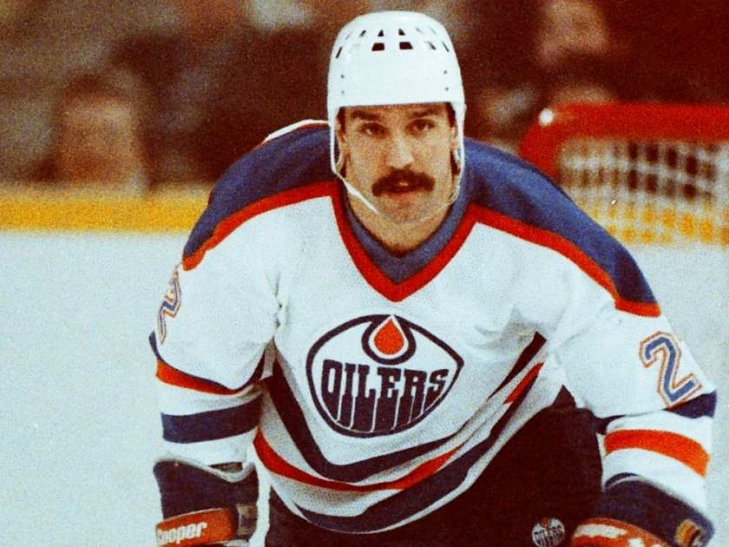
Charlie Huddy is one of the few players who was with the Edmonton Oilers for all five of their Stanley Cups, which was an incredible accomplishment considering he went undrafted.
12. Doug Weight
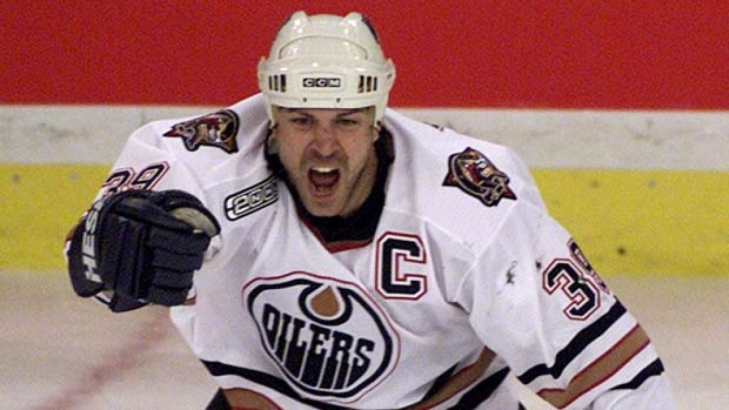
Doug Weight arrived in the city of Edmonton early in his career when he was traded straight up for Esa Tikkanen late in the 1992-93 campaign. Weight's first full season saw him score 50 Assists, and it was evident that he was becoming one of the top playmakers in hockey. The Michigan native would have his best statistical season in 1995-96 when he had a career-high of 79 Assists and 104 Points, and he would go to the first of three All-Star Games as an Oiler. After seasons of 82 and 70 Points, injuries held him to 37 points, but he would bounce back with a 72 Point year followed by 90 Points in 2000-01, in what would be his last year in Edmonton. He finished sixth in Hart Trophy voting that year. As an Oiler, he had four top-eight seasons in Assists.
9. Kevin Lowe
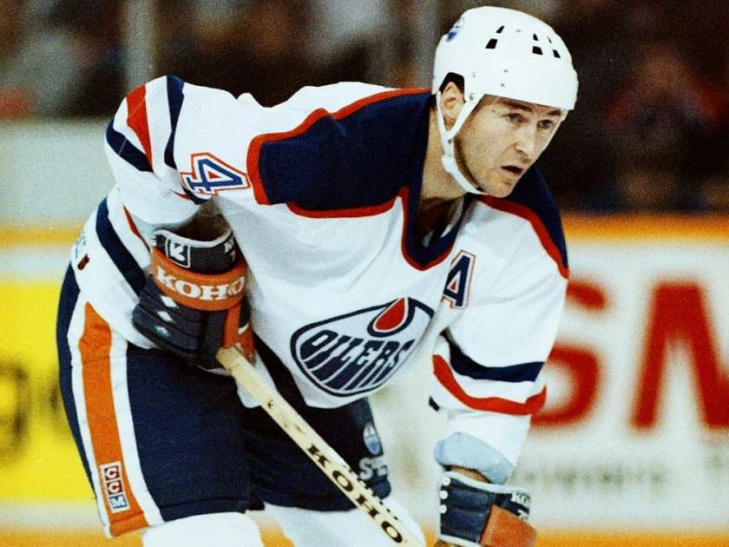
Kevin Lowe did not get the due he should have when he was in Edmonton, but when you look at the Hall of Famers around him (Gretzky, Anderson, Messier, Kurri, Coffey, and Fuhr) how could he? We will rectify that here.
37. Sam Gagner
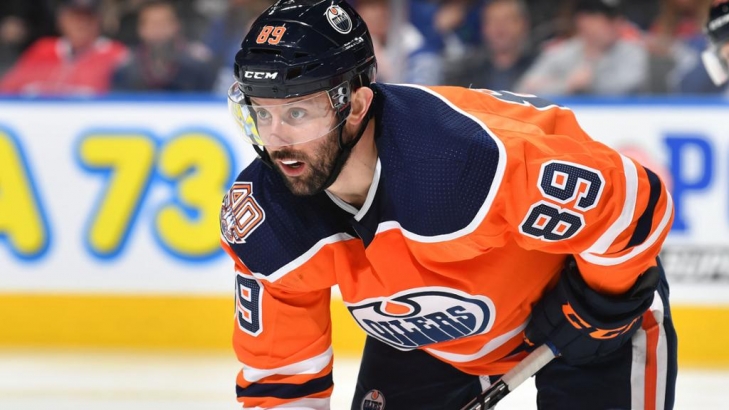
Sam Gagner’s rookie season would see him score 49 Points, which would be the highest total he would ever accumulate in the National Hockey League. While Gagner never beat that total, he came close often, as the Center would have at least 41 Points the next four years. Gagner was a solid two-way player and was a good player who never received a lot of attention due to playing on mediocre Oilers teams. He was traded to the Tampa Bay Lightning in June of 2014.
20. Andy Moog

When you think of the goaltending of the Edmonton Oilers throughout the 1980s, Grant Fuhr is the first name you think of. That is the correct answer, but Andy Moog had a lot of great moments in the pipes for Edmonton during that same era.
19. Ales Hemsky
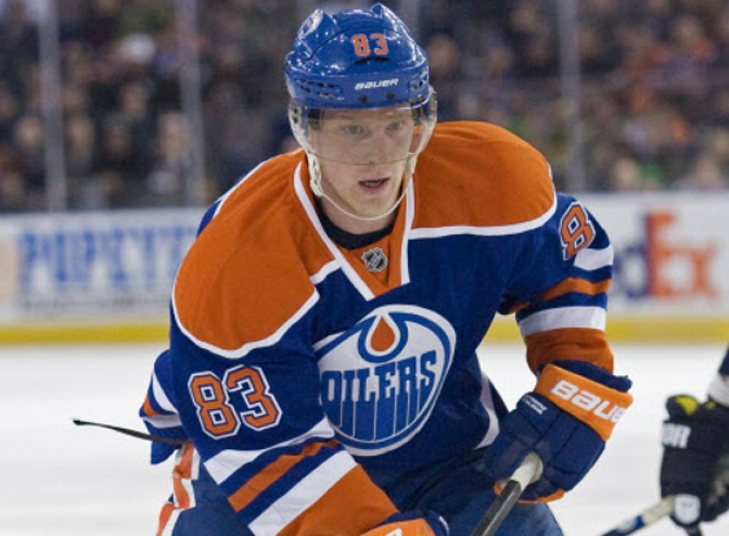
From Czechoslovakia, Ales Hemsky probably never got the overall respect that he should have, as his best seasons in the NHL were with the Edmonton Oilers at a time when they were not that good.
17. Bill Ranford
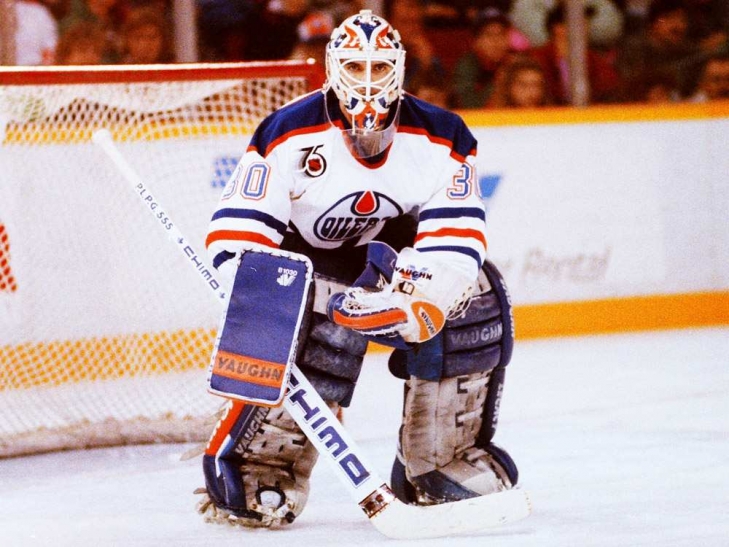
Bill Ranford began his career with the Boston Bruins and was traded to Edmonton in exchange for Geoff Courtnall and Andy Moog in 1988. Ranford took over Moog's role as the Oilers backup Goalie, and while he did not play in the 1988 Playoffs, he did win his first Stanley Cup Ring when the Oilers won their fourth Cup.
16. Esa Tikkanen
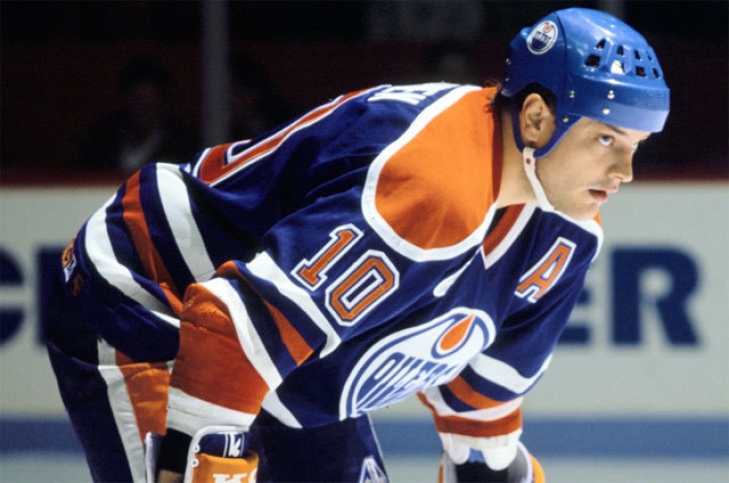
Esa Tikkanen was one of the early stars from Finland in the National Hockey League, but what he is probably known mostly for is being one of the best (infamous) agitators in NHL history.
11. Ryan Nugent-Hopkins

Drafted 1st Overall by the Edmonton Oilers in 2011, Ryan Nugent-Hopkins had a great rookie campaign where he scored 52 Points and finished second for Calder Trophy voting. Injuries took him out of half of his second season, but he would follow that up with back-to-back 56 Point years in 2013-14 & 2014-15. He dipped below the 50 Point threshold and had his best statistical season last year (2018-19) with career-highs of 28 Goals, 41 Assists, and 69 Points. Nugent-Hopkins followed up with his second straight 60 Point year with 61.
4. Leon Draisaitl
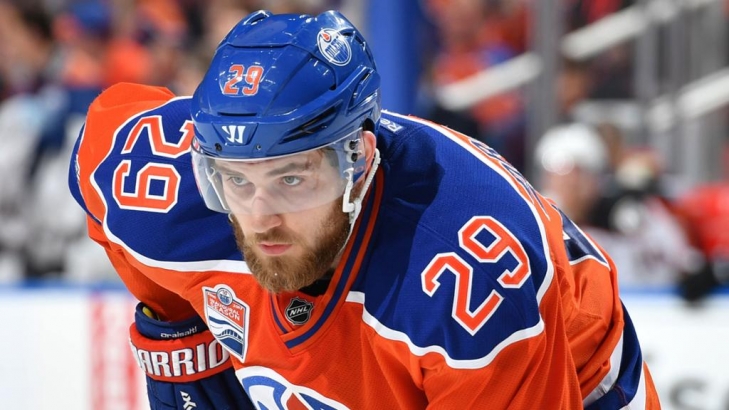
As we are writing this, Connor McDavid is the star of the Edmonton Oilers, but Leon Draisaitl is right there with him, and his skill set is growing.
18. Al Hamilton
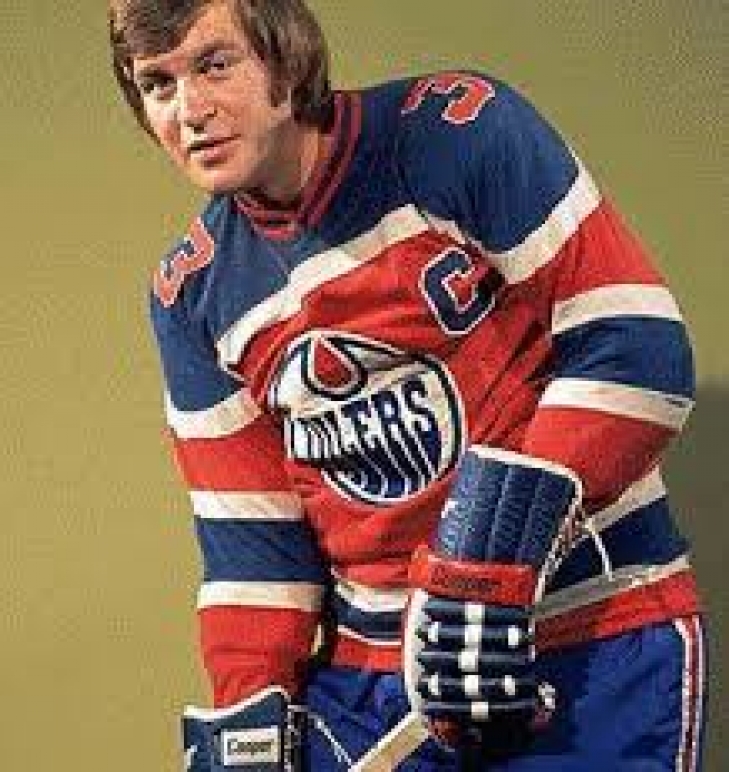
When the Oilers were in the World Hockey Association, there wasn't much to cheer for, but the city of Edmonton still supported them. One of the biggest reasons for that was Al Hamilton, their first defensive star, or realistically, their first real star period.
2. Connor McDavid

There was no doubt that the Edmonton Oilers would select Connor McDavid with their number one pick in 2015. He was the consensus top prospect and was pegged as a future Hart Trophy winner. Entering his fifth season, he has already done that.
1. Wayne Gretzky
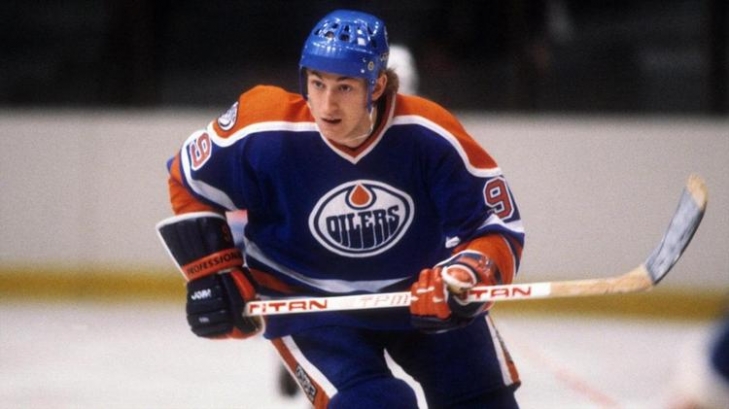
So, where do we start?
You hear the term “prodigy” thrown around a lot, but in terms of what a hockey prodigy was/is, there is nobody where those words suited better than Wayne Gretzky.
5. Jari Kurri

Before there was Teemu Selanne, there was Jari Kurri, the original "Finnish Flash." Kurri is arguably the first true hockey megastar from Finland, and on a line with Wayne Gretzky, his talents truly shone.
3. Mark Messier
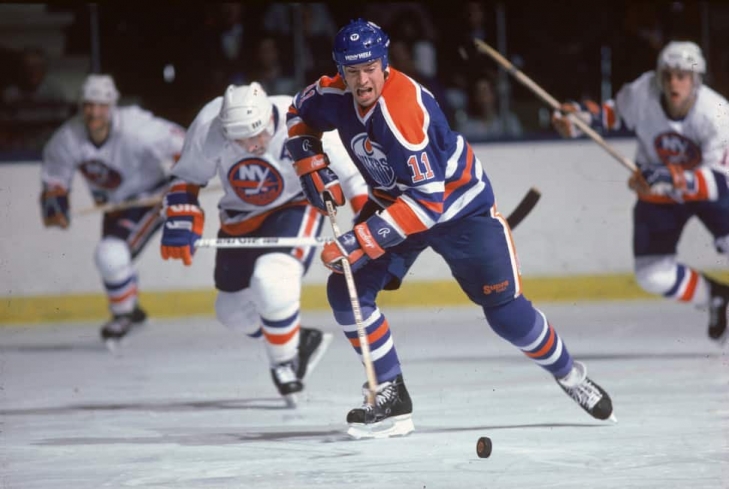
Much like it was easy to decree that Wayne Gretzky was the greatest Edmonton Oiler of all-time, we find it quite simple to state that Mark Messier is a firm number two for this list. This is no small praise, as when you look through the top ten, there are many Hall of Famers who were responsible for the Oilers' dynasty of the 1980s.
8. Glenn Anderson
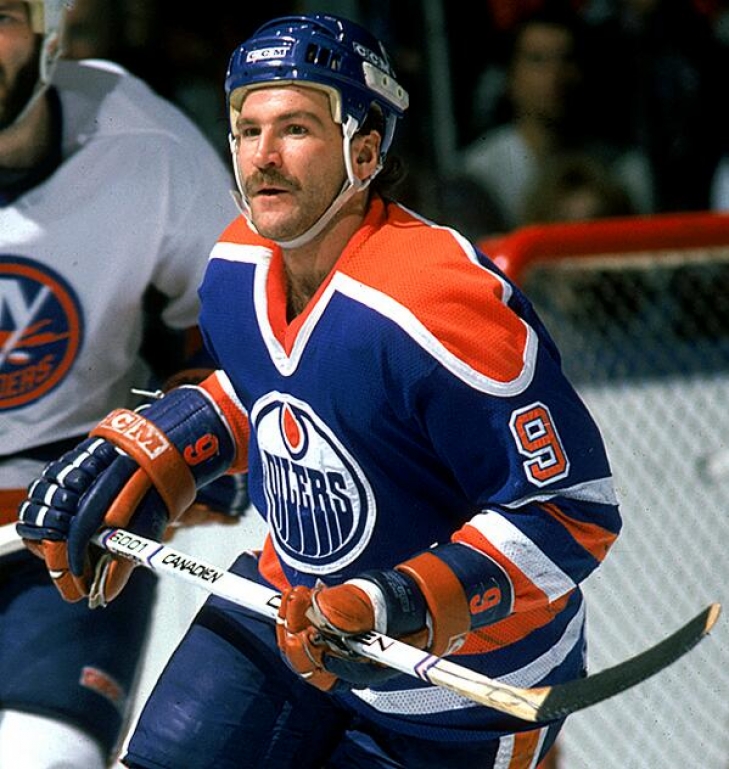
Glenn Anderson began his NHL career with the Edmonton Oilers in 1980, and soon became part of a powerhouse team alongside Wayne Gretzky, Paul Coffey, Mark Messier, Jari Kurri, and Grant Fuhr. As a rookie, Anderson scored 30 Goals and would hit that plateau in the next seven seasons. Twice in that period, the Right Winger would hit the 50 Goal mark twice (1983-84 & 1985-86) and would go over 100 Points on three occasions.
7. Grant Fuhr
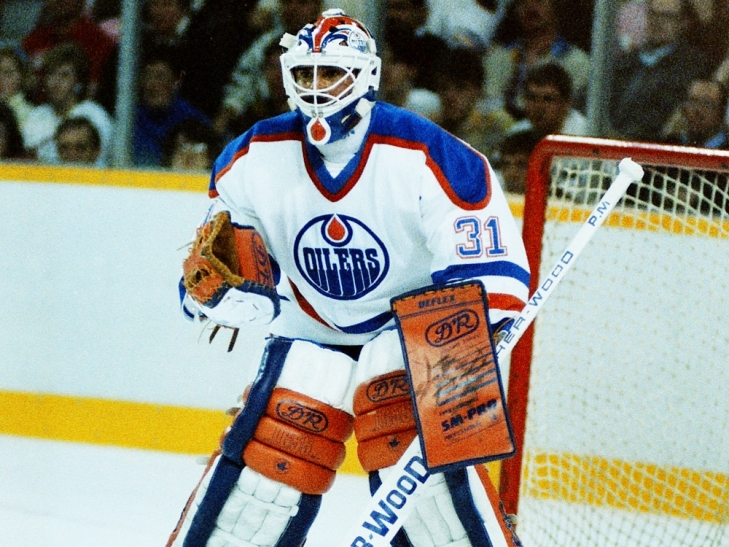
The offensive firepower of the Edmonton Oilers of the 1980s had never been seen before or since. When you open up the ice as they did, it leaves you susceptible to the defensive side, and you require someone special in between the pipes. That is precisely what Grant Fuhr provided.
6. Paul Coffey
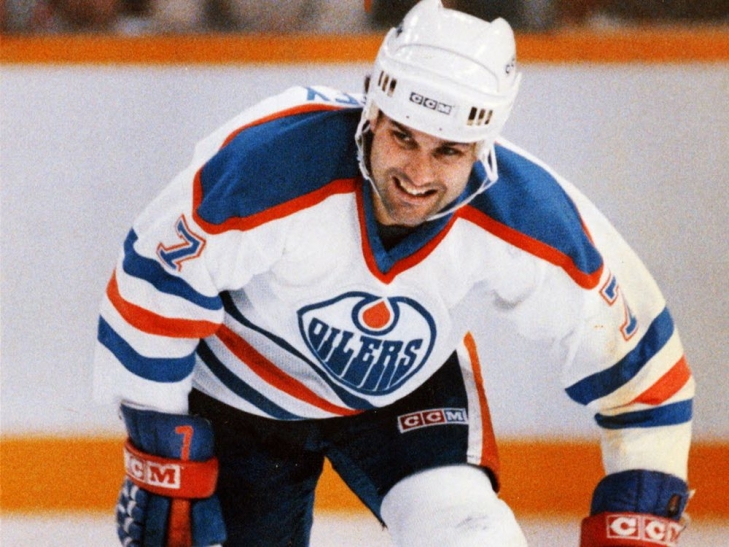
Drafted 6th Overall in 1980, Paul Coffey had a modest rookie season with 32 Points but would nearly triple that the next season with a 29 Goal and 89 Point campaign. This year would earn him a Second Team All-Star Selection, which h would repeat in the next two seasons, and he would see his Points totals increase to 96 and 126, respectively. In that 1983-84 Season, his 86 Assists made him the runner-up in Points as he was also the runner-up for the Art Ross Trophy. Even more importantly, Coffey would help Edmonton win its first Stanley Cup.
That's pretty good, right?
46. Andy Moog
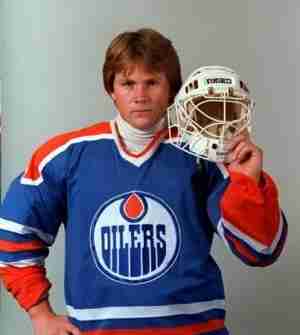
It is hard to call someone with the skill set of Andy Moog unfortunate, but he did emerge as a star goaltender for the Edmonton Oilers around the same time as Grant Fuhr. As such, Moog did not receive as much playing time in Edmonton as he would have liked, and despite being a valuable component in three Stanley Cup wins, he sought more responsibility elsewhere. He found it in Boston, where he enjoyed the best years of his career, posting personal highs. Moog was known for his outstanding reflexes, and despite being very well-known, he was somewhat underrated. Moog finished off his career with an impressive 372 career wins, and though he played with some outstanding offensive teams, he certainly did his part in between the pipes to earn them.
66. Adam Graves
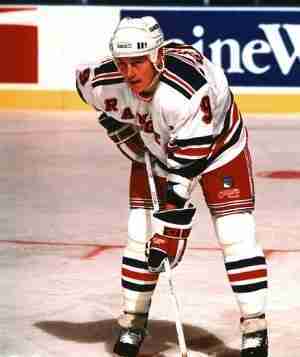
A part of the Edmonton Oilers “Kid Line” (With Joe Murphy and Martin Gelinas), Adam Graves was part of the successful tonic that gave the Oilers their last Stanley Cup in 1990. It was, however, when Graves signed with the Rangers that he was removed from the checking line and was able to show what kind of sniper he could be. Graves was a vital cog in the Rangers' 1994 Stanley Cup run and reached the elusive 50-goal plateau that season. Graves may have been known as one of hockey’s “Good Guys” as his efforts to give back to the community are well-documented. Although Graves was a reliable scorer, he likely lacked the overall points total to make the Hall.
