

The Digital Plaque: How Social Media Presence Is Reshaping Modern Athlete Legacies
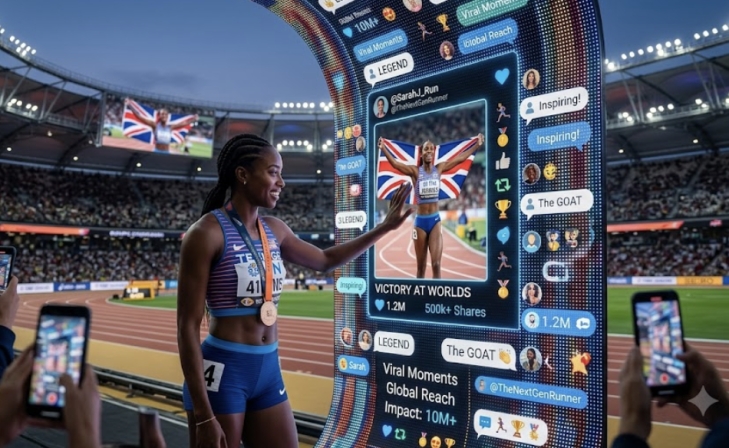
For many years, the way people saw an athlete was based on the number of titles, stats, records, and big plays in games. What someone did on the field shaped how we remember them. People counted wins, losses, awards, and how often a team made the playoffs. What a player did for their team showed how important they were. Now, these things still matter. But how athletes are seen now also depends on their online profiles.
Social media has made a new way for athletes to connect with their fans. Media platforms help people follow what athletes do as it happens. Before, it was only possible to read about them in old newspapers or watch highlight clips. For those who want to reach more people, services made to get more attention can help. These include chances to buy TikTok views at https://stormlikes.com/buy-instagram-likes.
It is important to know that what happens online is there to add to the talks about an athlete’s work. It does not take the place of what they did on the field or court.
From Statistics to Stories
Hall of Fame talks have usually been about things that can be measured. There are batting averages, championships, scoring records, career wins, numbers about how players stop the other team, and personal awards. All these help people compare how players did each time.
Yet numbers rarely tell the entire story.
Some athletes stand out because of a key moment, a certain attitude, a big rivalry, a comeback, or how they change things in the world. Social media helps people hold onto these stories and share them with others. A great game years ago can get talked about again when a short video goes viral with a whole new group of fans.
This changes how long people remember sports moments. A moment does not have to stop getting attention just because the season is over.
Myth: Social Media Replaces Sport Success
There is a widely held belief that becoming popular on social media is replacing the need for an athlete to be successful in the sport they play. However, this myth is overly simplistic and fails to capture the essence of the situation.
A lot of followers is not proof that a person is talented in the sport they practice. It may happen that videos of their posts go viral, but it means nothing when it comes to achievements and accomplishments. Social media followers are not a measurement of performance statistics in the actual sport.
On the contrary, digital engagement enriches a known history.
It is possible for a famous athlete to share their past achievements on social media. So, social media works like another place to keep memories, not a new Hall of Fame section.
Why Fans Remember More Than Numbers
Sports fandom is full of feelings. People remember where they were when a team won. They remember the party after a big goal. You might feel a certain way when someone breaks a record. There are those stars who are hard to miss because of how they act.
This is where psychology plays a very crucial role. When you revise information, feel emotions for it, or get the same information from a storytelling perspective, you tend to retain the same.
Social platforms allow individuals to do that. A big moment from history can be made into a short video. It can be shared with talk from others and sent out many times. Younger fans who did not see the real event can find it years after it happened.
This creates a bridge between generations.
A retired athlete's impact can keep growing. New groups of people often get to know old achievements online. The digital media helps more people see what he or she did in the past. This lets their story live on.
The Athlete as a Cultural Figure
Modern athletes are not just people who play sports. They are often business owners, talk on TV, make things, stand up for causes, become entertainers, or be well-known even away from the game.
That wider sense of self can change how people look back at them.
Think about how it is when you know an athlete just from their numbers and stats. That does not involve viewing them through interviews, getting behind-the-scenes stories of their journey, hearing their views about their own career, and watching their interactions with their fanbase. That is when one gets a complete picture of them.
Social media lets athletes talk with others in their own words. This helps their stories feel closer and true to who they are.
For sports websites and fan groups, this gives people more things to talk about. A player's story is not just about what happens during the game. It is also about how their career still shapes the world of sports.
Digital Influence Is a Signal, Not a Trophy
The rise in social media is not a reason enough for considering all engagement metrics to be treated equally.
Numbers such as views, likes, comments, shares, and followers can help us understand that the content is being viewed. However, numbers will not tell us why they come to view.
Digital metrics are best seen as signs.
A jump in views can show that people feel excited again about something that happened before. A lot of likes and comments on an interview can tell you that fans still want to hear what the athlete thinks. A famous highlight that gets shared by many can help people discover a moment from the past, even if they were not there when it took place.
The numbers make sense only when you have some background about them.
What the Digital Plaque Might Look Like
Picture a sports archive in the future. Here, an athlete's numbers stay next to the impact they have made on people and culture during their career.
There might be career records, championship wins, famous photos, big interviews, fan talks, being in a documentary, and online chats that kept going well after retirement.
This would not take the place of the usual Hall of Fame way. Instead, it would give a fuller history.
The idea of a "digital plaque" shows how things have changed. A real plaque is good to list what an athlete has done. A digital version does more. It can show how people still feel about the athlete’s success.
That distinction is important.
Legacy is not just to be remembered by people. It is also to get why someone stays in their mind.
The Future of Athlete Legacy
As social platforms keep changing, the link between sports history and digital culture will get stronger.
Future fans may get to know famous athletes by watching short videos. People might see a big moment from the past on a social post first. A celebration from years ago could come back in style because someone found it and shared it again after many years.
For people who love sports, this makes things exciting. The collection of sports history is not just in books, newspapers, TV recordings, or places where stats are kept. Now, it is becoming more interactive.
Athletes can take part in saving their own stories. Fans can help choose which moments get more focus and be seen again.
The biggest wins still come from how well you play, how you compete, how steady you are, and what you give to the sport. But digital platforms are changing how these wins move through time.
Conclusion
The impact of today’s athletes is growing. It is not just about new things. Championships, records, awards, and the big moments are still at the heart of what people say about a player. At the same time, social media helps them stay close to their audience all the time.
The best digital presence does not try to fake greatness. It lets real wins stay easy to see, easy to find, and fresh for new fans.
For athletes, creators, and sports fans who want to know how athletes can build TikTok engagement without losing authenticity, the main thing to know is that balance is key. Being seen online should help tell a real story about them. It should not be the whole story on its own.
The future of sports history will not be still like a plaque. Instead, it will be like a growing archive. In this new way, numbers show who is great, stories tell why, and web groups help people keep talking about it.
