


Committee Chairman
32. Rance Mulliniks
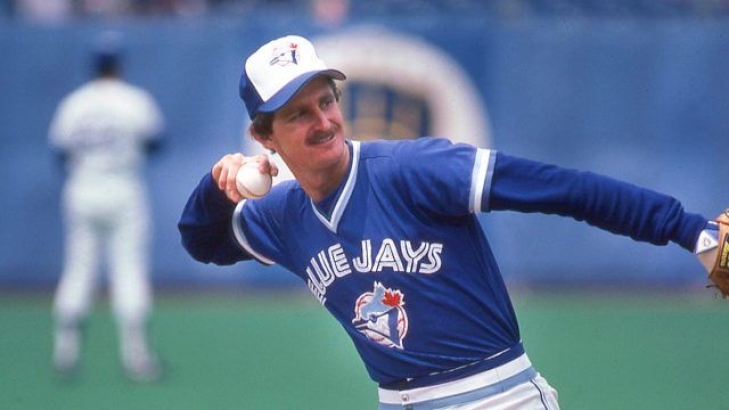
In his first five years in the Majors, Rance Mulliniks saw limited action, three with California and two with Kansas City. A trade to Toronto was just what Mulliniks needed, and for most of the 1980s, he was the main Third Baseman, often in platoons against right-handed pitching.
With the Blue Jays, the versatile Mulliniks had at least five years where he accrued 100 Hits and 10 Home Runs, batting over .300 in three of those years. He was a competent defensive player, and though he would never be a megastar, he would not be a liability either.
As Third Baseman Kelly Gruber emerged, Mulliniks’ time decreased, though his injuries and age grew. Although he barely played that year, he was a member of Toronto's 1992 World Series-winning team. Mulliniks retired after, totaling 843 Hits with a .280 Batting Average.
29. Kelly Gruber
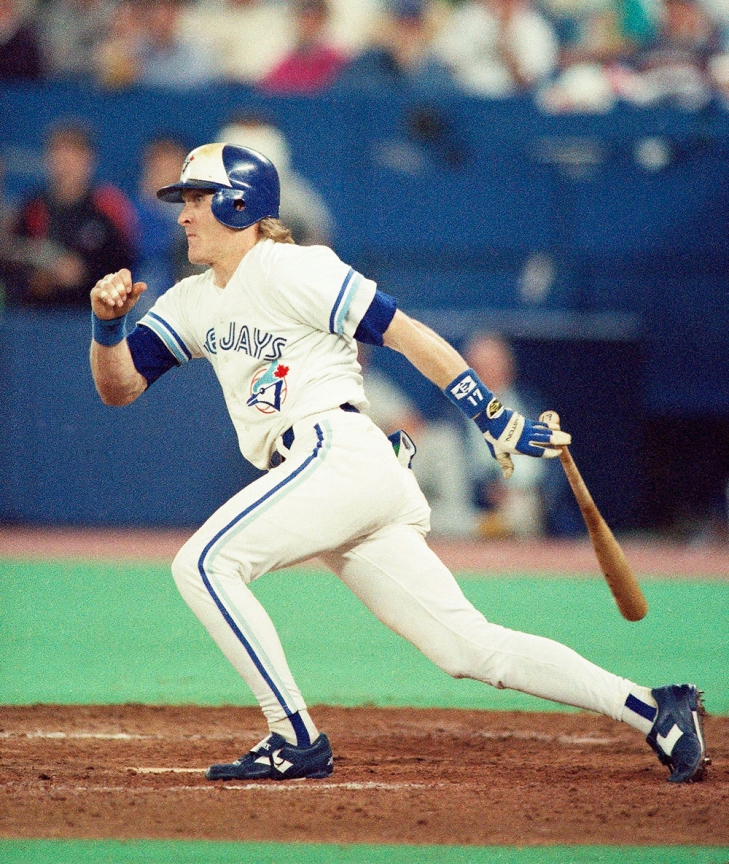
Kelly Gruber’s time in Toronto reads like a classic rock-and-roll arc: a slow build in the wings, a sudden explosion into white-hot stardom, and a quick, injury-forced exit just as the band reached the mountaintop. Plucked from the Cleveland organization as an unheralded pick in the 1983 Rule 5 draft, the athletic, right-handed infielder spent years grinding as a reserve utility man. With his signature flowing blonde hair and high-octane playing style, he gradually won over the fans at Exhibition Stadium, officially claiming the everyday third-base job by 1987.
Once established at the critical defensive position, Mr. Gruber combined unwavering, aggressive fielding with a progressively powerful batting approach. His significant breakthrough occurred during a robust 1988 season, wherein he exceeded 150 hits for the first time, while also recording 16 home runs and 23 stolen bases. He advanced further in 1989, achieving the inaugural cycle in Blue Jays history on April 16, and elevating his batting average to .290, thereby earning his first selection to the American League All-Star team.
That steady upward climb culminated in a magnificent 1990 individual masterpiece that set the entire league on notice. Gruber was a force of nature, weaponizing his right-handed stroke to blast a career-high 31 home runs and drive in a towering 118 runs. His explosive offense was matched by flawless technical execution on the diamond, as he captured both a Silver Slugger and a Gold Glove Award, along with a fourth-place finish in the AL MVP voting. At 28, he appeared to be on a clear path toward sustained superstardom.
Or so we thought.
Beginning in 1991, severe, nagging shoulder problems and a deeply painful spinal bone spur began to rob him of his quick-twitch reflexes and power base. Though his efficiency collapsed over his final two summers in Toronto, his veteran grit remained an indispensable asset. He gritted his way through 120 games as the starting third baseman for the historic 1992 squad, memorably launching a crucial, game-tying solo home run in the eighth inning of Game 3 of the World Series to help steer the Blue Jays to their first-ever world championship.
Recognizing his worsening health, the front office traded the veteran third baseman to the California Angels that winter for Luis Sojo. Gruber played only 18 final games on the West Coast before retiring at age 31. With the Blue Jays, he had 800 hits, 145 doubles, 114 home runs, and 434 RBIs with a .259/.307/431 line.
31. Aaron Hill
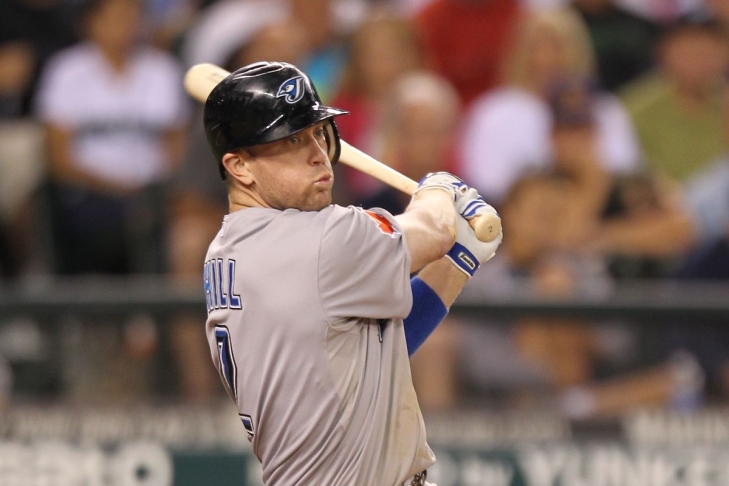
The Toronto Blue Jays used their 2003 First Round (13th Overall) to take LSU star Aaron Hill, who only needed two years to work his way through the Minors to make the parent club.
Hill played 104 Games in the infield as a rookie but only sat out seven Games over the next two seasons (2006 & 2007), batting .291 in both years. Showing skill offensively and defensively, Hill was injured for most of 2008 but had his most remarkable year in 2009. This was the year where he had career-highs in Home Runs (36), RBIs (108), and OPS (.829), and he was an All-Star and Silver Slugger. Hill also was 12th in MVP voting and won the AL Comeback Player of the Year.
2010 was inconsistent for Hill, who batted only .205 but belted 26 Home Runs. The Blue Jays, who declined his option the year before, traded the Infielder to the Diamondbacks during the 2011 Season, ending Hill’s stint in Toronto with 881 Hits and 96 Home Runs.
30. Alex Rios
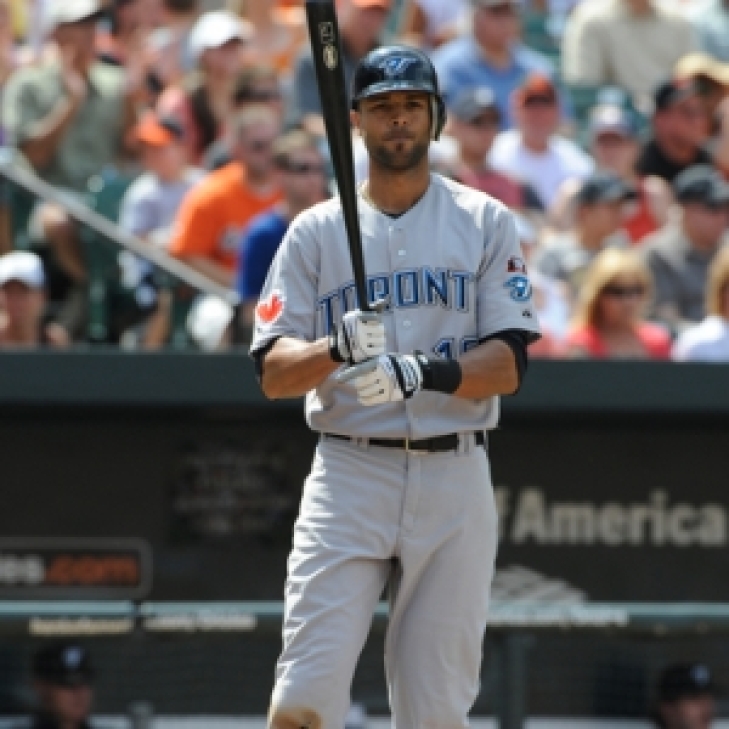
The story of Alex Ríos in Toronto is a stark reminder of how quickly a fanbase's adoration can transform into bitter resentment when immense potential curdles into frustration. Selected by the Blue Jays in the first round of the 1999 draft, the towering, athletic outfielder possessed an undeniably graceful, five-tool toolkit that made him the organization's consensus top prospect. When he finally claimed the everyday rightfield job in 2004, he looked every bit like the future face of the franchise, exhibiting a smooth right-handed stroke and elite defensive instincts that earned him a fifth-place finish in the American League Rookie of the Year race.
While that freshman campaign yielded 122 hits and a crisp .286 average, it featured a baffling lack of muscle, as Ríos managed just one solitary home run over 111 games. However, he gradually unlocked his physical power base over the next three summers, evolving into a truly dynamic, middle-of-the-order force. Ríos rattled off three consecutive seasons batting north of the .290 plateau from 2006 through 2008, combining his line-drive bat with elite high-velocity baserunning.
His individual production peaked during back-to-back All-Star campaigns. He hit a blistering .302 in 2006, then authored an individual masterpiece in 2007 by blasting a career-high 24 home runs, scoring 114 runs, and driving in 85 RBIs while securing a Fielding Bible Award for his exceptional defensive play in right field. By the time he swiped a career-high 32 bases in 2008, Ríos was widely viewed as a budding megastar entering his absolute prime.
Then came the sudden, catastrophic 2009 collapse. Almost overnight, his production plummeted into extreme inefficiency, highlighted by an ugly, demoralizing five-strikeout game against the Angels that became a focal point for disgruntled fans. As his intensity was openly questioned, the relationship between the outfielder and the Toronto faithful turned toxic. The boos amplified at Rogers Center, and Ríos visibly soured on the city. Desperate to shed the massive, multi-year contract extension they had handed him just a year prior, the front office placed the struggling star on waivers in August, allowing the Chicago White Sox to claim him and his remaining salary for nothing more than financial relief.
Ríos would go on to enjoy several strong, productive bounce-back seasons in Chicago and Texas, eventually securing an elusive World Series ring as a veteran contributor for the 2015 Kansas City Royals before walking away from the game. Rios accumulated 875 hits, 195 doubles, 81 home runs, 375 RBIs, and 112 stolen bases while posting a rock-solid .285/.335/.443 slash line in Toronto.
