


Committee Chairman
Maximizing Your Gameday Bankroll: A Sports Fan’s Guide to Top Online Gaming Bonuses
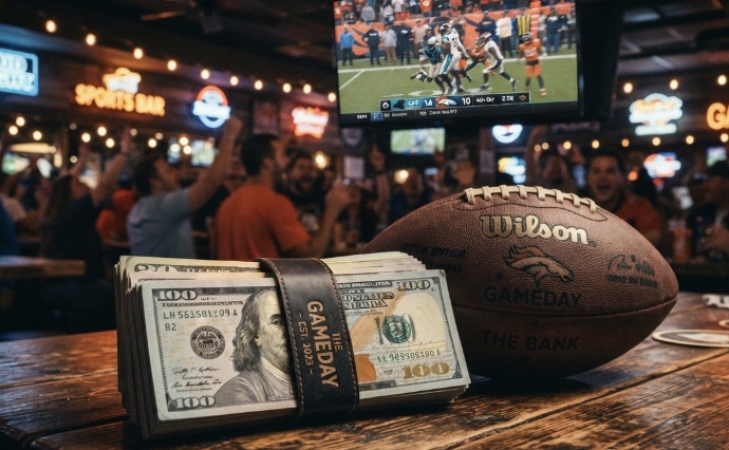
Sports fans thrive on calculating strategy, reading momentum, and maximizing every tactical opportunity on game day. Extending that competitive edge to digital platforms requires a disciplined, analytical approach to managing wagering funds. Leveraging targeted promotional offers allows enthusiastic fans to convert standard entertainment budgets into significantly longer, more engaging playing sessions across digital gaming channels while mitigating unnecessary personal financial exposure during long tournament weekends.
Evaluating complex rollover requirements, game contribution weightings, and underlying promotional structures turns ordinary rewards into genuine, clearable value. Dedicated discovery hubs such as slot md provide players with essential visibility into active terms, helping fans select top offers to elevate gameday routines.
Defining Your Gameday Unit
Relying on the setup of a sports season to deal with your gaming bankroll helps to prevent hasty financial choices. Successful enthusiasts have defined a baseline price they are willing to devote to their "discretionary" entertainment beyond paying their bills, and they stick to those limits.
A standard unit should be 1-3% of the total bankroll you allocated. This conservative structure will capture the natural variation so that the cold afternoon of the kickoff doesn't cost you money before you play the evening games.
- Fixed Unit Betting: Ensures that your principal is fixed and stake size remains the same irrespective of the recent results.
- Timeboxing Sessions: Playing time limitations (timeboxing) reduce fatigue-related decision-making in sport when it is an intense event.
- Stop-Loss Limits: Setting some predetermined trading limits ensures that your bankroll is protected for the next gameday.
Evaluating Match Promotions
Not all promotions are created equal. A big header number is frequently accompanied by complicated playing conditions which can be challenging to understand before participating.
|
Promotion Type |
Wagering Multi |
Expiration Window |
Value Score |
|
Deposit Match |
10x - 20x |
30 Days |
High |
|
Free Spin Pack |
5x - 10x |
7 Days |
Moderate |
|
No-Deposit Perk |
35x - 50x |
3 Days |
Low-Medium |
|
Cashback Guarantee |
1x - 5x |
14 Days |
Very High |
Assessing the rollover multipliers helps identify the realistic playthrough needed to turn promotional money into real cash. Lower playthrough numbers always beat larger numbers with restrictive playthroughs.
Optimizing Playthrough Efficiency
Choosing games with good Return-to-Player (RTP) percentages helps to speed up promotional clearance times while maintaining the base capital. Each of the categories of game provides different percentages to meet game promotion requirements.
- High RTP Slots: Slots with an RTP of 96%++ give players a consistent length of play and a 100% chance of meeting playthrough goals.
- Low-Edge Options: Games with low house edge, such as Blackjack and Baccarat, have a low house edge, but the wagering contribution is typically discounted on platforms.
- Live Dealer Integration: The live dealer integration also provides a dynamic element in the games during the halftime breaks, ensuring a balance of interaction and pacing.
Aligning Perks with Schedules
When you align sports promotion activation with your actual sports consumption, you will never have to rush play sessions to get them over with in time. Smart players balance short-term gains with quick game windows with longer deposit matches on the back half of the weekend during the holidays.
Staying informed about changing regulations from agencies such as the U.S. Federal Trade Commission will provide a clear understanding of consumer protection regulations for online promotions. Other studies from academic institutions such as the University of Nevada, Las Vegas Center for Gaming Research confirm a positive relationship between structured promotional play and higher retention rates and reduced risk profiles. Additional industry oversight data from the American Gaming Association also highlights the continued growth of regulated and transparent promotional structures in the key markets.
When integrating a casino bonus into your gameday, you should only do so when the terms of the bonus are directly tied to your unit sizing and session limits.
FAQ
How much should a bankroll be for a gameday?
A disciplined unit size is 1%-3% of your entire discretionary bankroll. This is a conservative percentage that helps to reduce variance and allows for a continued session from game to game or sport event to sport event.
Wagering requirements have an effect on promotional value in what way?
Wagering requirements are guidelines that dictate how many times the funds in the bonus have to be played through before you can request a withdrawal. Lower playthrough multipliers mean that more of the players' promotional points will be kept as clearable cash.
Can promotional requirements be met at table games?
Table games have a lower house edge and can be used to promote clearing games, but operators often play at lower percentages (10%-20%) than the digital slots.
Why is it important for gaming platforms to be secure without requiring a password?
Legitimate sites use secure account portals to process promotions and updates without asking for your private password or login. Never enter sensitive passwords or verification information with external services.
What impact does the game day have on the promotions?
Allowing the STPs to be activated during real game broadcasts enables the sports fan to make good use of the halftime periods without having to make hasty decisions under strict time limits.
Tactical Execution for Sustainable Play
Sustainability in the online betting experience calls for balancing both stringent bankroll management and thoughtful promotional decisions. Betting fans who are keen on analyzing what makes the required clearing easy instead of the offered bonuses can control their gaming budgets at all times and still enjoy the fun on game day. Ensure that you base your session parameters on unit limitations, select games with high percentage contributions to satisfy rollover requirements quickly, and make sure all your wagers add value to your sports viewing experience.
Our Notinhalloffame Football list has been updated: 161-180, Part 9
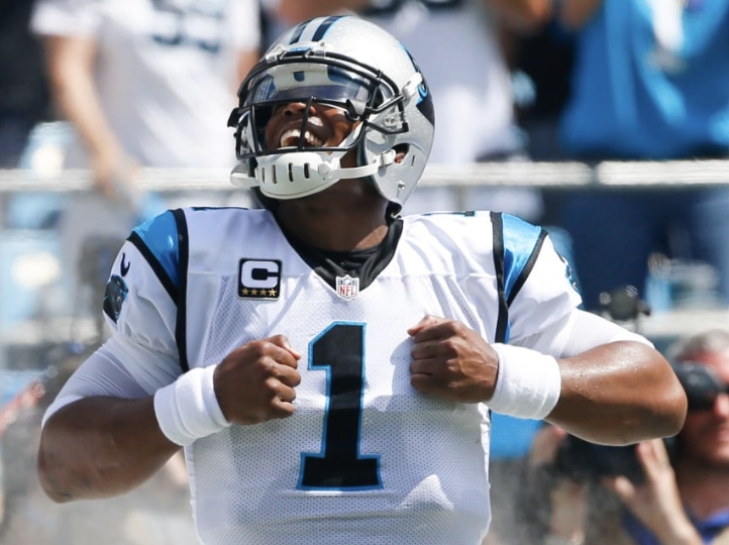
We are diligently working away at Notinhalloffame on revising our Football lists to reflect the winter’s respective classes, but as you may have seen, we have been swamped with our main project, the United States Athletic Hall of Fame, which is the only one of its kind, where you can vote for the greatest Athletes, Coaches, Contributors, and Commentators for the 2026 Class.
This is a very important project, and please support us by voting daily at www.theusahof.com.
In the meantime, we have rebuilt the 161-180 (Part 9) on our Notinhalloffame Football List, which we are pleased to show below:
They are:
#161. Cam Newton
#162. Brian Marshall
#163. Art Powell
#164. John David Crow
#165. Gene Washington
#166. Cameron Wake
#167. Mike Alstott
#168. Roger Brown
#169. Chris Hinton
#170. Boyd Dowler
#171. Harlon Hill
#172. Jimmy Smith
#173. Whizzer White
#174. Eric Berry
#175. Wes Welker
#176. Dick Barwegan
#177. Eddie George
#178. Billy Wilson
#179. Bob Baumhower
#180. Lorenzo Neal
Look for more updates soon!
Thank you all for supporting Notinhalloffame.com.
The Pro Football Hall of Fame Revisited Project: 2002 Preliminary VOTE
2002 PRELIMINARY RESULTS:
Thank you to all who participated in the Pro Football Hall of Fame Revisited Project. If you are still figuring that out, we treated the PFHOF as having its first class in January 1946.
For “2002,” a Preliminary Vote with over 100 players whose playing career ended by 1996. We also follow the structure in which players have 20 years of eligibility, and if they do not make it into the Hall, they are relegated to the Senior Pool.
Each voter was asked to select 25 names from the preliminary list, and the top 25 vote-getters were named Semi-Finalists.
A week later, voters will be asked to select 15 names from the 25 Semi-Finalists, then choose five from the remaining 15. We will continue this process every week until we catch up to the current year.
Please note that a significant change occurred “years ago,” allowing voters to submit fewer than the allotted number of spots.
31 Votes took place.
This is for the “Modern Era”
Bold indicates they advanced to the Semi-Finals:
*Indicates they have been removed from future ballots
|
Player |
Year of Eligibility |
Vote Total |
|
Cliff Harris S |
18 |
23 |
|
Rickey Jackson LB-DE |
2 |
23 |
|
Joe Jacoby T |
4 |
22 |
|
Jim Kelly QB |
1 |
20 |
|
Drew Pearson WR |
14 |
19 |
|
Joe Klecko DE |
9 |
19 |
|
Ken Riley DB |
14 |
18 |
|
Ken Stabler QB |
13 |
17 |
|
Ken Anderson QB |
11 |
17 |
|
Todd Christensen TE |
9 |
17 |
|
Fred Dean DE |
12 |
16 |
|
Billy “White Shoes” Johnson |
9 |
16 |
|
Steve McMichael DT |
3 |
16 |
|
George Kunz T |
17 |
15 |
|
Deron Cherry DB |
6 |
15 |
|
Winston Hill T |
20 |
14 |
|
Curley Culp DT-NT |
16 |
14 |
|
Mark Gastineau DE |
9 |
14 |
|
Harry Carson LB |
9 |
13 |
|
Jimbo Covert T |
7 |
13 |
|
Jim Marshall DE |
18 |
12 |
|
Russ Francis TE |
9 |
10 |
|
Wilber Marshall LB |
2 |
10 |
|
Mike Kenn T |
3 |
9 |
|
Harold Carmichael WR |
13 |
8 |
|
Karl Mecklenburg LB |
3 |
8 |
|
Carl Banks LB |
2 |
8 |
|
Harold Jackson WR |
14 |
7 |
|
Matt Blair LB |
12 |
7 |
|
Ed “Too Tall” Jones DE |
8 |
7 |
|
Jay Hilgenberg C |
4 |
7 |
|
Everson Walls DB |
4 |
7 |
|
Gary Clark WR |
2 |
7 |
|
Chris Hinton T-G |
2 |
7 |
|
Ray Childress DE-DT |
1 |
7 |
|
*Jerry Smith TE |
20 |
6 |
|
Nolan Cromwell DB |
10 |
6 |
|
Bubba Baker DE |
7 |
6 |
|
Stanley Morgan WR |
7 |
6 |
|
Ottis Anderson RB |
5 |
6 |
|
Joey Browner DB |
5 |
6 |
|
Clay Matthews Jr. LB |
1 |
6 |
|
Bill Bergey LB |
17 |
5 |
|
Harvey Martin DE |
14 |
5 |
|
Leonard Marshall DE |
3 |
5 |
|
*Pat Fischer CB |
20 |
4 |
|
Chuck Foreman RB |
17 |
4 |
|
Jack Tatum DB |
17 |
4 |
|
Coy Bacon DE |
16 |
4 |
|
Isiah Robertson LB |
15 |
4 |
|
Rick Upchurch WR/R |
14 |
4 |
|
Doug Wilkerson G |
13 |
4 |
|
Lyle Alzado DE |
12 |
4 |
|
Ed White G |
12 |
4 |
|
Dwight Clark WR |
10 |
4 |
|
Dennis Harrah G |
10 |
4 |
|
Randy Cross G-C |
9 |
4 |
|
*Dick Anderson DB |
20 |
3 |
|
Jake Scott DB |
19 |
3 |
|
Lawrence McCutchen RB |
16 |
3 |
|
Dexter Manley DE |
6 |
3 |
|
Fred Smerlas NT |
5 |
3 |
|
Phil Simms QB |
4 |
3 |
|
Mark Bavaro TE |
2 |
3 |
|
Kent Hull C |
1 |
3 |
|
Keith Jackson TE |
1 |
3 |
|
Darryl Talley DB |
1 |
3 |
|
*Roman Gabriel QB |
20 |
2 |
|
*Ralph Neely T |
20 |
2 |
|
Jim Bakken PK |
19 |
2 |
|
Mike Curtis LB-FB |
19 |
2 |
|
George Atkinson DB |
18 |
2 |
|
Riley Odoms TE |
14 |
2 |
|
Joe Theismann QB |
12 |
2 |
|
Steve Nelson LB |
10 |
2 |
|
Hanford Dixon DB |
8 |
2 |
|
Doug Williams QB |
8 |
2 |
|
Matt Millen LB |
6 |
2 |
|
Mark Clayton WR |
4 |
2 |
|
Bill Fralic G |
4 |
2 |
|
Keith Millard DT-NT |
4 |
2 |
|
Charles Mann DE |
3 |
2 |
|
Dennis Smith DB |
3 |
2 |
|
Jim Lachey T |
2 |
2 |
|
Jay Novacek TE |
2 |
2 |
|
John Taylor WR |
2 |
2 |
|
Ray Donaldson C |
1 |
2 |
|
Ron McDole DE-DT |
19 |
1 |
|
Lydell Mitchell RB |
17 |
1 |
|
Mike Wagner DB |
17 |
1 |
|
Billy Sims RB |
13 |
1 |
|
Tom Jackson LB |
11 |
1 |
|
Jeff Van Note C |
11 |
1 |
|
Marvin Powell T |
10 |
1 |
|
Wes Chandler WR |
9 |
1 |
|
Neil Lomax QB |
9 |
1 |
|
Dave Brown DB |
8 |
1 |
|
Raymond Clayborn DB |
6 |
1 |
|
Michael Carter NT |
5 |
1 |
|
Frank Minnifield DB |
5 |
1 |
|
Christian Okoye RB |
5 |
1 |
|
Luis Sharpe T |
3 |
1 |
|
Anthony Carter WR |
2 |
1 |
|
Shane Conlan LB |
2 |
1 |
|
Jack Del Rio LB |
2 |
1 |
|
Bart Oates C |
2 |
1 |
|
Jim Ritcher G |
2 |
1 |
|
Bernie Kosar QB |
1 |
1 |
|
Guy McIntyre G |
1 |
1 |
|
Mel Gray WR |
15 |
0 |
|
Bert Jones QB |
15 |
0 |
|
*Gary Johnson DT |
12 |
0 |
|
Rulon Jones DE |
9 |
0 |
|
Keena Turner LB |
7 |
0 |
|
Curt Warner RB |
7 |
0 |
|
James Brooks RB |
5 |
0 |
|
Roy Green WR |
5 |
0 |
|
Freeman McNeil RB |
5 |
0 |
|
Mark Bortz G |
3 |
0 |
|
Steve Jordan TE |
3 |
0 |
|
Tim Krumrie NT |
3 |
0 |
|
Carl Lee DB |
3 |
0 |
|
*Marion Butts RB |
2 |
0 |
|
*Scott Case DB |
2 |
0 |
|
*Ernest Givins WR |
2 |
0 |
|
*Tim Harris LB-DE |
2 |
0 |
|
*Rodney Holman TE |
2 |
0 |
|
*Mike Johnson LB |
2 |
0 |
|
*Tom Newberry G-C |
2 |
0 |
|
Rich Camarillo P |
1 |
0 |
|
Haywood Jeffries WR |
1 |
0 |
|
Sean Jones DE |
1 |
0 |
|
Nick Lowery PK |
1 |
0 |
|
Joe Nash NT-DT |
1 |
0 |
|
Elbert Shelley ST |
1 |
0 |
|
Al Smith LB |
1 |
0 |
Bold indicates they advanced to the Semi-Finals:
*Indicates that they will be removed from the ballot permanently.
|
Player |
Year |
Votes |
|
Floyd Little RB |
2 |
13 |
|
Andy Russell LB |
1 |
12 |
|
Arch Ward CONTRIBUTOR |
13 |
10 |
|
Alan Ameche FB |
17 |
9 |
|
Walt Sweeney G |
2 |
8 |
|
Tank Younger FB-LB-HB |
19 |
7 |
|
Art Powell E |
9 |
7 |
|
Charlie Conerly QB |
16 |
6 |
|
Boyd Dowler FL-SE-LB |
6 |
6 |
|
Mike Stratton LB |
4 |
6 |
|
Greasy Neale COACH |
13 |
5 |
|
Rosey Grier DT-DE |
11 |
5 |
|
Jack Kemp QB |
8 |
5 |
|
Dave Grayson DB |
7 |
5 |
|
Bud Adams OWNER |
1 |
5 |
|
Billy Wilson FL-E |
17 |
4 |
|
Harlon Hill E-DB |
15 |
4 |
|
Charles Bidwill OWNER |
13 |
4 |
|
Cookie Gilchrist FB |
10 |
4 |
|
Houston Antwine DT |
5 |
4 |
|
Lee Roy Jordan LB |
1 |
4 |
|
George Preston Marshall OWNER |
13 |
3 |
|
Dan Reeves OWNER |
13 |
3 |
|
Max McGee E |
10 |
3 |
|
Don Meredith QB |
9 |
3 |
|
Erich Barnes DB |
6 |
3 |
|
Butch Byrd DB |
6 |
3 |
|
Larry Grantham LB |
5 |
3 |
|
Rich Jackson DE |
5 |
3 |
|
Larry Brown RB |
1 |
3 |
|
Ed Budde G |
1 |
3 |
|
Goose Gonsoulin DB |
10 |
2 |
|
Abner Haynes HB |
10 |
2 |
|
Fuzzy Thurston G |
10 |
2 |
|
John Brodie QB |
4 |
2 |
|
Jim Nance RB-FB |
4 |
2 |
|
Daryle Lamonica QB |
3 |
2 |
|
Ernie McMillan T |
1 |
2 |
|
Clint Murchison OWNER |
1 |
2 |
|
Jim Ray Smith G-T |
13 |
1 |
|
Jim Katcavage DE |
9 |
1 |
|
Babe Parilli QB |
8 |
1 |
|
Carroll Dale WR-E |
4 |
1 |
|
Bob Jeter DB-WR |
4 |
1 |
|
Cornell Green DB |
3 |
1 |
|
John Niland G |
2 |
1 |
|
George Saimes DB |
5 |
0 |
|
Gale Gillingham G-DT |
1 |
0 |
This is for the “Coaches/Contributors”
Bold indicates they advanced to the Semi-Finals:
*Indicates that they will be removed from the ballot permanently.
|
Name |
Year |
Votes |
|
COACH: Jimmy Johnson |
1 |
16 |
|
EXEC: Ron Wolf |
4 |
15 |
|
EXEC: Jim Finks |
14 |
13 |
|
EXEC: George Young |
5 |
12 |
|
COACH: Tom Flores |
6 |
11 |
|
COACH: Chuck Knox |
6 |
8 |
|
NARRATOR: John Facenda |
7 |
6 |
|
OWNER: Eddie DeBartolo Jr. |
3 |
6 |
|
TV EXEC: Roone Arledge |
16 |
5 |
|
SCOUT: John Wooten |
7 |
5 |
|
TV COMMENTATOR: Howard Cosell |
16 |
4 |
|
EXEC: John McVay |
3 |
4 |
|
OWNER: Jack Kent Cooke |
7 |
3 |
|
SCOUT : Jack Vainsi |
7 |
3 |
|
SCOUT: Lloyd Wells |
7 |
3 |
|
COACH: Bill Arnsbarger |
17 |
2 |
|
OWNER: Art Modell |
17 |
2 |
|
COACH: Lindy Infante |
14 |
2 |
|
COACH: John Robinson |
8 |
2 |
|
EXEC: Jerry Vainisi |
2 |
2 |
|
COACH: Bum Phillips |
15 |
1 |
|
OWNER: William Clay Ford |
7 |
1 |
|
COACH: Buddy Ryan |
5 |
1 |
|
COACH: Bud Carson |
3 |
1 |
|
COACH: Ted Marchibroda |
2 |
1 |
|
COACH: Jerry Glanville |
7 |
0 |
|
COACH: Barry Switzer |
3 |
0 |
|
*EXEC: John Beake |
2 |
0 |
|
*EXEC: Vince Cerrato |
2 |
0 |
|
*COACH: Dick Coury |
2 |
0 |
|
*COACH: Mike McCormack |
2 |
0 |
|
*COACH: Frtz Shurmur |
2 |
0 |
|
COACH: Dave Adolph |
1 |
0 |
|
COACH: Walt Corey |
1 |
0 |
|
COACH: David Shula |
1 |
0 |
|
COACH: Ernie Zampese |
1 |
0 |
Next week, we will announce the Semi-Finalists for the 2002 Pro Football Hall of Fame Revisited Project.
Our Notinhalloffame Football list has been updated: 141-160, Part 8
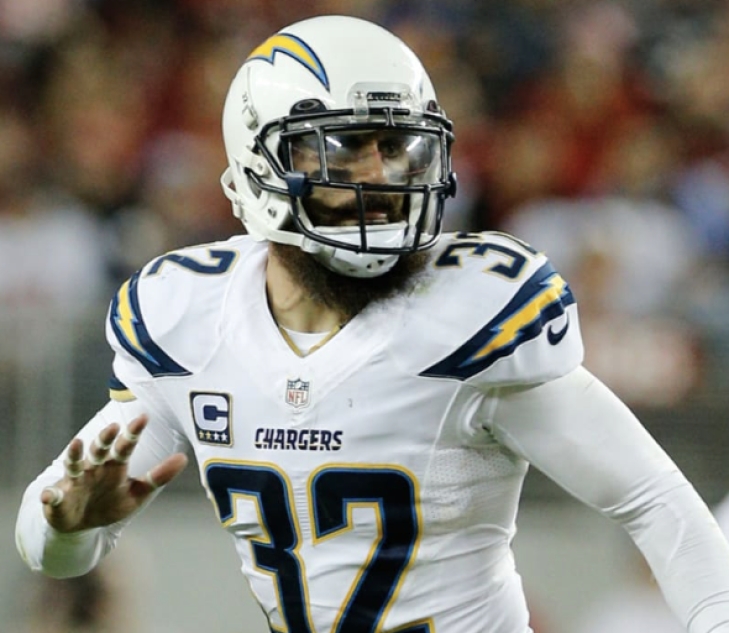
We are diligently working away at Notinhalloffame on revising our Football lists to reflect the winter’s respective classes, but as you may have seen, we have been swamped with our main project, the United States Athletic Hall of Fame, which is the only one of its kind, where you can vote for the greatest Athletes, Coaches, Contributors, and Commentators for the 2026 Class.
This is a very important project, and please support us by voting daily at www.theusahof.com.
In the meantime, we have rebuilt the 141-160 (Part 8) on our Notinhalloffame Football List, which we are pleased to show below:
They are:
#141. Eric Weddle
#142. Vince Wilfork
#143. Michael Dean Perry
#144. Isiah Robertson
#145. Andy Russell
#146. Aqib Talib
#147. Boomer Esiason
#148. Matt Birk
#149. Steve Tasker
#150. Jessie Tuggle
#151. Tiki Barber
#152. Gary Collins
#153. Lionel Taylor
#154. Irving Fryar
#155. Hardy Nickerson
#156. Riley Matheson
#157. Chad Johnson
#158. Bill Bergey
#159. Gene Brito
#160. Rodney Harrison
Look for more updates soon!
Thank you all for supporting Notinhalloffame.com.
