

Site Admin
22. Charlie Leibrandt
19. Paul Splittorff
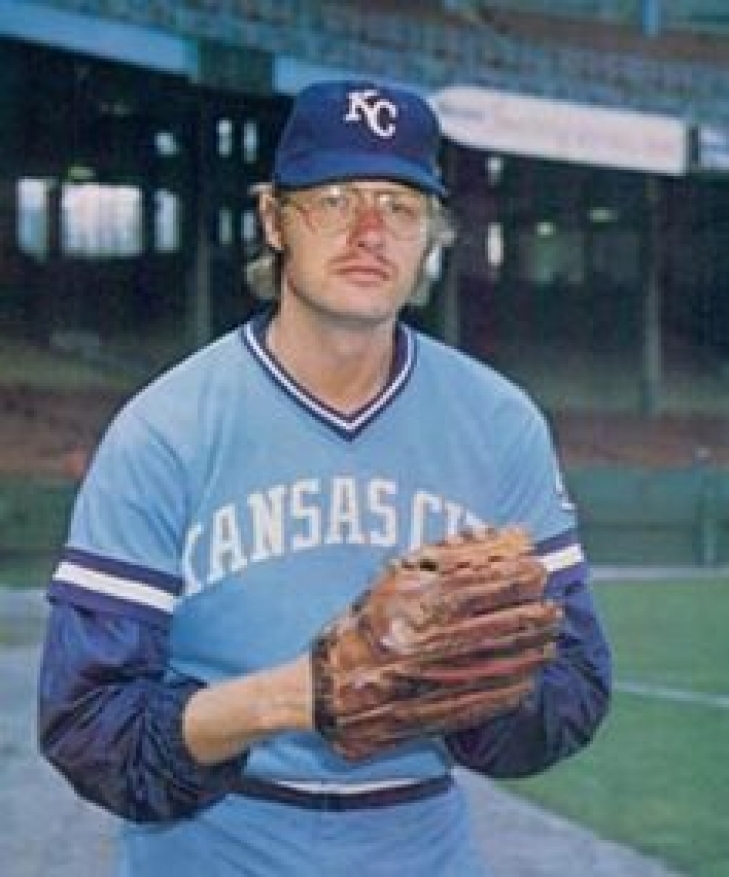
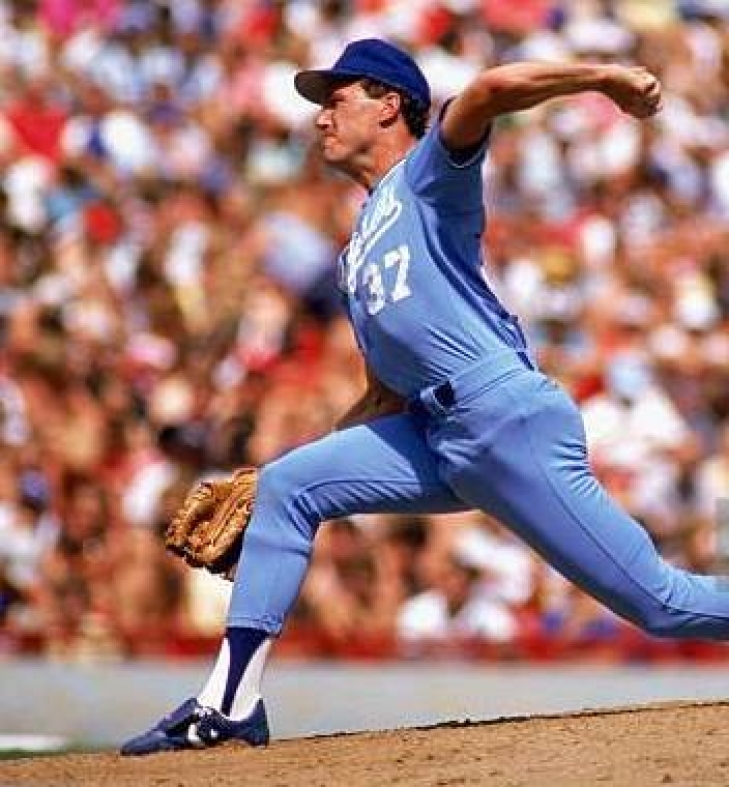
Paul Splittorff became the quintessential fixture of the Kansas City rotation by way of the 1968 draft, joining the organization before they had even played a major league game. For fifteen seasons, the lanky left-hander provided a specialized brand of durability, functioning as the primary engine for the franchise's first championship-caliber teams.
Splittorff’s journey in a Royals uniform reached a historic milestone during the 1973 campaign. That summer, he secured his place in franchise lore by becoming the first 20-game winner in Kansas City history, a high-frequency display of reliability that saw him lead the staff with 38 starts. This achievement signaled his transition from a young prospect to a workhorse who specialized in eating up innings. He showed the organization that he was a foundational piece of the rotation, providing the dependable, day-to-day production required to stabilize a rapidly improving roster.
The bulk of his Missouri years were defined by elite consistency during the team's most competitive era. Between 1977 and 1980, Splittorff was a statistical force of stability, winning at least 14 games each season and routinely surpassing the 200-inning mark. He reached a career peak for high-stakes value during the intense postseason battles of the late seventies, famously earning the "Yankee Killer" moniker for his efficiency in October. He recorded crucial victories in both the 1976 and 1977 ALCS against New York, maintaining a focused intensity that allowed him to thrive even when the national spotlight favored his opponents.
In 1984, he had amassed franchise records for wins, starts, and innings pitched, marks that reflected his status as the most durable pitcher to ever wear the uniform. He left behind a statistical footprint of 166 wins and 1,057 strikeouts,
21. Carlos Beltran
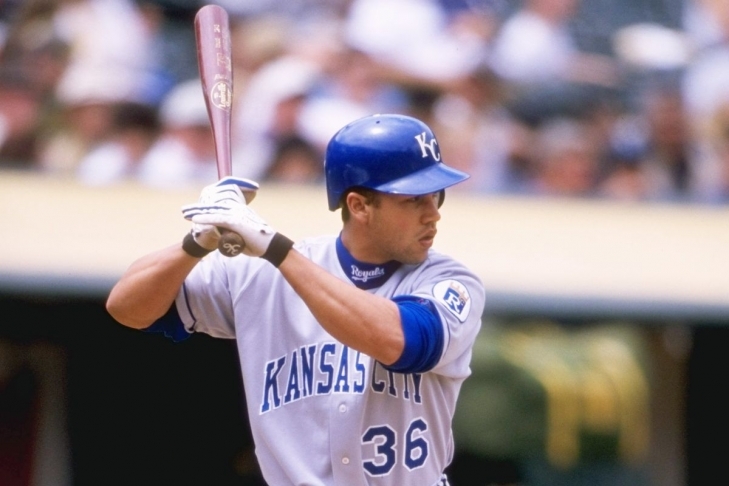
Carlos Beltran has an excellent chance of being a Hall of Famer and it all began in Kansas City. In 1999, Beltran took over the starting Centerfield job and the third spot on the batting order. Not surprisingly, Beltran would win the Rookie of the Year in the AL and he would belt 20 Home Runs and 100 RBIs in all of full seasons with Kansas City.
20. Freddie Patek
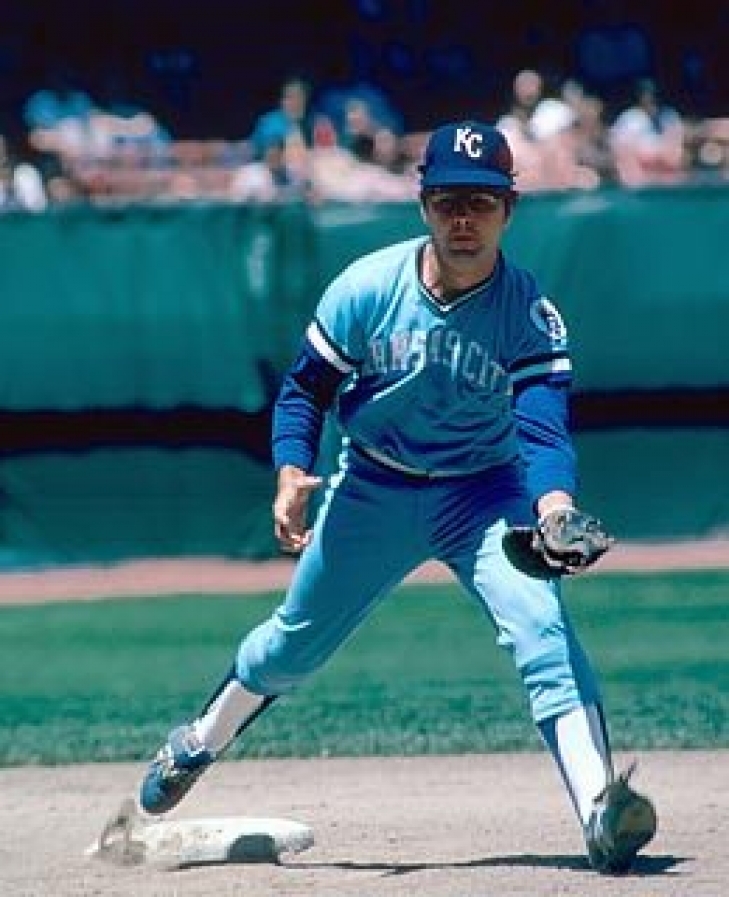
Freddie Patek joined the Kansas City organization in late 1970 via a trade with the Cincinnati Reds, a move that brought the man affectionately known as "The Flea" to Missouri in exchange for Roger Nelson and Richie Scheinblum. At 5-foot-5, he was frequently the smallest player on any field he stepped onto, but he quickly proved that his impact on the game was anything but miniature.
The climb toward Patek’s peak in the mid-1970s was a study in defensive mastery and relentless, high-frequency base-running. After taking over the starting shortstop role, he demonstrated a specialized ability to cover more ground than almost anyone in the American League. In 1972, he reached a peak for defensive efficiency, leading the league in defensive bWAR (3.1) and Total Zone Runs (21), effectively serving as the vacuum of the Kansas City infield. This period of defensive growth served as the essential lead-in to his most productive offensive years, showing that while he might struggle to maintain a high on-base percentage, his presence was a constant tactical headache for opposing pitchers once he reached first.
In the 1977 campaign, he evolved into the premier base-stealer in the American League, recording a league-best 53 swipes and earning his third All-Star selection. He showed the organization that he was a foundational winner by helping lead the Royals to three consecutive AL West titles between 1976 and 1978. He possessed a rare, durable quality that saw him log eight straight seasons with at least 30 stolen bases, providing the steady-state production required to stabilize the top of a lineup that featured icons like George Brett and Amos Otis. Even with a career .309 OBP in Kansas City, he maximized every opportunity, eventually amassing 336 steals, a franchise record at the time of his departure.
Following the 1979 season, Patek signed with the California Angels as a free agent. With Kansas City, he compiled 1,036 hits, 336 stolen bases, and three All-Star selections and was inducted into the Royals Hall of Fame in 1992.