


Site Admin
The Buck Stops Here -- Hall of Fame News -- Season 1 Episode 25

The Buck Stops Here -- The Cincinnati Bengals and the Pro Football Hall of Fame

46. Jim Northrup
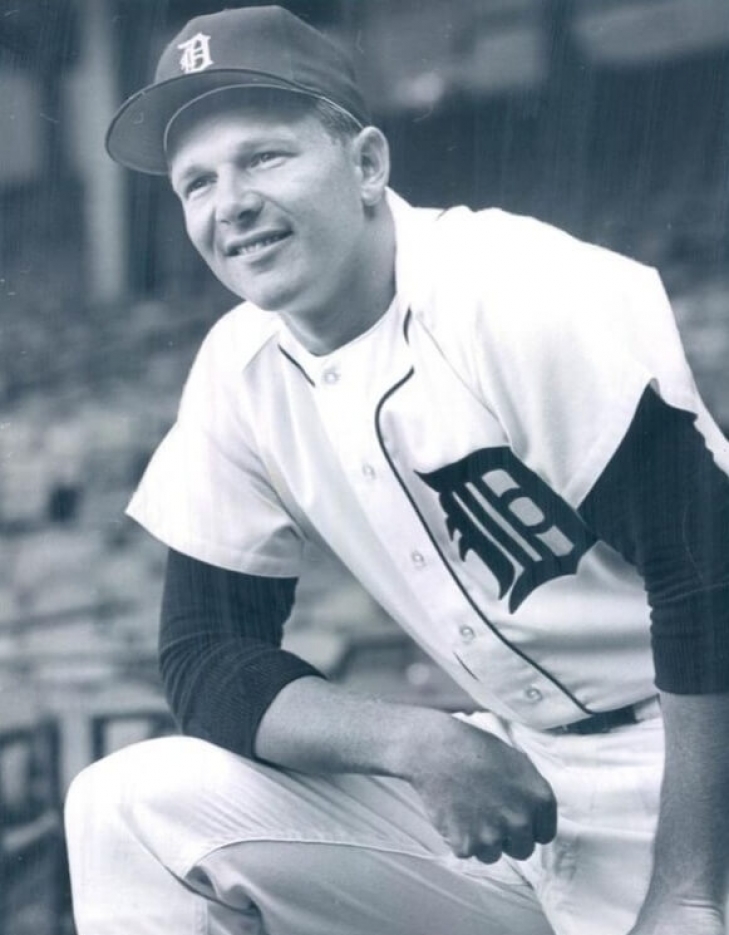
Jim Northrup joined the Detroit organization in 1960 as an amateur free agent, a standout multi-sport athlete out of Alma College who chose the diamond over the gridiron. After a rapid ascent through the farm system, he debuted in 1964 and eventually seized the starting right field job two years later.
During the legendary 1968 campaign, Northrup transitioned into a primary catalyst for the "Bless You Boys" squad, demonstrating a specialized ability to deliver in the highest-leverage moments. He famously clouted five grand slams during the regular season, including two in a single game against Cleveland—before punctuating the year with the signature hit of the 1968 World Series. His two-run triple over the head of Curt Flood in Game 7 broke a scoreless tie and secured the franchise’s third World Series title.
Between 1968 and 1970, he recorded three consecutive seasons with at least 21 home runs while he switched seamlessly between all three outfield positions to accommodate the team’s rotating stars, all while maintaining a steady-state offensive output. He provided the lineup balance needed to keep the Tigers competitive throughout the early 1970s, routinely reaching double digits in home runs and providing a reliable glove in the gaps at Tiger Stadium, but he ended up in a 1974 mid-season trade to the Montreal Expos.
With the Tigers, Northrup compiled 1,184 hits, 145 home runs, and the 1968 World Series title.
43. Al Benton
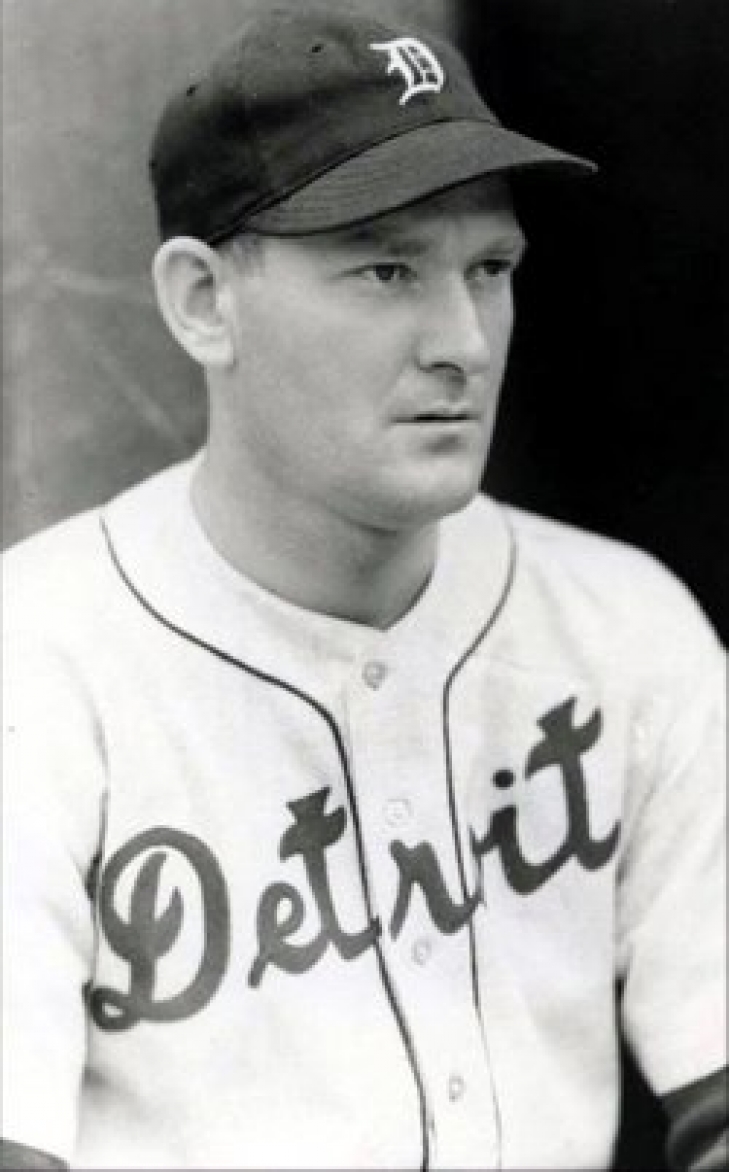
Al Benton arrived in Detroit as a reclamation project, a high-velocity right-hander who had struggled to find his footing with the Philadelphia Athletics in the mid-1930s. After a two-year hiatus in the minor leagues, the Tigers purchased his contract in 1938, a move that proved to be one of the most astute acquisitions in the history of the franchise.
During the 1940 and 1941 campaigns, he demonstrated a focused intensity that redefined the value of a flexible arm, leading the American League with 17 saves in 1940 while simultaneously transitioning into a reliable starter. By 1941, he reached the peak of his individual dominance, posting a 15-6 record with a 2.90 ERA. He showed the organization that he was a premier American League arm, finishing third among all pitchers with 5.5 bWAR and providing the production required to keep Detroit at the top of the standings. He possessed a rare ability to miss bats and limit damage, earning an All-Star selection in 1942 while finishing second in the league with a 5.6 bWAR despite a losing record that failed to reflect his sub-3.00 ERA.
After missing two full seasons to serve in World War II, Benton rejoined the Tigers in 1945 and immediately helped lead the club to a world championship. He reached a career-best for offensive prevention that summer, posting a 13-8 record and a 2.02 ERA, a mark that ranked second in the American League. He showed the baseball world that he had maintained his sharp command and big-game temperament, proving to be the essential stabilizer for a staff that navigated the return of its biggest stars. Even as he moved into his mid-thirties, he remained a model of reliability, winning 11 games in 1946 and serving as a veteran-like presence for the next generation of Detroit hurlers.
Benton was released after the 1948 season. With the Tigers, Benton compiled 71 wins, 510 strikeouts, and 45 saves.