

80. Tom Van Arsdale
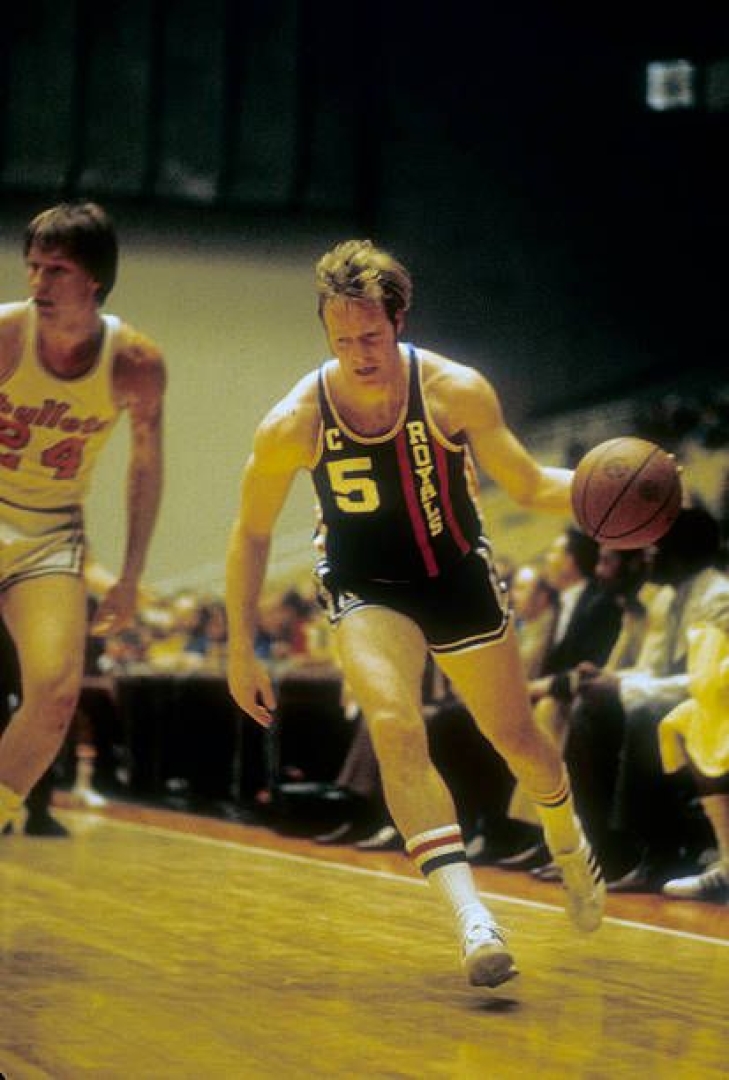
The identical twin of Dick Van Arsdale, Tom Van Arsdale played with his brother at the University of Indiana, where he impressed enough to be drafted by the Detroit Pistons in 1965. He was decent enough with the Pistons, but in his third year, Van Arsdale was traded to the Cincinnati Royals, where he had his best run.
From 1969-70 to 1971-72, Van Arsdale was named to the All-Star Team and averaged over 22 Points per Game in those first two years. It was productive for Van Arsdale, but his respective team was not very good like in Detroit. Van Arsdale later played for Kansas City, Philadelphia, Atlanta and one last year in Phoenix where he played with his twin.
Despite playing 929 Regular Season Games with a 15.3 PPG, Van Arsdale never appeared in a playoff game.
56. Dick Van Arsdale
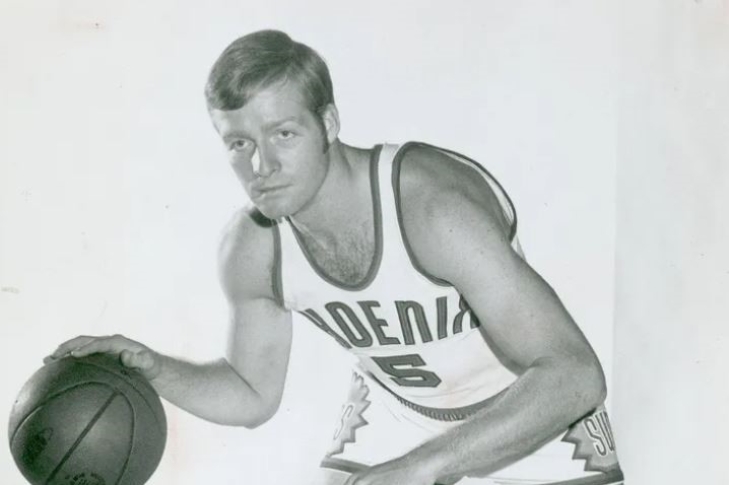
Dick Van Arsdale was a college star with the Indiana Hoosiers before he was drafted by the New York Knicks, where he played his first three seasons, but he was chosen by the expansion Phoenix Suns in the Expansion Draft and he became the face of the new team.
Van Arsdale developed a sweet mid-range shot, and coupled with his high free-throw ability, he was one of the most accurate shooters of his day. The original Sun was an All-Star in his first three seasons in Phoenix. In those All-Star years, Van Arsdale averaged over 21 Points per Game and was the main star for those struggling Suns squads. As he got older, Van Arsdale became a more competent defender and even won an All-Defensive (Second Team) Selection in 1973-74.
He would later provide a veteran role on Phoenix’s first NBA Final in 1976, and would retire a year later. Fittingly, Van Arsdale’s twin brother Tom was with him for his final campaign.
211. Bob Hoernschemeyer
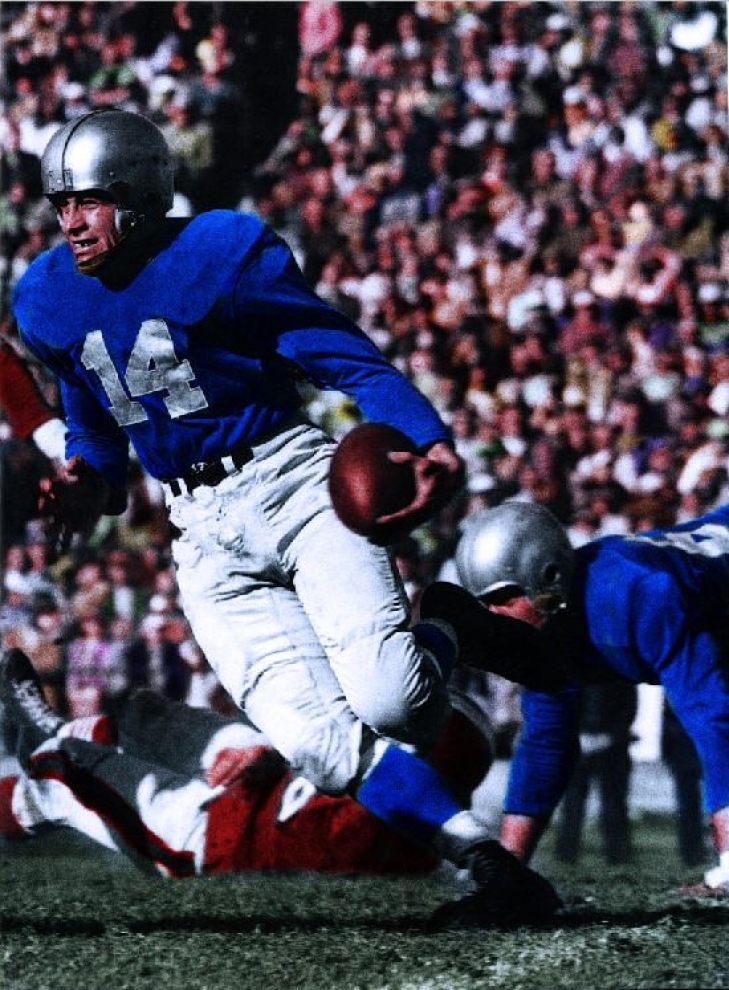
Try to say Bob Hoernschemeyer’s name three times fast?
Yes, we know that the first line isn’t relevant here, but what is pertinent is that Hoernschemeyer was an End in the late 40s and early 50s in every sense of the word. Beginning his professional career with the Chicago Rockets of the AAFC, Hoernschemeyer would do well in rushing and passing, finishing in the top ten in both categories in the first (and only) four years of the AAFC’s existence. That’s good, but what hurts Hoernschemeyer is that he played for the Chicago Rockets/Hornets and Brooklyn Dodgers, neither of which made it to the NFL when that league took over what was left of the AAFC, and yes, that matters in terms of legacy, especially when you consider that two of the teams that you played for in your prime have not existed in 70 Years!
After the merger of the AAFC and NFL, the Detroit Lions selected Hoernschemeyer in a special draft, where he became a key cog in their offense. He was a Pro Bowl Selection in both 1951 and 1952, and he would help them win back-to-back NFL Championships in 1952 and 1953. Injuries would force him to retire at age 30, but if the first half of his career gains the same respect that his second half did, he is a legitimate Pro Football Hall of Fame contender.
242. Earl Faison
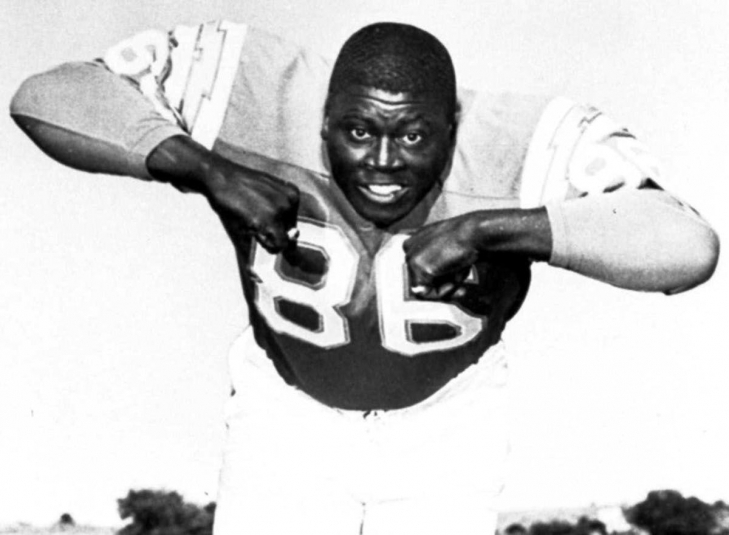
A star at the University of Indiana, Earl Faison elected to go to the San Diego Chargers in 1961, who drafted him in the 1st Round as opposed to the Detroit Lions of the NFL, who chose him in the 5th. Faison was an instant stud, using his sheer power to win the AFL Rookie of the Year. The Defensive End would earn First Team All-Pro in four of his first five years, only missing out on 1962 because injuries reduced him to only eight games. Amazingly, he was still named an AFL All-Star that year, and as you would expect, he was one every other year of his first half-decade in Pro Football.
As good as Faison was, back issues rapidly caught up with him, and the Chargers dispatched him to the Miami Dolphins, and his career was over shortly after. His career may not have lasted long, but few had that level of dominance.
Indiana University announces their next HOF Class
The University of Indiana Athletic Hall of Fame has announced six new names who will be inducted into their institution.
The Class of 2019 is:
Eric Anderson, Men’s Basketball (1989-92): Playing at Power Forward, Anderson was a Hoosier for 131 Games, and would score 1,715 Points and 826 Rebounds.
Kay Burrus, Field Hockey & Women’s Basketball Coach (1962-76): Burrus pulled double duty coaching both field hockey and women’s basketball for Indiana for over a decade.
Chris Gartner, Football(1970-72): Gartner would be the Hoosiers’ Place Kicker for three years.
Jeff Overton, Men’s Golf (2002-05): Currently on the PGA Tour, Overton would help Indiana win the Big Ten Conference Championship in 2005.
Rose Richmond, Women’s Track and Field (2000-03): Richmond would specialize in the Long Jump.
Donnie Thomas, Football (1972-75): Thomas played Linebacker for the Hoosiers.
These additions will bring the total number to a whopping 237. The induction ceremony will take place on September 20 and will officially be introduces at the Hoosier’s home football game against UConn the next afternoon.
We here at Notinhalloffame.com would like to congratulate the soon to be newest members of the University of Indiana Athletic Hall of Fame.
