


Committee Chairman
22. Chone Figgins
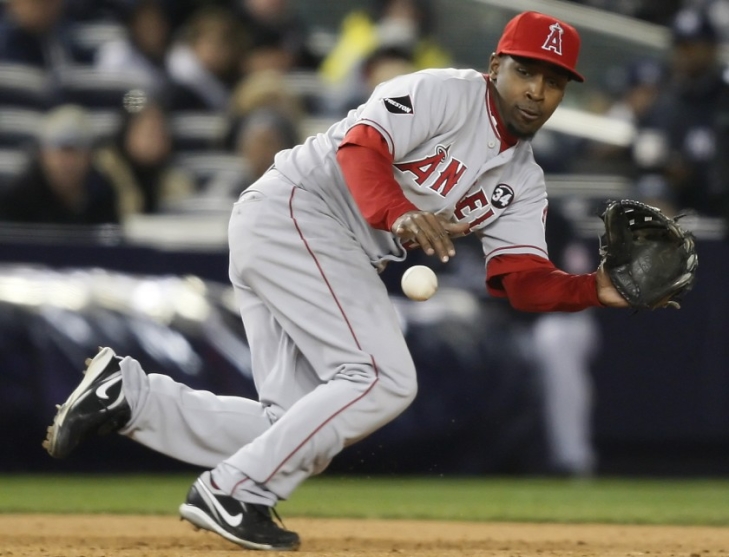
Chone Figgins arrived in the California organization via a July 2001 trade with the Colorado Rockies, a move that sent veteran outfielder Kimera Bartee to Denver. While he was drafted as a middle infielder, Figgins’ elite athleticism allowed him to become one of the most versatile weapons in franchise history.
Figgins first demonstrated his ability to impact winning as a high-speed specialist during the 2002 postseason. Called up as a late-season weapon, he appeared in 15 regular-season games before becoming an asset on the basepaths during the Angels' run to their first World Series title. Figgins transitioned to a full-time role in 2004, where he batted .296 and recorded a career-high 17 triples. This breakout served as the lead-in to 2005, where he evolved into the premier base-stealer in the sport, leading the major leagues with 62 stolen bases and finishing in the top 15 of the MVP voting.
In 2009, he demonstrated a specialized ability to manufacture runs by leading the American League with 101 walks and recording a career-high 183 hits. He showed the organization he was a foundational star by earning his lone All-Star selection and finishing tenth in the AL MVP race. Throughout this period, he maintained a reputation for defensive versatility, logging significant time at third base, second base, and all three outfield positions while recording 30 or more stolen bases for six consecutive seasons.
Figgins signed a four-year contract with the Seattle Mariners in 2009, leaving behind 1,045 hits, a franchise-record 280 stolen bases, and the 2002 World Series title.
21. Dean Chance
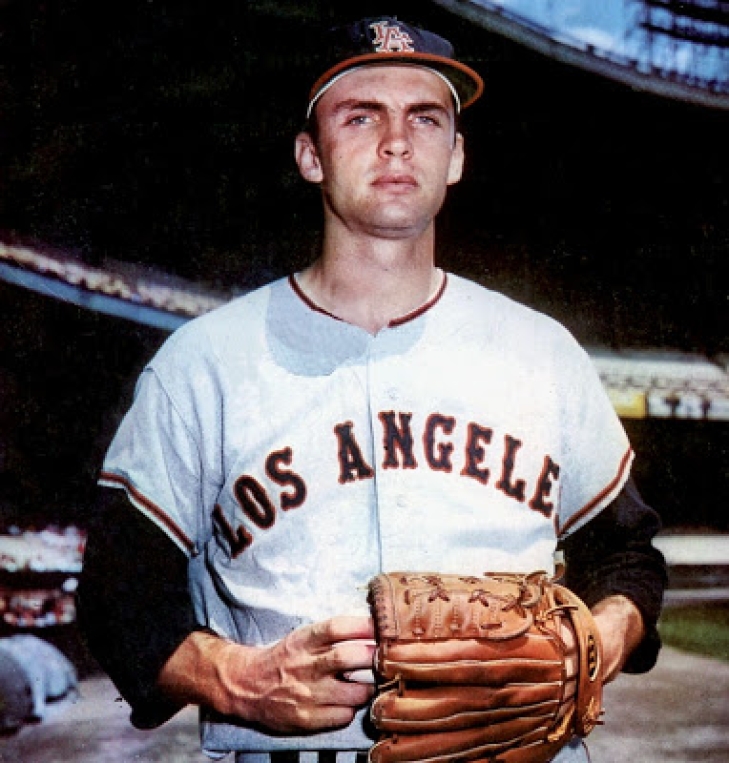
Dean Chance arrived in the California organization as a foundational piece of the original 1961 roster, debuting as a 20-year-old with a high-ceiling repertoire. Known for a unique, back-to-the-plate delivery that baffled hitters’ timing, he quickly transitioned from a young prospect to the premier arm of the expansion era.
Chance first demonstrated his ability to handle a full workload during a historic 1962 rookie campaign. That summer, he recorded a 14-10 record with a 2.96 ERA and earned a third-place finish in the American League Rookie of the Year voting. He showed the organization he was a foundational professional by tossing over 200 innings and appearing in 50 games, providing the staff with the veteran-like poise required for a second-year team. While he faced a high-frequency of losses in 1963, his underlying efficiency remained high, serving as the essential lead-in to his record-shattering 1964 season.
In 1964, Chance was the best hurler in the game. At just 23 years old, he won the Cy Young Award and led the American League in wins (20), ERA (1.65), and shutouts (11). He demonstrated a specialized ability to dominate elite competition, particularly the Yankees, and finished fifth in the MVP balloting. He remained a consistent winner over the next two seasons, recording 27 more victories and maintaining a sub-3.15 ERA before a 1966 trade sent him to the Minnesota Twins.
Chance compiled 74 wins and 857 strikeouts with the Angels.
15. Francisco Rodriguez
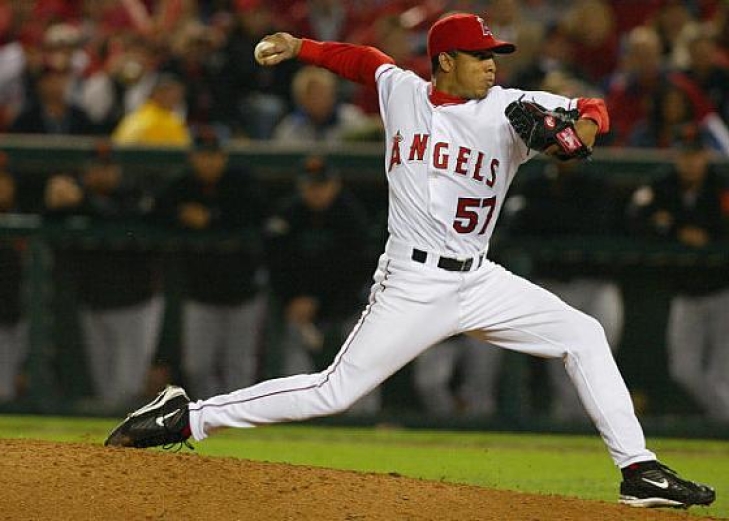
Francisco Rodriguez arrived in the California organization as an amateur free agent in 1998, a right-hander with a high-ceiling delivery that would soon alter the franchise's trajectory.
Debuting in September 2002, Rodriguez immediately established a reputation for elite strikeout capability. Despite having only five regular-season appearances to his name, he evolved into a tactical weapon in October, making 11 relief appearances and securing five wins throughout the playoffs. He showed the organization he was a foundational winner by maintaining a sub-1.000 WHIP across three rounds, providing the bullpen depth needed to secure the franchise's first World Series title. This breakout served as the lead-in to 2004, where he transitioned from a setup role to the full-time closer.
The period between 2005 and 2008 represented the peak of Rodriguez’s efficiency and individual recognition. During this stretch, he led the American League in saves three times and earned three consecutive All-Star selections. In 2008, he recorded a major-league record 62 saves, shattering the previous mark set by Bobby Thigpen. He showed the organization he was a foundational superstar by finishing in the top four of the Cy Young voting three times (2004, 2006, 2008) and winning the Rolaids Reliever of the Year Award twice.
Following the 2008 season, Rodriguez signed with the New York Mets, thus leaving the Halos. With the team, K-Rod recorded 208 saves, 587 strikeouts, and a 2.35 ERA.
18. Howie Kendrick
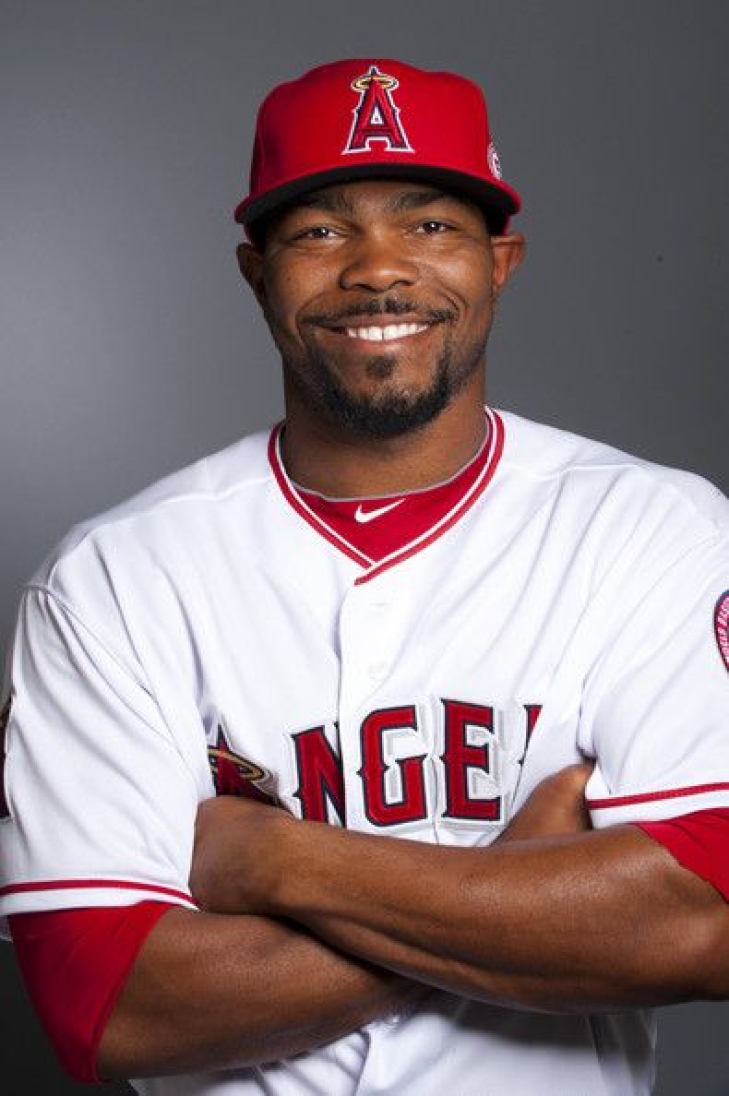
A 10th-round pick in 2002, Howie Kendrick was a contact-first specialist whose minor league averages were so high they bordered on the mythical. After destroying Triple-A pitching, he debuted in 2006 and immediately demonstrated the smooth, line-drive swing that would define his decade-long stay in Anaheim.
During the 2011 campaign, he recorded a career-high 18 home runs and earned his lone All-Star selection while maintaining a .285 batting average. He showed the organization he was a foundational star by providing versatile defense across the diamond, appearing at first base and in the outfield as needed, though he remained the primary fixture at second base.
Between 2012 and 2014, Kendrick demonstrated a specialized ability to drive the ball into the gaps, recording at least 30 doubles in back-to-back seasons. He became a statistical outlier in 2014, recording a career-high 181 hits and batting .293, helping lead the club to a league-best 98 wins. While he never captured a Gold Glove, he provided the tactical flexibility the club required,
In December 2014, a move driven by the Angels' desire to acquire young pitching in Andrew Heaney led to Kendrick being traded to the crosstown Dodgers. Kendrick compiled 1,204 hits and a .292 average with the Halos.