

Committee Chairman
171. Mickey Vernon
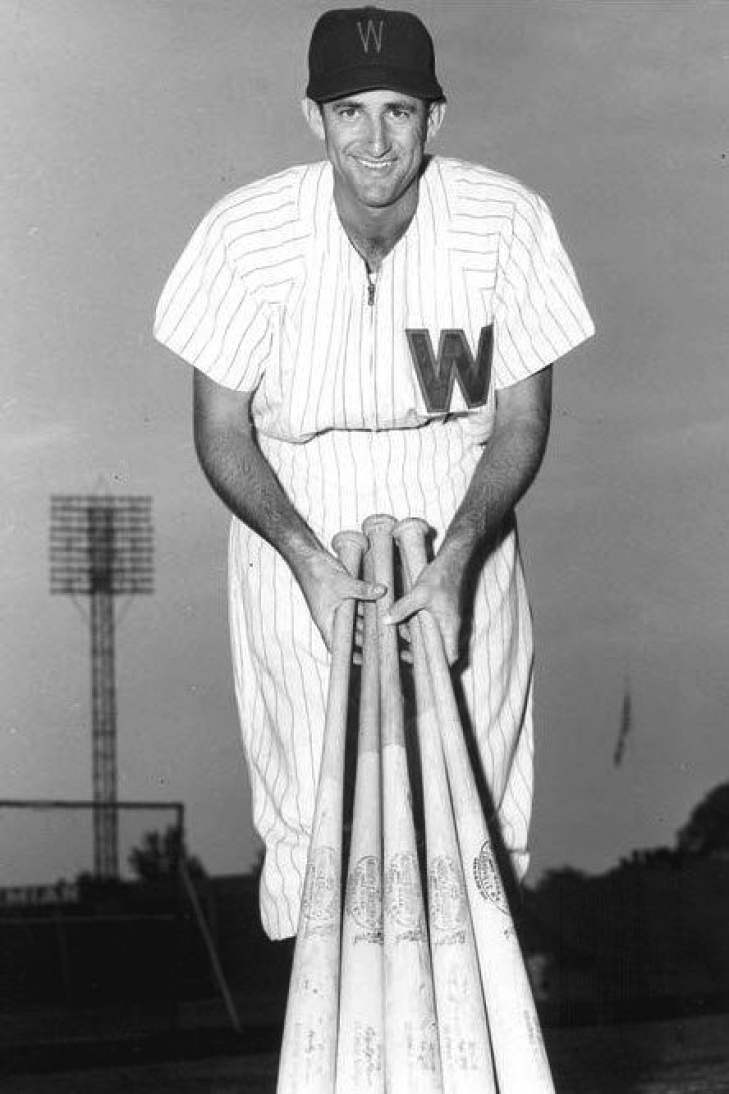
Mickey Vernon arrived in the Majors in 1939 with the Washington Senators, and he was entrenched as their starting First Baseman in 1941. Vernon would do well in the early 40s, with three straight 145-plus Hit seasons before World War II, and he would miss 1944 and 1945. When he returned, he would take his place in the upper tier of First Basemen.
The popular player would be named an All-Star in 1946, leading the American League in Doubles (51) and Batting Average (.353), and he would place fifth in MVP voting. Vernon was an All-Star again in 1948 and would join the Cleveland Indians for a year and a half before returning to Washington. The 1950s saw Vernon go to four consecutive All-Star Games (1953-056), and he won his second Batting Title in 1953. He also would top the leaderboard in Doubles in the AL in both '53 and 1954, both of which were top ten finishes in MVP voting.
Vernon would play two years with the Boston Red Sox (1956-57), another with Cleveland, and one more with the Milwaukee Braves.
In his final season in baseball (1960), he was a member of the Pittsburgh Pirates, who won the World Series. He didn’t play in that series, but it was a nice end to an excellent career that would see him accrue 2,495 Hits.
107. George Foster
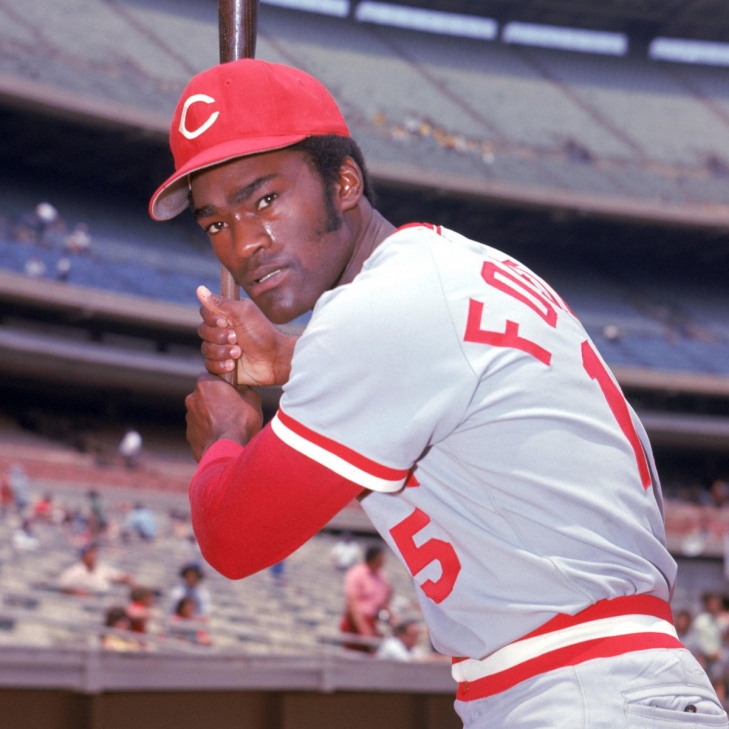
A vital part of the Big Red Machine that had the most success of any other team in the National League, George Foster debuted in 1969 (with San Francisco); George Foster broke through in 1975 with a 23-home-run year. Helping the Reds win the World Series that year, Foster won the RBI Title in 1976 with 29 Home Runs and a .306 Batting Average. This would usher in the first of five All-Star Games, and four in the next five years. Foster again helped them win the World Series, and he was second in MVP voting.
The Reds did not win the World Series again in the 1970s, but Foster would have better years ahead. In 1977, he would smack 52 Home Runs, an incredible tally for the 1970s. Foster also led the National League in Runs Batted In (149), Runs Scored (124), Slugging Percentage (.631), and OPS (1.013). To the surprise of nobody, he won the MVP. Foster won his second Home Run Title (40) and third RBI Title (120) in 1978, and in 1981, he was third in MVP voting with 22 Home Runs and a .519 Slugging Percentage in that strike-shortened year. That was his last season on the Ohio River, as he was traded to the New York Mets, where he played for four years and had a brief stop with the Chicago White Sox before retiring in 1986.
Foster would smack 348 Home Runs, 1,239 Runs Batted In with a .480 Slugging Percentage. He remained on the ballot for four years (1992-95). Had he been better defensively and had a better on-base percentage, he would have been much higher on this list.
121. Eddie Cicotte
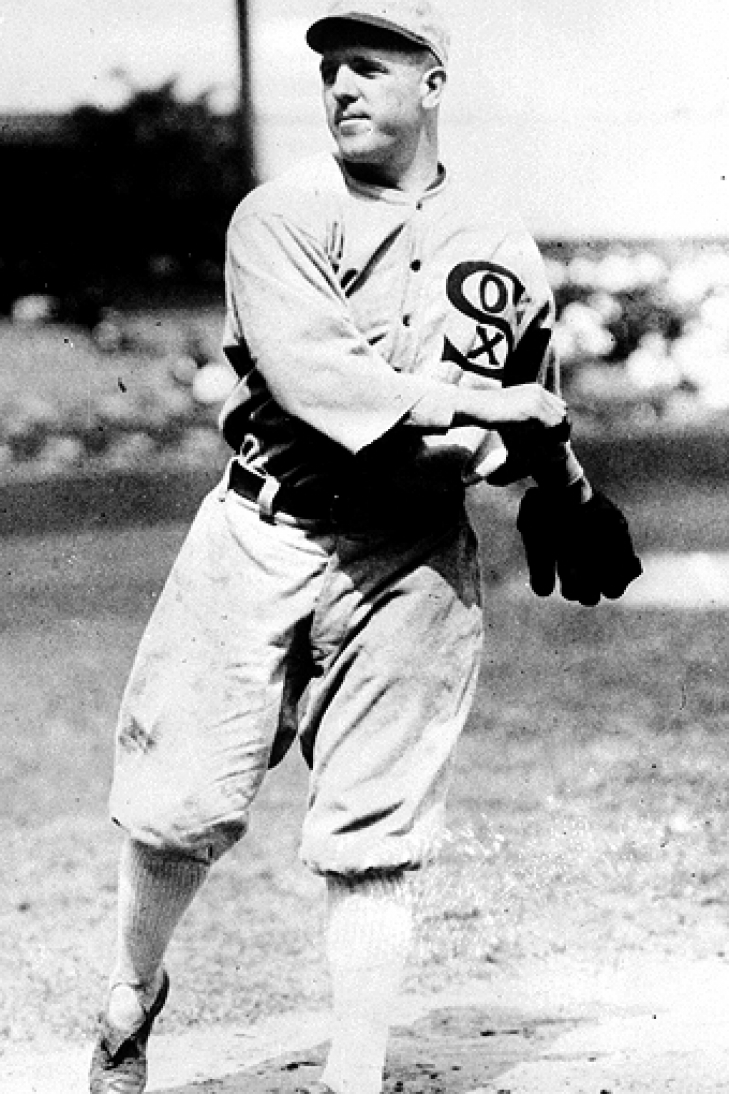
The Hall of Fame victim most often cited in the Black Sox Scandal is "Shoeless" Joe Jackson, but Pitcher Eddie Cicotte might also have cost a Cooperstown plaque.
After a brief stint with the Detroit Tigers in 1905, he went back to the minors, only to return three years later with the Boston Red Sox. Cicotte did better there, good enough to stay on the roster but far from a star. That changed when he was traded to the Chicago White Sox during the 1912 season.
With Chicago, he had his breakout season in 1913, when he went 18-11 with a 1.58 ERA, and a monster season in 1917, when he led the American League in Wins (28), ERA (1.53), and WHIP (0.912). Cicotte would help Chicago win the 1917 World Series, going 1-1 with a 1.57 ERA. 1919 was just as good as he again led the AL in Wins (29) and had a 1.82 ERA. Cicotte and the White Sox were heavily favored in the 1919 World Series against the Cincinnati Reds, but gamblers got into the palms of some White Sox players (allegedly), and Cicotte was one of them (allegedly). In that World Series, he went 1-2 and looked ineffective (or throwing the game) in his first two starts. Chicago would lose that series to the Reds.
After going 21-10 in 1920, the suspected White Sox players were brought to trial. Although the court would find the White Sox players innocent, Commissioner Kennesaw Mountain Landis banned the eight players from baseball after 1920, ending their careers at age 36.
139. Tommy Bridges
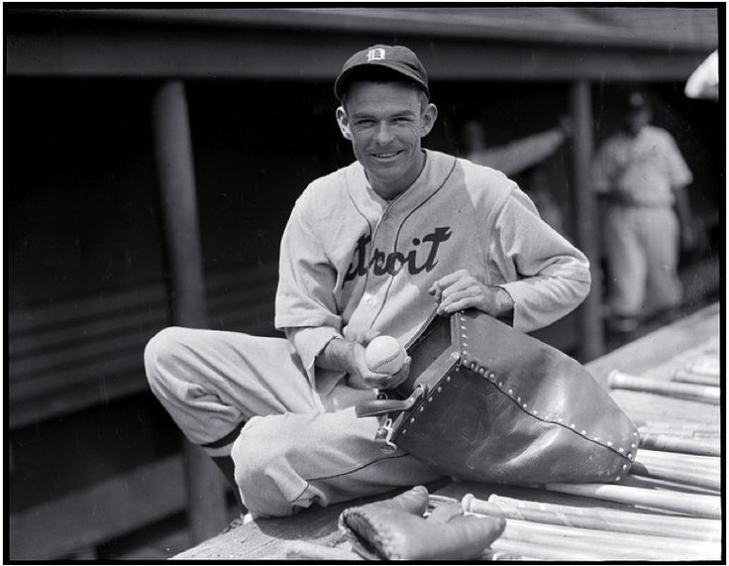
A two-time World Series Champion with the Detroit Tigers (the only team he ever played for), Tommy Bridges was a major force in that first championship, winning two games in the Fall Classic. The curveball specialist led the AL in Strikeouts twice and won twenty games three years in a row (1934, 1935 & 1936). Bridges was also a six-time All-Star. Overall, Bridges would have a record of 194-138 with 1,674 Strikeouts.