


Site Admin
18. Chris Young
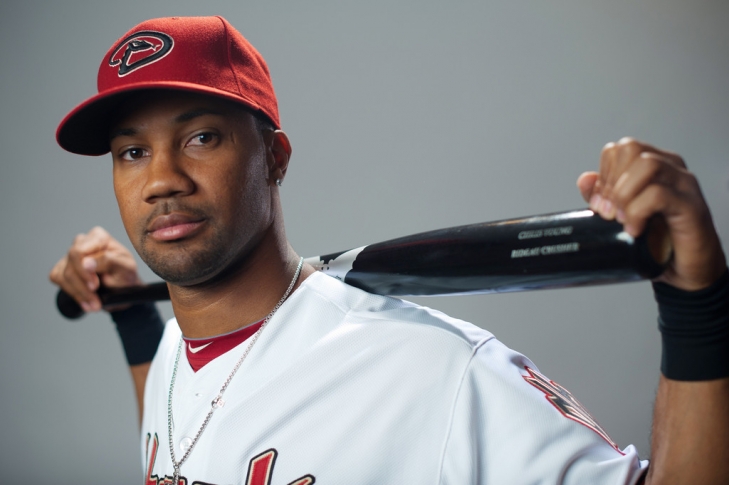
While Chris Young was never known for having a great Batting Average, he would bring some good power numbers to the Diamondbacks lineup. In his rookie season (2007), Young went yard 32 times, swiped 27 bases, and finished fourth in Rookie of the Year balloting. He would have three other seasons with 20 or more Home Runs, and three 20-Stolen Bases years for the D-Backs, but as good as the Power-Speed combo was, he did not take that consistent leap to the next level, which was the initial expectation for a number one overall pick..
Young was named an All-Star in 2010 and was also a solid defensive presence at Centerfield for the club. Traded to the Oakland A’s in 2013, Young belted 132 Home Runs with 112 Stolen Bases and 758 Hits, though only batted .239 and had five years with over 130 Strikeouts. That knocks him down a few spots.
8. Zack Greinke
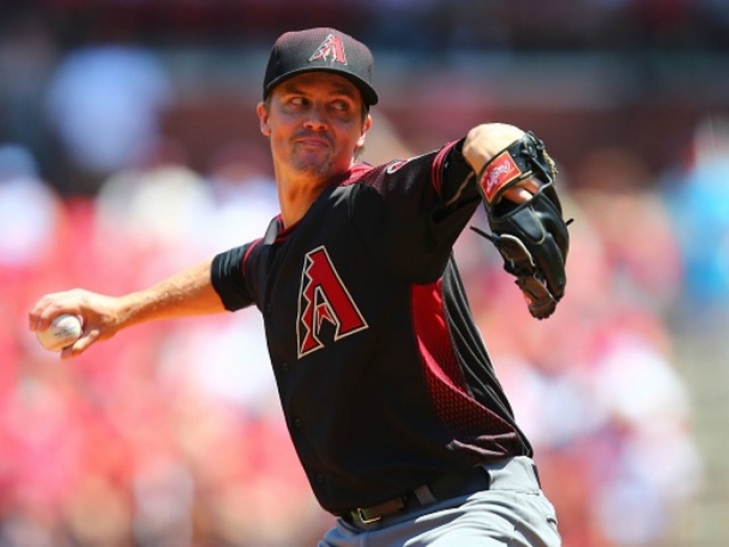
Zack Greinke was with the Arizona Diamondbacks for only three and a half years, but in that time, he showcased skills that helped him win the Cy Young Award as a Kansas City Royal in 2009.
Arriving in 2016 as a Free Agent, Greinke was named an All-Star in 2017, where he also finished 4th in Cy Young voting. He repeated as an All-Star in 2018, and in '17 and ’18, he ranked in the top ten in the NL in bWAR for Pitchers and WHIP. Grienke was again an All-Star in 2019, but shortly afterward, he was traded to the Houston Astros for their playoff run.
With overall Diamondback numbers of 55-29 and 683 Strikeouts, Grienke's rank is also aided by the fact that he was an excellent fielder and a good hitter for a Pitcher, who had a .230 Batting Average with Arizona.
The surgically precise professor of pitching was outstanding while a Diamondback, and Arizona fans could only imagine what it would have been like to have had the hurler for a longer time.
11. Justin Upton
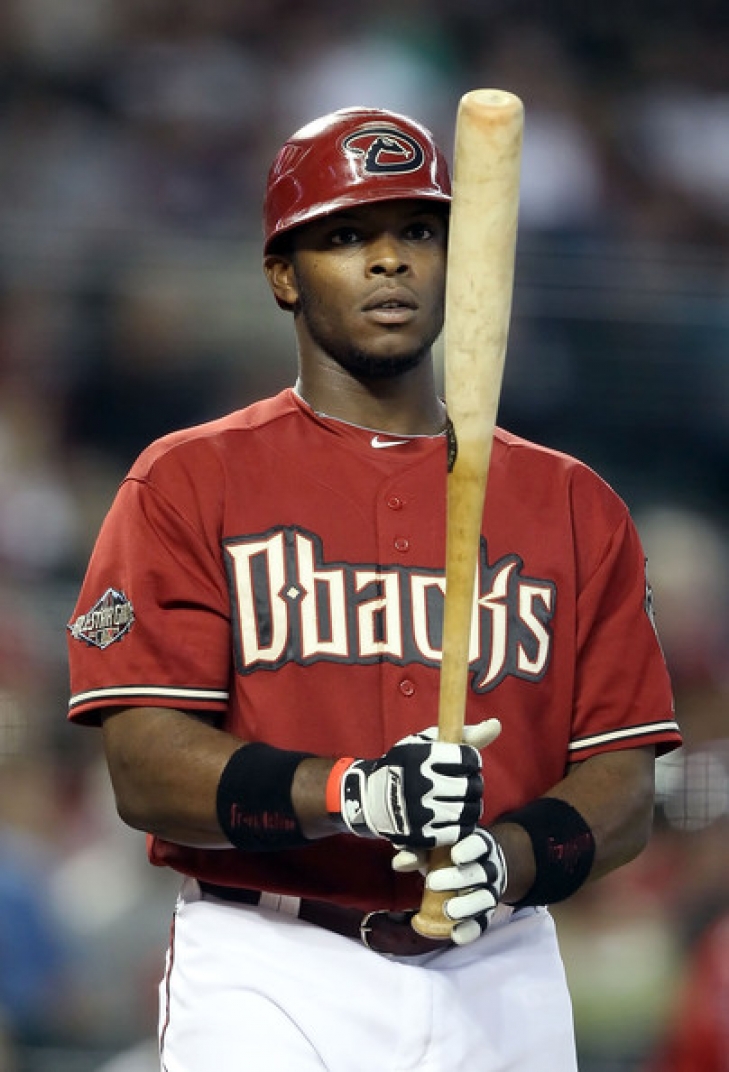
Justin Upton was the number one draft pick in 2005, and to nobody’s surprise, he was able to crack the Diamondbacks roster as a teenager. Upton would quickly take over as the team’s starting left fielder, and in 2009, he was named a National League All-Star, a feat he would repeat for Arizona in 2011. That was his best season for the Diamondbacks, where he smacked 31 Home Runs with a .529 Slugging Percentage while finishing fourth in MVP voting. Upton also had two 20-20 seasons with Arizona, with 739 Hits and 108 Home Runs, before he was traded to the Atlanta Braves in 2013.
Upton might not have been the supernova expected, but it was a decent run in Arizona, whose legacy is affected by the high expectations.
9. Steve Finley
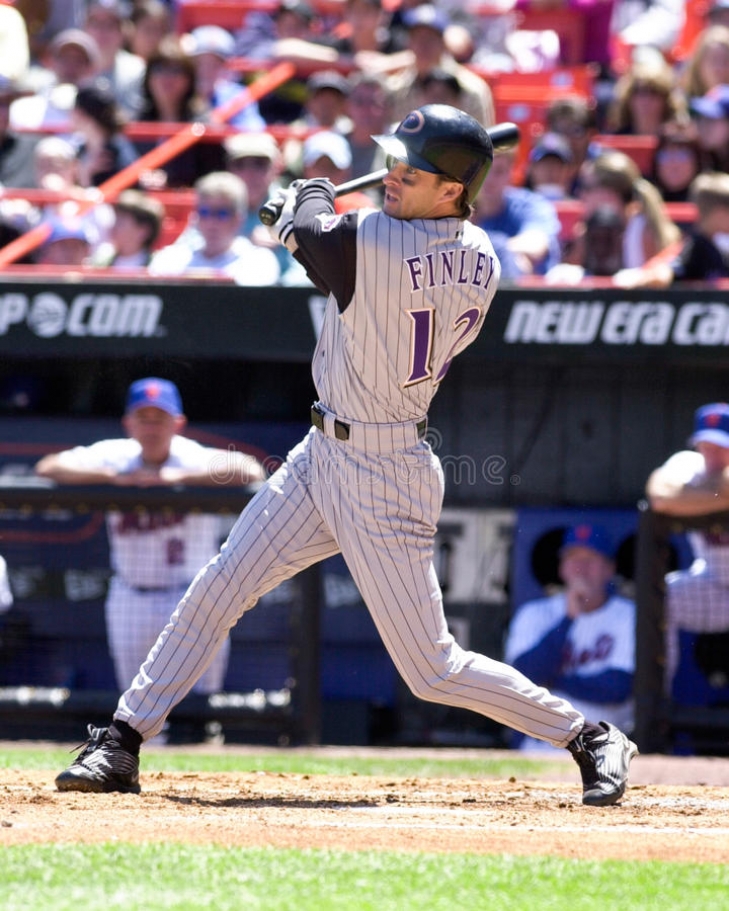
The signing of Steve Finley via free agency proved to be a fruitful one for the Arizona Diamondbacks, as the Outfielder would put forth some of his best offensive seasons playing in Arizona.
The “Third Man of the Offensive Corps” of Arizona’s World Series offense, Finley would have two 30 Home Run seasons and three more 20 Home Run years for the Diamondbacks, and provided a respectable Batting Average and On Base Percentage. Finley represented Arizona twice in the All-Star Game and also won a pair of Gold Gloves there.
Perhaps most significantly in this ranking is Finley's postseason performance in the 2001 World Series run, where he batted .421 in the Division Series, .286 in the Championship Series (with a .412 OBP), and .368 in the World Series (with a .478 OBP). Johnson, Schilling, and Gonzalez receive a lot of the credit for 2001, but Steve Finley was a major part of that championship season. After a few more good years, he was traded to the Dodgers during the 2004 Season.
Finley overall had 847 Hits, 153 Home Runs and batted .278 for Arizona.