

Site Admin
25. Billy Wagner
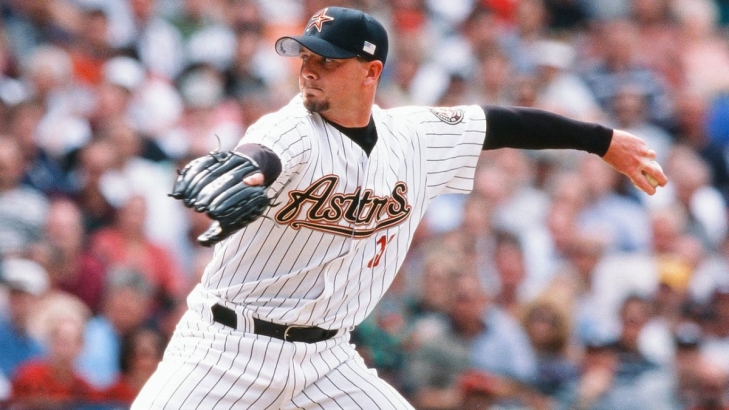
Billy Wagner joined the Houston organization as a first-round selection in the 1993 draft out of Ferrum College, a high-velocity left-hander who defied his smaller stature with a triple-digit fastball. After a rapid three-year ascent through the farm system, where he transitioned from a starter to a late-inning specialist, he debuted in late 1995 and quickly established himself as one of the most intimidating presences in the National League, and for nine seasons in a Houston uniform, he served as the definitive anchor of the bullpen.
After making a brief, scoreless debut in the 1995 postseason, he spent the next few summers refining a triple-digit heater that seemed to defy the laws of physics. By 1996, he had officially seized the closer's role, striking out 67 batters in just over 50 innings and proving that his transition from a starter was a masterstroke by the Houston front office.
Wagner’s journey in an Astros jersey reached a historic peak of efficiency during the 1999 campaign. That summer, he evolved into the premier relief weapon in the sport, recording 39 saves and a staggering 1.57 ERA, striking out 124 hitters in just 74.2 innings of work. He won the Rolaids Relief Man of the Year Award and finished fourth in the Cy Young voting, a rare feat for a closer. He possessed a focused intensity that saw him earn the first of three All-Star selections with the club.
Between 1996 and 2003, Wagner was a statistical standout, serving as the high-leverage bridge between the Astrodome era and the team’s move to its new retractable-roof home. He reached a peak for individual dominance in 2003, recording a career-high 44 saves while maintaining a 1.78 ERA. Despite a significant elbow surgery in 2000 that would have slowed a lesser athlete, he returned with his high-velocity delivery intact, eventually amassing 225 saves and a 1.039 WHIP while wearing the colors of Houston.
Everything culminated in a 2003 trade to the Philadelphia Phillies, an exit that followed a public disagreement with team management regarding the club's payroll and direction, departing with a legacy of 694 strikeouts in just 464.1 innings.
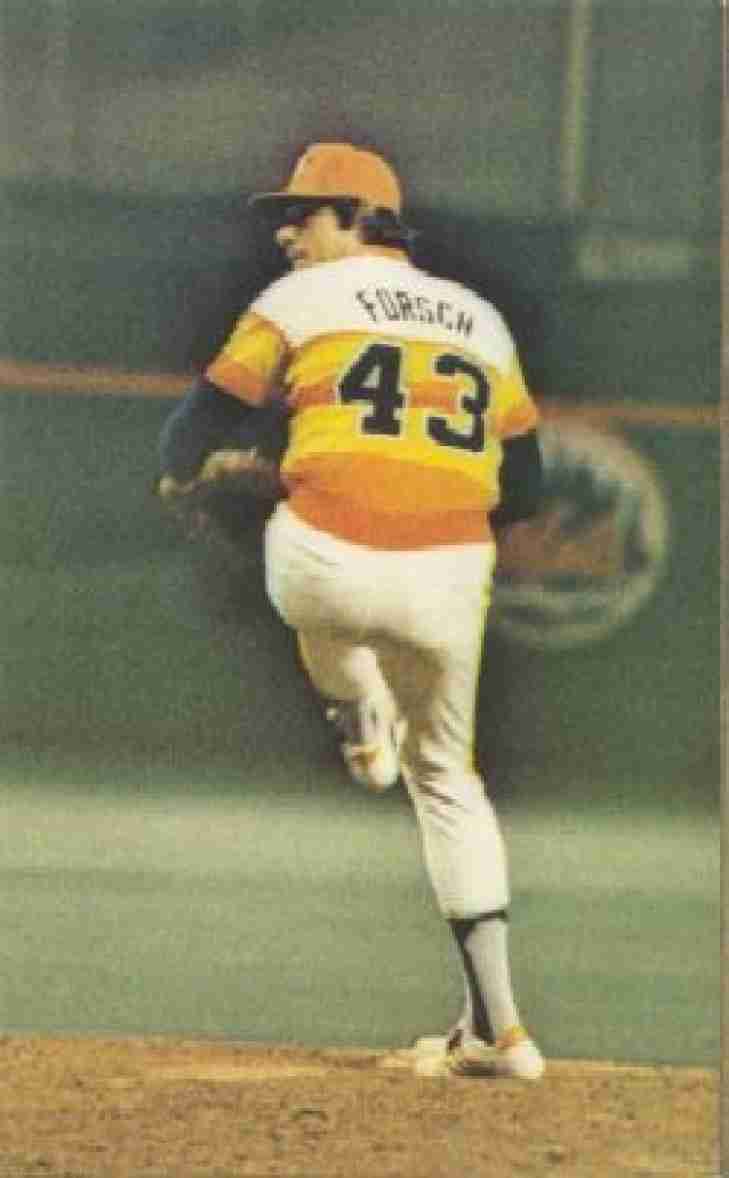
29. Ken Forsch
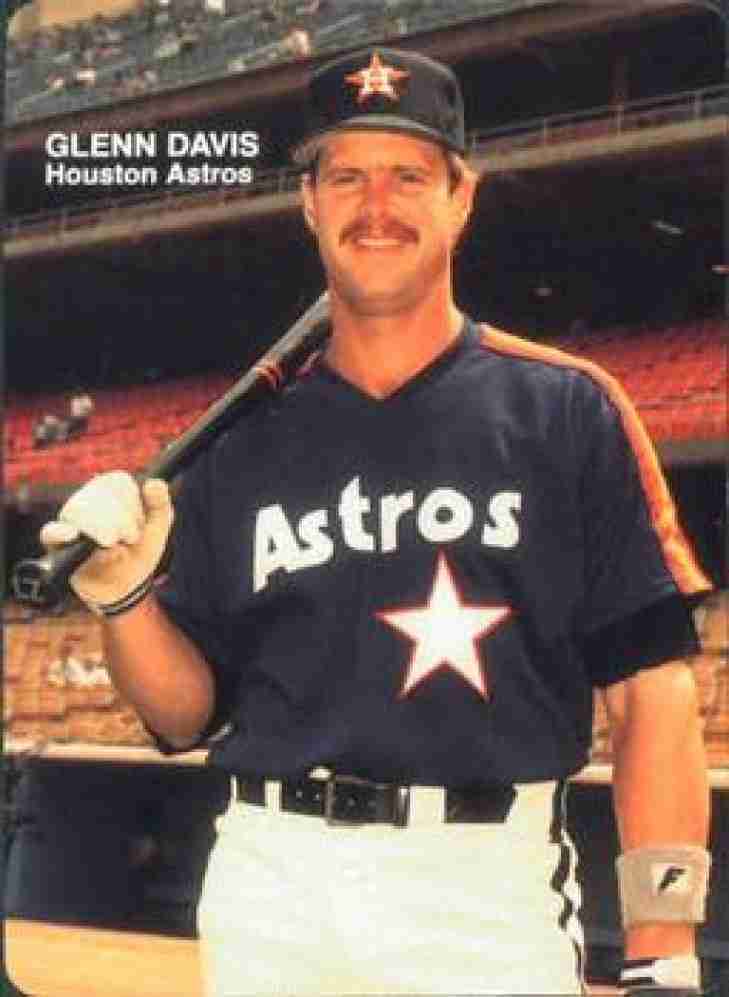
27. Glenn Davis
26. Shane Reynolds