


Site Admin
Philip Ross
Mar 24, 2013
Published in
1976 Hockey Inductees
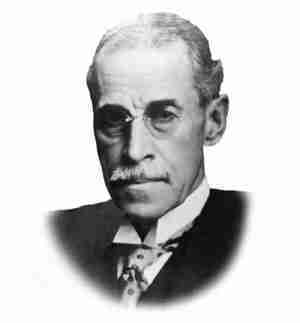
Philip Ross’ entry to the Hockey Hall of Fame can be traced to the Stanley Cup itself. Ross was actually a decent player, as he played for the Ottawa Hockey Club but he served the game by helping to form the Ontario Hockey Association and actually competed in the championship game in 1891. A few years later, he was named as one of the trustees by Lord Stanley for the Stanley Cup. This was a role that Ross (who would later also become a respected Canadian politician) took very seriously, and held for fifty years, all the while protecting the integrity of the trophy. It is because of men like Philip Ross that the Stanley Cup holds the value it does today.
Johnny Bower
Mar 24, 2013
Published in
1976 Hockey Inductees
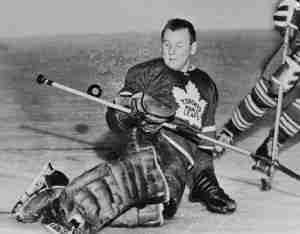
Considering that Johnny Bower spent over a decade in the minors before cracking an NHL roster at the age of 29, it is remarkable that he was able to have a Hall of Fame career. Bower debuted in the big league with the New York Rangers, but it was when he was claimed by the Toronto Maple Leafs in the Inter League Draft (whom ironically, Bower initially did not want to report too) that his career really took off.
Jack Gibson
Mar 24, 2013
Published in
1976 Hockey Inductees
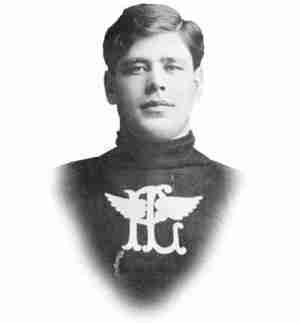
A decent Hockey player himself, Jack Gibson entered the Hockey Hall of Fame in the builders category for his early organizing ability during the infancy of organizing the game. Gibson starred, and recruited and formed a very good Portage Lake squad, but it was in Northern Michigan where his contributions to the game really came to life. Gibson was the brainchild behind the International Hockey League, which was the first professional league for the sport. Although most of the teams were in Michigan, the league had teams in Pittsburgh and Sault Ste. Marie, Ontario. The league did not last long as professional hockey emerged in Canada, and many of the top players that Gibson lured from north of the border returned home.
Bill Wirtz
Mar 24, 2013
Published in
1976 Hockey Inductees
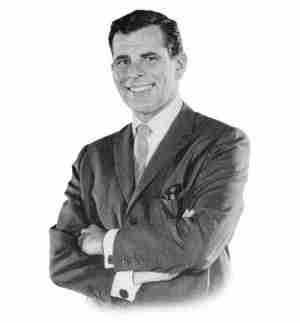
Let’s talk about the good first. Bill Wirtz took over a lot of the operations of the Chicago Blackhawks in the late 50’s and the Hawks won a Stanley Cup in 1961. He would become the team President, and though Chicago did not win another Cup that decade, they remained a competitive and stacked franchise. Wirtz also served on numerous committees including the NHL Expansion, the U.S. Olympic and helped mediate the 1972 Summit Series.