


Site Admin
31. Paul Silas
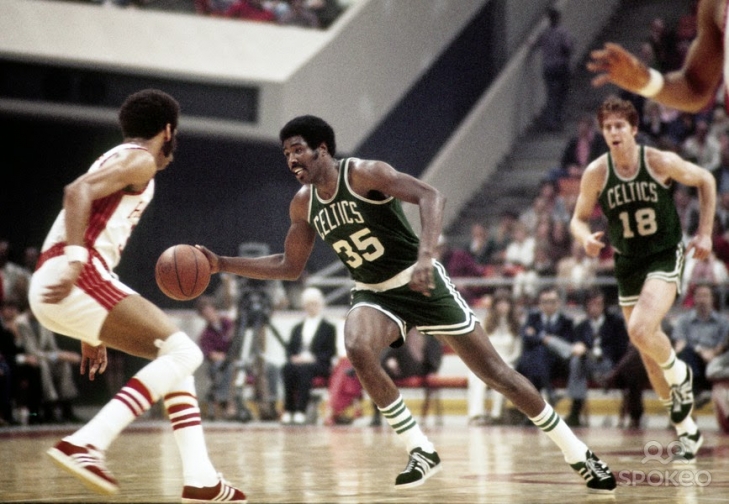
Paul Silas was with the Boston Celtics for four seasons, directly after he was chosen for his first All-Star Game with the Phoenix Suns. Silas was much happier in Boston, and every season he donned the green, he averaged a double-double, posting 11.5 Points and 12.3 Rebounds per Game as a Celtic. The Power Forward wasn't a great shooter, but his pay was based on his rebounding prowess, and Silas was damned good at it. He finished in the top 13 in Rebounds per Game every year he played in Boston, and in three seasons, he was named an All-Defensive Selection. Silas was chosen for the All-Star Game in 1975, and, most importantly, his defensive skills were a tremendous asset to Boston, helping the team win the 1974 and 1976 NBA Championships.
29. Isaiah Thomas
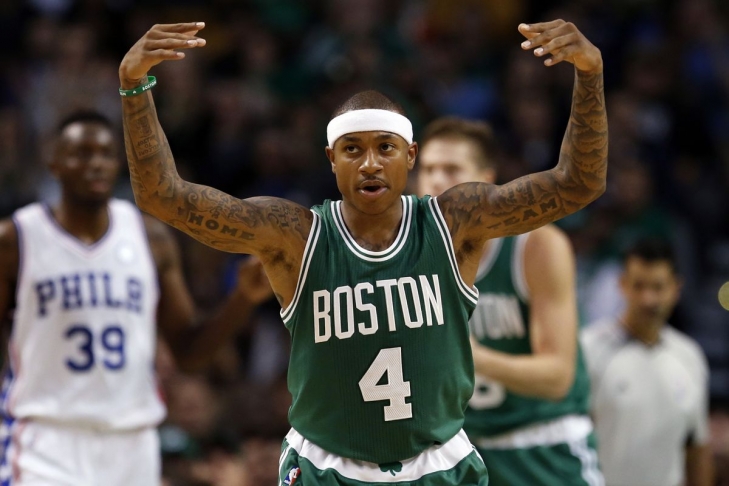
Yes, we know that Thomas's stay in Boston lasted only two years and change, but he was on fire, especially in his last year, and was the man who carried Boston further than they had any right to be at the time.
27. Danny Ainge
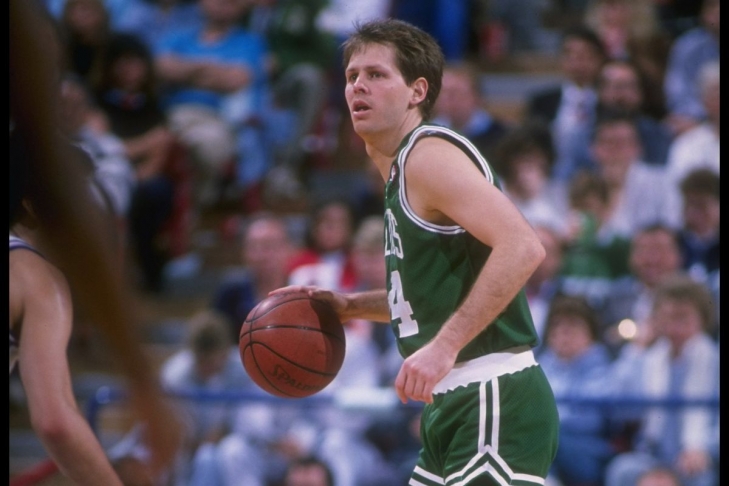
Ainge actually played for the Toronto Blue Jays before he was drafted by the Boston Celtics, who chose him 31st Overall in 1981. After a rocky start, he would find his role in professional basketball as a pesky agitator and occasional scorer. Ainge would help Boston win two titles (1984 & 1986) and was a bit of a surprise as an All-Star in 1988. The Guard averaged 11.3 Points per Game over the seven-and-a-half seasons he played for Boston.
25. Reggie Lewis
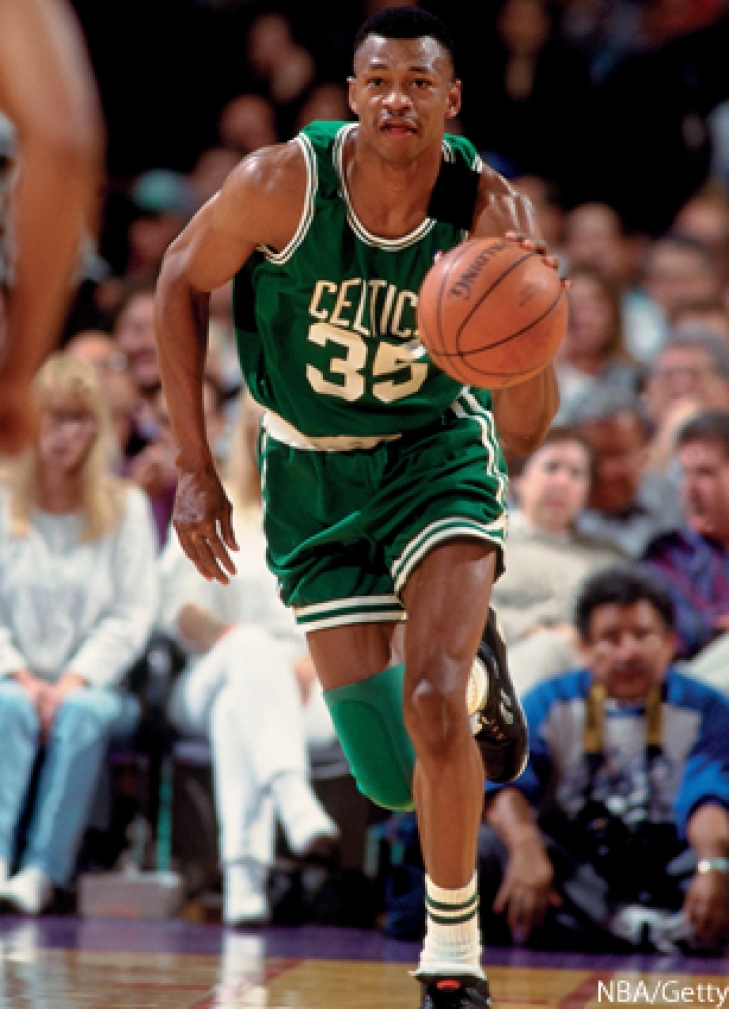
Reggie Lewis was a late-round draft pick in 1987 and the product of Northeastern University, playing less than ten minutes a game as a rookie, so it surprised some when he would blossom when gaining minutes due to Larry Bird's injury and had an 18.5 PPG season as a sophomore. Lewis would become the starting Shooting Guard, and in 1991/92 and 1992/93 he averaged just over 20 Points per Game, with the first of those seasons earning him All-Star recognition.