


Site Admin
36. Dave Stieb
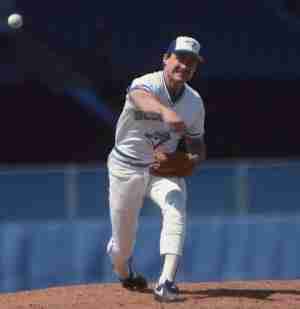
Dave Stieb may have received a World Series Ring with the Toronto Blue Jays when they won their first World Series in 1992, but the pitcher was at the tail end of his career and had little to do with the coveted trophy landing north of the border. He did, however, give Baseball fans the first legitimate reason to look there in the first place.
With only 176 career Wins in the Majors, Dave Stieb initially does not seem like a Hall of Fame candidate. What cannot be underestimated is the difficulty he had in his first five full seasons playing for a terrible Toronto team that constantly trailed the rest of the American League. Despite playing for bad Jays' squads, Stieb had a winning record and became a perennial All-Star. Three times, he would lead the league in WAR for Pitchers and would be dominant in many other sabermetric categories.
The common knock on Stieb was that his intensity was so high (he would give teammates death glares when they made mistakes) that he would occasionally unravel. Still, we love players who want to win; we know there are far too many athletes who couldn't care less.
Should Dave Stieb be in the Hall of Fame?
97. Julio Franco
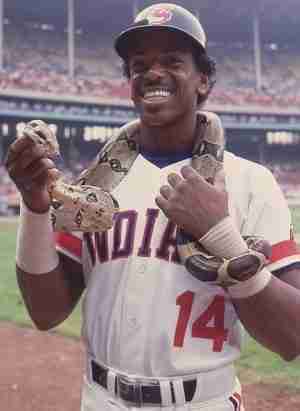
If Baseball truly is an International game, then we would like to name Julio Franco as its Global Ambassador.
The Dominican-born Franco played professional baseball until age 47 in the United States, Japan, Mexico, South Korea, and his home country. Cooperstown does not recognize accomplishments abroad, but despite playing outside the Majors for an extended period, he still amassed over 2,500 hits. Franco had a strange batting stance, but considering he batted over .300 eight times, a Batting Title, and five Silver Sluggers, it had to be considered effective.
Julio Franco may be the ultimate test of whether the Baseball Hall of Fame would reward durability over what is considered traditionally great by Baseball standards.
Should Julio Franco be in the Hall of Fame?
11. Kenny Lofton
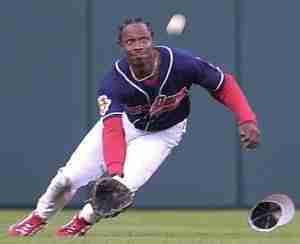
Kenny Lofton took the city of Cleveland by storm in the early 90’s and by doing so, got the baseball world to notice the Tribe again. By the decade’s end, though, power numbers took over the game, and many forgot how good he really was.
Lofton’s emergence with Cleveland saw him cement himself as the best leadoff hitter in the American League. With five straight seasons hitting at least .300 (and with a decent OBP), he was able to set the table often with his speed. Five times, Kenny would be the Stolen Base king of the AL, and he was a must-watch defensively. With his incredible speed and athleticism, Lofton was a SportsCenter highlight reel by robbing batters of Home Runs and his diving catches. As must-watch a player as Lofton was in the 90’s, he would be overshadowed by the power hitters of the last half of the decade. His 2000’s also saw him bounce from team to team, and though he wasn’t a player we would classify as a journeyman, he certainly travelled like one. These perceptions may cost Kenny Lofton dearly in his pursuit of Cooperstown.
Should KennyLofton be in the Hall of Fame?
72. Charlie Buffinton
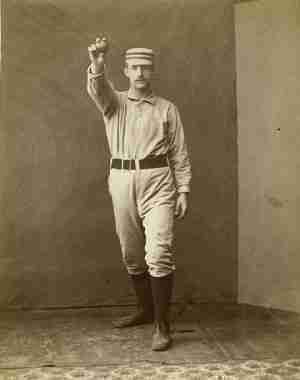
As much as we keep studying Baseball, we can’t help but be amazed by the staggering amount of innings pitched by the pre-1900 hurlers. Would they look at us with a puzzled look if we went back in time and suggested a “pitch count”?
One of those Pitchers we speak of is Charlie Buffinton, who first became a workhorse for the Boston Beaneaters. Throughout his career, Buffinton relied on a particularly effective sinkerball, fanning 1,700 batters and winning 233 games. He also finished with a career WAR of 56.1, which is another impressive career tally. Buffinton retired mid-season in 1892 at the age of 31, when he was asked to take a pay cut. Although he was having the worst season of his career (and the following season would have the mound pushed back ten feet), it is conceivable that Buffinton would have continued to add to his statistics, making him a Hall of Famer. As it stands now, he is one of many enjoying a renewed look at his career, and way back in the long line for a Veterans Committee to consider.