


Committee Chairman
200. Lefty O'Doul
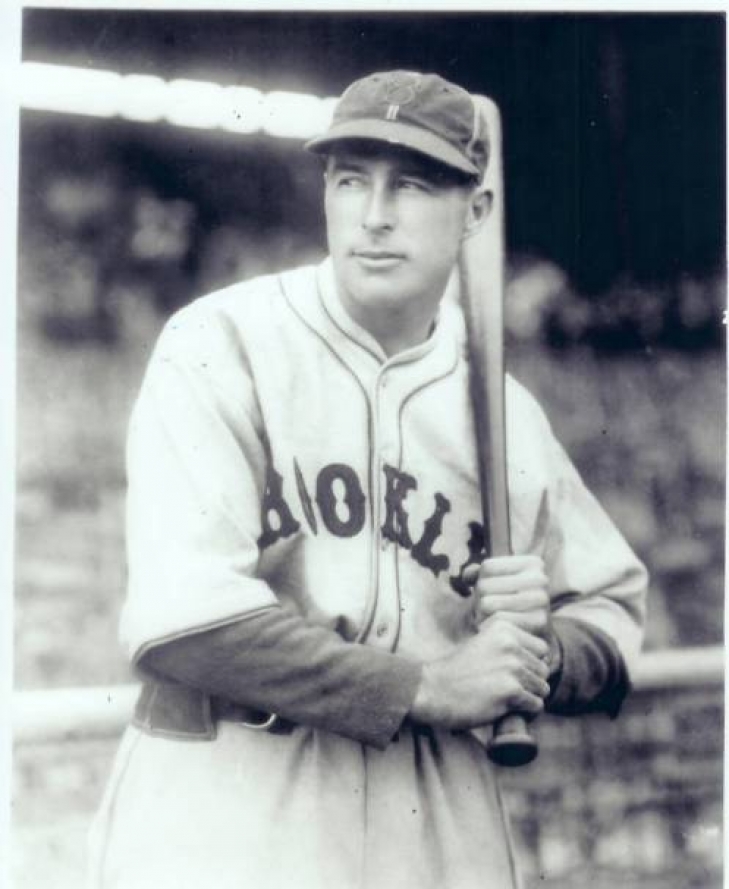
Lefty O'Doul had a unique career, in that he began as a struggling Pitcher, who eked out 32 Games over five years (1918-23) on the Major League level on the mound. These games were spent as either a New York Yankee or Boston Red Sox, but he was basically a minor league player through his 20s. O’Doul’s 30s would be very different.
After last appearing in the Majors in 1923, he re-emerged with the New York Giants in 1928 as an Outfielder. O'Doul batted .311 that year in 354 at-bats. That was decent, but he was traded to the Philadelphia Phillies, and he had what could only be described as one of the best offensive seasons by a player "seemingly out of nowhere." In 1929, O'Doul led the National League in Hits (254), Batting Average (.398), and on-base percentage (.465) while belting 32 Home Runs with 122 RBIs. O'Doul was second in MVP voting. Proving that he was not a one-year wonder, O'Doul batted .383 with 22 Home Runs in 1930.
O’Doul was then traded to Brooklyn, and he batted .336 in 1931 and won his second Batting Title (.368) in 1932. O'Doul would be an All-Star in 1933 and was traded to the New York Giants during the season. The Giants won the World Series that year, giving O'Doul a championship, a feat that must have seemed impossible in the late 1920s.
Age caught up to O’Doul, and he last played in the Majors in 1934. He has a career Slash Line of .349/.412/.532, all of which are in the top-fifty All-Time.
O'Doul would later be a goodwill baseball ambassador of sorts in Japan, and he played a large role in helping grow the game in that country.
258. Ken Singleton
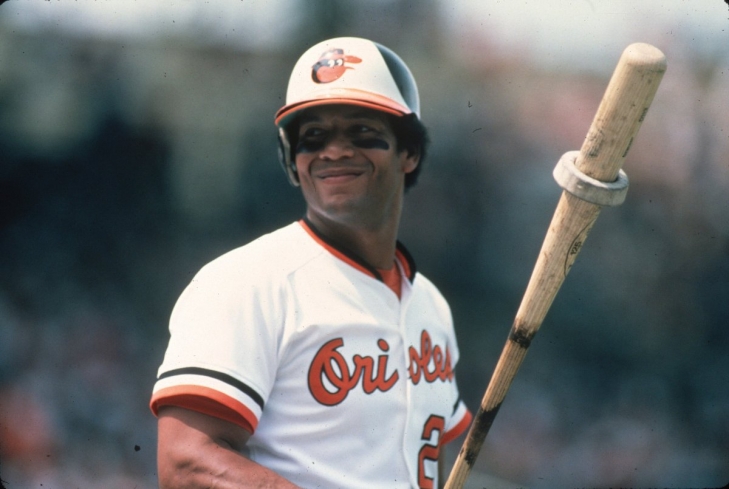
Ken Singleton began his career with the New York Mets in 1970, where he was a backup, but there was something special there. The Montreal Expos saw it, as they traded their most popular player, Rusty Staub, for him.
259. Jon Matlack
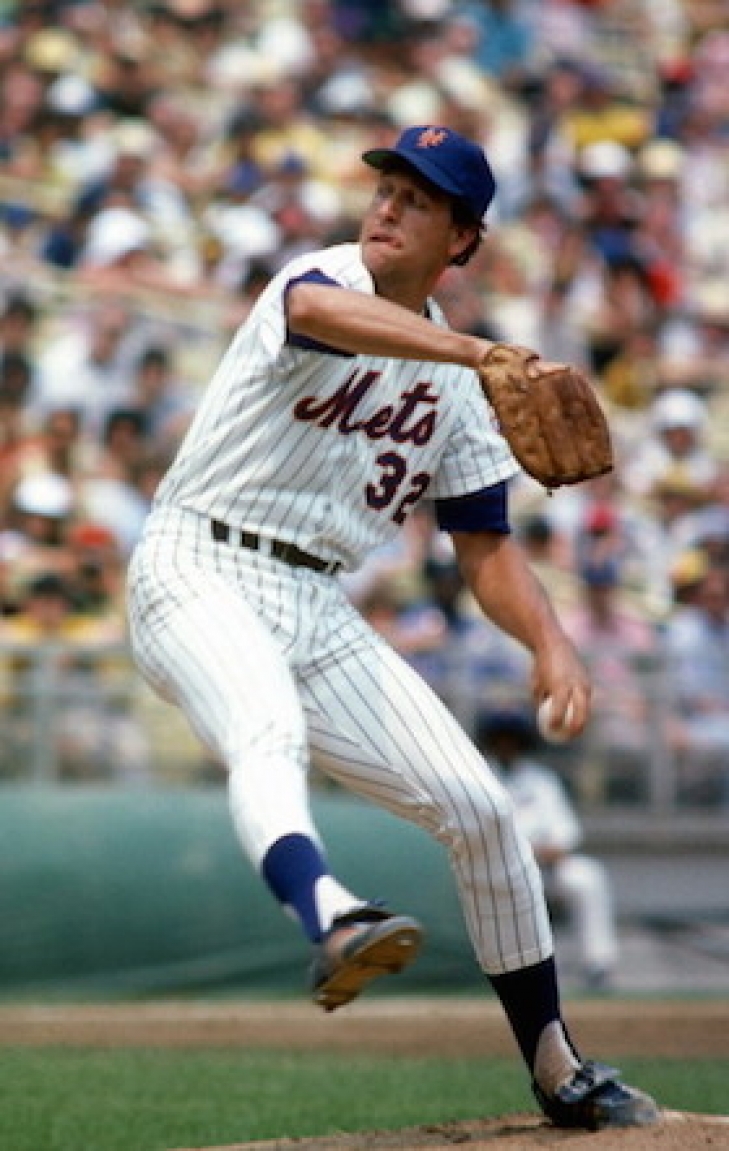
Jon Matlack debuted for the New York Mets two years after their “Miracle Season” of 1969, but the southpaw found a home as part of a powerful Mets rotation of the 1970s.
233. Will White
We are going to need a history lesson to start this one.
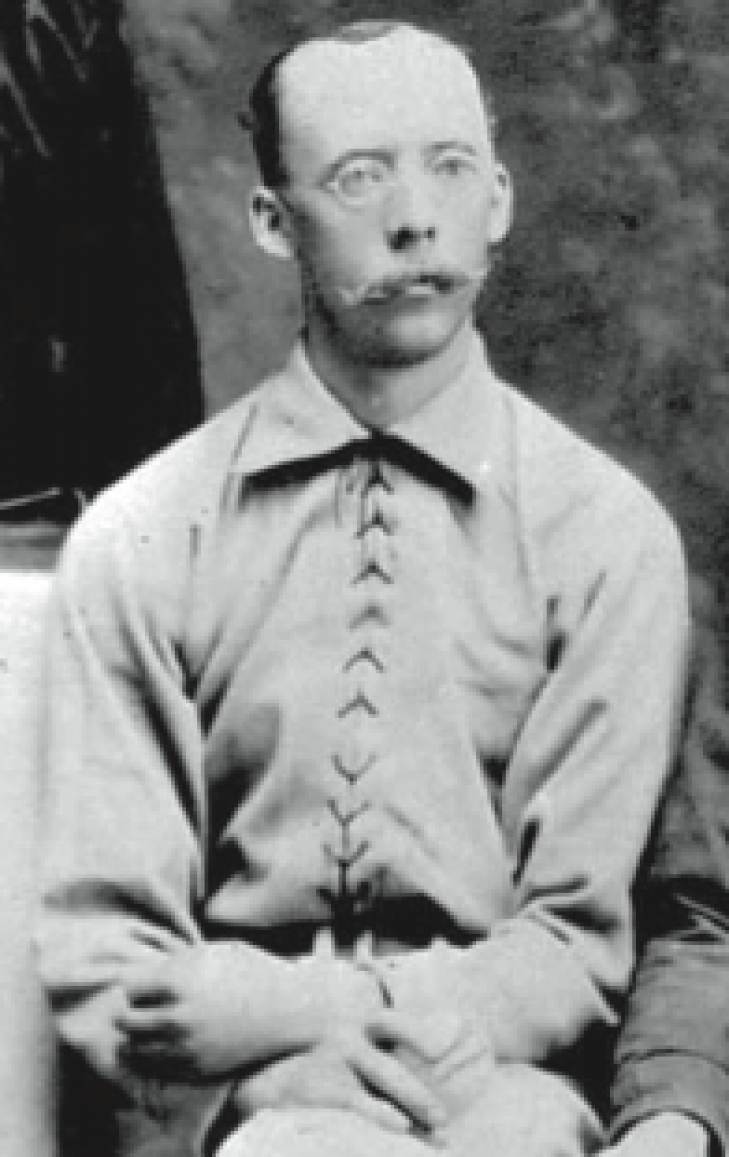
Will White was a member of the original Cincinnati Reds in the National League and played there for three seasons before the team was expelled from the NL after its owner refused to stop selling beer. White would sign with the Detroit Wolverines for a year but returned to Cincinnati when they got a team in the American Association in 1881 (Cincinnati Red Stockings). That team evolved into the Reds, and the original Reds are not part of the canon that is recognized by Major League Baseball, which is pretty interesting; well, we think so!
Got it?
Let’s move on!
As one of the first bespectacled players of note, White would promptly lead the AA in Wins in his first two seasons as a Red Stocking, which was also complemented by an ERA Title. White’s arm gave out in 1886, but he left with a nice record of 229-166, and as of this writing, he is in the top twenty all-time in ERA (2.28) and BB/9 (1.260).