

The College Baseball Hall of Fame names its 2026 Class

The College Baseball Hall of Fame named 21 new members to its Hall of Fame, which consists of players, coaches, and builders.
This will be the 18th Class, and the ceremony will take place on February 12, 2026.
The 2026 Class is:
Players:
Gene Ammann, Pitcher, Florida State, 1968-70
Kris Benson, Pitcher, Clemson, 1994-96
Kip Bouknight, Pitcher, South Carolina, 1998-2001
Hubie Brooks, Shortstop, Mesa College/Arizona State 1976-78
Gene Hooks, Third Base, Wake Forest, 1947-50
Mike Loynd, Pitcher, Florisa State, 1984-86
Mark McGwire, First Base/Pitcher, USC, 1982-84
Phil Nevin, Third Base, Cal State Fullerton, 1990-92
David Price, Pitcher, Vanderbilt, 2005-07
Earl Sanders, Pitcher/Outfield, Jackson State, 1984-86
Mike Stenhouse, Outfield, San Diego State, 2007-09
Joe Thomas, Pitcher/First Base, Marietta College, 1994-97
Coaches:
Norm DeBriyn, Arkansas, 1970-2002
Clint Evans, California, 1930-54
Ray Fisher, Michigan, 1921-59
Les Murakami, Hawaii, 1968-97
Ray Tanner, North Carolina State, 1988-96 & South Carolina, 1997-2012
Jerry Weinstein, Sacramento City College, 1975-98
Administrators/Builders/Umpires:
Scott Boras, Agent, Pacific, 1972-76
Paul Guillie, Umpire, 1990-2014, Coordinator of Baseball Umpires, 2014-current.
We here at Notinhalloffame would like to congratulate the impending members of the College Baseball Hall of Fame.
40. Hubie Brooks
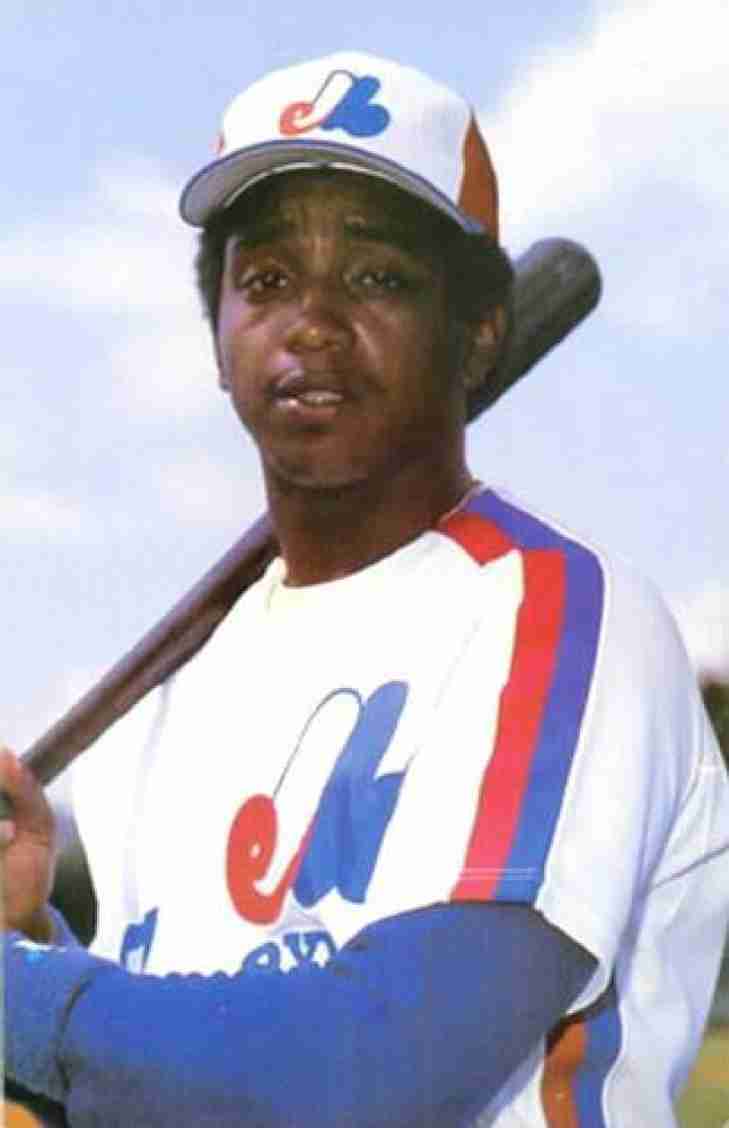
When the Montreal Expos traded franchise icon Gary Carter to the New York Mets in December 1984, it caused a significant public relations setback. To soothe an angry fan base, new players had to make an immediate impact. Although no player could replace "The Kid," Hubie Brooks arrived in Quebec and quickly became the offensive catalyst for the post-Carter era. Originally a natural third baseman with the Mets, Brooks generously moved to shortstop in Montreal, developing into one of the top middle infielders for producing runs in the league.
His debut before the Stade Olympique crowd showcased exceptional offensive versatility. Brooks dominated National League pitchers in his first 1985 season, hitting .269 with 34 doubles, 13 home runs, and a career-best 100 RBIs. His clutch performance at the plate earned him his first Silver Slugger Award, demonstrating his ability to perform under the pressure of stepping into a legendary player's role in the middle of the lineup.
He maintained his elite offensive gear through that summer. In 1986, Brooks elevated his performance, hitting a career-high .340 with 14 home runs and 58 RBIs in just 80 games before a torn thumb ligament ended his season early. Despite the injury, his outstanding performance earned him his first All-Star selection and a second Silver Slugger Award in a row. Recovered and healthy in 1987, he made another All-Star appearance and drove in 72 runs, helping Montreal stay competitive in the exciting NL East race.
As years went by, playing shortstop on Montreal's tough turf took a toll, leading him to move to right field and third base. His defensive range was often limited and criticized, but his consistent, respected bat remained strong. After 1989, as the Expos focused on youth, Brooks left in free agency to rejoin the Mets, leaving a legacy of powerful middle-infield performance.
As an Expo, Brooks compiled 689 hits, 128 doubles, 75 home runs, and 390 RBIs. While generating a solid .272/.314/.418 slash line.
