


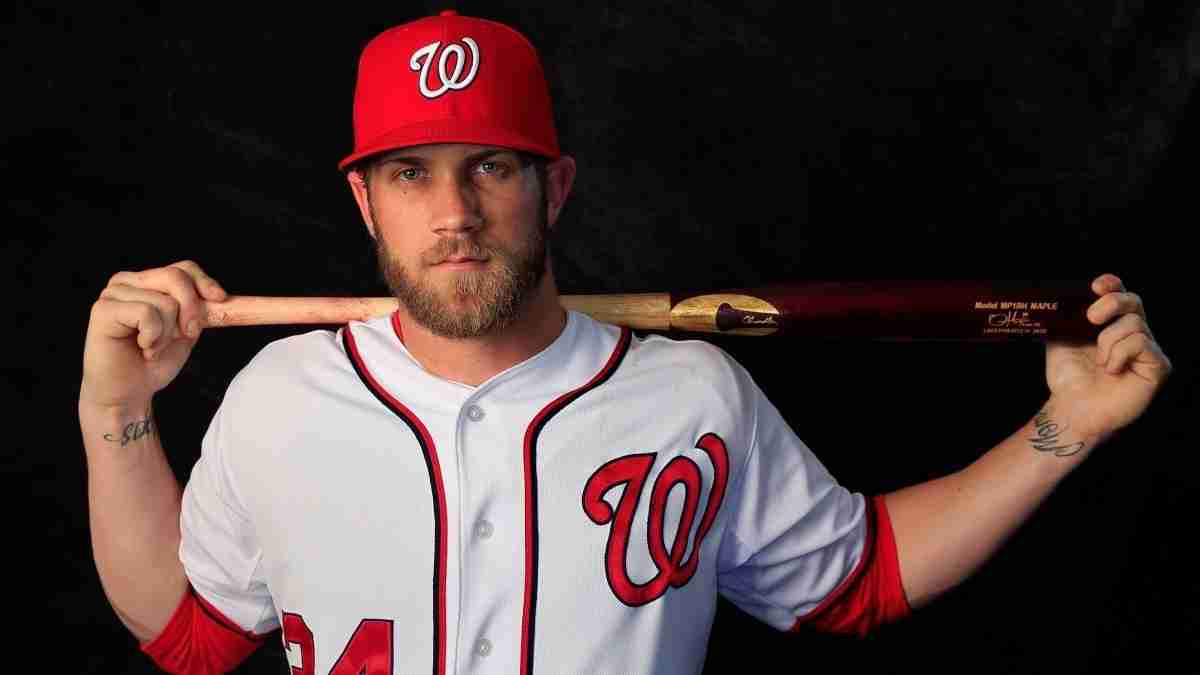


Few players in baseball history have ever shouldered the burden of expectation placed on Bryce Harper. At 16, appearing on the cover of Sports Illustrated as a prodigy, he was hailed as the "Chosen One" long before the Washington Nationals selected him with the first overall pick in the 2010 amateur draft. When he finally made his highly anticipated big-league debut in April 2012 at just 19, Harper didn’t just meet the immense hype—he weaponized a fierce, theatrical style of play that instantly electrified the nation's capital.
His 2012 arrival was an exceptional display of youthful vigor, characterized by assertive baserunning, diving catches, and a powerful, left-handed swing that produced 22 home runs, 98 runs scored, and an .817 OPS. His vigorous performance garnered him the National League Rookie of the Year Award and a position in the All-Star Game, playing a pivotal role in the franchise's evolution into a division champion and a consistent contender.
Harper was a notable box-office attraction in his own right, exhibiting a rare and charismatic star power that consistently drew spectators to Nationals Park. He was chosen to participate in the All-Star Game six times during his seven seasons in D.C., performing with a composed intensity and distinctive hair flips that established him as the most dynamic and esteemed icon of his generation.
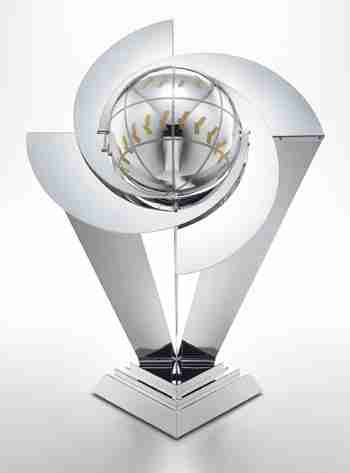
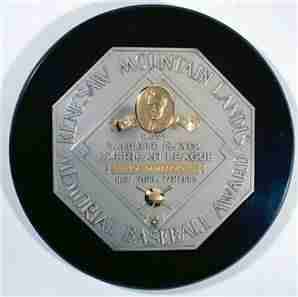
Harper's remarkable talent culminated in a historic 2015 season, marked as one of the most dominant offensive performances in modern baseball. At only 22, he overwhelmed NL Pitching, winning the MVP unanimously after leading in home runs (42), runs (118), on-base percentage (.460), and slugging(.649). His 1.109 OPS and 198 OPS+, combined with a stellar 10.0 bWAR, topped MLB, making him the first MVP winner in Expos/Nationals franchise history.
Following that historic peak, the subsequent seasons were a thrilling, high-energy mix of prolific production and physical injuries. In 2016, opposing teams often chose not to pitch to him, intentionally walking him a record-tying 108 times—including six walks in a single game against the Cubs—causing his batting average to fall to .243 despite his hitting 24 home runs. He made a remarkable, MVP-level comeback in 2017, batting.319 with 29 home runs by August, but a dangerous slip on a wet first base resulted in a serious knee hyperextension, sidelining him for over a month.
Healthy again for his final season in Washington in 2018, Harper put on a show for the local fans. He won the Home Run Derby at Nationals Park in dramatic fashion and anchored the lineup by blasting 34 home runs and driving in a career-high 100 RBIs, while leading the major leagues with 130 walks to post an elite .393 on-base percentage.
After that campaign, Harper became the most sought-after free agent in years, transforming his impressive tenure with Washington into a landmark 13-year, $330 million deal with division rivals the Philadelphia Phillies. Although his departure disappointed fans who saw the Nationals win a World Series the following fall without him, his key contributions remain undeniable.
Harper appeared in 927 games for the Nats, accumulating 922 hits, 184 home runs, 521 RBIs, and 75 stolen bases while generating a stellar .279/.388/.512 slash line (139 OPS+).
Was he one of the best players in Nationals history?
Clown question, bro.



Comments powered by CComment