


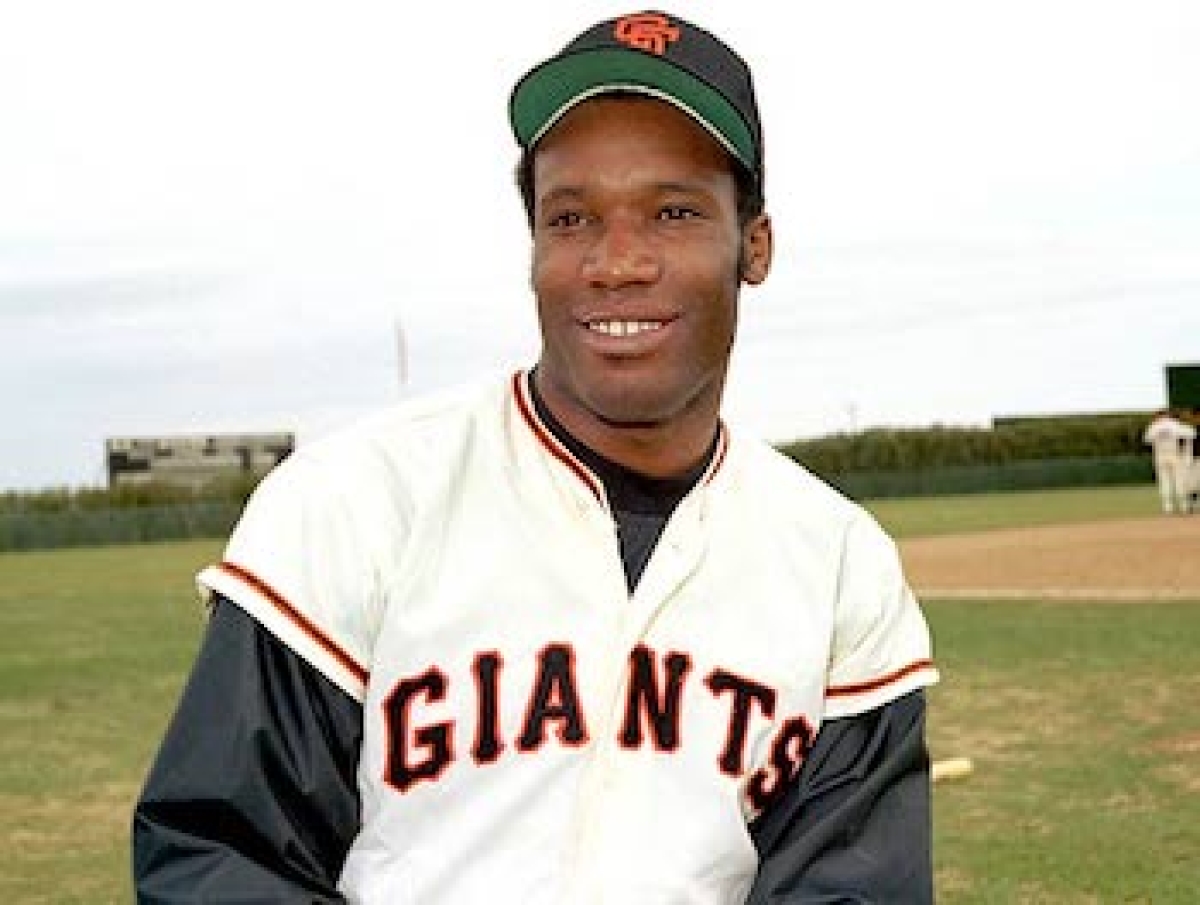





Long before sports used complex algorithms to track muscle movements and high-speed wheels, a pioneering right fielder emerged in Northern California, redefining the potential of a leadoff hitter. Signed by the San Francisco Giants from Southern California in 1964, Bobby Bonds didn’t simply wait to succeed his legendary teammate and mentor, Willie Mays. Debuting in June 1968—immediately making an impact with a historic grand slam in his first game—he took control of the top of the batting order, building an impressive seven-season peak that set the standard for the modern game.
Becoming a full-time regular in 1969 truly broke the mold of traditional, low-impact leadoff roles. Bonds made setting the table and clearing it look effortless, turning it into a consistent daily habit. He smashed 32 home runs and swiped 45 bases while pacing the National League with 120 runs scored. With that performance, he became just the fourth member in major-league history to join the exclusive 30-30 club.
He established the 30-30 milestone as a personal benchmark, achieving this feat an impressive five times throughout his career. Notably, in the 1973 regular season, he narrowly missed surpassing this milestone with a remarkable performance, hitting a career-high 39 home runs and stealing 43 bases. That particular season represents the pinnacle of his individual achievements within his regional tenure. Bonds decisively outperformed opposing National League teams, leading the Major Leagues with 131 runs scored and 341 total bases, and finishing in a close third place in the National League Most Valuable Player (MVP) voting.
Beyond his standard offensive damage, it was his elite instinct and high-velocity range on the grass that solidified his comprehensive value anchor. He combined a powerful arm with spectacular closing speed, capturing three National League Gold Glove Awards (1971, 1973, 1974) to prove he was a complete, two-way superstar.
However, Bonds was a highly aggressive pull-hitter whose advanced efficiency filters were frequently hindered by his historic strikeout volume; he led the senior circuit in strikeouts four times during his stay in San Francisco, setting a major-league record with 189 punchouts in 1970 that stood for over three decades. Furthermore, the front office grew increasingly anxious regarding long-term fiscal commitments amidst an organizational transition, triggering a sudden, highly shocking business exit.
In a November 1974 trade that stunned local fans, management initiated a definitive business departure by trading their 28-year-old superstar to the New York Yankees in a straight superstar swap for Bobby Murcer.
Bonds, who would later be the second player after teammate Willie Mays to reach 300 Home Runs and 300 Stolen Bases, was traded to the Yankees in 1974. During his time with the Giants, he accumulated 1,106 Hits, 186 Home Runs, and 263 Stolen Bases. In 2008, Bonds was part of San Francisco's first Wall of Fame Class.

Comments powered by CComment