


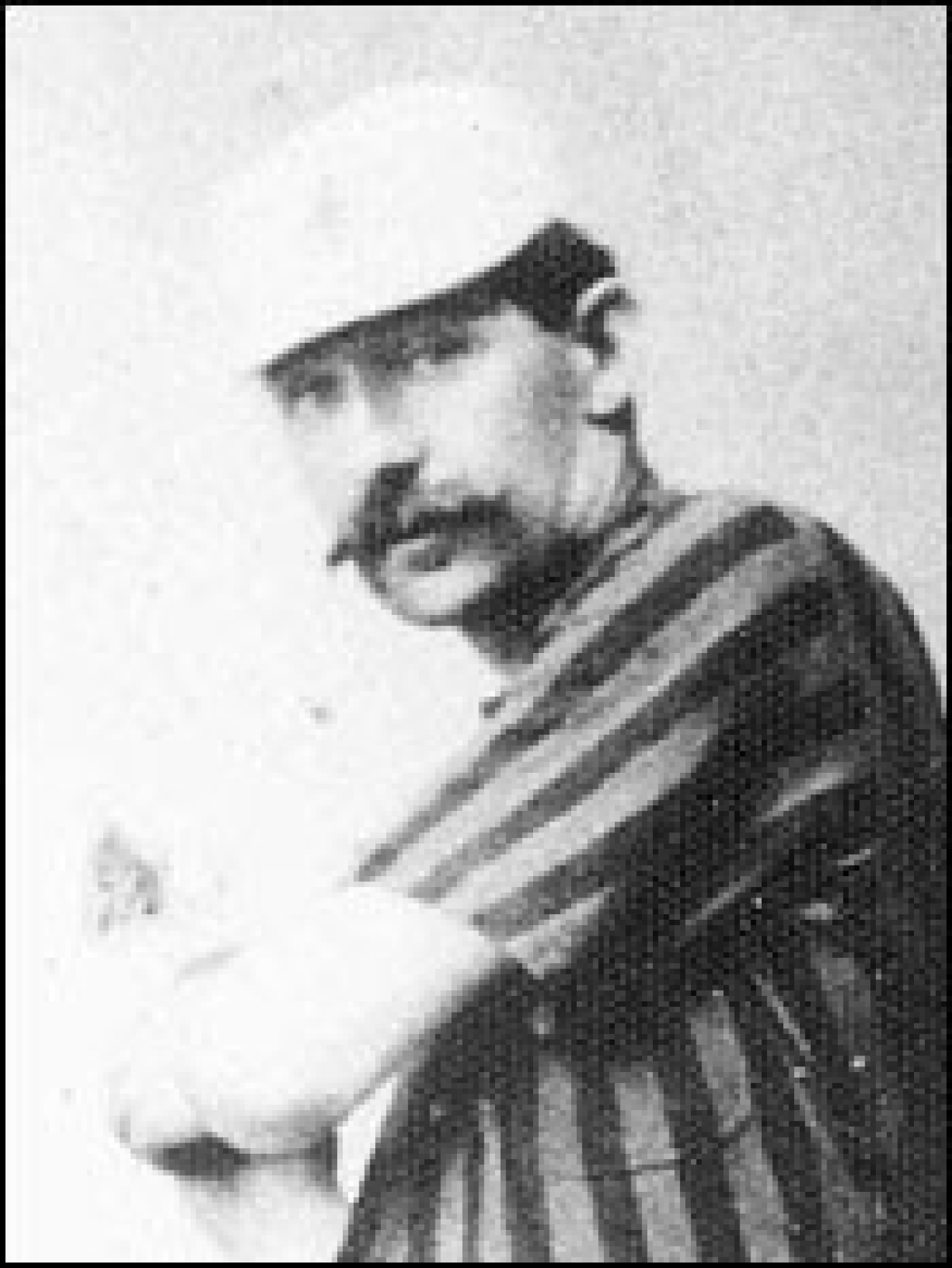

The development of professional pitching in the late 19th century was primarily shaped by significant rulebook changes. Only a select few pitchers had the intellectual flexibility to excel across different eras. Timothy John Keefe not only thrived during this experimental period but also led as the foremost, scientifically-minded pitcher of his time. He started his major league career throwing from 45 feet and finished from the current standard of 60 feet, 6 inches, adapting to every rule change. After a successful stint with the Troy Trojans and later with the New York Metropolitans, Keefe permanently joined the New York Giants in 1885. His multi-era career cemented his reputation as a benchmark of Gilded Age baseball.
His introductory summer of 1885 with the Giants was truly impressive, showcasing his incredible skill at quickly shutting down opponents. Keefe delivered an outstanding performance against National League lineups, expertly using a tricky change of pace and a powerful drop-ball to achieve an impressive 32–13 record. His advanced efficiency metrics were unmatched; he earned the National League ERA title with a remarkable 1.58 and allowed just 6.8 hits per nine innings, leading the league with such low numbers.
He sustained that frontline dominance directly into the 1886 calendar, establishing a grueling routine of high-volume durability. Keefe hoisted the pitching staff onto his back to throw 543 innings, racking up an incredible, league-leading 42 victories against just 20 defeats.
The physical and psychological hardships of the era generated a profoundly concerning emotional obstacle during the 1887 campaign. Recognized as a highly sensitive and conscientious competitor who feared causing physical injury to the batter, Keefe unintentionally struck a batter directly in the head with a high-velocity pitch. This traumatic event precipitated a severe nervous breakdown, necessitating his withdrawal for several weeks and admission to a sanitarium over the winter period to recover his mental stability. Nonetheless, exemplifying the legendary resilience that characterized his entire career, he nonetheless succeeded in completing the summer with an impressive 35–19 win-loss record, leading the league with a tight 1.114 WHIP and allowing an average of 8.1 hits per nine innings.
After overcoming his psychological barriers, Keefe delivered the most outstanding single-season pitching performance in franchise history in 1888. He dominated National League hitters, finishing with a 35–12 record and winning the prestigious pitching Triple Crown. He led the league in wins (35), ERA (1.74), and strikeouts (335). His advanced statistics were unparalleled, including a 1.90 FIP, a 0.937 WHIP, and 5.6 strikeouts per nine innings, which topped all pitchers. During that remarkable summer, he set an enduring major-league record by winning 19 consecutive games—a feat of sustained excellence that remains unbroken. He concluded the season by helping the Giants secure their first world championship, winning four games in the pre-modern World Series against the St. Louis Browns.
Keefe stayed a key player in 1889 with a 28–13 record and 3.36 ERA, helping New York win its second straight world title over Brooklyn. However, as a strong labor rights advocate, he was frustrated by restrictive policies and the unfair reserve clause.
Before the 1890 season, Keefe was a founding member of the Players' League, a new player-owned league, and played for the New York Giants within that circuit. When the league collapsed after just one summer, he returned to the National League Giants in 1891, where he faced a hostile environment. Resentful of his union leadership, management made him feel unwelcome, and his performance declined, leading to a poor 2–5 start. This prompted his sudden release that summer. He finished his career with a short stint at the Philadelphia Phillies before retiring in 1893.
Keefe had a record of 174-82 with a 2.54 ERA with the Giants and entered the Baseball Hall of Fame in 1964 as a Veterans Committee Selection.

Comments powered by CComment