


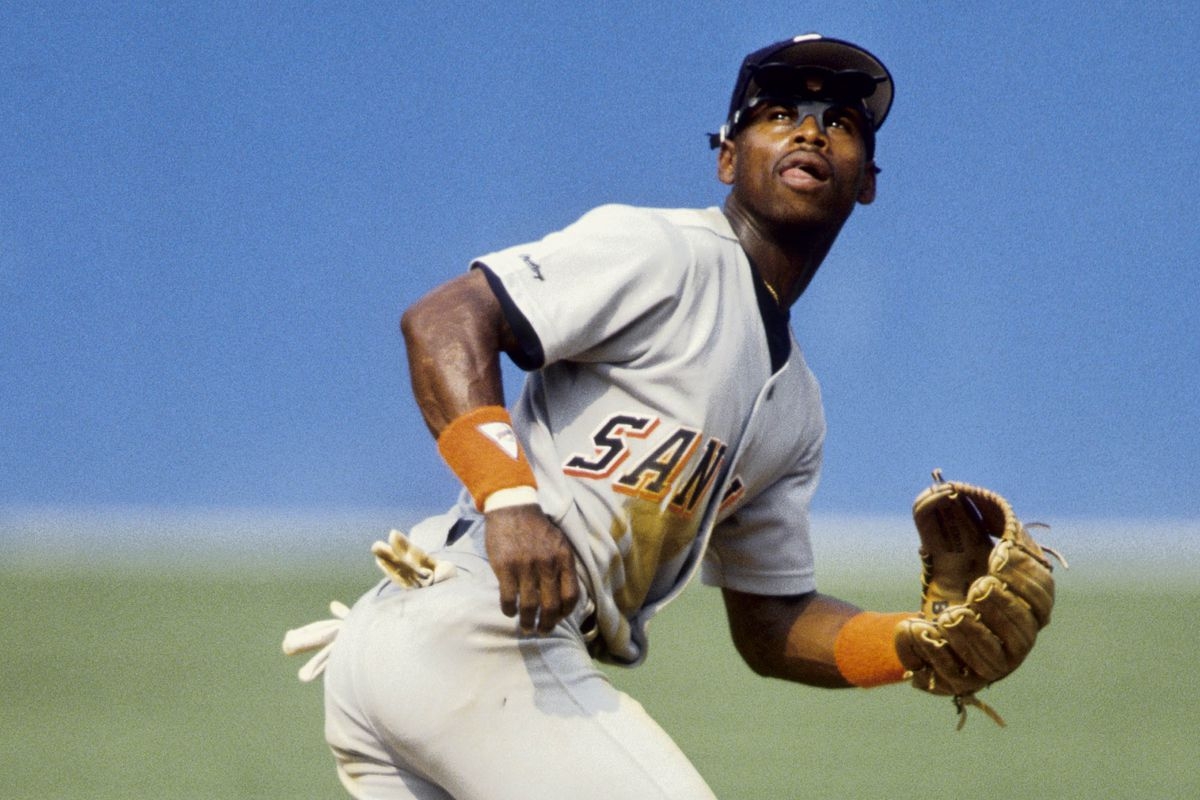

Plucked away from the Pittsburgh Pirates organization as a dynamic Rule 5 draft choice in December 1985, Bip Roberts was instantly subjected to the rigid roster restrictions of the big leagues. Because the front office had to carry him on the major-league bench for the entirety of the 1986 campaign to avoid losing his rights, his initial phase in Southern California was a lesson in pure professional patience, spent operating almost exclusively as a high-velocity pinch runner, situational pinch hitter, and late-game defensive replacement before returning to the minors for two years of essential seasoning.
Once he permanently claimed an everyday role, however, the diminutive switch-hitter universally celebrated as “Bip” transformed the entire operational ceiling of the lineup. He didn't rely on over-the-fence power; instead, Roberts turned tracking pitches, slapping line drives, and orchestrating pure panic on the basepaths into a strict daily routine.
His true breakthrough erupted during the 1989 campaign, where he smooth-talked National League pitchers to log a brilliant .301 batting average across 117 highly productive games.
The peak of his hardware-certified legacy was reached during a stunning 1990 regular season. Roberts delivered an exceptional display of top-of-the-order hitting. That summer, he achieved an impressive 172 hits, 36 doubles, and a career-high 104 runs scored. He maintained a solid .309 batting average and stole 46 bases, finishing in the top ten in the National League batting race and earning his team's local Most Valuable Player award.
After a noticeable performance decline in 1991 caused by persistent physical issues, the front office made a dramatic move in December by trading their versatile player to the Cincinnati Reds in a high-profile deal for top closer Randy Myers. Although Myers gained national recognition in Ohio, ending 1992 with an All-Star appearance and finishing in the top ten MVP voting, his strong emotional connection to Southern California remained deeply rooted.
He orchestrated a highly celebrated, nostalgic homecoming by signing back with San Diego as a free agent ahead of the strike-shortened 1994 calendar.
Roberts quickly regained his elite contact form under the sun, extending his impressive 24-game hitting streak—the best in Major League history—and achieving a strong .320 batting average before the season was cut short. He carried that same steady performance into 1995, batting .304 and stealing 20 bases in only 73 games.
Yet, because the Padres were rapidly approaching a total payroll restructuring under general manager Kevin Towers, a second definitive business departure materialized that December. The organization executed a winter trade, shipping their popular veteran catalyst to the Kansas City Royals in exchange for first baseman Wally Joyner.
Over his 667 total games representing San Diego across two separate stints, he accumulated exactly 673 hits, 98 doubles, 21 triples, and 148 stolen bases, completely validated by an exceptional .298 career batting average and a sterling .361 on-base percentage.

Comments powered by CComment