


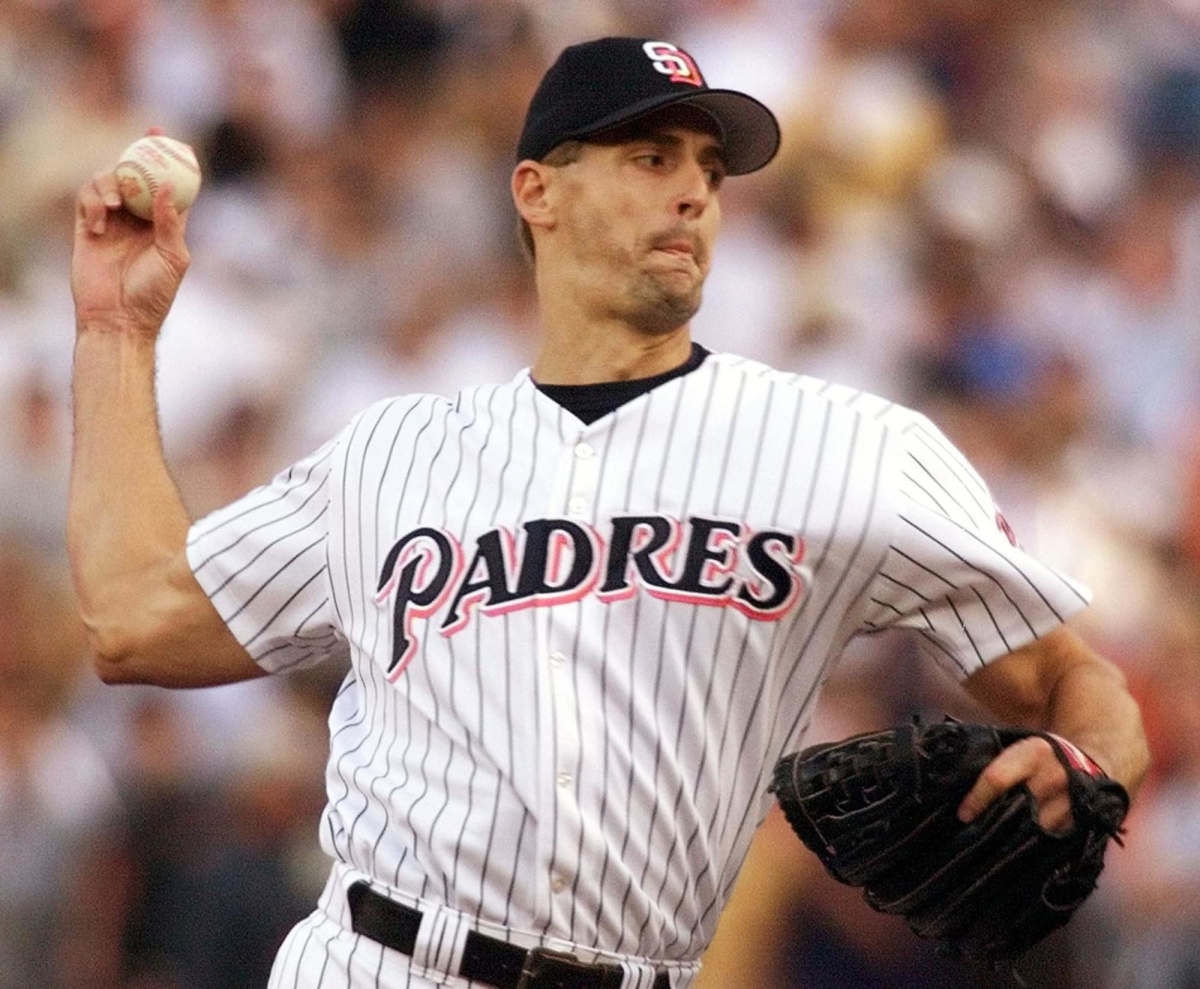




When building an objective, data-driven framework to evaluate a historical ledger, you inevitably encounter the ultimate philosophical puzzle: how do you weigh a single, volcanic season of absolute transcendence against decades of steady, standard compilation? For a franchise that has handed the ball to iconic multi-year Cy Young winners like Gaylord Perry, Jake Peavy, and Blake Snell, the concept of elevating a one-year mercenary above them feels almost sacrilegious.
Kevin Brown did not just have a good year down in Southern California; his lone summer on the grass represents the most ruthlessly dominant, high-leverage single-season pitching masterpiece in the history of the organization—and it isn't particularly close.
The scenario was driven by straightforward small-market economics. After winning the 1997 world title, the Florida Marlins conducted a major corporate fire sale, trading their formidable ace to San Diego in December. Like in Miami, Brown quickly changed the dynamics of his new rotation. Instead of relying on subtlety, he showcased a relentless display of raw power with a high-velocity 96 mph sinking fastball and a deadly slider, which often forced veteran hitters to hit ground balls into the infield dirt.
His 1998 regular-season performance showcased exceptional durability on the front line, breaking local records. Brown made consuming deep, high-stakes frames a disciplined routine, starting 35 games and finishing with an impressive 18–7 record. He systematically dominated National League lineups, leading the league with an outstanding 2.23 FIP, and set a franchise record with 257 strikeouts in 257.0 innings. Advanced analytics strongly confirm his efficiency, as he topped all Major League pitchers with an 8.6 pitching bWAR (9.1 including batting), a benchmark that remains the standard for any season in San Diego history.
While traditional BBWAA voters overlooked his difficult clubhouse demeanor, placing him third in the Cy Young voting behind Tom Glavine and Trevor Hoffman, other baseball circles recognized his excellence. The Sporting News honored him by naming Brown its Major League Pitcher of the Year.
More significantly, his fierce competitive drive was the key force behind the underdogs reaching the 1998 pennant. He delivered an outstanding performance in his first two postseason series, including an iconic 11-strikeout complete-game shutout against the strong Houston Astros in the NLDS, and then dominated the Atlanta Braves in the NLCS. However, his final performance lacked that elite consistency; he showed signs of physical exhaustion in the World Series, where the formidable New York Yankees ultimately defeated him as they swept to the championship.
Brown orchestrated a definitive, earth-shaking departure by signing a historic seven-year, $105 million contract with the regional rival Los Angeles Dodgers—becoming the first player in professional sports history to cross the elusive $100 million threshold.

Comments powered by CComment