


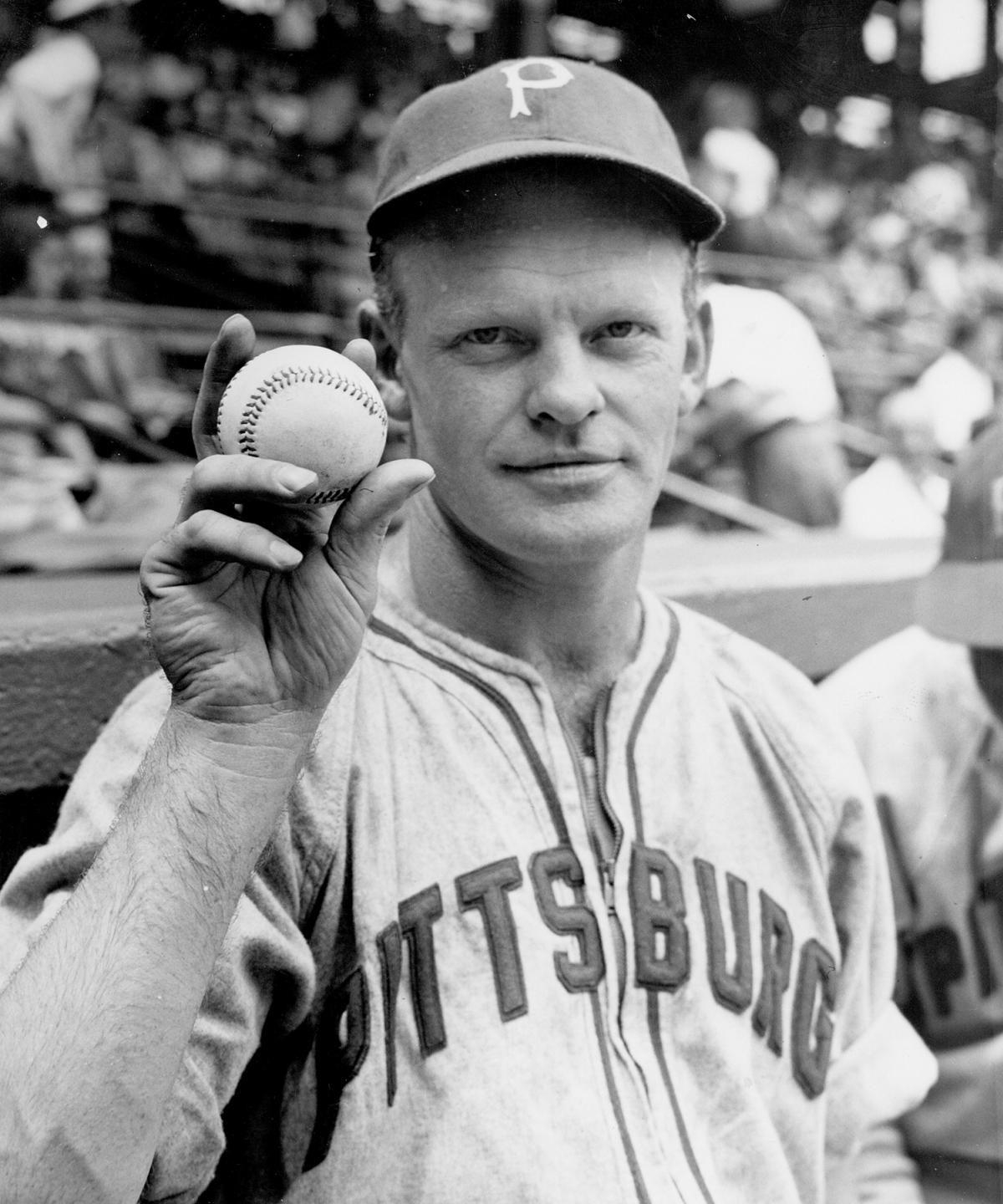



The history of baseball features many pitchers known for their overwhelming velocity, yet Truett"Rip" Sewell crafted an enduring legacy by defying physics. After a brief, five-game stint with Detroit in 1932, primarily remembered for a locker-room altercation with Hank Greenberg, Sewell spent years in the minors. By 1938, when he finally joined the Pirates, he was 31 and recovering from a serious, nearly fatal hunting accident that permanently damaged his feet. Facing physical limitations, the resourceful right-hander relied on cleverness, precise spatial control, and a unique pitching style that revolutionized the game: the "Eephus."
His breakthrough into the regular starting rotation happened during the 1940 season, but it was his use of the bloop pitch that made him famous nationwide. Gripping the baseball seams with his fingertips, Sewell would toss a high-velocity arc that sent the ball soaring 25 feet into the air, leaving hitters, who were expecting fast pitches, completely frozen.
Far from a mere gimmick, the Eephus was a highly sophisticated weapon of timing disruption, helping him turn run prevention into an absolute regular-season routine. Sewell rattled off a spectacular run of longevity, earning four consecutive All-Star selections from 1943 through 1946.
His peak performance during World War II marked the pinnacle of his individual dominance and powerful execution. In the 1943 pennant race, Sewell delivered an exceptional display, leading the National League with a career-high 21 wins, 25 complete games, and a remarkable 2.54 ERA. He repeated this impressive 21-win season the following summer, pitching an exhausting 285.2 innings. Although some critics argue that his best years came against weakened wartime teams, judging his skills unfairly ignores his true ability; Sewell consistently outperformed the competition in front of him.
His reputation as a big-game player was famously established during the 1946 All-Star Game, when Ted Williams became the only player to hit a home run off the Eephus pitch, a memorable, high-pressure moment Sewell took pride in, later mentioning that Williams had to almost run out of the batter's box to produce enough lower-body power to clear the fence.
Sewell remained an unshakeable pillar of the staff until his final walk off the diamond at the conclusion of the 1949 schedule, spending 12 summers serving as the undisputed heartbeat of the pitching staff. He left the Pirates possessing a magnificent, highly efficient localized baseline: a 143–97 record, a respectable 3.43 ERA, 148 complete games, and 23 shutouts across 390 appearances.

Comments powered by CComment