

44. Willie Jones
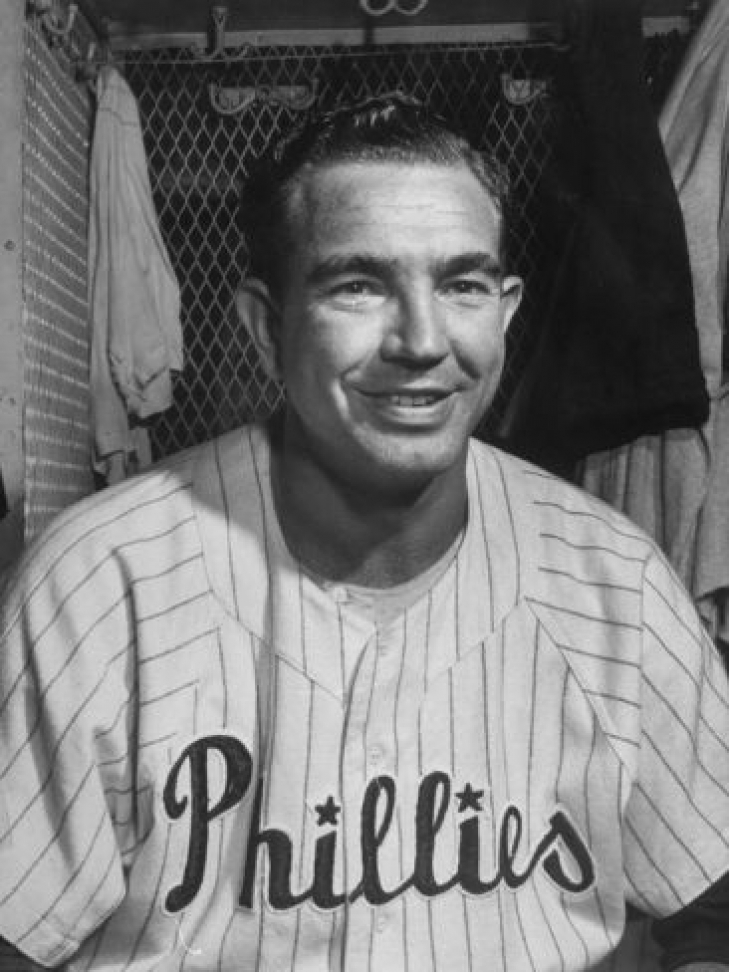
Long before Mike Schmidt set the benchmark for third basemen in the Delaware Valley, Willie Jones was busy creating the initial model of local excellence at the position. As a key member of the famous 1950 "Whiz Kids," this robust South Carolina native anchored the hot corner during a golden age of baseball. Jones combined powerful hitting with excellent defensive skills, providing the franchise with much-needed stability and solidifying his reputation as the top National League third baseman of his time.
His ten-year tenure with the Phillies from 1947 to mid-1959 showcased remarkable durability. Jones not only amassed impressive statistics but also integrated consistent performance into the team's fabric. He achieved a commendable 1,502 hits with Philadelphia and stood out as a powerful hitter during an era when third basemen infrequently displayed such high-velocity power.
His peak regular-season performance and rising national recognition culminated in 1950 and 1951, when he was chosen for the National League All-Star team in two consecutive years.
During the 1950 pennant race, Jones delivered an outstanding offensive performance that helped the young team win the National League championship. He hit a career-high 25 home runs, drove in 88 runs, scored 100 runs, and made 163 hits, leading the Senior Circuit in games played. He also started that memorable summer with a remarkable 16-game hitting streak—a franchise record that remained unbroken for 73 seasons. In 1951, he continued his strong form, posting a career-best .285 batting average and hitting 22 home runs.
Evaluating Jones solely based on his 180 home runs misses his true significance in club history. He was a defensive powerhouse at third base, consistently leading in fielding percentage six times and in putouts for seven straight years. Although some modern metrics suggest limited lateral mobility, his low-variance, mistake-free style effectively supported his pitching staff, demonstrating his flawless positioning and glove work.
By June 1959, when traded to Cleveland, he left a notable legacy with 753 RBIs and six grand slams, second only to Schmidt and Ryan Howard on the club's all-time list. Jones entered the Philadelphia Baseball Wall of Fame in 1994.
