


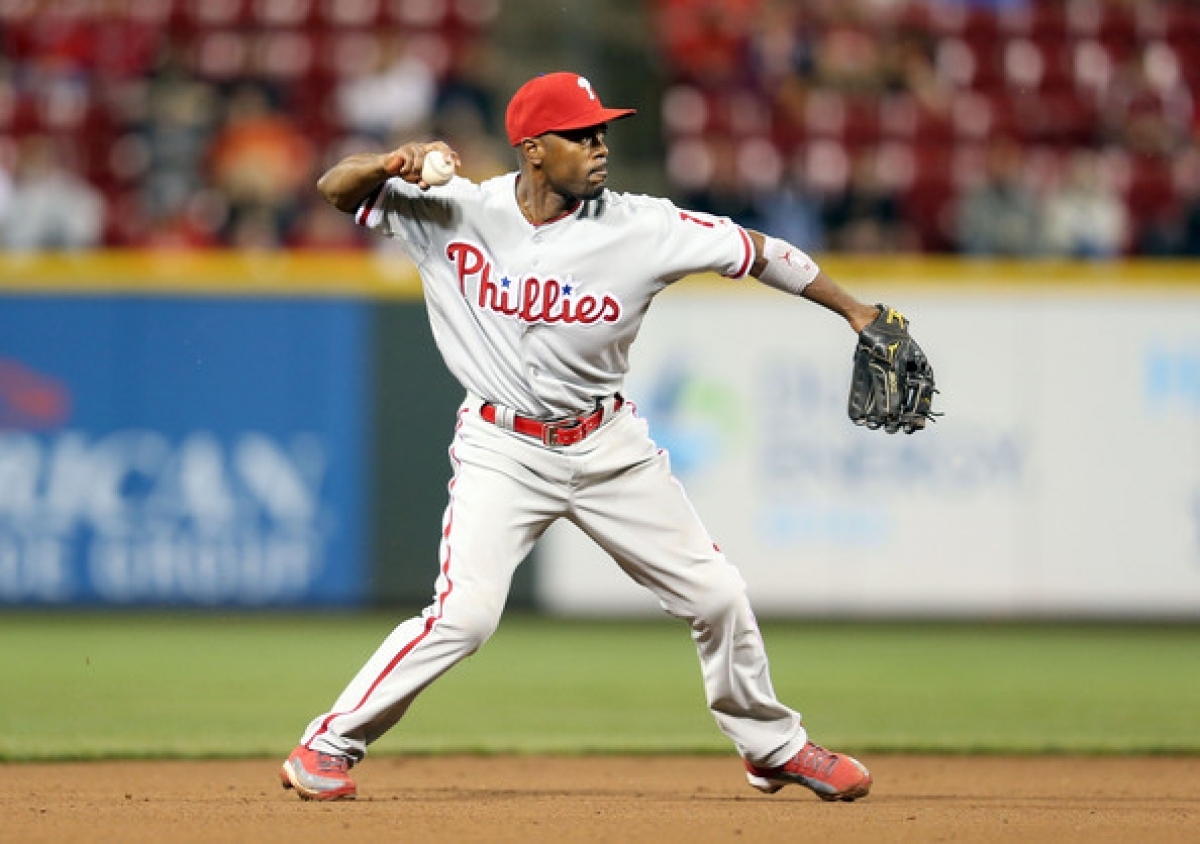

Achieving the distinction of being the sole top-ranked player on a franchise's all-time hits leaderboard is an extraordinary accomplishment for any baseball athlete. Doing so within an organization established in professional hits since 1883, an era that includes legendary figures such as Mike Schmidt, Richie Ashburn, and Ed Delahanty, approaches the realm of the surreal. Nonetheless, this is precisely the position held by James Calvin "Jimmy" Rollins. For nearly fifteen years, the dynamic shortstop has served as the rapid, passionate force behind the most enduringly successful period in the history of the Philadelphia Phillies.
Having been raised on the concrete playgrounds of Northern California, Rollins admired the esteemed Rickey Henderson. Throughout his career, he consistently incorporated that same style of intense, unrestrained chaos into the leading position of the Philadelphia Phillies' batting order. He transformed the contemporary leadoff role by integrating exceptional speed with an unexpectedly potent power-hitting capability.
Rollins transformed the basepaths into his personal laboratory, utilizing exceptional internal timing to steal 20 or more bases in 13 of his 14 complete seasons with Philadelphia, three times surpassing the notable 40-steal milestone. He was particularly effective when driving the ball into the gaps, consistently circling the bases to lead the National League in triples on four separate occasions. Similar to his childhood hero, he had the ability to shift the momentum of a game with a single swing, aggressively punishing pitchers by hitting 216 home runs while playing for the Phillies—an all-time franchise record for a switch-hitter.
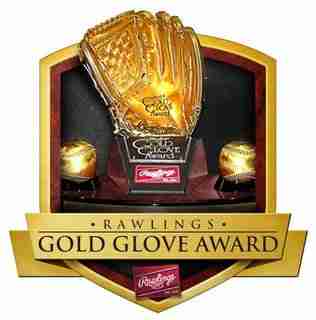
Nevertheless, constraining "J-Roll" to an offensive catalyst alone underestimates his full genius. On the baseball field, he transformed the shortstop position into a demonstration of athletic mastery. Equipped with a remarkably swift initial movement, exceptional spatial awareness, and a powerful arm, Rollins proficiently deflected hits with ease, earning four National League Gold Glove Awards and establishing a franchise-record defensive standard that contributed to the stability of a championship-caliber pitching staff.
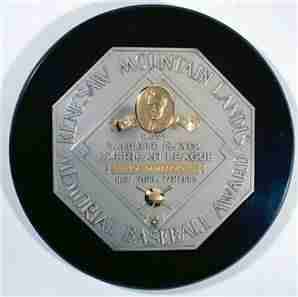
His career reached its peak during a landmark, award-winning 2007 season. In spring, Rollins confidently called the Phillies the "team to beat" in the National League East—and then spent the following six months proving his confidence true. He delivered an extraordinary regular season, playing all 162 games and achieving a rare 20-20-20-20 season (doubles, triples, home runs, and steals). He topped the senior circuit with 139 runs, hit a career-high 30 home runs, and amassed 212 hits with a solid .296 batting average, earning the 2007 National League Most Valuable Player award.
More than just an accumulator of individual hardware, Rollins was a ruthless winner. He was the vocal catalyst that drove the franchise to five consecutive division titles, back-to-back pennants, and the unforgettable 2008 World Series championship.
Advanced metric purists sometimes criticize his .324 on-base percentage as a drawback for a traditional leadoff hitter, a focus on efficiency that fuels ongoing debate over his Hall of Fame credentials. However, solely emphasizing his walk rate ignores his durability and performance in big games. He concluded his notable 15-year career with the Phillies, holding franchise records in hits (2,306) and doubles (479), and also stole 453 bases. His legacy was definitively secured with his induction into the Philadelphia Phillies Wall of Fame in 2025.

Comments powered by CComment