

181. Charlie Keller
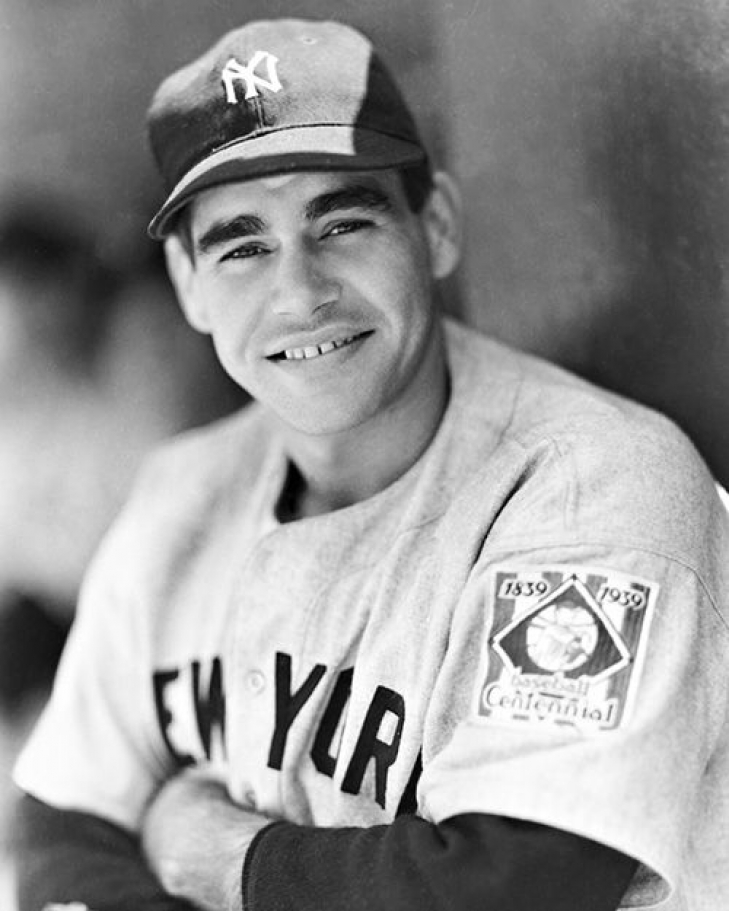
One of the most underappreciated members of New York Yankees folklore, Charlie "King Kong" Keller was known for his incredible strength and corresponding Home Runs, but he should probably be better known for his plate discipline. Keller would twice lead the American League in Walks and had an On Base Percentage over .400 seven times, six of which were enough to put him in the top ten that year. He would also lead the AL in OPS in 1943.
Keller would also help the Yankees win three World Series Rings. Keller would blast 189 Home Runs in his career and is still in the top fifty all-time in On Base Percentage, OPS, and OPS+.
18. Charlie Keller
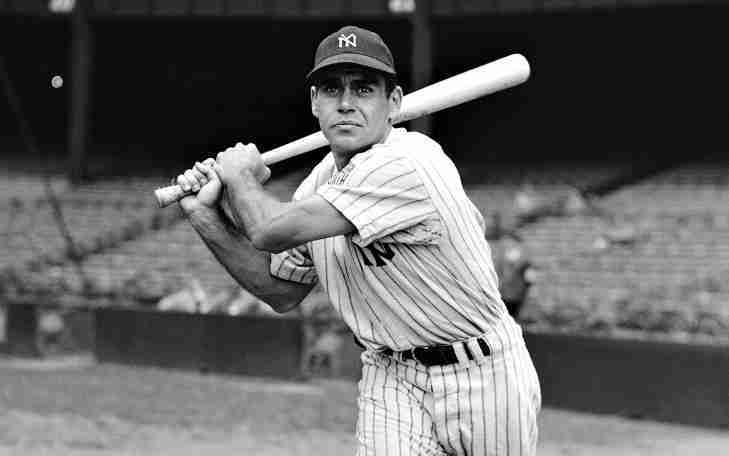
In spring 1939, when Charlie Keller earned his spot on the Bronx starting lineup, he teamed up with Joe DiMaggio and Tommy Henrich to create a formidable, championship-quality outfield trio. The heavily muscled 22-year-old left fielder from the University of Maryland, recognized for his broad shoulders and dark, thick eyebrows, was quickly dubbed "King Kong"—a nickname he detested, preferring to let his refined and patient batting style speak for itself.
While the sporting audience focused on his raw, muscular strength, Keller’s true skill was in his highly disciplined strike zone management, which effectively balanced his role as a run producer. He deliberately did not expand his zone against aggressive pitchers, drawing walks with the precision of a top-of-the-order hitter while still providing the power needed for a cleanup hitter, as demanded by manager Joe McCarthy. Keller surpassed 100 walks in four different seasons and led the American League twice in free passes. This exceptional plate discipline resulted in seven seasons with an on-base percentage over .400, including six finishes among the league's top ten.
He combined disciplined, everyday play with powerful extra-base hitting. Keller surpassed 20 home runs five times during his main tenure in New York, with his peak season in 1941 when he hit 33 homers and had a career-high 122 RBIs, helping the team become world champions. His offensive strength was clearly confirmed in 1943; despite wartime roster challenges reducing the talent pool, Keller dominated the league by hitting 31 home runs, drawing 106 walks, and leading the American League with a .922 OPS, guiding the Yankees to another pennant.
He was a fierce big-game performer who approached the Fall Classic as if it were an afternoon game. In the 1939 four-game sweep of Cincinnati, the rookie outfielder batted .438 with three home runs. Over 19 World Series games for the Yankees, Keller achieved a remarkable .611 slugging percentage, with five homers and 18 RBIs, playing a key frontline role in winning five world titles (1939, 1941, 1943, 1947, and 1949).
Tragically, severe, chronic back injuries combined with a mandatory stint in the Merchant Marines during World War II completely robbed him of his ultimate career longevity, restricting his explosive physical movement just as he entered his athletic prime. Following a brief two-year stint in Detroit, he returned to the Bronx for a sentimental, two-game final farewell in 1952 before retiring to his Maryland farm.
While his overall traditional numbers might seem somewhat lower than those he his ranked ahead of, his overall value to the Yankees can’t be underestimated, though it often is. Keller had 184 Home Runs with a Slash Line of .286/.410/.518 as a Yankee.
